March 23, 2026
HGPI advances planetary health on agendas in Japan and beyond
Sustainable Japan Award: ESG Special Award




Environmental issues such as climate change and air pollution are no longer problems affecting the planet alone. A growing body of research suggests that environmental change can also influence human health, shaping life expectancy and disease risk.
At the same time, the health care sector itself is a major source of greenhouse gas emissions. In other words, the very systems designed to protect human health can also place pressure on the planet.
Against this backdrop, the concept of planetary health — the idea that the health of people and the health of the planet are interconnected — has gained global attention.
One factor behind the health care sector’s environmental impact is the widespread use of disposable plastic products in medical settings to prevent infection. The waste generated from these materials adds to the environmental burden.
In Japan, the medical and welfare sector accounts for about 12% of carbon dioxide emissions in the commercial and service sector, the third-largest share, after wholesale and retail (22%) and accommodation and food services (13%).
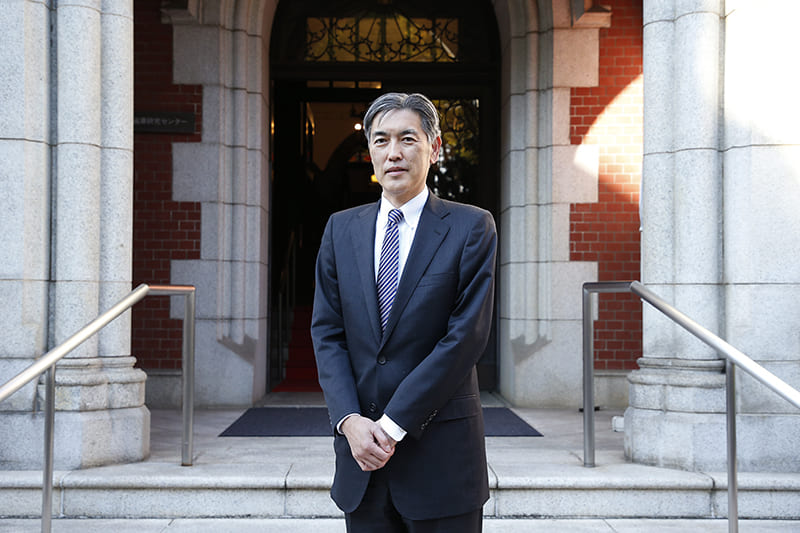
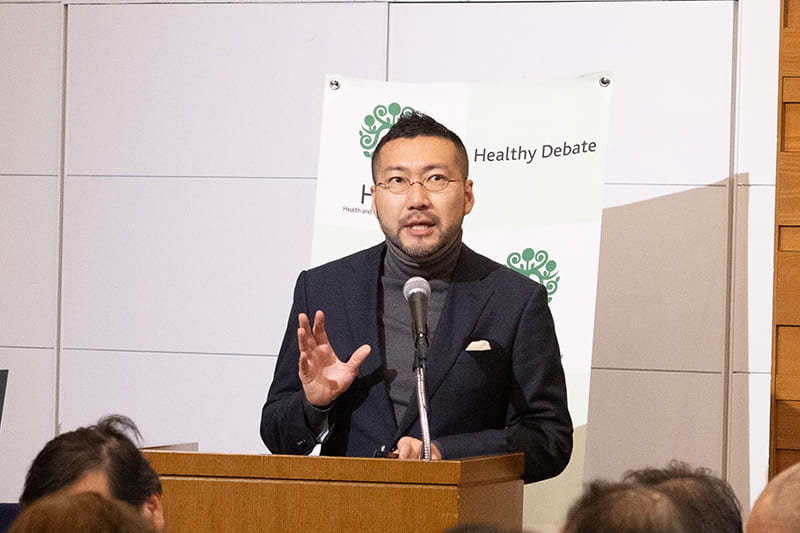
One organization addressing these challenges is the Health and Global Policy Institute. Founded in 2004, HGPI is a Tokyo-based independent and nonpartisan health policy think tank. The nonprofit institute works to advance citizen-centered health policy by bringing together diverse stakeholders — including experts, patient and citizen representatives, health care providers, policymakers and business leaders — to conduct research and develop policy recommendations in areas such as patient-centered care, key health policy issues and global health. HGPI also shares its work in both Japanese and English and actively engages with other think tanks around the world.
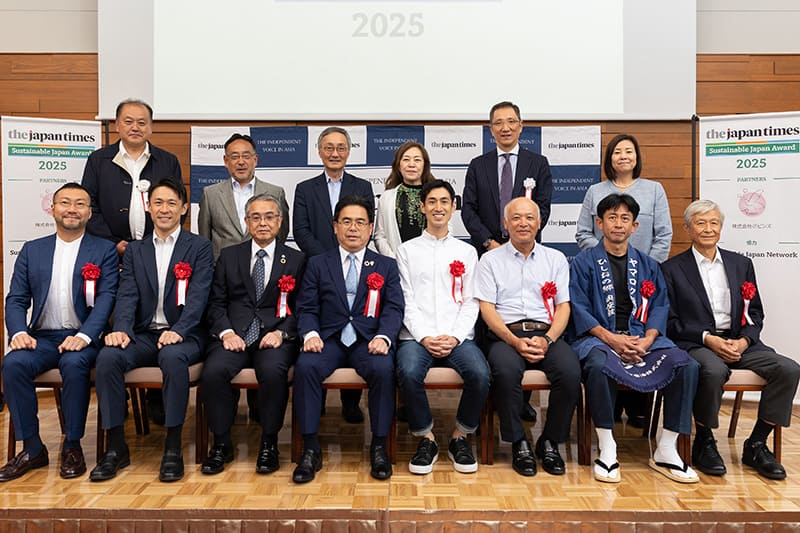
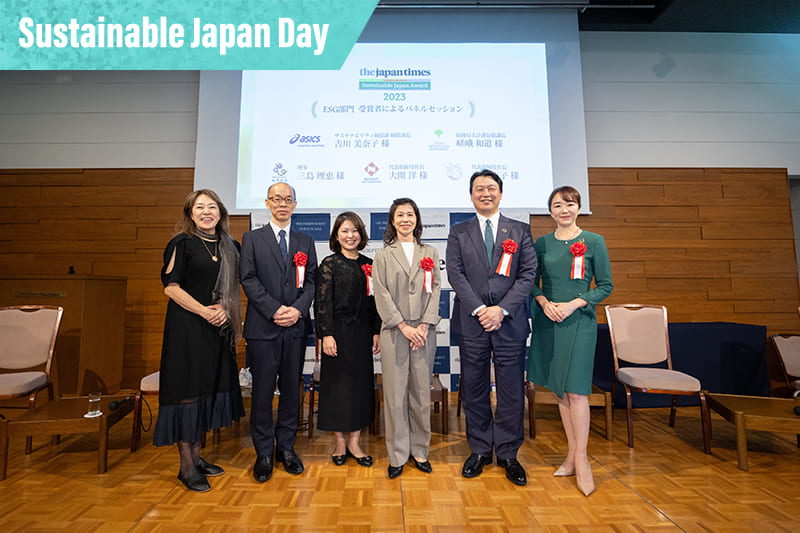
HGPI’s activities have earned international recognition. In the latest Global Go To Think Tank Index Report released by the University of Pennsylvania, the institute ranked second in the Domestic Health Policy Think Tanks category and third in the Global Health Policy Think Tanks category. It also received a special award in the ESG category at The Japan Times‘ Sustainable Japan Award 2025.
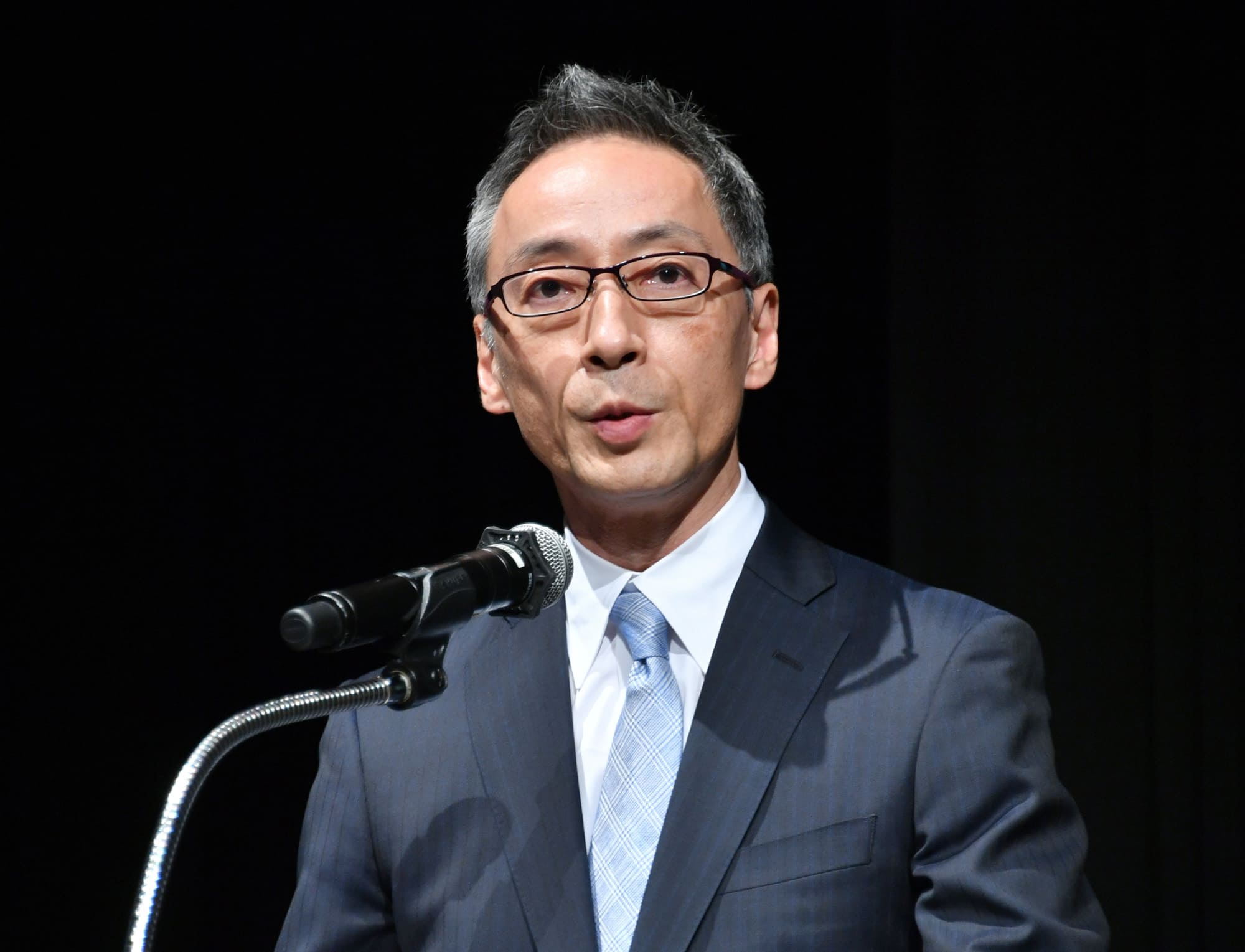
According to Ryoji Noritake, chair of HGPI, the institute places importance on three stages in the process of developing policy recommendations: agenda-setting, agenda-shaping and agenda delivery.
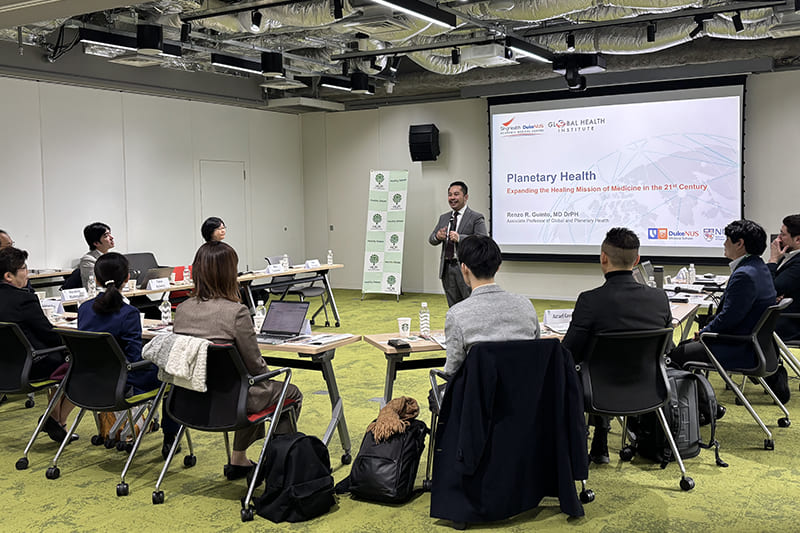
In the agenda-setting phase, HGPI identifies policy priorities by listening to a wide range of stakeholders, including patients and health care professionals. During agenda-shaping, the institute refines these issues through discussions with diverse stakeholders to develop concrete policy recommendations. In the final stage, agenda delivery, HGPI communicates its proposals both domestically and internationally while working to translate them into actual policy.
Noritake pointed to two reasons why the concept of planetary health — a key focus of HGPI’s work — has become increasingly important in recent years: “The first is that environmental changes such as air pollution and rising temperatures have been shown to affect life expectancy and increase the risk of disease. The second is that the health care sector carries a significant environmental burden.” This dual challenge underscores that while modern health care systems provide safe and hygienic medical services, they also contribute to environmental impacts.
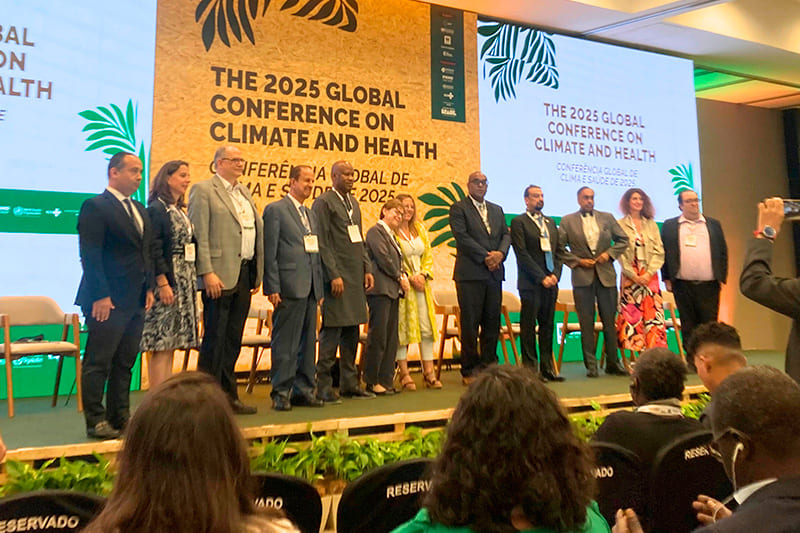
As international discussions on the links between climate change and health gained momentum at forums such as the 26th United Nations Climate Change Conference (COP26) in 2021, HGPI sought to bring those debates to Japan, where the issue had received relatively limited attention. The institute launched the Planetary Health Project in 2022 to advance the concept.
Through its efforts to raise awareness of climate and health issues in Japan, HGPI helped pave the way for Japan to join the Alliance for Transformative Action on Climate and Health in 2024 — a World Health Organization-backed initiative aimed at building climate-resilient and low-carbon health systems.
The impact of this initiative can be seen in the revision of Japan’s Model Core Curriculum for Nursing Education, which from April 2027 will train nurses to understand the link between environmental change and health. HGPI also contributed public comments to Japan’s Sixth Basic Environment Plan in 2024, incorporating a planetary health perspective into national policy.
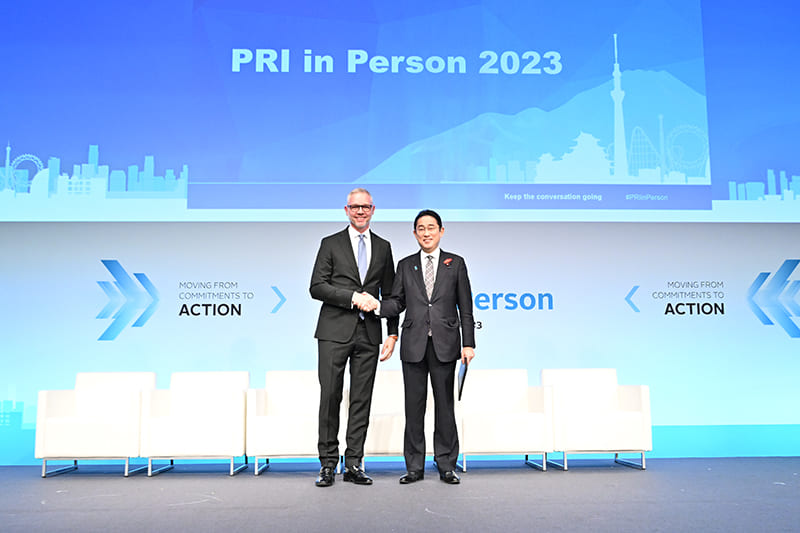
HGPI has also been advancing international collaboration in the health sector. In 2023, it became the first organization in Japan to join Global Green and Healthy Hospitals, an international network that promotes sustainable health care. Through this membership, HGPI supports decarbonization in health care while sharing knowledge with global partners.
Looking ahead, Noritake emphasized the need to strengthen climate action and disaster resilience by drawing on Japan’s experience as a disaster-prone country and promoting sustainable medical facilities. He added that HGPI aims to deepen collaboration across the Asia-Pacific region and turn discussions into concrete action at the Planetary Health Alliance conference in Tokyo in 2027.
Summing up his views, Noritake said: “Health policy is not something distant from people’s everyday lives. Small individual actions can add up to significant change. We hope to continue playing a role in that process.”