May 25, 2026
Ministry of the Environment gives seventh ESG Finance Awards Japan




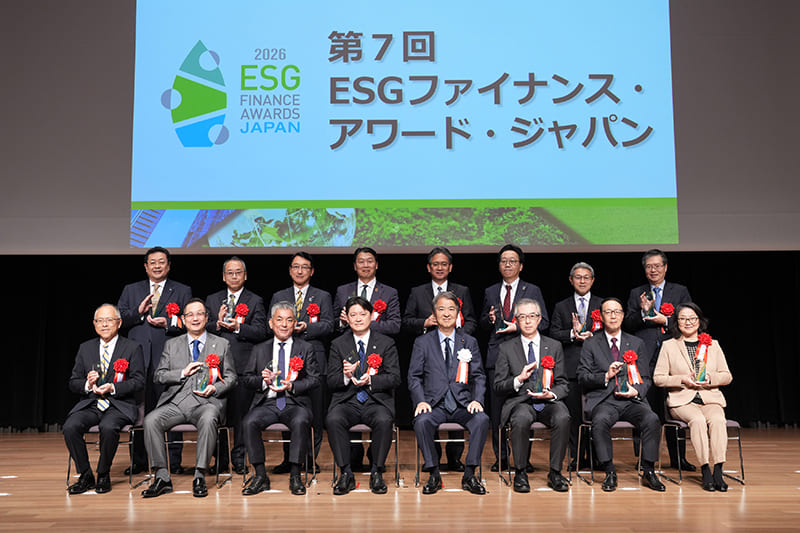
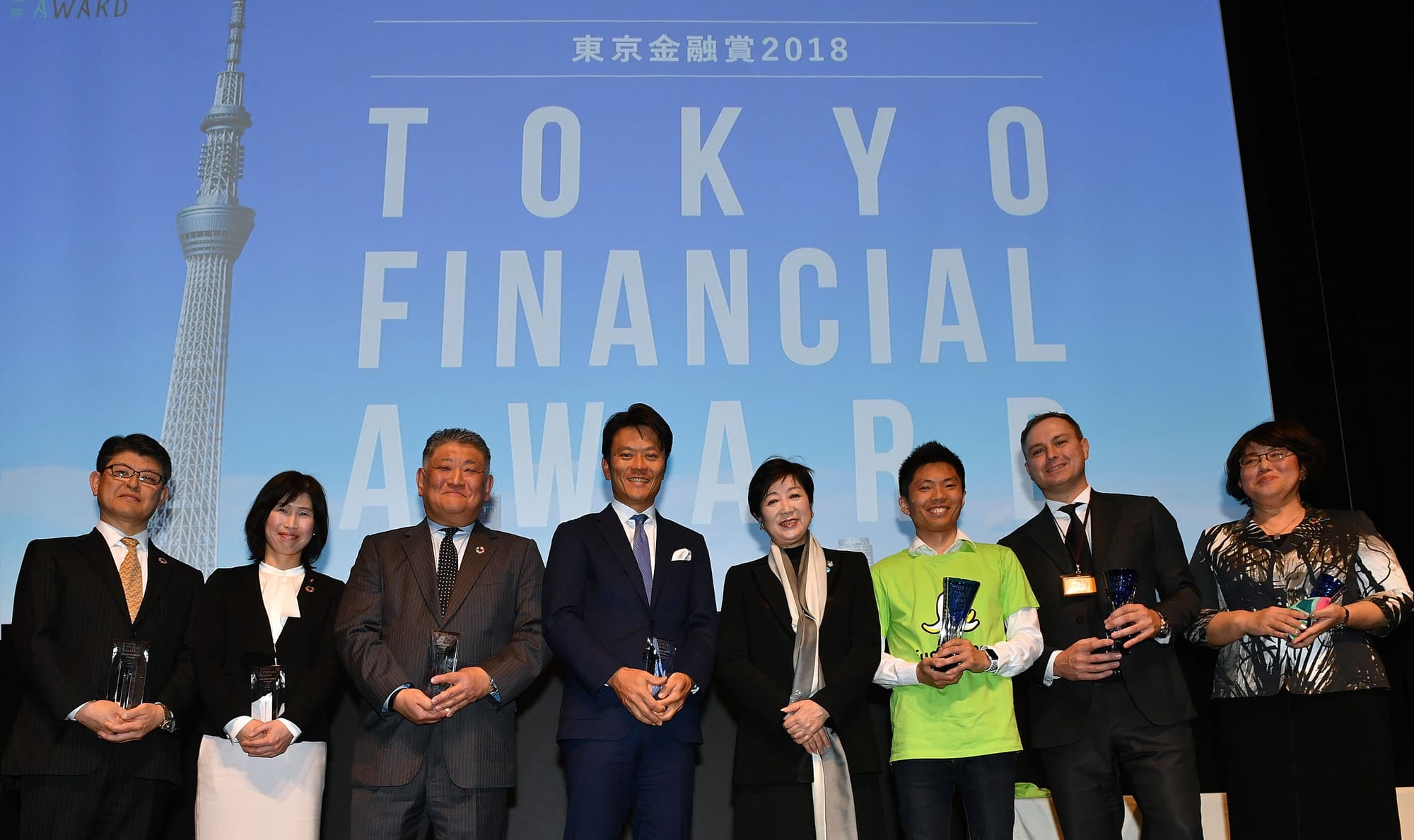
The Ministry of the Environment announced the 35 recipients of the seventh ESG Finance Awards Japan on Feb. 16. The awards, established in 2019, aim to “recognize and commend financial institutions and organizations actively engaged in ESG finance, as well as companies making efforts in sustainable corporate management.”
Applications are collected from early September to late October, and winners are selected via primary and secondary screening, as well as an interview with executives.
Gold, silver and bronze awards, as well as special awards, are given in each of the five categories: investors, banks, issuers and borrowers, financial services and environmentally sustainable companies.
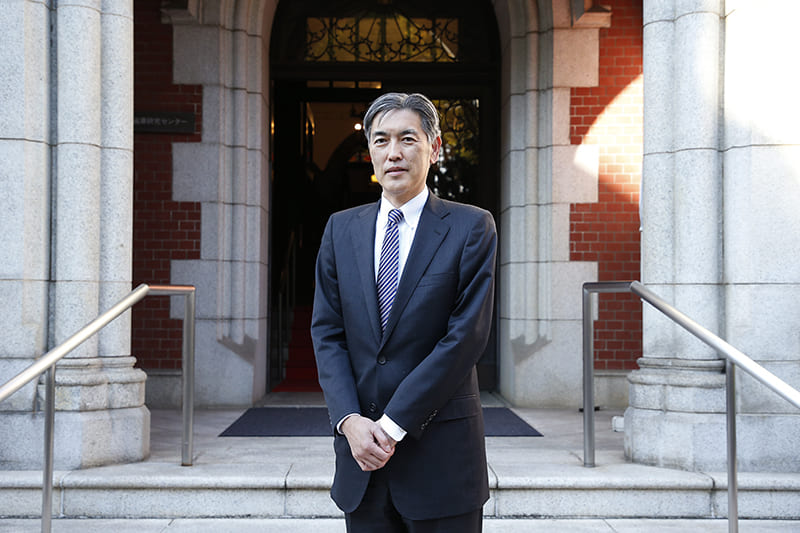
In a recent interview with The Japan Times, Kosaku Taira, the ministry’s senior coordinator for financial markets planning, explained that special awards recognize significant achievements, even if the companies are smaller or have fewer resources than major companies that have won gold, silver or bronze awards.
There are also three awards aligning with the three themes emphasized by the ministry in line with the Sixth Basic Environment Plan, approved by the cabinet in May 2024: the Net Zero Award, the Nature Positive Award and the Circular Economy Award.
Taira said they receive applications from around 100 companies and 50 financial institutions each year. Details of the screening criteria can be found in the application guidelines published online. He emphasized that one of the most important elements is whether the management philosophy is in line with the purpose of ESG financing: “For example, Itochu Corp., which won the Gold Award in the environmentally sustainable companies category, upholds the spirit of sanpō-yoshi (good for all three sides), ensuring that its business is good for society, good for the company itself, and its customers. This is actually the ideal pursued by ESG.”
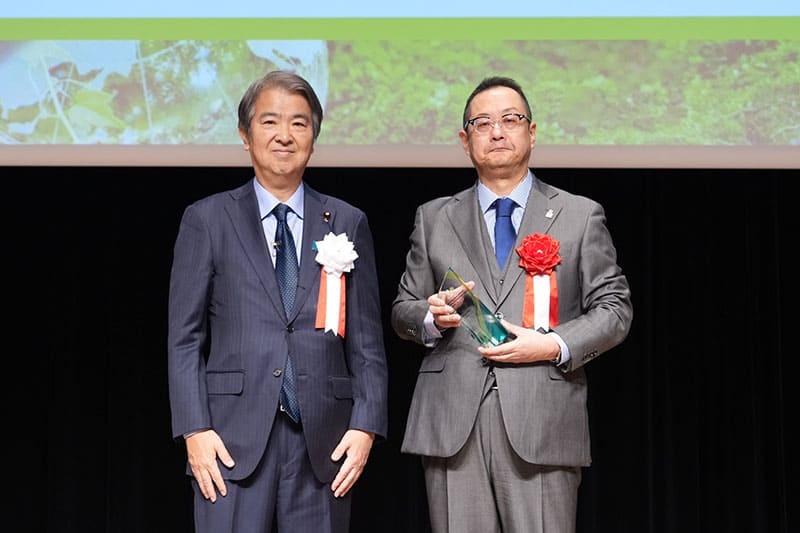
Taira added that other important criteria include whether the companies’ initiatives can serve as useful models for others. He pointed out that Sekisui House Ltd., which also won the Gold Award in the same category as Itochu, has been taking action that could influence other companies in the industry. At the award ceremony, Haruhiko Toyoda, senior managing officer of Sekisui House Ltd., said: “We are making an all-out effort to tackle the circulation of resources in homebuilding. Our House to House project is based on the idea of recycling resources to build new houses. It is a demanding challenge, but we see it as our responsibility for the future.” Taira also noted that the company had called for closer collaboration with other industry stakeholders and the wider community to accelerate these efforts.
Mizuho Bank Ltd. was one of the Gold Award winners in the banking category. Taira said the bank is renowned for its advanced industry research department, which supplies it with detailed and up-to-date knowledge of each industry. This knowledge enables the bank to engage with various companies, creating solutions that best fit each company and industry as well as contribute to the advancement of the green transformation and the circular economy.
Yasuhiko Ushikubo, the managing executive officer and chief sustainability officer at the time of the award, emphasized in his speech that the Mizuho group is committed to developing an integrated approach to addressing climate change, creating a circular economy and preserving natural capital. He commented that, as a leading global financial institution representing Japan, the group has the capacity to provide not only financial products but also industrial expertise and consulting, and to connect its clients with attractive business partners by leveraging its extensive client base. This allows the group to help clients tackle sustainability-related challenges.
Taira said that the awards may contribute to increasing the reputation of the winning companies and that feedback from screening process could help applicants to improve their efforts. However, these are not the only benefits for the applicants. He believes that the awards facilitate communication between the government, financial institutions and companies, which is essential for identifying outstanding initiatives in a market. At the same time, applicants will have the opportunity to exchange their views with the ministry on how to strengthen and replicate their efforts across society.
Taira explained that one of the things the ministry has learned from communicating with applicants is that there is a strong need for public relations experts who can effectively communicate companies’ achievements. He also pointed out that a survey conducted on applicants revealed that their ESG efforts contribute to securing and retaining human resources. At the same time, there is a high demand for individuals who can take on leadership roles and train human resources in companies’ ESG departments. Taira noted that the ministry aims to respond to these needs by exploring various means, including enhancing and promoting related qualification systems.
Taira believes that efforts to recognize companies engaging in notable ESG initiatives will ultimately reach consumers and contribute to raising awareness more broadly. “We want to provide opportunities for communication and act as a catalyst between companies, financial institutions and consumers to share excellent models with society,” he said.