July 21, 2026
Yamagata documentary festival enlightens global audiences




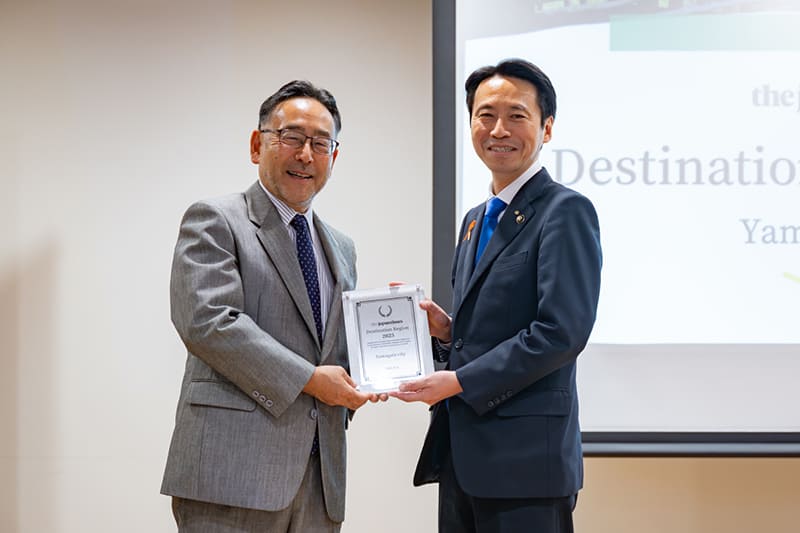
The Yamagata International Documentary Film Festival began in 1989 as an event to celebrate the 100th anniversary of the establishment of the city of Yamagata, which last year was chosen as the first Destination Region — an initiative to recognize cities and municipalities that The Japan Times wants to tell the world more about.
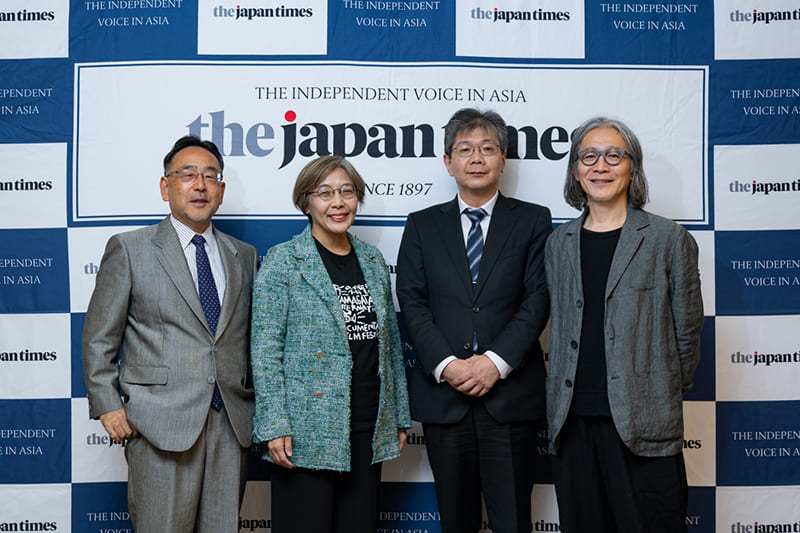
The YIDFF has been held biennially ever since, gathering film professionals and fans from all over the world. Asako Fujioka, vice-chair of the festival’s secretariat, joined the organization in 1993. Having spent her childhood and early teens abroad, she worked in the film and art industries after returning to Tokyo. Her first encounter with the film festival left a strong impression. “It was a time when documentary films were becoming more diverse, undergoing a transition from something educational but uninteresting, useful but rigid and old-fashioned. The YIDFF was a place where creators of such diverse works gathered, which surprised me a lot,” she said.
One of the characteristics of the festival is the significant contribution made by volunteers. In 2006, the YIDFF became an independent nonprofit organization. “This shift made it possible to make our activities more accessible to both citizens and the world,” Fujioka said.
Privatizing municipality-led initiatives often brings challenges regarding funding and management, but Fujioka is optimistic, saying: “Staff members started sharing ideas on how to increase profits and launched new activities, making their bonds stronger during the process. Our connection with citizens also became stronger.”
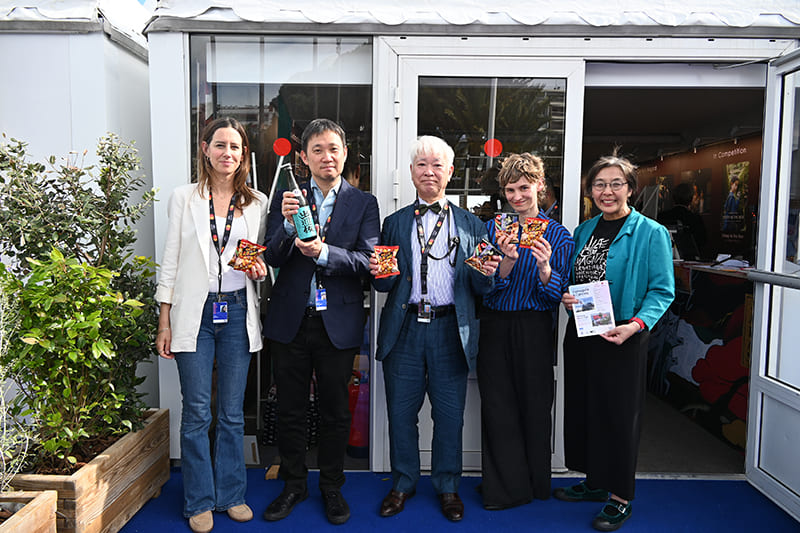
This May, the YIDFF co-organized a symposium with the cities of Cannes and Yamagata during the Cannes Film Festival. Fujioka recalled that internationally acclaimed film director Ryusuke Hamaguchi praised the YIDFF at the symposium as a unique event that cannot be found elsewhere. She added that this kind of external recognition fosters a sense of pride among local residents.
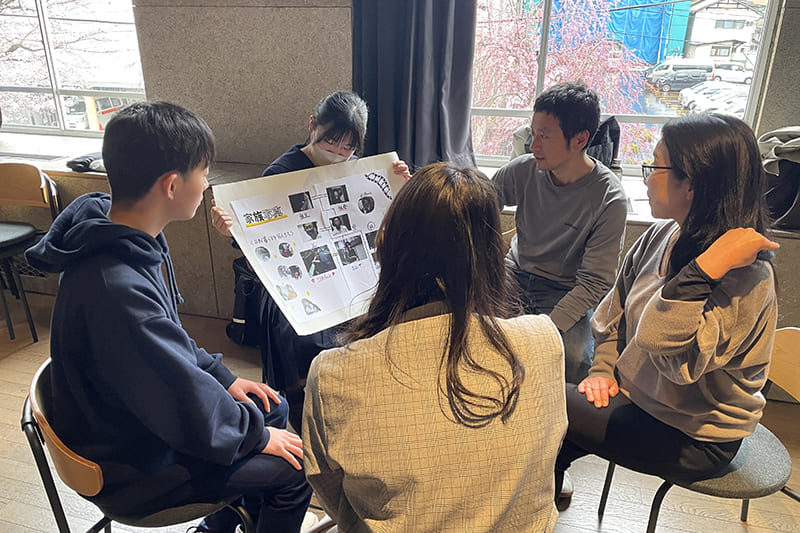
Local youths are also engaging with the YIDFF by forming a group named Docu-Yama Youth, which plans small film screenings and supports the film festival’s operations. In recent years, Fujioka met many young people from Yamagata who entered the film industry after being inspired by films they saw during their high school days. “I am glad that local people, especially the youth, are feeling a connection between themselves, their hometown and the world, seeing world-renowned film directors walking down the street where they live,” she said.
The film festival has also seen an influx of audiences from abroad. “Last year, there was a significant increase in the number of young audiences from Asian countries such as Taiwan, Hong Kong and South Korea,” Fujioka said.
With the number of foreign residents in Yamagata Prefecture on the rise, the organization hosts various events and activities aimed at fostering cultural exchange between international residents and locals. “Last year we held an event featuring Vietnamese films during an exchange event with Vietnamese residents in Yamagata city. Films are supposed to be entertainment for everyone. We want to continue providing inclusive opportunities that allow anyone living in Yamagata to enjoy cinema,” Fujioka said.
Fujioka also believes that films are a reflection of their times. The inaugural festival in 1989 was held amid global turbulence including the Tiananmen Square massacre and the fall of the Berlin Wall. She said that during such volatile times, some film directors were extremely nervous about speaking in public, while others were unable to travel to Japan at all.
As democratization and freedom of expression spread across Asia, Asian cinema flourished. Fujioka said that for some directors who are now active internationally, such as China’s Wang Bing and Thailand’s Apichatpong Weerasethakul, the YIDFF was a crucial steppingstone for launching their international careers.
Fujioka also noted that the portrayal of certain gender issues, such as survivors of sexual violence speaking out, would have been unthinkable in Japan when the YIDFF began nearly 40 years ago. These shifts convince her that documentary films depict the history of the world as well as the film industry.
These valuable historical archives are available for rental, and Fujioka noted that there has been a steady increase in requests to rent works from the archives. “We see a growing trend of creating opportunities, like film screening events, where people can gather,” she said.
Fujioka noted that, unlike the fragmented bits of information that flood social media, documentary filmmakers create their works with a grand vision of establishing a philosophy for perceiving the world holistically. “Gathering together in a dark room to face the world depicted on the big screen helps us grasp the essence of and empathize with stories that we might otherwise dismiss as happening in a distant country,” Fujioka said.