November 02, 2026
Symposium discusses recovery of Iitate village after 2011 quake


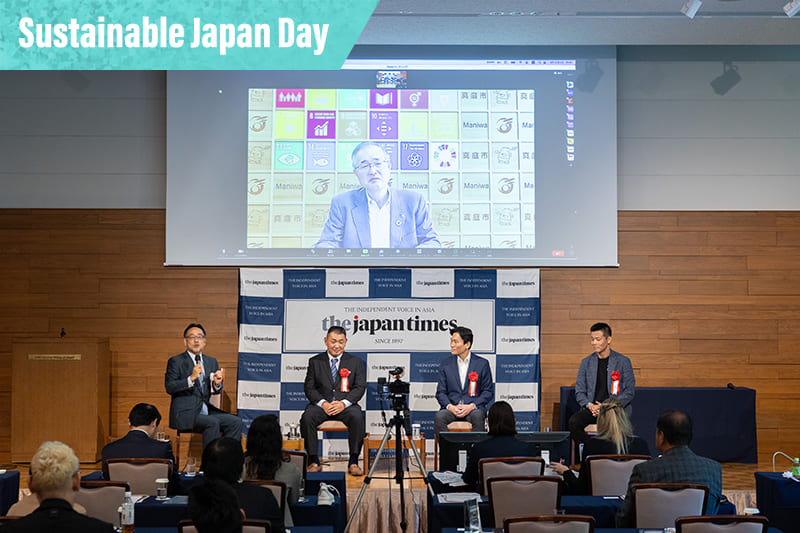
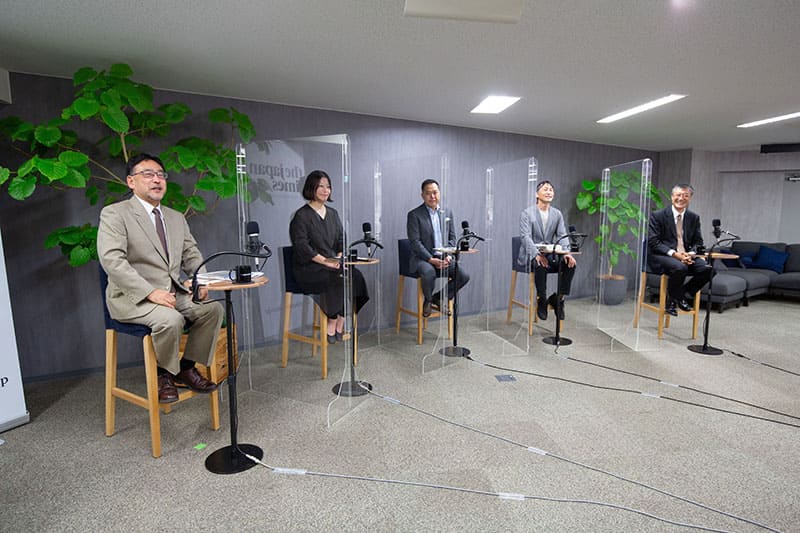
A symposium was held in the Fukushima village of Iitate on Oct. 3 to discuss its current situation and future. Iitate lies on a plateau in the northeast of the prefecture and is rich in natural beauty. Forests cover 75% of its land, and farms spread along the river basins running through its northern, central and southern parts.
Historically, the village thrived thanks to industries nurtured by nature such as the production of rice, vegetables and flowers as well as livestock farming. However, the 2011 Great East Japan Earthquake and the subsequent Fukushima nuclear accident forced the evacuation of the entire village.
Although evacuation orders were lifted in 2017 for most areas, part of the Nagadoro district in the south still remained a no-return zone as of March 31.
As of September, the population was approximately 4,200, about 2,000 fewer than before the disaster. However, this represents only those registered on the official registry, and the number of people actually living there is believed to be smaller still.
Despite these circumstances, local people are contributing to the region’s revitalization in various ways such as resuming agriculture, opening guesthouses and supporting local medical care. Some of them were invited to the symposium as panelists.
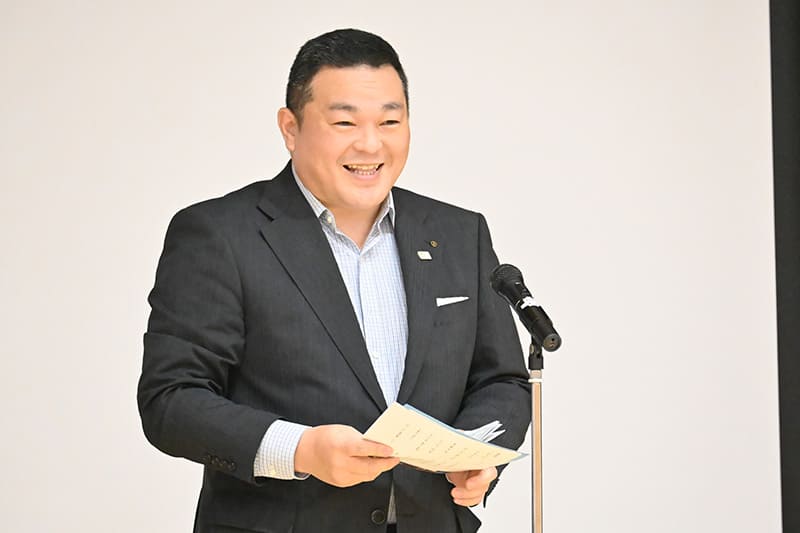
Mayor Makoto Sugioka attended the symposium and greeted the participants. Noting that this year marks the village’s 70th anniversary, he said, “Our village we have today is built on the history of our ancestors, who worked tirelessly to cultivate fields, build livelihoods and preserve community ties and distinct culture.” He celebrated how current residents are carrying on this legacy by loving Iitate, embracing life there and sharing their joys with one another.
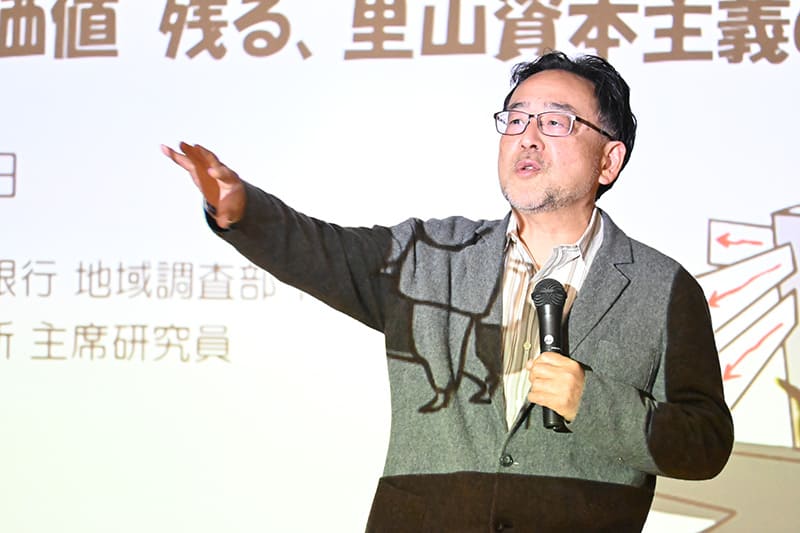
In his keynote address, Kosuke Motani, the chief senior economist at the Japan Research Institute, said, “Before the earthquake, Iitate was a model of a vibrant rural municipality — a place that succeeded in attracting a steady influx of people from outside by focusing on refining and branding local products.
Motani pointed out that although the people who live there may take them for granted, mountains that change their colors with the seasons and rivers flowing with clear, pristine water are not a given from a global perspective. “It is precisely because these features are irreplaceable blessings that villagers who were once completely evacuated are now returning. People return to places where real value exists,” he said.
In addition to Motani, five villagers took to the stage for a panel discussion facilitated by Mayumi Jingu, a member of the forum’s organizing committee.
One of the panelists, Motoichi Kanno, is a plant breeder who has worked on crop improvement for many years. After more than 30 years of selective breeding, he developed the Iitate Yukikko — a pumpkin characterized by a thin, white skin and rich sweetness. Official registration of the variety was completed immediately after the earthquake.
Facing the evacuation order issued for the entire village, Kanno carried the seeds of this pumpkin along with his other belongings. He and his colleagues continued to preserve the variety at their respective evacuation sites, even when their life away from home was challenging. Today, its cultivation has resumed in the village.
Every panelist emphasized the importance in regional revitalization of yui: the traditional Japanese spirit of mutual assistance based on nonmonetary exchanges, such as labor and goods, within a community. “Yui is like a mental regional currency that is not influenced by the monetary economy. We help each other out by doing what we are good at,” Kanno said.
Tomiko Watanabe, who has led the preservation of the pumpkin through its promotion and development of processed foods, opened an inn in the village after returning from evacuation. She explained that the practice of yui is a simple exchange of goodwill. “If you swap the extra servings of a dish you made with the family next door, you will both have two dishes on your tables,” she said.
Engaging people from outside the village is another key to accelerating its revitalization. Kazumi Osawa runs a guesthouse in the village whose guests include a student at the University of Tokyo who is participating in a project to grow hops in vacant fields in the village.
Muneo Kanno, the vice president of a nonprofit organization called Resurrection of Fukushima, spoke about an ongoing project by students from a university in Tokyo to introduce robots to agriculture. He emphasized the importance of testing new technologies to ensure the sustainability of agriculture in the area, as well as establishing a solid, stable communications infrastructure.
Dr. Toru Honda, a primary healthcare expert who has worked in various parts of the world, began providing medical services in Iitate, including home visits, in 2022. He said a reliable communications infrastructure is also necessary for primary healthcare. “It is important that elderly people, even if they are living alone, feel safe continuing to live in the village,” he said.
The symposium concluded with a sense of hope and a shared recognition that Iitate’s revitalization is steadily progressing through collaborations within and beyond the village.