November 16, 2026
History of The Japan Times, part 2: Disaster, difficulties and war
130th anniversary series


At 11:58 a.m. on Sept. 1, 1923, an earthquake with a magnitude of 7.9 struck off the southern coast of Kanagawa Prefecture, rocking Tokyo and Yokohama and causing widespread destruction. Over a century later, the exact death toll remains unknown, with estimates ranging from 100,000 to 150,000.
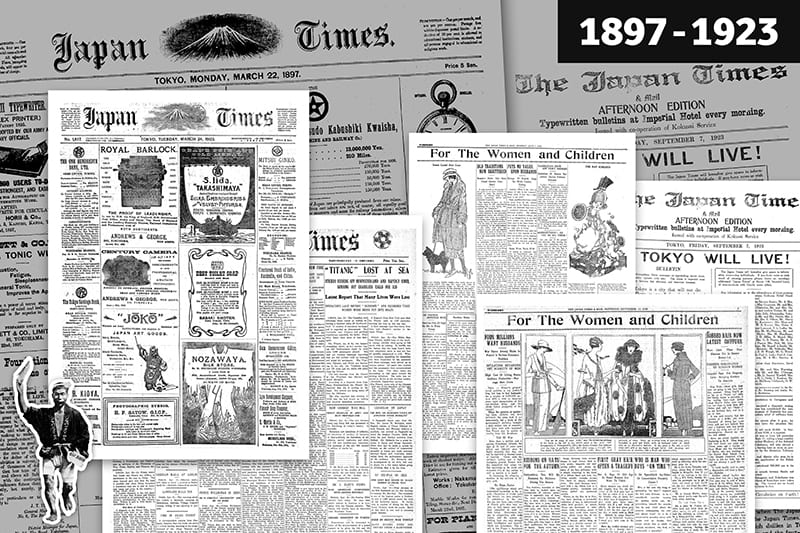
For The Japan Times, it was the worst crisis since the paper’s founding in 1897. Between Sept. 1 and 4, damage to the paper’s Tokyo headquarters made printing and delivering the paper impossible. On Sept. 4, a typewritten bulletin noted that Yokohama had been destroyed, martial law had been proclaimed, all troops in Tokyo had been mobilized and the navy was in radio communication with the rest of the world.
A Sept. 5 bulletin said that reports concerning illegal acts by Koreans were greatly exaggerated and that many Koreans were involved in relief efforts and doing good work.
The paper also established a point of contact for readers seeking information: A second Sept. 4 bulletin advised that queries should be directed to an editor named Randall Gould at the paper’s headquarters in Tokyo’s Hibiya area. By Sept. 7, he had relocated to Room 108 at the Imperial Hotel.
In the days that followed, The Japan Times provided disaster-related information in English found nowhere else — a precedent the paper would draw upon decades later after the Hanshin-Awaji quake in 1995 and the Tohoku quake and triple reactor meltdown on March 11, 2011.
Gould was part of a group of foreign news editors and columnists who passed through Japan in the decades between the world wars. One of the most well-known was Hugh Byas, who lived in Japan between 1929 and 1941 and edited the Japan Advertiser. Though he had polarized views of Japan, he was a careful reporter who often displayed sympathy for Japan’s position and policies.
Another figure was Burton Crane, a financial correspondent for The Wall Street Journal and The New York Times. He became famous for recording a song called “Sake ga Nomitai” (“I Want to Drink Sake”). For The Japan Advertiser, he penned a financial column called “Song of Sixpence.”
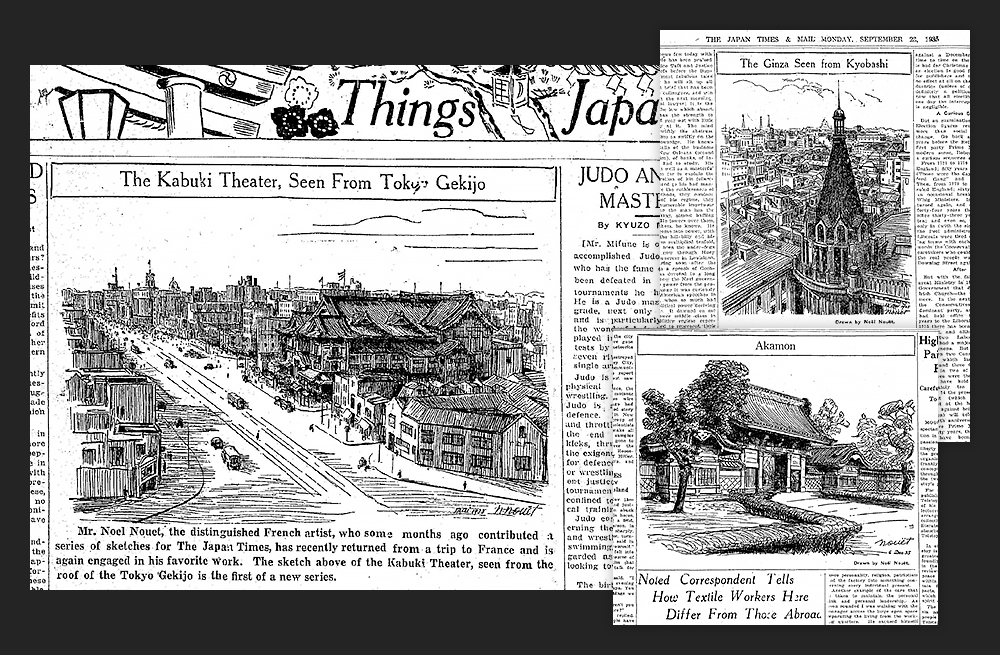
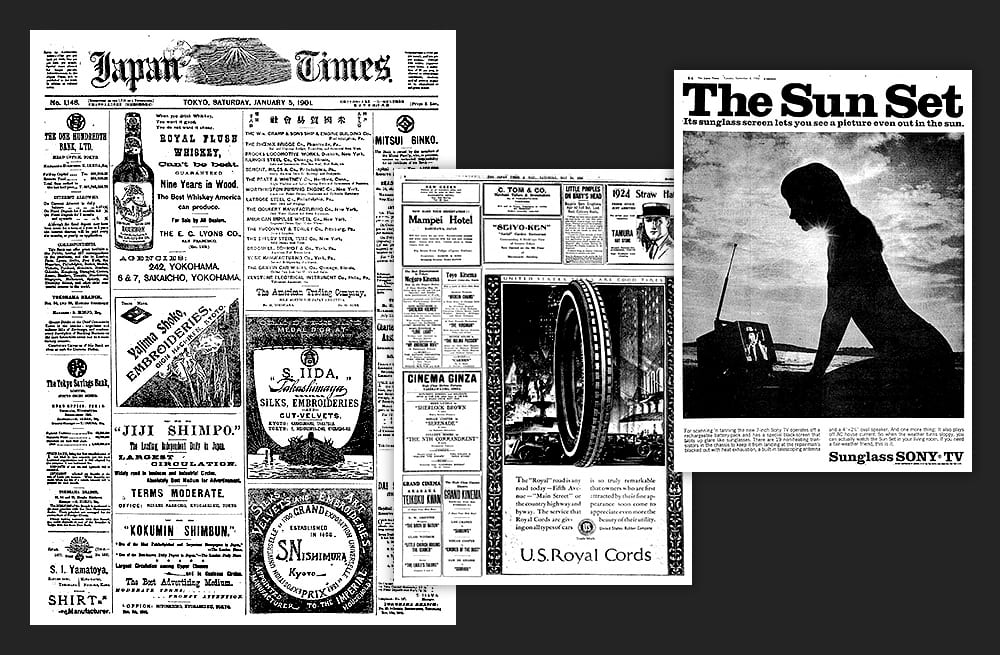
By 1930 Tokyo had recovered to a point where the restaurant business in particular was booming. A Feb. 19, 1930, article, “Dining Places for Fastidious People,” featured a large selection of photos of some of the city’s better establishments. Tokyo Kaikan was hailed as the best place for foreign residents and visitors to find sukiyaki, while Maruya, the paper said, was the place to go for turtle dishes. Those in search of Western-style pastries and sweets could head to Mon Ami, which was popular among embassies and foreign legations.
The 1930s were a difficult time. Following the Feb. 26, 1936, incident, in which Japan nearly experienced a military coup, Tokyo was placed under martial law. At the time, The Japan Times reported the capital was peaceful. But the incident led to an erosion of press freedoms.
On Sept. 28, 1940, The Japan Advertiser announced that Germany, Italy and Japan had signed a mutual assistance pact. That same day, the paper reported the U.S. was banning sales of scrap iron to Japan as punishment for its actions in East Asia, especially its war with China — two of the most fateful moments that led to the Pacific War the following year.
1940 was also a watershed year for Japan’s English-language newspapers. The government ordered papers that it viewed as too critical, like The Japan Advertiser, to merge with the more government-friendly Japan Times.
After the Pearl Harbor attack in December 1941, the U.S. and Japan were at war. But while readers from English-speaking enemy nations had mostly left the country by 1942, others from neutral nations like Sweden, Portugal, Spain and Argentina remained, as did those from Axis partners Germany and Italy.
Forced during the war years to change its title to the Nippon Times, the paper provided news that was little more than government-sanctioned propaganda. But there were also lighter articles like a report on the Tanabata festival that included an essay by the German Buddhist scholar Bruno Petzold on July 5, 1942.
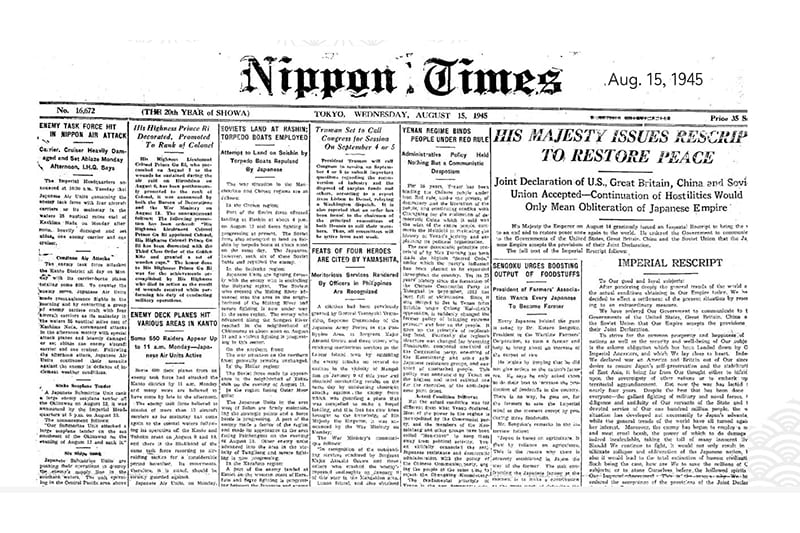
On Aug. 9, 1945, a small front-page story reported that a new type of bomb had caused considerable damage to Hiroshima.
On Aug. 15, The Japan Times reported that peace had been restored and said the continuation of hostilities would have meant the obliteration of the Empire of Japan.
The fighting was over and an uncertain new era was beginning — one that would see The Japan Times mature as a news organ and play a leading role in helping the country rebuild and prosper.
This article is part of a four-part series commemorating The Japan Times’ 130th anniversary and exploring the history of Japan’s oldest English-language newspaper.