December 01, 2025
Yamagata co-hosts event on revitalizing rural economies




Cultural creativity and community strength make city attractive

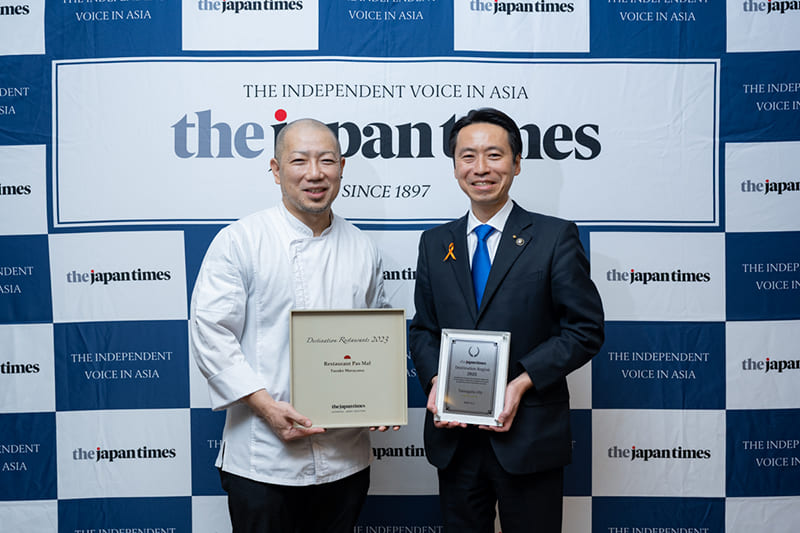
The city of Yamagata, designated as this year’s Destination Region by The Japan Times, co-hosted the sixth annual event to share experiences about revitalizing rural economies through effectively using existing resources, together with The Japan Times’ Sustainable Japan Network and the Yamagata Creative City Promotion Council.
The Destination Region program identifies municipalities that are advancing sustainable regional development from the perspectives of preserving cultural and historical heritages for future generations, fostering sustainable local economies that effectively use regional resources, and demonstrating the potential to contribute to solving regional and global challenges through their initiatives.
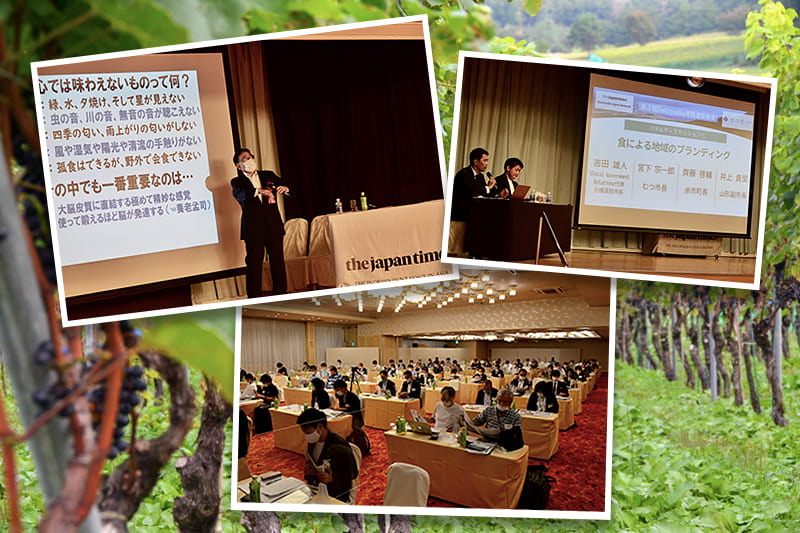
The program of Nov. 1, the first day of the two-day event, was held at the main hall of the city’s health center, featuring speeches, panel discussions and presentations focused on the creativity and community strength that make Yamagata attractive.
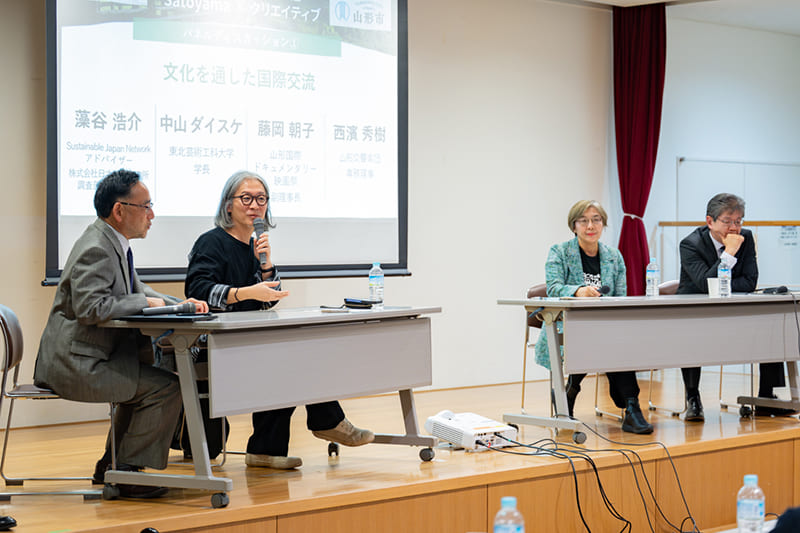
The first panel discussion featured three leading figures from Yamagata’s arts and culture scene.
Daisuke Nakayama, president of the Tohoku University of Art and Design, said the university aims for “the social implementation of art and design, rather than art for one’s own self-satisfaction.” To achieve this, the university incorporates regional social issues into its curriculum based on the belief that the challenges facing Yamagata today will also face Japan in the future. While most art universities in Japan are located in urban areas, the university is committed to testing and creating cutting-edge solutions using the region’s unique wisdom and potential, Nakayama said.
Established in 1992, the university has approximately 2,500 students and has seen a decadelong increase in applicants. “With 94% of our faculty being active professional creators, we are known for our programs that blend multiple genres,” he said.
The Yamagata International Documentary Film Festival (YIDFF), which began in 1989 with the cooperation of documentary filmmaker Shinsuke Ogawa and has been held every two years for 36 years, recorded a record-high attendance of approximately 26,000 people this year. Vice Chair Asako Fujioka emphasized that the festival focuses on direct encounters between filmmakers and the general public, including local citizens and film enthusiasts, not just film professionals. She also reported that many young people from Taiwan, Hong Kong and South Korea attended the festival this year.
“By moving between eight venues where films are shown, participants can also enjoy exploring the city,” Fujioka said. Utilizing historical buildings for some of the venues also helps to introduce the city’s charms.
The Yamagata Symphony Orchestra, the first professional orchestra in the Tohoku region, has “delivered musical experiences to 3 million children through 5,500 performances at schools over the 53 years since its founding in 1972,” said Executive Director and Secretary-General Hideki Nishihama.
The orchestra currently performs over 130 concerts annually, with “an average attendance at 97% and an audience of 100,000 people per year,” Nishihama said. He presented a survey showing that the orchestra’s activities generate an economic impact of “¥1.7 billion ($11 million) nationwide and ¥700 million within Yamagata Prefecture.” He mentioned an international exchange project with Taiwan planned for 2027, and collaborations with YIDFF and the Tohoku University of Art and Design that also are under consideration.
Initiatives aim for restoration of traditional woodlands and fields

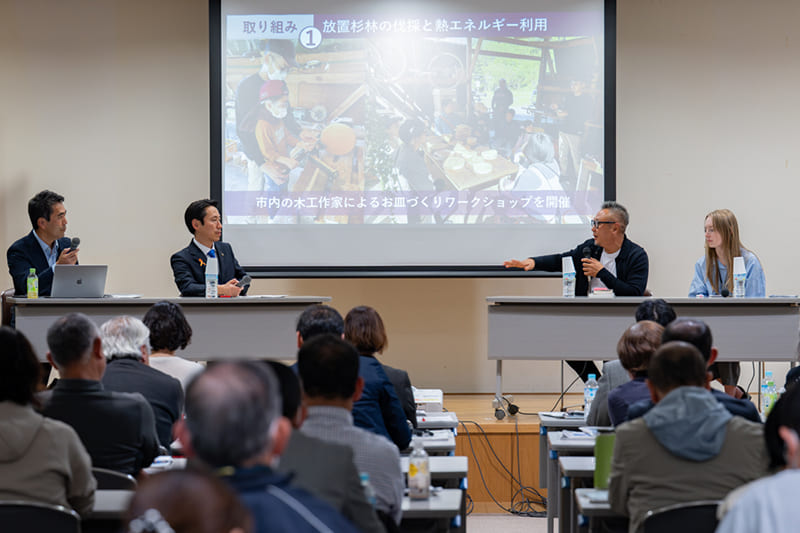
The second panel session welcomed Yamagata Mayor Takahiro Sato; Jessica Speed, a Japan Times reporter who previously was a coordinator of international relations in Yamagata Prefecture’s International Human Resources Development Support Division; and Go Matsumoto, an anthropology professor at Yamagata University.
Matsumoto introduced three initiatives that he leads for the restoration of satoyama (traditional managed woodlands). These activities began when the COVID-19 pandemic made his research trips abroad impossible, which led to his decision to move from the urban center to the mountainous area of Onigoe, where he faced various local challenges. His activities to tackle those challenges now involve around 100 people, varying widely in age, gender, nationality and occupation.
The first activity is harvesting and utilizing cedar from plantations that had been neglected due to the decline of the forestry industry. Matsumoto explained that artificial forests rely on human maintenance to preserve their ecosystem. He began logging with a chainsaw four years ago, practicing sustainable management of these plantations by utilizing the wood as firewood — that is, as a circular resource for thermal energy. Since working with nature is physically demanding, he noted, “We try to make our work enjoyable by having meals together with participants and holding events like woodworking workshops by local craftsmen.”
He also said, “If the local government provided support, such as lending essential tools like wood-splitting machines at low cost, the activity would spread further.”
Mayor Sato mentioned the recent rise in bear sightings in urban areas and said, “Activities like this contribute to the revival of satoyama areas, which have historically served as buffers between the deep mountains and areas inhabited by people.” He added, “We must consider what we can do as a local government to support these activities.”
The second initiative is the restoration of a historic trail winding through the region’s forests. This venerable path dates back to the Edo Period but in recent years had become neglected and overgrown. Matsumoto thought that the best way to rekindle local interest in the mountains and forests was to get people walking this trail. He began maintaining the path together with participants in his other activities, and now the upkeep is performed by nearby residents.
The third initiative focuses on the restoration of terraced rice fields and regional revitalization. With the area’s working population shrinking due to aging, Matsumoto called for help at the university, and many interested students gathered. They are now cultivating rice using traditional tools. “In the past, people made doburoku (unrefined sake), miso and soy sauce besides farming rice. There were local festivals, too. I want to revive and pass on the culture,” he said.
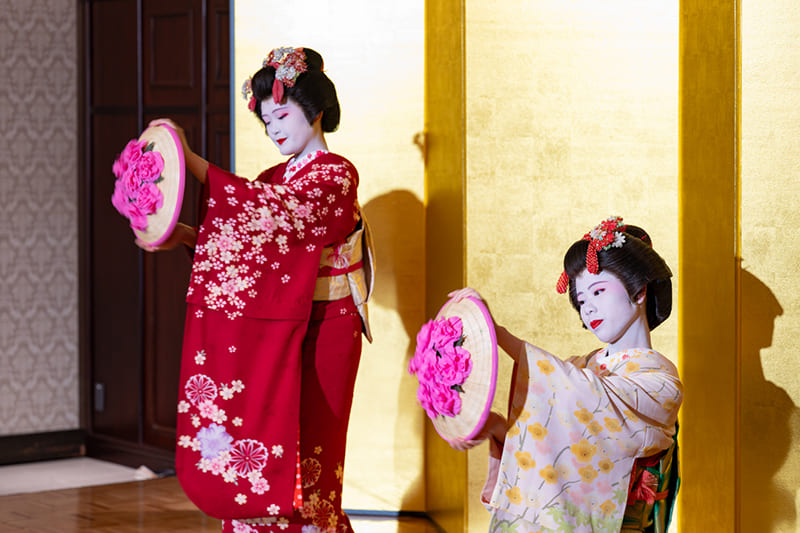
Jessica Speed said, “The various activities I tried in Yamagata, such as miko (shrine maiden) activities, wagashi (sweets) making, kokeshi doll painting, and kimono wearing, were the most enjoyable experiences of my life.” She also highlighted the region’s natural beauty, noting that it may be familiar to citizens but quite unusual to many foreigners. Her comments demonstrated how a fresh outsider’s perspective can lead to the rediscovery of local charms.
Preserving local culture
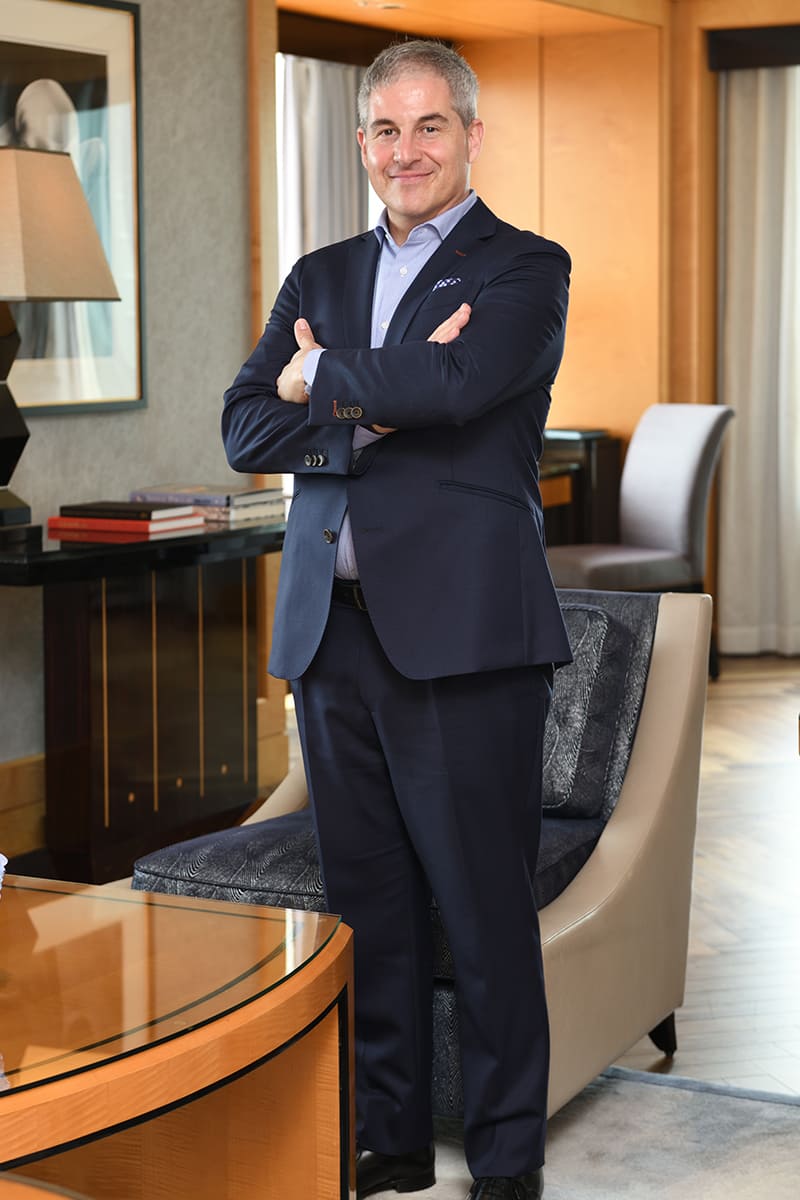
Kosuke Motani
Senior researcher at the Japan Research Institute
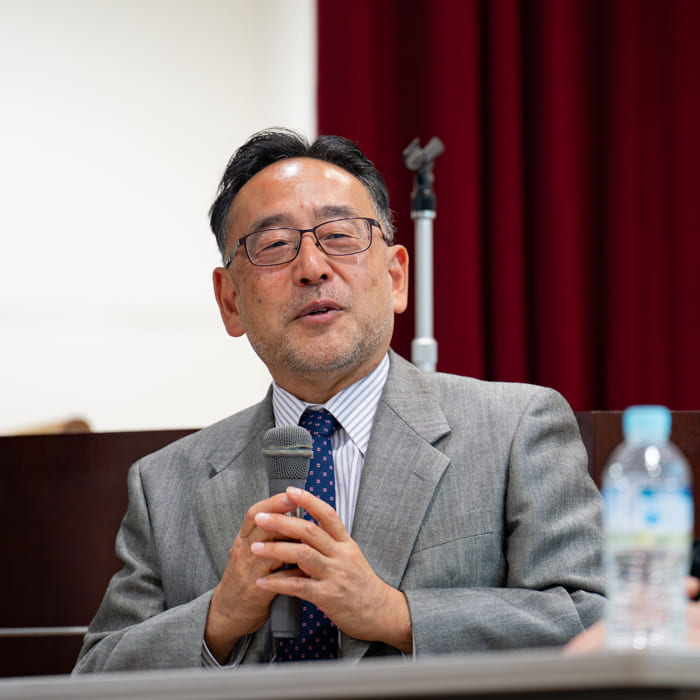
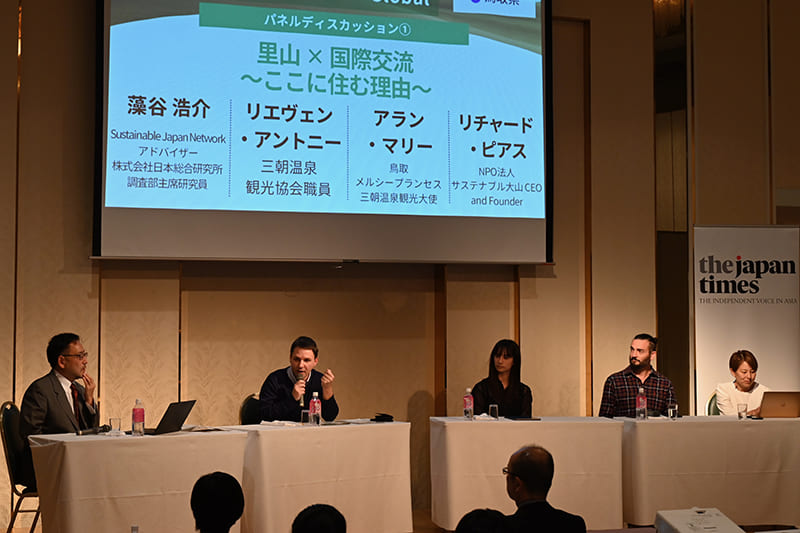
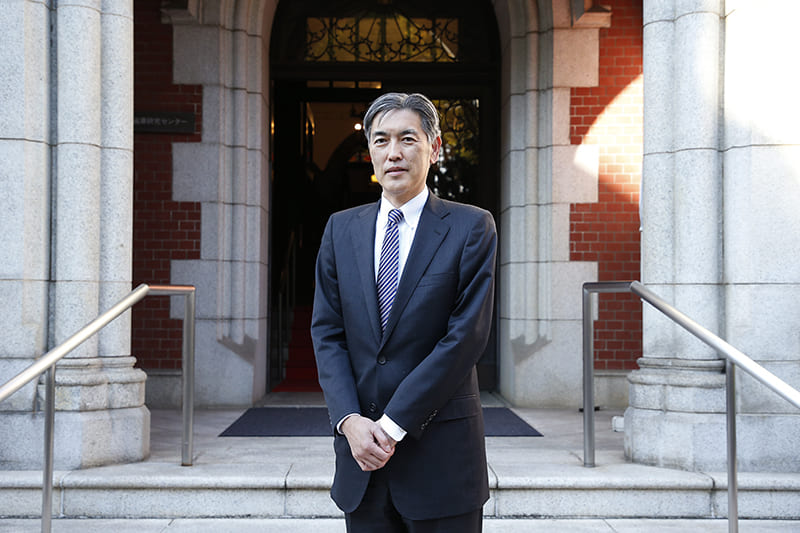
In the keynote speech that Kosuke Motani, the chief senior economist at the Japan Research Institute Ltd. and an adviser to the Sustainable Japan Network, gave, he noted that Yamagata city’s central area has been spared from war damage and major natural disasters, allowing the city to preserve its castle and numerous pseudo-Western-style structures that mostly were built in the Meiji Era (1868-1912). He noted that the efforts to renovate these historic buildings while also promoting urban development have focused on creating a walkable, livable and child-friendly city, resulting in increased pedestrian traffic and restored vibrancy.
“The city is also conscious of sustainability. Initiatives to utilize the city’s abundant groundwater as a heat source have been underway,” he said. Furthermore, he pointed out that the city is appealing from the perspective of culture and the arts, being home to a professional orchestra and an art university and hosting an international film festival.
Motani noted that mountains, rivers, waterfalls and changing seasons — things that Yamagata citizens may take for granted — are not things that can be found everywhere. “I believe regions that recognize what they have to be grateful for, rather than taking what they have for granted, will endure,” he said. “We must break free from mental isolation, reexamine our region through an outsider’s perspective, and truly appreciate what we have.”
He noted that lodging statistics show international travel to Japan is still heavily concentrated in a handful of prefectures, resulting in overtourism in certain areas. “Yamagata city still has ample capacity to welcome international visitors,” he said, noting that repeat visitors to Japan tend to appreciate subtle cultural and regional differences. “To become a region chosen by such people, a region must foster an environment suited for medium- to long-term stays, offer a warm welcome from local people and preserve its unique local culture,” he said.
City of high-value businesses
Masataka Baba
professor at the Tohoku University of Art and Design
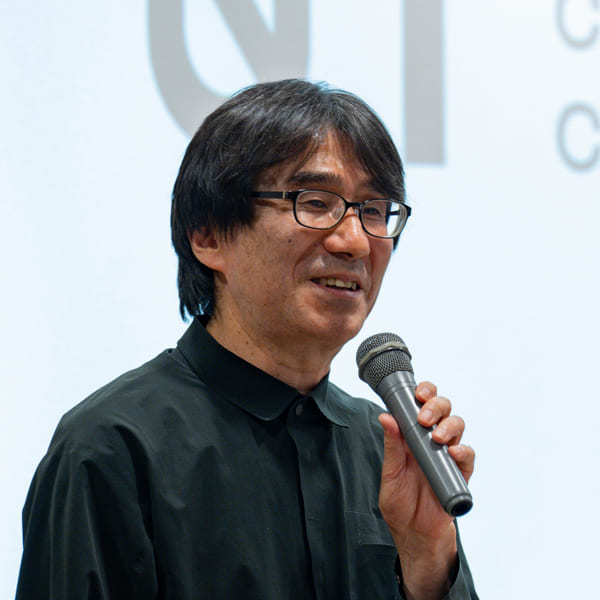
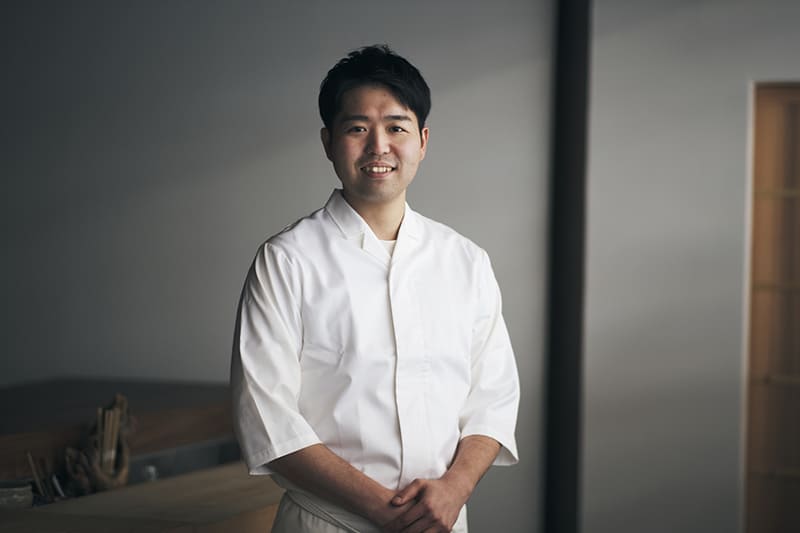
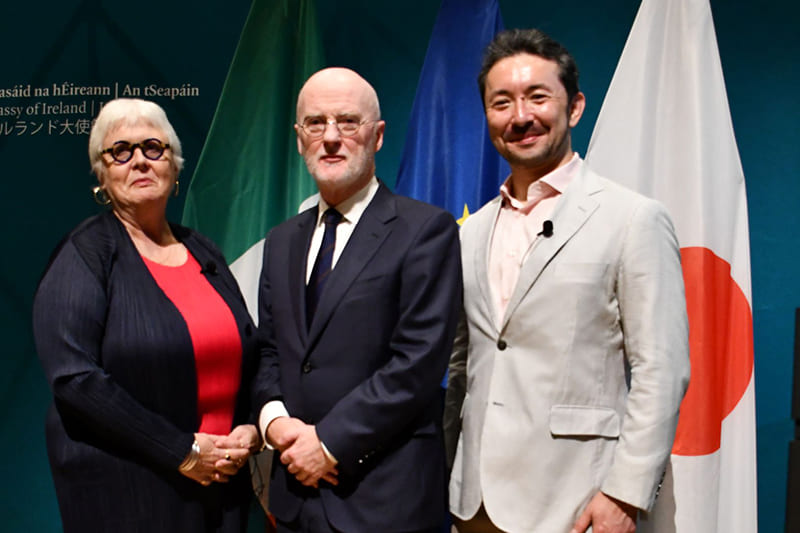
Masataka Baba serves as a professor at the Tohoku University of Art and Design in Yamagata city while also running the architectural design office Open A in Tokyo. Traveling back and forth between Yamagata and Tokyo for 10 years, he calls Yamagata his second hometown. Baba pointed out that the strength of regional cities lies in their ability to foster a large number of high-value businesses, even if many of them are small.
Three years ago, Yamagata Creative City Center Q1, a complex consisting of a marketplace, rental spaces and office spaces, opened as a place to gather such businesses under one roof and allow people to experience Yamagata’s creativity.
“We utilized the first reinforced concrete elementary school building in Yamagata city, constructed nearly 100 years ago,” said Baba, who oversaw Q1’s renovation and now serves as its representative.
The tenants are diverse, ranging from global companies to studios run by graduate students to jewelry shops, vintage clothing stores, restaurants and beauty salons. “We collaborate with local companies on product development and host hands-on events for children, such as harvesting at a local farm and then cooking the produce in Q1’s kitchen. We are also planning a furniture design competition in collaboration with a local company skilled in sheet-metal work,” Baba said.
Furthermore, the Night School program offers learning opportunities for adults, featuring lectures by diverse people including the mayor, scholars, business leaders such as a local winery’s CEO, and artists.
Baba said that through his work in Yamagata, he has recognized new possibilities and changing values that he might not have noticed if he had lived and worked only in Tokyo: “We are shifting from ownership to sharing, from centralization to decentralization, from the center to the periphery, and from hierarchy to networks. Today, connection itself is becoming a value.”
Students team for film events

Docu-Yama Youth is a team established by high school students who participated as volunteers in the 2017 Yamagata International Documentary Film Festival. Representing this team, three current students and three alumni gave a presentation about their activities.
Docu-Yama Youth has engaged in planning and managing events such as film screenings, promoting the film festival, volunteering at the festival, publishing interviews on social media and facilitating international exchanges. They noted that their screenings — starting in 2018 and held at various indoor and outdoor venues, including Q1 last April — are not just about enjoying films. They are valuable opportunities for people of all ages to exchange opinions. They reported that at this year’s film festival, they deepened exchanges with participants from both Japan and abroad and served as presenters for the Citizen’s Prize at the awarding ceremony.
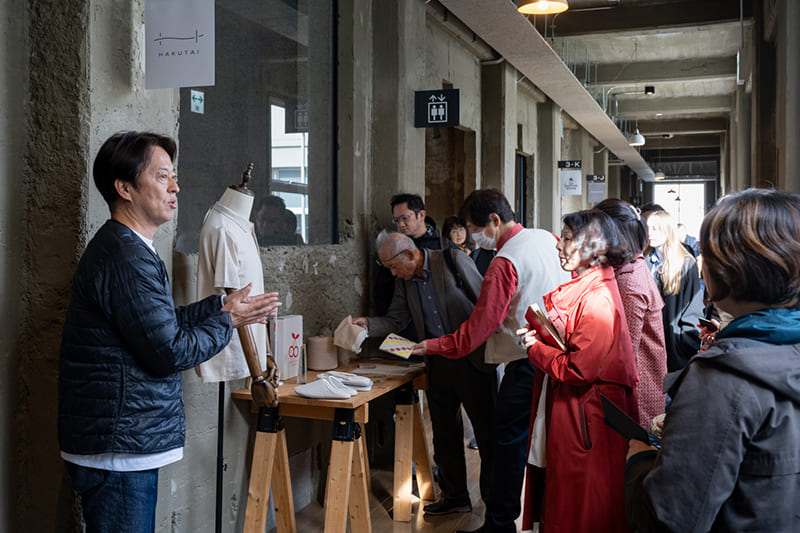
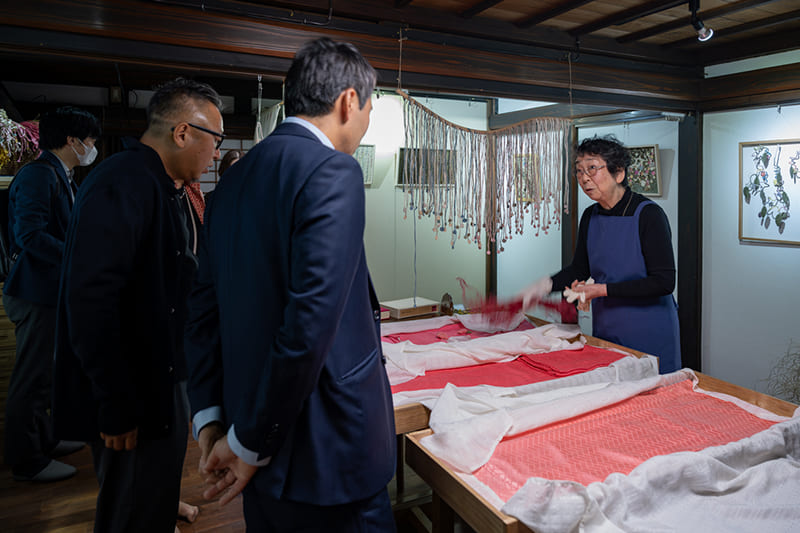
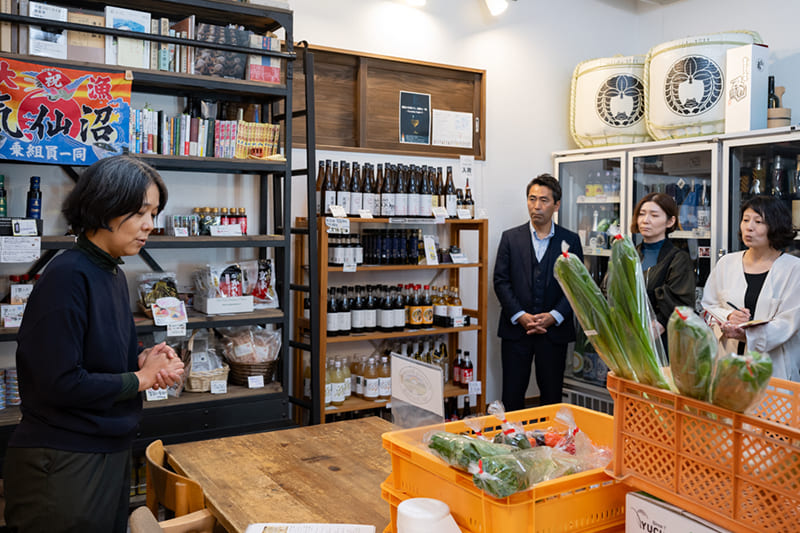
Study tour visits revitalized area, museum, Q1, studios
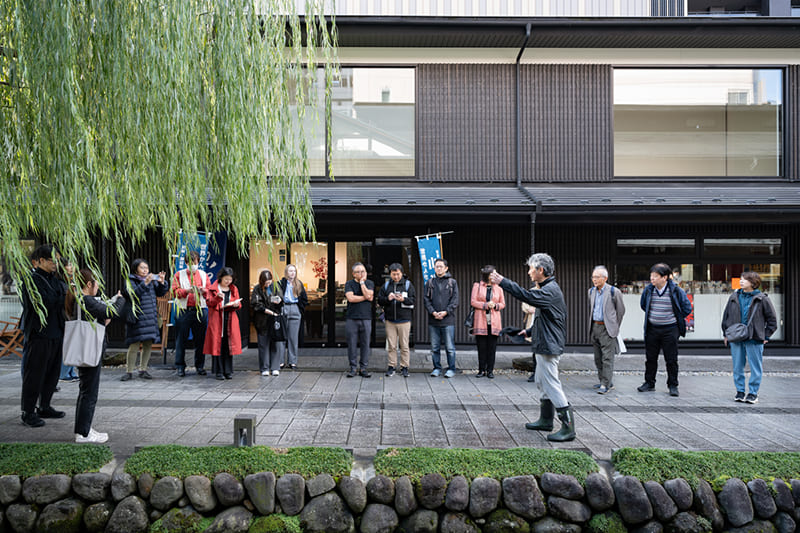
On the second day, 20 people participated in a study tour. The group first headed to Nanukamachi Gotenzeki, a revitalized townscape built along Gotenzeki, one of five irrigation channels in the city constructed approximately 400 years ago. Next, they visited the Yamagata City Local History Museum, a pseudo-Western-style structure originally built as a hospital in 1878.
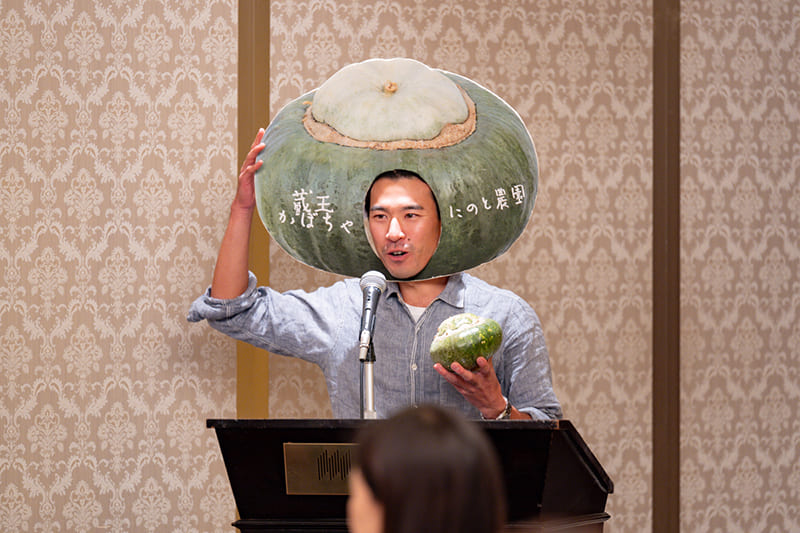
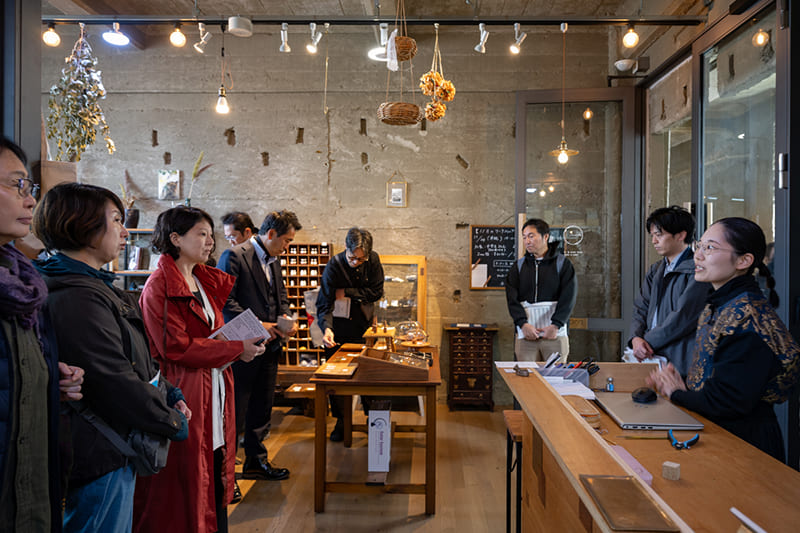
After next touring Q1, the group had lunch at the marketplace Michi no Eki Yamagata Zao, enjoying Yamagata’s specialty, imoni (taro stew), while Takuya Sato of the farm Sato Nouen told of how he has spread imoni culture overseas by serving locally adapted versions in countries like India.
In the afternoon, they visited the Hirashimizu district, where they toured the Shichiemongama ceramic studio, which preserves the 200-year history of Hirashimizu pottery, the Kameya natural dyeing studio, which grows its own plants for its dyes, and La Jomon, a liquor store that sells only junmai-shu, sake with no added alcohol.
Social gathering