March 02, 2026
Art of barrel-brewed soy sauce revived for future generations
Sustainable Japan Award: Satoyama Excellence Award




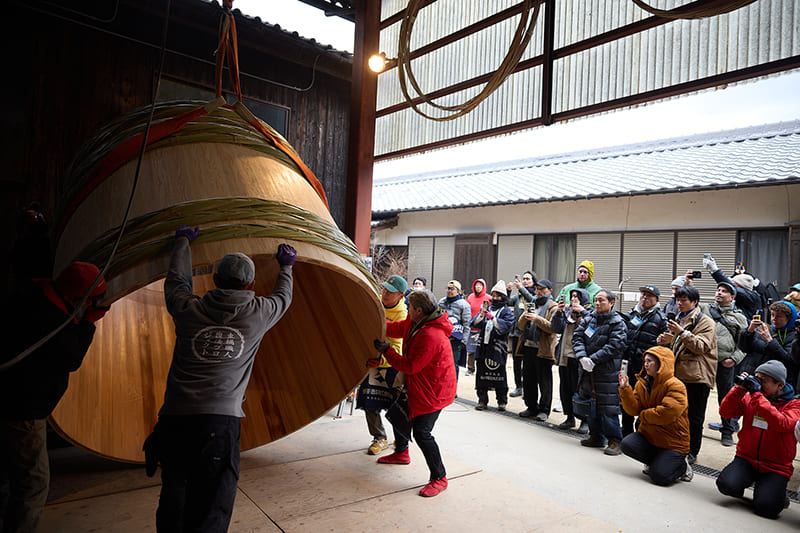
On the island of Shodoshima in western Japan’s Kagawa Prefecture stands Yamaroku Shoyu, a small soy sauce brewery with a history of more than a century that is one of the few still brewing shōyu in traditional wooden barrels, known as kioke.
UNESCO recognized traditional Japanese cuisine, or washoku, as an Intangible Cultural Heritage in 2013. Soy sauce — a cornerstone of that tradition — was once brewed entirely in wooden barrels.
Although the soy sauce industry remains Japan’s largest user of wooden barrels, kioke shōyu accounts for only about 1% of total production.
This decline reflects a postwar shift in which rapid economic growth placed efficiency and cost reduction above tradition, and stainless steel and plastic tanks replaced wooden barrels as the industry standard.
“Our mission is to preserve authentic kioke shōyu for our children and grandchildren, and to pass it on to future generations. That is our management philosophy — and what I hope to accomplish in my lifetime,” said Yasuo Yamamoto, president of Yamaroku Shoyu, which received the Excellence Award in the satoyama category of The Japan Times’ Sustainable Japan Award 2025.
Within its traditional kura — a centuries-old wooden storehouse used for fermentation — yeast and lactic acid bacteria inhabit the beams, earthen walls and floors, forming a microbial ecosystem unique to the brewery. This invisible community shapes the depth, aroma and character of the finished soy sauce.
“Each brewery, each wooden barrel produces a flavor that cannot be replicated elsewhere,” Yamamoto said.
Wooden barrels can last for over a century, and as production of kioke shōyu has declined, the demand for coopers — the craftsmen who build and maintain them — has diminished significantly.
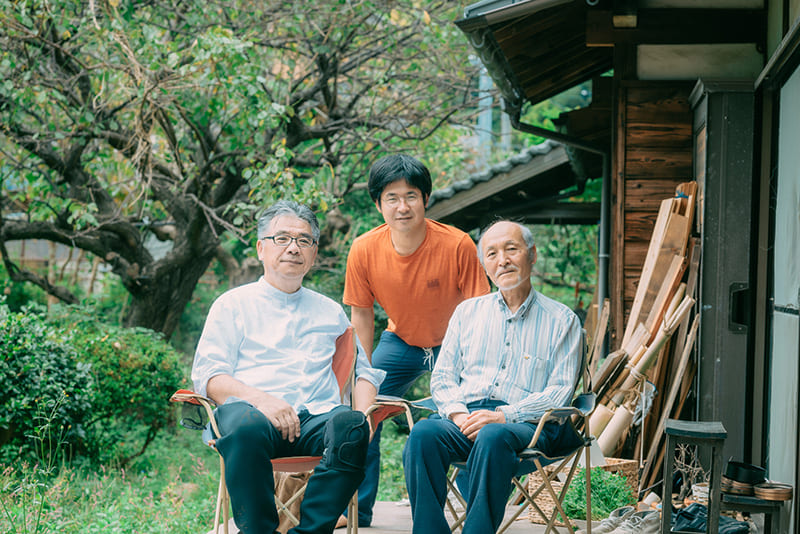
In 2009, Yamamoto placed an order for new wooden barrels with what was then the last remaining cooperage in Osaka. What he learned underscored the gravity of the situation: It was the first order for new wooden soy sauce barrels that the workshop had received since World War II. The cooperage’s 78-year-old master craftsman warned that it could not continue making soy sauce barrels indefinitely. “You will need to repair your own,” he told Yamamoto.
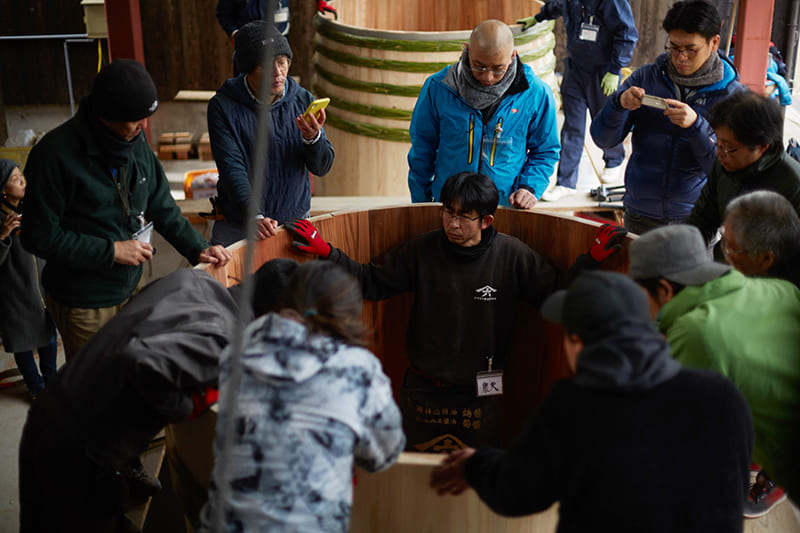
With the prospect of coopers abandoning their trade becoming increasingly real, Yamamoto launched the Kioke Craftsmen Revival Project, an initiative aimed at preserving and passing on the skills required to build and maintain traditional wooden barrels.
When the remaining master cooper retired, the specialized techniques required to construct the soy sauce barrels could be lost altogether and wooden barrels would eventually vanish from the production of soy sauce across Japan. Yamamoto began learning the craft of barrel-making, stepping directly into the effort to preserve the skills.
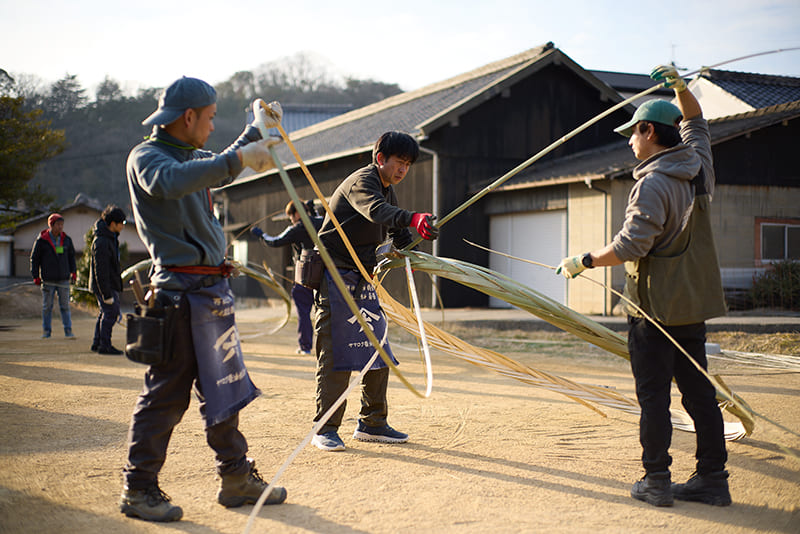
The unusual situation of a soy sauce producer constructing its own barrels drew media attention, and Yamaroku Shoyu’s sales increased. Yet Yamamoto soon recognized a deeper structural issue.
“If our kioke shōyu alone continues to sell well, we will only be placing a greater burden on future generations,” he said. “With the market share for kioke shōyu at just 1%, even if our company grows, there still won’t be enough work for coopers.”
Yamamoto therefore shifted his thinking. Rather than competing for a share of the existing market, he set a goal of expanding it.
He began reaching out to breweries across Japan that continue to brew soy sauce in wooden barrels, launching an initiative to build barrels together each year. By encouraging mutual improvement, he believes, the collective value of kioke shōyu can rise, expanding the market and creating stable work for coopers.
At the same time, Yamamoto is seeking to elevate the presence of kioke shōyu in global markets. Overseas, soy sauce is often regarded simply as a mass-produced industrial condiment. He instead positions kioke shōyu alongside wine or whisky as an artisanal fermented and aged product shaped by time, materials and craftsmanship.
There are multiple varieties of soy sauce, differing in color, aroma and suitability for particular dishes. Yamamoto compares them to wine — lighter styles pairing delicately and darker varieties complementing richer foods — to convey the complexity and individuality of kioke shōyu.
Today, a consortium of 28 companies promotes kioke shōyu internationally, aiming to raise domestic production to 2% and establish a 1% presence in global markets.
“The one thing that must never change is the wooden barrel,” Yamamoto said. “This is about asking what we can do for the next generation. The results may only become visible after I am gone, but that, in itself, is where the romance lies.”