December 08, 2025
Yamagata: Eco-friendly tradition, regeneration




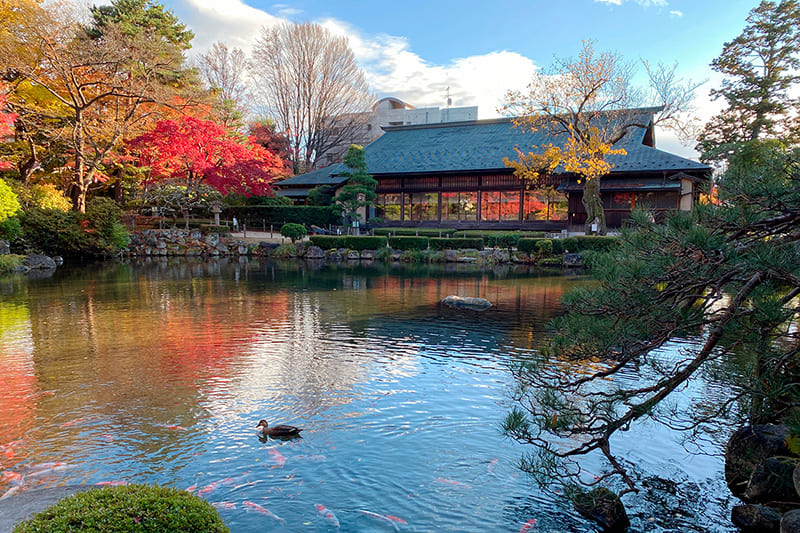
The 6th Satoyama Practitioners Networking Event will be held on Nov. 1 and 2 in the city of Yamagata, which was selected this year as a Japan Times Destination Region — a new initiative to recognize Japanese municipalities that are contributing to regional sustainability.
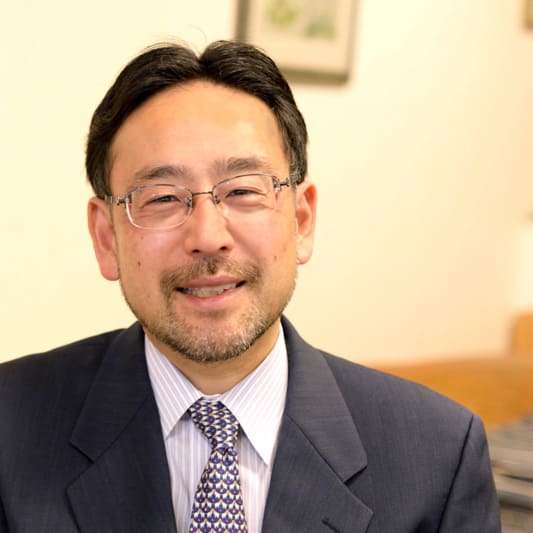
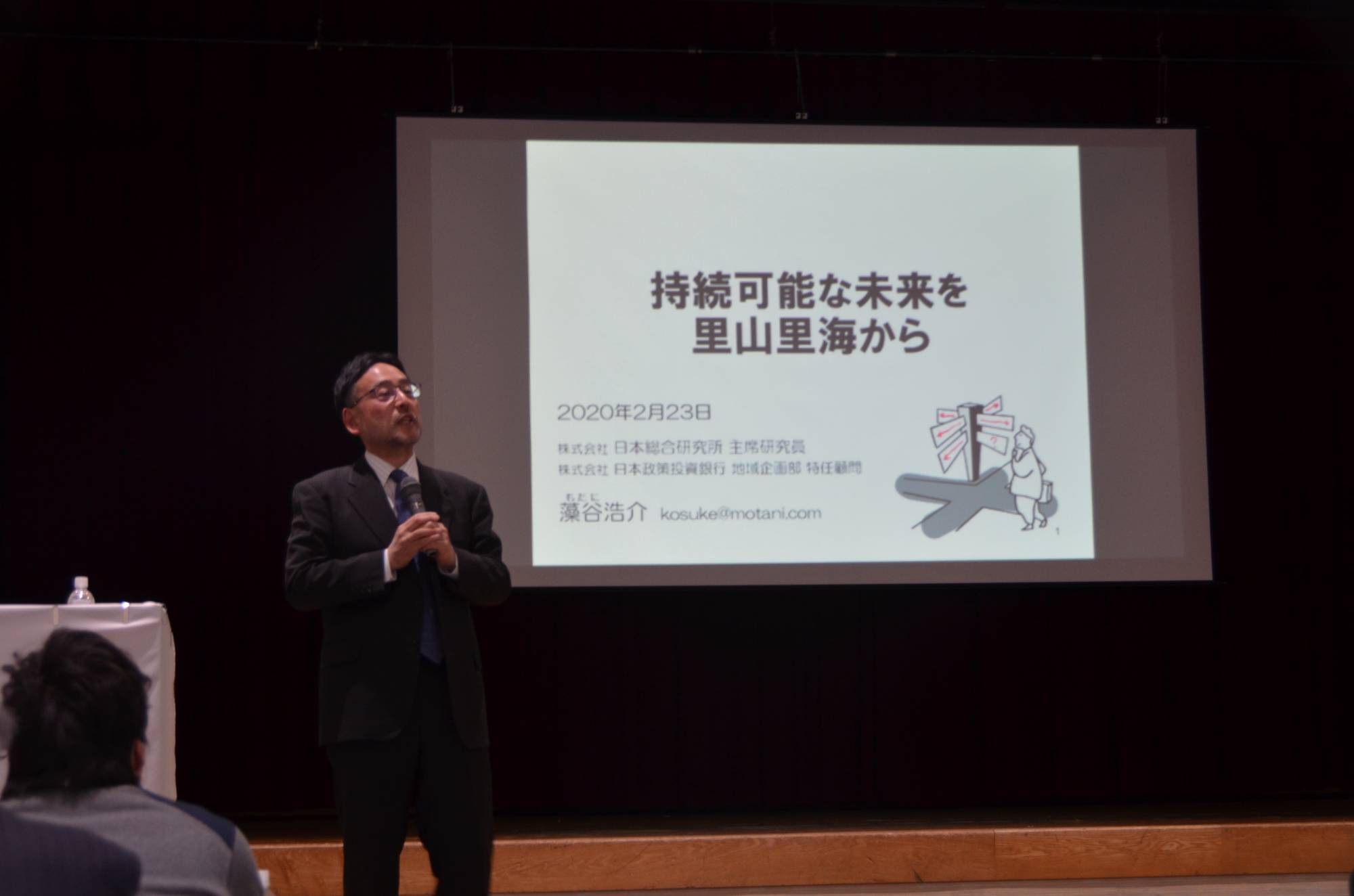
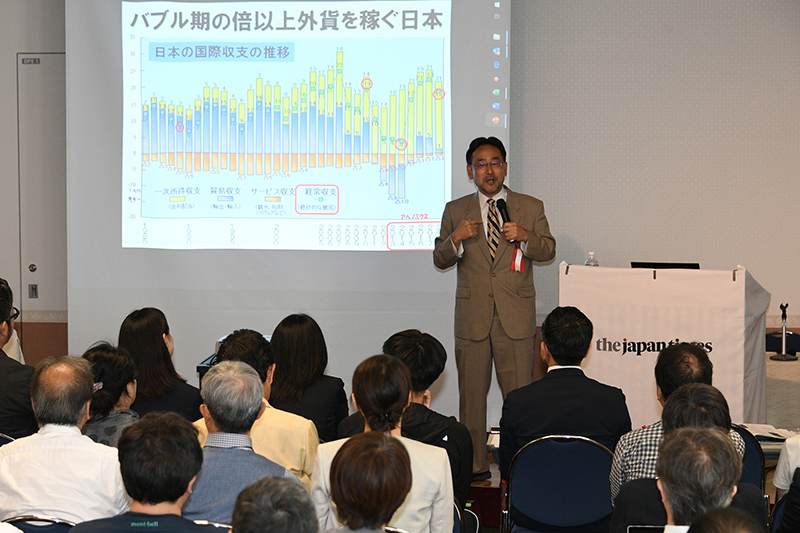
Kosuke Motani, the chief senior economist at the Japan Research Institute Ltd. and an adviser to The Japan Times’ Sustainable Japan Network, advises the initiative. Key points for selection include a commitment to passing on cultural and historical heritage, the pursuit of a sustainable economy and community through the use of local resources, and the potential to contribute to solving regional issues in Japan and globally.
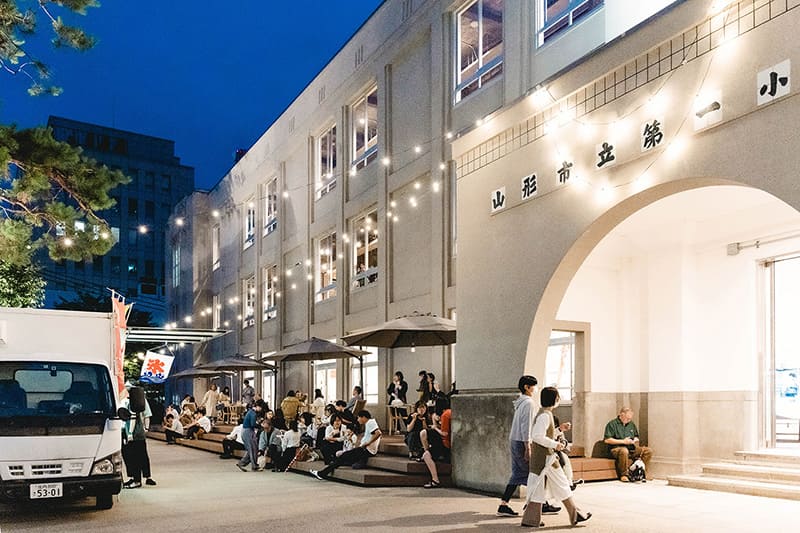
Motani highlighted how Yamagata nurtures its culture by preserving its heritage. Many pseudo-Western-style structures built during the Meiji Era have been renovated, including the one that now houses the Yamagata City Local History Museum. Historic townscapes, many featuring irrigation canals, have also been preserved and incorporated into the city’s urban development.
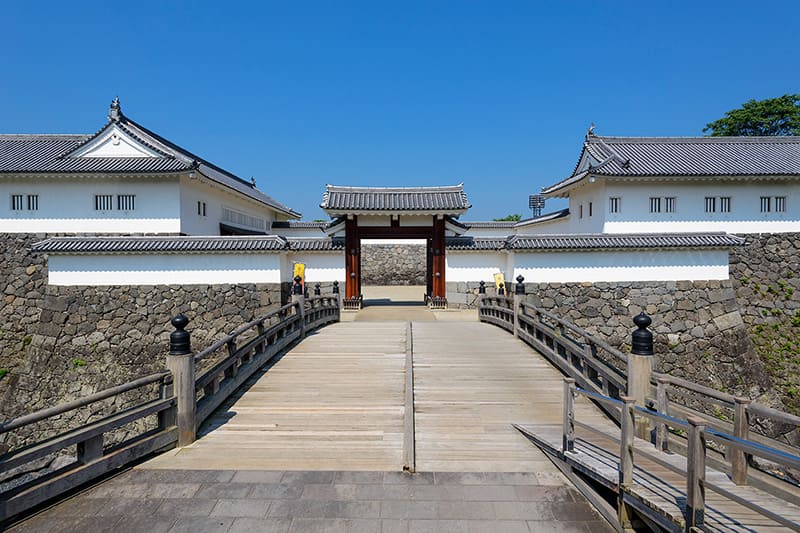
Efforts are underway to revitalize the historic castle area into an enjoyable and easily walkable district, and the number of pedestrian visitors accordingly increased from 22,400 in 2019 to 25,100 in 2024. Efforts to create a walkable urban environment elsewhere as well are among various city initiatives that likely contributed to citizens’ healthy life expectancy increasing by 0.86 years for men and 0.61 years for women from 2013 to 2022, and average life expectancy has also increased.
Yamagata is known as a city of ramen, not just for its many ramen shops but also because many soba restaurants traditionally serve ramen as well. Another well-known delicacy is imoni, a taro stew cooked in large pots and enjoyed not only at home but also in groups at open spaces like riverbanks, a culinary tradition that has been preserved for nearly 400 years.
Motani also said Yamagata’s pursuit of a sustainable regional economy and community through leveraging local resources is noteworthy. “The city is collaborating with Tohoku University of Art and Design to advance projects to renovate existing buildings,” he said. “In particular, I think the development of student dormitories using old buildings in the city center is a pioneering approach.”
On the cultural front, the city is home to the Yamagata Symphony Orchestra, one of the 40 in the Association of Japanese Symphony Orchestras. The Yamagata International Documentary Film Festival, held since 1989, attracts filmmakers and participants from all over the world. Yamagata has been a member of the UNESCO Creative Cities Network in the film category since 2017.
In terms of education and child care, the city operates the Yamagata City Library and its four branches as well as facilities like Copal, a playground designed to welcome every child regardless of ability or background. It also runs consultation services to provide support for parents and families in collaboration with the nonprofit Florence.
Yamagata has also been trying to utilize natural resources more effectively. The central part of the city is in a basin that experiences heavy snow in winter and intense heat in summer, but its location on an alluvial fan also provides abundant groundwater that is used to melt snow on the streets in winter and cool road surfaces in summer. Furthermore, the city has introduced “groundwater-based air conditioning systems” in municipal facilities. Since groundwater maintains a stable temperature, unlike the outdoors air used by conventional air-conditioning systems, using groundwater for cooling in summer and heating in winter saves energy.
Motani said these initiatives have the potential to contribute to solving regional issues not only in Japan but also around the world. “As urban decay progresses globally in car-centric societies, Yamagata’s approach of directly addressing this through the regeneration of pedestrian spaces should serve as a model. At the same time, its efforts to promote seismic retrofitting of existing buildings and to renovate them for reuse stand out among other cities,” he said. He also highly praised the city’s eco-friendly initiatives utilizing local resources, as well as its focus on cultural richness and diversity.