February 02, 2026
Die caster Ryobi forges transformation in auto industry




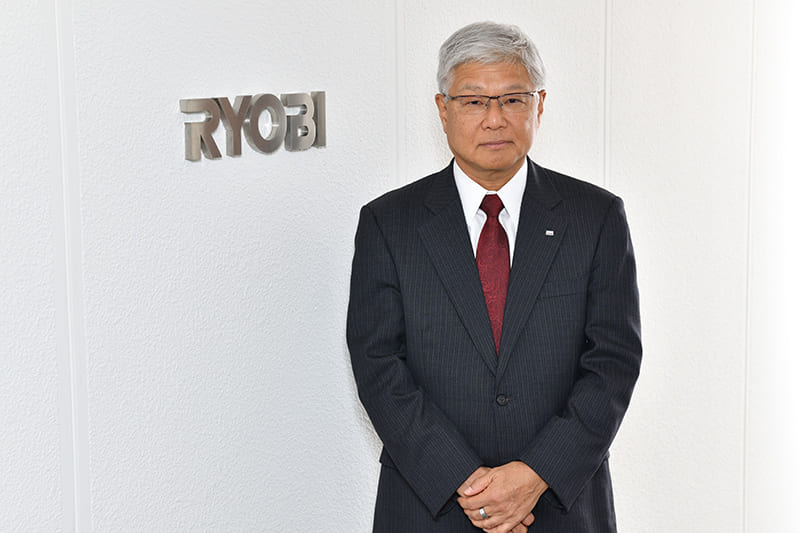
The Ryobi Group established a corporate philosophy long before the concept became popular, guiding them over decades.
Ryobi’s philosophy, “Create a sound and dynamic corporation through technology, trust and challenge,” has taken root at the leading die-casting company, encouraging a culture of innovation, customer responsiveness and risk acceptance rather than just staying a subcontractor to large manufacturers.
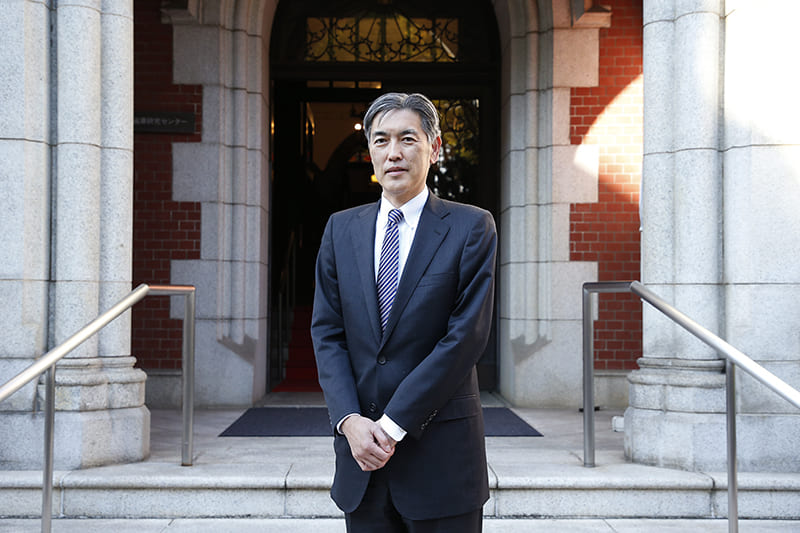
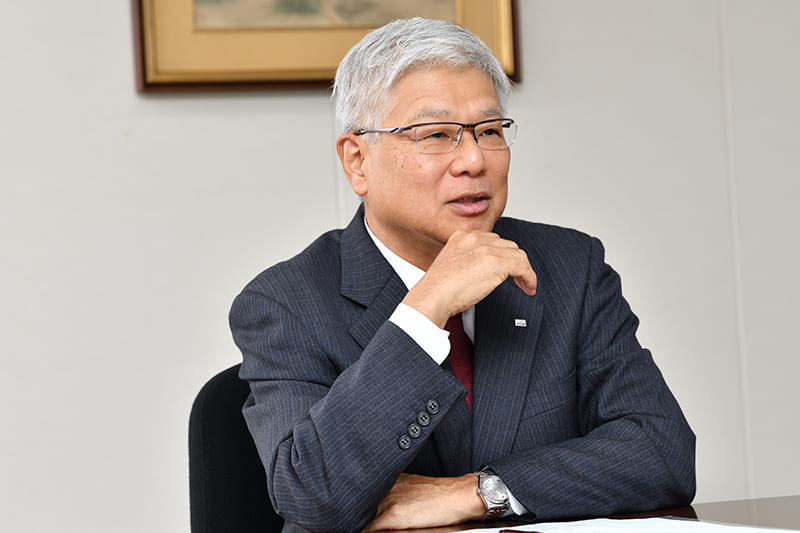
“I believe it is very important to encourage a ‘challenging spirit’ as a principle that leads our colleagues,” Ryobi Ltd. President and CEO Akira Urakami said in a recent interview, part of a monthly series by Naonori Kimura, a partner for the consulting firm Industrial Growth Platform Inc. This corporate culture has affected the path to growth for the company, which started in 1943 and has now extended production to the United States, Mexico, the U.K., China and Thailand.
Examples of initiating new ventures came when Ryobi widened its product lineup to power tools, builders’ hardware and fishing tackle in the 1960s, drawing on its expertise in die casting — in which a precision mold is filled with molten metal under high pressure — and when it started to develop its business overseas around 1990.
But it later decided to concentrate again on its base of die casting products, such as automobile components, after the negative effects of allocating its resources too broadly arrested its growth. “We decided to return to our core competence,” said Urakami, adding that the diversification had created a kind of “conglomerate discount,” a phenomenon in which poor performance by some group members drives the overall corporate value lower than the sum of its units.
It sold off some subsidiaries and withdrew from others. As of December 2024, die casting accounted for 88% of its overall sales, while builders’ hardware and printing equipment accounted for 4% and 8%.
Another example of its proactiveness came just last March, amid the auto industry’s upheaval in the face of increasing electric vehicles when, as a specialized die-casting manufacturer, launched Japan’s first ultralarge die-casting machine.
Such “giga casting” has gained global attention as a game changer in the industry since Tesla introduced the technology in its mass production of electric vehicles. The method for producing huge parts in seamless single pieces is capable of drastically reducing the number of components and boosting productivity. It also makes the vehicle lighter, which can reduce carbon emissions.
Currently, electric vehicle makers in China as well as major automakers in the United States, Europe and Japan are planning to introduce the method.
Ryobi launched the giga casting machine at a factory in Shizuoka Prefecture to manufacture prototypes of automotive components such as chassis and battery casings through integrated die-cast molding.
“In anticipation of the coming new era of manufacturing, Ryobi will thus continue to take on new challenges as a leading die casting company, with the aim of achieving sustainable growth,” Urakami said in a top message on the company’s website.
Ryobi sees the giga casting technology as a tool to create car prototypes and as proof of its skills rather than as a major tool for mass production just now, since there are still lingering issues such as the costs of transporting and maintaining them and the technical challenges involved in making such large products, Urakami said.
Ryobi sees the die-casting market as having strong potential. As for its long-term goals toward 2035, it aims for ¥450 billion ($2.8 billion) in sales, ¥27 billion in ordinary income and a return on equity (ROE) of more than 9.0%. For the business year that ended in December 2024, it logged ¥293.3 billion in sales, up 3.8% from the previous year, and ¥11.6 billion in ordinary income, down 16.7%, and the ROE was 4.4%.
Die casting usually involves nonferrous metals such as aluminum. “Aluminum die casting is lighter and more flexible than steel, making it possible to realize a variety of component forms and functions,” Urakami said. Ryobi, which currently produces car components including cylinder blocks, transmission cases, subframes, other chassis parts and electric car parts, expects the demand for die casting to grow further by applying the technology to produce huge body and chassis components that have been made by steel stamping so far.
“Moreover, aluminum is recyclable and sustainable. That’s why die casting is stealing a lot of attention around the world,” Urakami said. Ryobi uses an aluminum alloy called ADC12, commonly used for manufacturing automotive parts, and sources nearly all of the aluminum through the recycling of scrapped car parts like radiators and engines as well as construction materials. Producing the alloy from recycled aluminum requires only about 3% of the energy needed to produce virgin aluminum ingots from bauxite, Ryobi says, and the metal can eventually be recycled again, with the process repeating for an indefinite number of rounds.
Other initiatives by Ryobi to reduce carbon emissions include the introduction of energy-saving facilities, getting electricity from renewable sources such as rooftop solar panels and hydroelectric power, transitioning from heavy oil to low-carbon fuels like natural gas and replacing fossil fuels with nonfossil energy sources.
Ryobi targets a waste recycling rate of at least 99%, and the company actually achieved a rate of 99.6% in fiscal 2024, with efforts to further reduce the amount continuing through rigorous waste separation. The company’s various other environmental efforts begin close to home, with employees and their family members participating in cleanups of rivers and seashores near its plants.
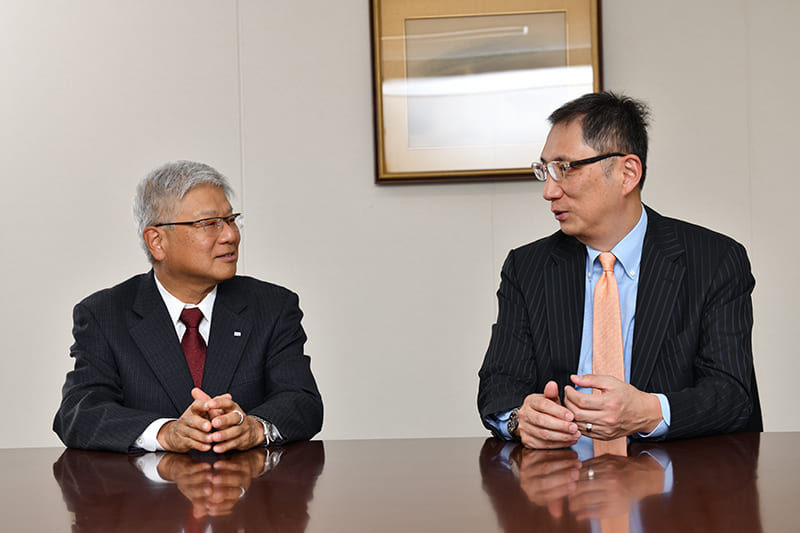
Urakami said that increasing motorization in emerging countries is likely to boost demand for aluminum and die casting, outweighing predictions of Japan’s auto market shrinking due to depopulation. The favorable prospects for aluminum is another reason to justify an optimistic market forecast for aluminum die casting.
In the future, Ryobi expects that digital transformation can improve its efficiency, for example by introducing digitalization to adjust casting machines as well as automating processes involved in casting, inspecting and transporting products.
“Digital transformation will eventually contribute to cost reductions as well as shorter lead times taken during the process of development of products up until they are delivered to customers,” Urakami said.
Naonori Kimura
Industrial Growth Platform Inc. (IGPI) Partner
Ryobi’s corporate philosophy is built on the foundation of “technology, trust and challenge.” While it goes without saying that Ryobi’s core competencies lie in its advanced technological capabilities and strong relationships of trust with customers and society and that the company has established itself as a top runner in aluminum die casting in Japan, it is particularly interesting that it includes “challenge” as part of its core values. This is truly part of the company’s nature, as evidenced by its history of boldly pursuing new businesses and making swift, focused decisions in response to changes in the business environment, which has driven its growth to this day. The company’s main business is a crucial part of the automotive industry, which is currently undergoing a major transformation toward coexistence with a sustainable society. As the ELV (end-of-life vehicle) directive is strengthened in Europe and the need for lighter vehicle bodies due to electrification continues to grow, the presence of aluminum is expected to become even more significant. While Ryobi’s technology and trust, cultivated over a long history, are powerful advantages, the automotive industry itself is also undergoing dramatic changes due to the rise of new electric vehicle players and various technological innovations. These present new challenges for Ryobi as well. There are high expectations for how the company will continue to evolve amid intense competition.