January 19, 2026
Japan’s plastic habit may open door for aluminum cans




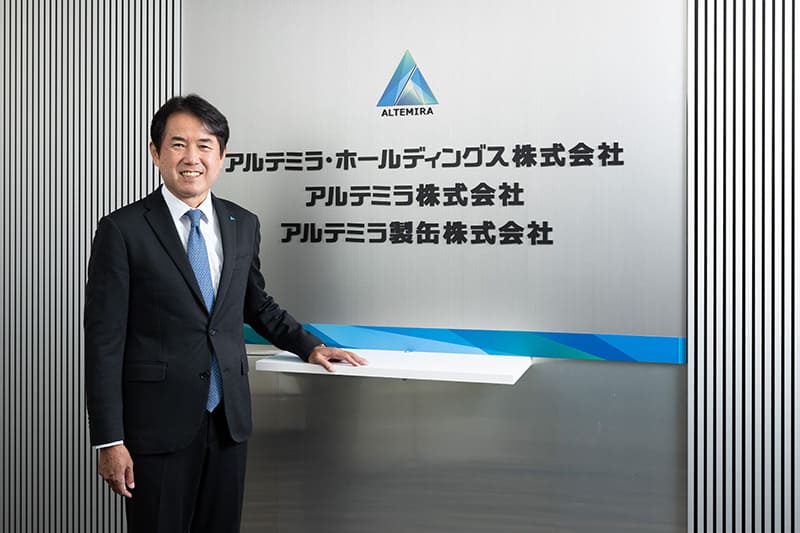
Although global awareness of plastic pollution has been growing rapidly in recent years, the issue seems less pressing to Japanese. Yet precisely because of this, the domestic market may have large potential for alternative containers — in particular, aluminum cans.
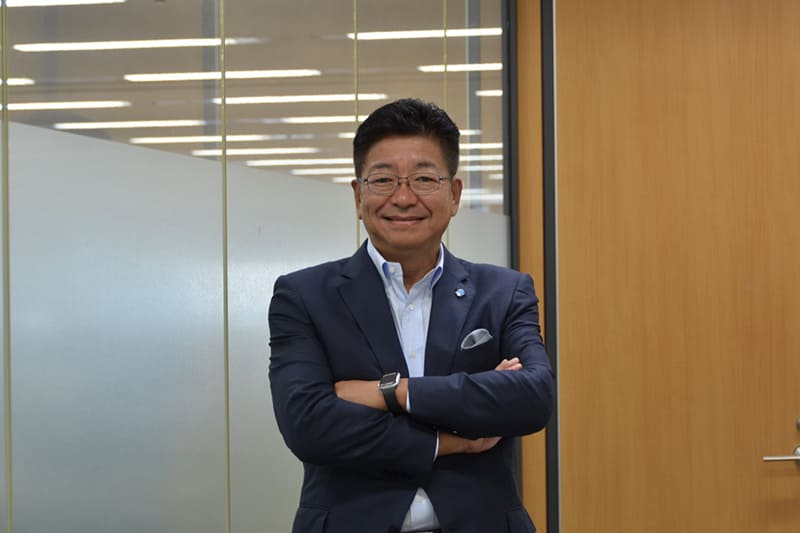
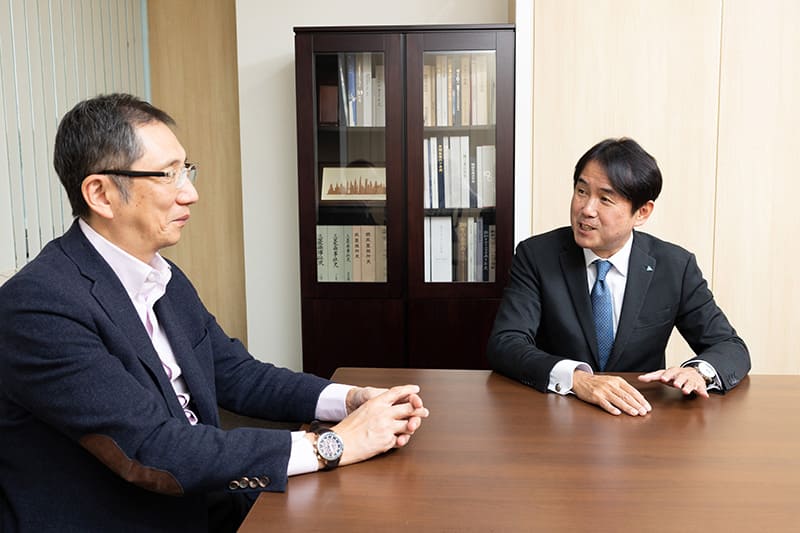
“Shifting from PET bottles to cans has now become a global trend. If the Japanese market sees the same phenomenon, I believe the demand for aluminum will grow further,” said Teruaki Nakatsuka, president and group CEO of Altemira Holdings, a vertically integrated group of aluminum can makers and other aluminum businesses, in a recent interview, part of a monthly series by Naonori Kimura, a partner for the consulting firm Industrial Growth Platform Inc.
Currently in Japan, plastic bottles are slightly preferred over aluminum cans. About 25 billion bottles are made from plastic annually, while 20 billion cans are made of aluminum and another 5 billion cans are produced from steel, according to Nakatsuka. “The situation is quite peculiar in Japan compared to other countries,” he said.
Nakatsuka said Japanese people’s favoring of PET bottles is based on a lack of deep understanding of the fact that the plastic could wind up polluting the environment.In addition, many believe that their efforts to recycle plastic bottles pay off, mitigating the negative impact on marine and land environments. But in fact, recycling has a limit, he said.
Another reason why major Japanese beverage companies are still selling drinks in plastic bottles is that they have already set up their own facilities to manufacture these bottles, he added.
As people around the world learn more and more about plastic waste flowing into oceans and threatening marine life, and about exposure to microplastics in humans that could lead to potential health issues, countries across the globe are moving to restrict the usage of plastic containers and wrapping.
Currently, merely 9% of the overall plastic waste in the world is widely believed to be recycled. The remaining is either incinerated, sent to landfills or thrown away and therefore could end up entering waterways and oceans.
Nakatsuka said Europe and the United States have already begun switching from plastic bottles to aluminum cans. At business meetings and conferences in these regions, attendees now receive water in cans or paper cups rather than plastic bottles.
One major recent symbolic move was a ban on single-use plastic at the 2024 Olympic Games in Paris as part of efforts to tackle the global plastic pollution crisis. Visitors refilled their own beverage bottles with tap water, while Coca-Cola — the American beverage giant that was a designated sponsor of the Paris Olympics — distributed its products in reusable plastic cups with a deposit.
The problem of plastic pollution in oceans and elsewhere has gone so far as to prompt some local governments abroad to take legal action against corporate giants. In the U.S., Coca-Cola and PepsiCo faced lawsuits in the past two years that claimed the soda and drink makers mislead consumers about their role in plastic recycling. Meanwhile, the state of California sued oil giant Exxon Mobil in 2024, accusing it of deceiving the public about the effectiveness of plastic recycling and the extent of plastic pollution.
Some experts note that plastic bottles can only be recycled into another plastic bottles two or three times, as plastics degrade during the process of recycling, but glass bottles or aluminum cans can be recycled into another one repeatedly, as they are melted down into their base material. “If you think about the life cycles, aluminum has much less impact on the environment,” Nakatsuka said.
In addition to expectations that Japan can gain deeper understanding of recycling, the potential of the aluminum market in Japan is appealing because of the recent consolidation in the aluminum industry, which had been ripe for further business efficiency for a long time, he said.
Altemira Co. was established in July 2022. Under the initiative of the U.S.-based private equity investment company Apollo Global Management Inc., Altemira Co. renamed from Showa Aluminum Can Corp., Altemira Can Co. changed from Universal Can Corp. and three other companies — Hanacans JSC in Vietnam, the rolling, foil and extrusion company Sakai aluminum Corp. and MA Aluminum Corp. — were integrated as Aluminum Group Co.
Apollo expected the merger to afford the new aluminum group stronger power in price negotiations with major beverage makers. Unlike U.S. can giants, such as Ball and Crown, Japanese aluminum can makers in the past had a weaker position in the industry and failed to propose higher prices amid the long-lasting deflationary trend in Japan.
“After a period of deflation, moves of passing margins to prices were gradually starting in Japan,” propelled by the increasing prices for energy and raw materials, Nakatsuka said. The new group also gained synergy of procurement, he added.
When the newly consolidated company started, what its leaders featured first was setting a corporate purpose. “We kicked off our group by forming a purpose, as we were created from five different companies,” Nakatsuka said. The purpose is “With aluminum technology, a future with dreams.”
Creating a new company name was also important to Nakatsuka, he said. The name Altemira comes from the “al” in aluminum, “te” in technology and “mira” in the Japanese word “mirai,” meaning “future.” The corporate name shows their hope that the strong desire of the five group companies will strive toward “a bright future with aluminum.” The company website says, “As a specialized manufacturer of aluminum cans as well as rolls, foils, and extrusions, we are well versed in the appeal of aluminum which is quite sustainable material.”
At the launch of the new group, they also streamlined and updated the personnel management system. The major reform was ending the conventional seniority system and launching a globally adopted system that makes job descriptions central to human resource management.
Nakatsuka also sees business opportunities in other countries. “Our technology has gained a footing in Vietnam, and we’d like to find similar markets in the future whenever we have a chance,” he said.
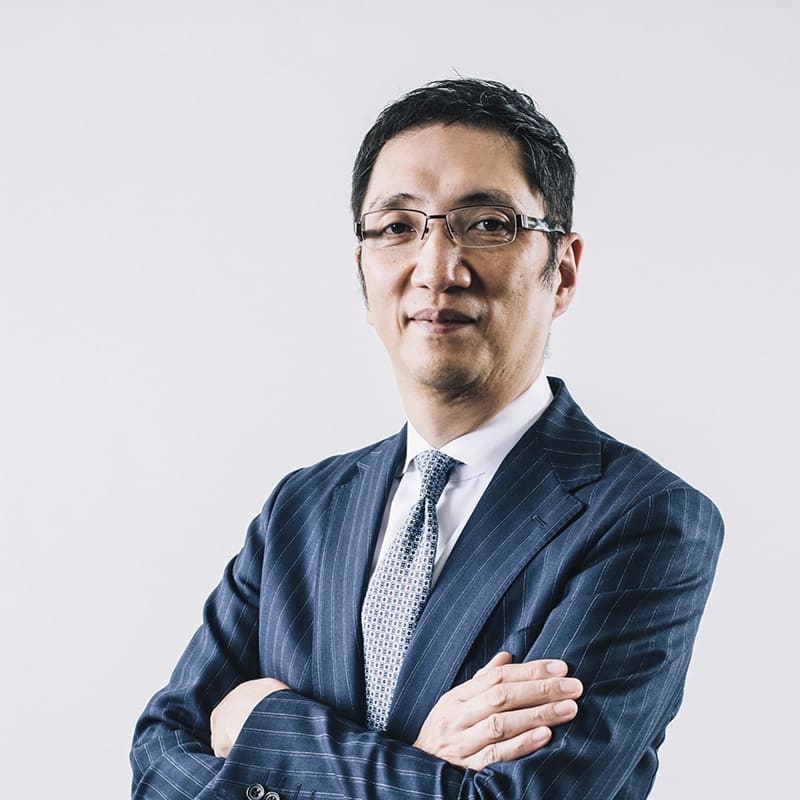
Naonori Kimura
Industrial Growth Platform Inc. (IGPI) Partner
The Altemira group is an aluminum manufacturer formed through the integration of the aluminum divisions of Showa Denko (now Resonac) and Mitsubishi Materials under Apollo Global Management Inc. in the United States. By combining the expertise of both groups and rebuilding a management foundation that emphasizes human capital, the company also positions its “high adaptability to sustainability” as a driver of corporate growth and profitability.
In Europe and the U.S., the shift from PET bottles to cans is gaining momentum, while Japan — with its high PET bottle recycling rate — currently presents a different picture. However, systems that reflect life-cycle carbon content in economic value are expected to spread globally, including in Japan, potentially triggering a game-changing shift. Nakatsuka notes that “aluminum’s superiority remains unshaken from the perspectives of resource circularity and ease of collection.”
Altemira’s vertically integrated rolling and can manufacturing not only underpins its competitiveness but also supports an efficient, reliable recycling network and the development of high-quality recycled cans, reinforcing its sustainability advantage.
For Altemira, corporate growth and the creation of a sustainable society are inseparable. With these two wheels turning together, the company aims to realize its “Dreamy Alumi-Life.”