March 02, 2026
Nomura Real Estate builds connections for the future




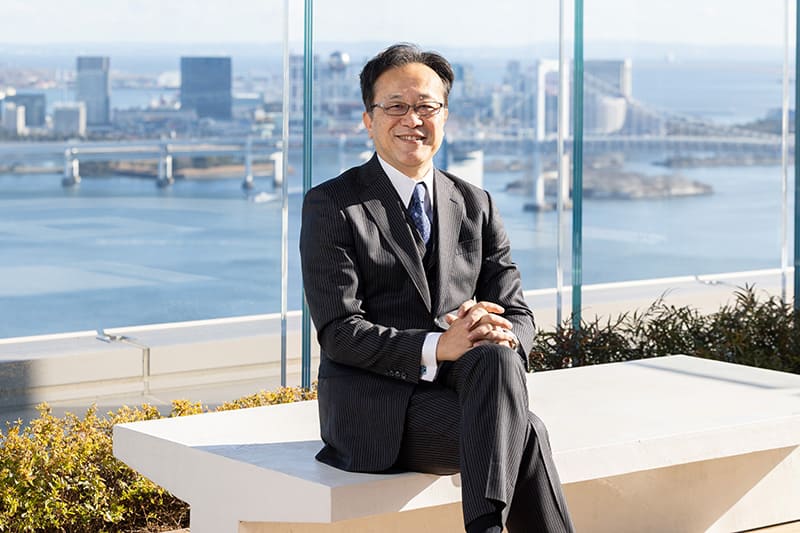
The office window looks out over Tokyo Bay and the recently redeveloped districts of Harumi and Toyosu. To the right is the Odaiba bayfront skyline and the Rainbow Bridge connecting it to the center of the capital. If one is lucky, one may even spot a luxury cruise ship arriving at or departing from Hinode Pier down below.
A bayfront hub
This is where Nomura Real Estate Holdings Inc. relocated its headquarters to last year from its 48-year-old landmark tower in Shinjuku Ward as part of a project to build a commercial and community hub in the redeveloping bayfront area and to enhance its human resource capabilities at the new working space.
The office occupies several floors of a 230-meter-tall building called Blue Front Shibaura Tower S that was completed in February last year; a twin tower is scheduled to open in fiscal 2030. The decadelong project aims to develop a large community and a transportation node for Tokyo’s busiest area and nearby bay area with the involvement of local stakeholders. Alongside other local cruise routes, the company in 2024 introduced Blue Ferry, a water transportation service for commuters between Hinode in Shibaura and Harumi, where the Tokyo 2020 Olympic and Paralympic Village’s large-scale housing is now residential. The upper floors of the office building house the Fairmont Tokyo hotel, a European luxury brand under Accor, while other areas feature shops, restaurants and public community spaces.
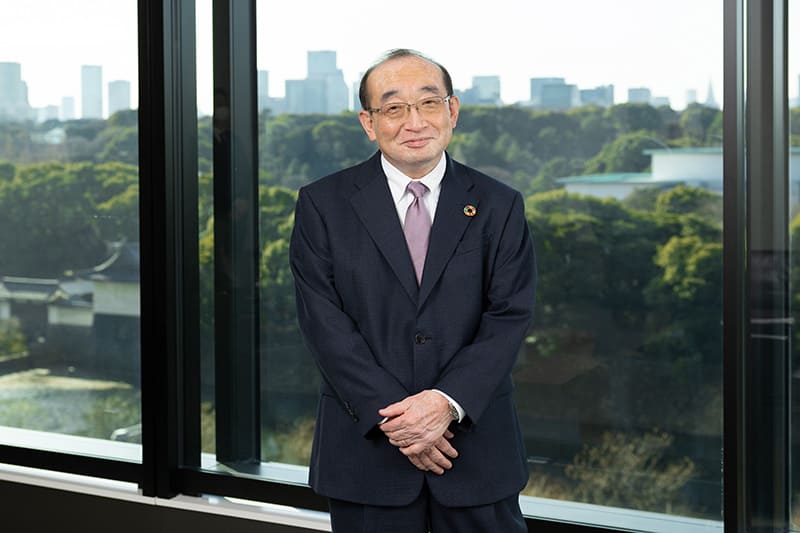
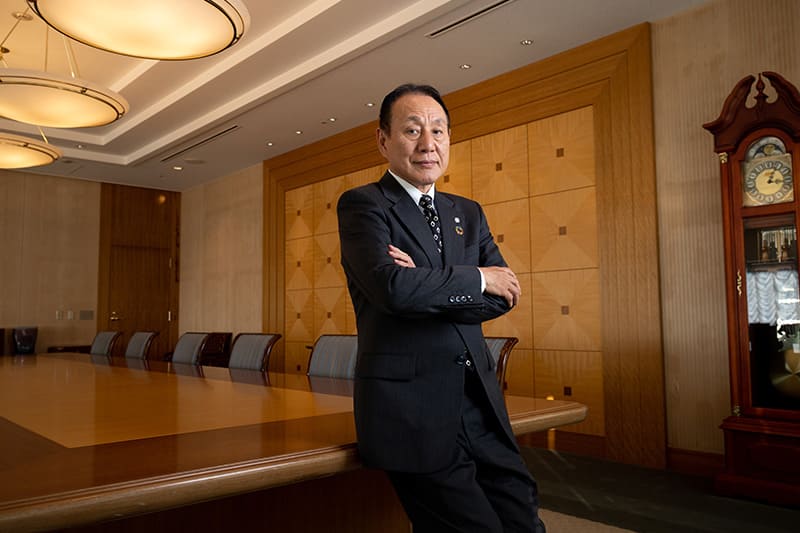
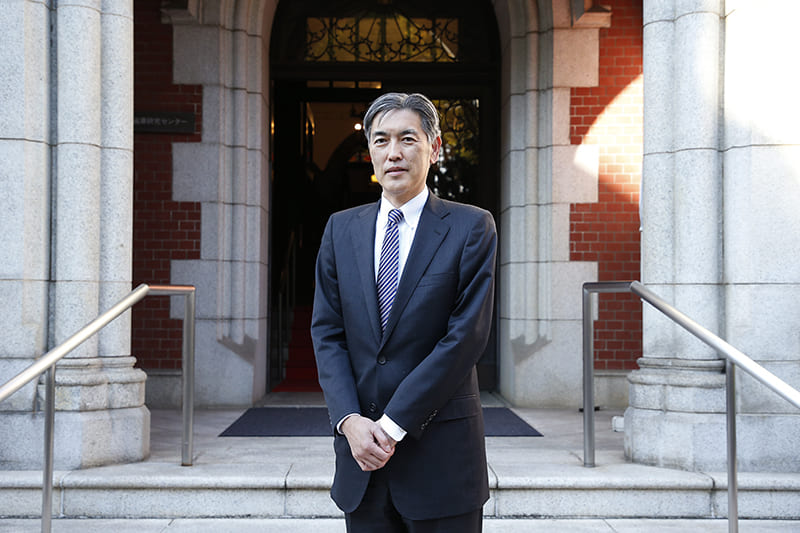
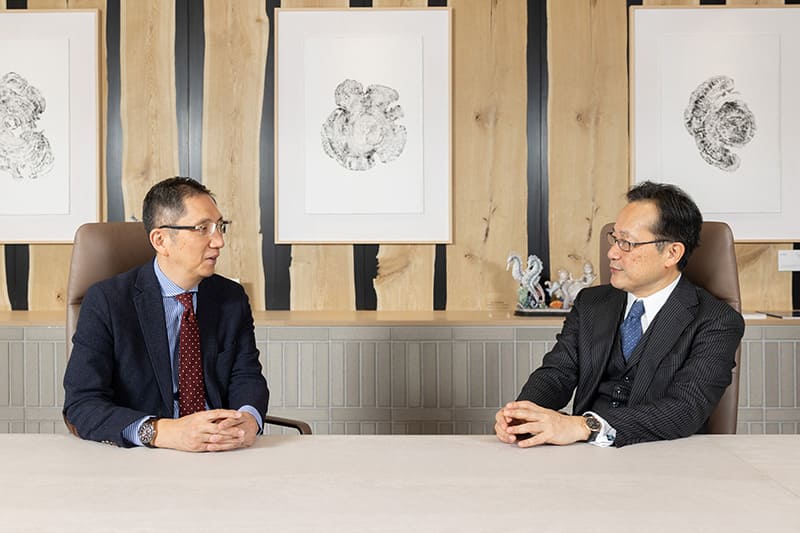
“In a sense, this is a grand experimental project for our group,” said Makoto Haga, executive vice president of Nomura Real Estate Holdings, in a recent interview, part of a monthly series by Naonori Kimura, a partner for the consulting firm Industrial Growth Platform Inc.
Rethinking the workplace
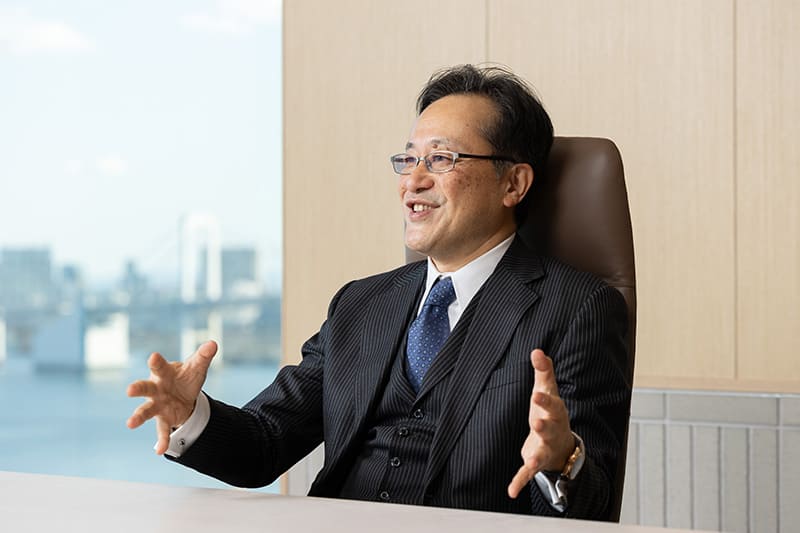
One of the major changes from the previous headquarters of Nomura Real Estate Holdings, one of the country’s five largest land developers, is that the offices housing itself and its group companies have no walls between them, encouraging collaboration and synergy. The new headquarters also has no fixed rooms for executives. There are free-address lounges without cubicles, allowing workers to sit wherever they want and giving executives easier access to staff than before.
In the former headquarters, about 3,400 workers from multiple sections and companies were widely separated from each other on different floors. Haga said walls and cubicles can hinder communication among workers and their engagement with the company. “The key factor in supporting a diverse workplace is how much a company can enhance opportunities for workers’ communication,” he said. The lounges are arranged to facilitate interactions, featuring round sofas and movable shelves that help guide the movement of people.
The idea of workplace reforms emerged when the COVID-19 pandemic sparked transitions to remote work around the world. That experience reaffirmed for top management the significance of face-to-face communications, yet also the convenience of online operations in emergencies. “We have realized that in-person interactions foster worker creativity and lead to valuable services,” Haga said. Such creativeness and value-added services will be the key to the real estate company’s future competitiveness, he added.
The building also has spaces for meeting customers that hopefully can foster more creative ideas than conventional meeting rooms.
Expanding the value
Developing additional value for real estate assets has become increasingly important for real estate companies, which aim to not only earn rent but to also improve the assets’ value, Haga said.
“Real estate companies manage a significant amount of assets, which make profits independently over time,” he continued. “But we are focusing on what we can add beyond the assets’ growth. … As we reflect on our own values and what we can create in addition to asset value, we see the need to highlight customer happiness and fulfillment.”
One project that has achieved this goal is Nomura’s direct operation of hotels under the Nohga brand in Tokyo’s Ueno and Akihabara districts and Kyoto’s Kiyomizu district. Targeting overseas tourists who are intrigued by local lifestyles, these hotels provide plans to experience traditional craft arts, taste local specialties and alcohol, and take part in tours of local museums, arts and historical sites.
Nomura Real Estate also aims to reinforce its historical strength in housing, which differentiates it from other major developers that have grown through large-scale commercial and business complexes, Haga said. Last year it established the group’s 2030 vision as “Be a ‘life & time developer,’ as never seen before — becoming a group that maximizes happiness and abundance.”
Nomura has launched projects to create communities involving housing and related complexes, for example, in Funabashi in Chiba Prefecture, Hiyoshi in Kanagawa Prefecture and Kameido in Tokyo’s Koto Ward. The Funabashi project, a 17-hectare redevelopment completed in 2014, created about 1,500 houses together with commercial, medical and nursing facilities, five parks and green areas. In 2016, the project gained the French government’s EcoQuartier label recognizing sustainable and socially diverse urban development — a first for a project outside of France.
Seeking ways to contribute to the reduction of carbon emissions, as the real estate sector is one of the most active emitters, Nomura Real Estate decided in 2022 to own a forest in western Tokyo’s Okutama district for 30 years to manage the woods and help revive forestry in the mountainous region, supporting a lumber supply chain and the forestry cycle.
The group is cutting down aging trees, which absorb less carbon than young ones, planting new ones and using the lumber in some of its construction projects. At the same time, it is helping to conserve the forest’s biodiversity by nourishing the soil and protecting water resources. The Nomura group conducts forest tours for employees to help them learn about conservation and experiencing logging.
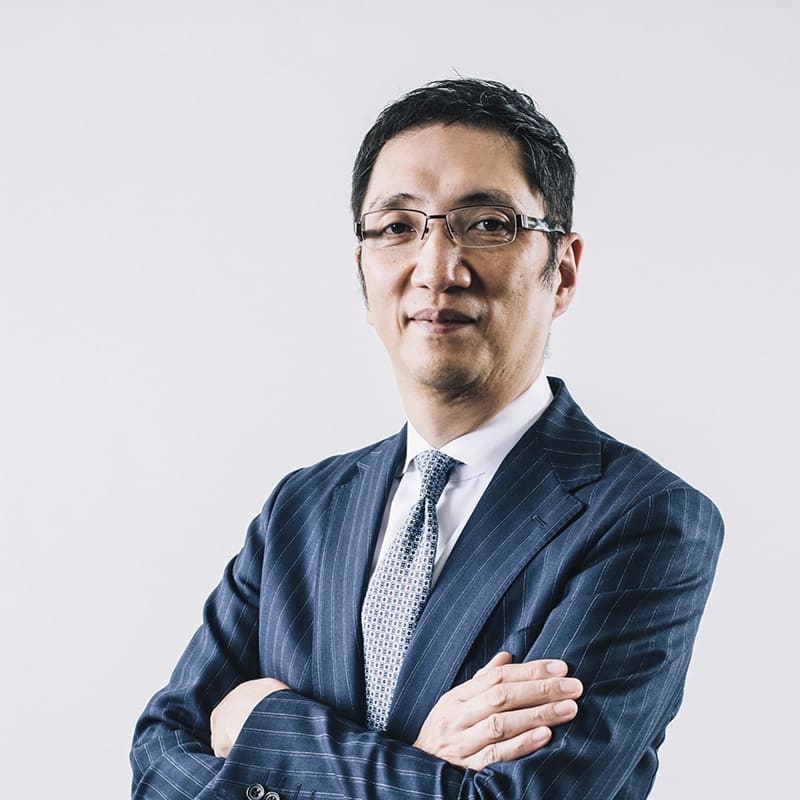
Naonori Kimura
Industrial Growth Platform Inc. (IGPI) Partner
The corporate philosophy of Nomura Real Estate Holdings, “New Value, Real Value,” is a declaration to embed the intention of passing value on to future generations into management. Recognizing the turning point from an era of owning real estate to one of utilizing and creating value, the company is steering away from expanding its balance sheet. Instead, it is shifting toward a market-driven model that accumulates value for customers and workers. This is not only a tactic to strengthen profitability, but also a management decision to evolve into a lean business entity capable of generating sustainable value even after shedding the “armor” of assets. By circulating assets and honing operational capabilities in offices, residences and hotels, the company is expanding the market-driven approach cultivated in its condominium sales business. This operational strength is the source of enhancing capital efficiency and social value. Organizational reforms symbolized by initiatives such as the Mori wo Tsunagu (meaning “integrate forests”) project in Okutama and the relocation of the headquarters are not minor measures. Rather, the company is attempting to redesign its connections with society, seeing the reforms as investments in the future, not costs. By reconstructing capital policy, business strategy and human resource development, the company’s endeavor holds potential to redefine the sustainable value-creation model in the real estate industry.