March 30, 2026
Professor propels new networks to revive rural Yamagata ways




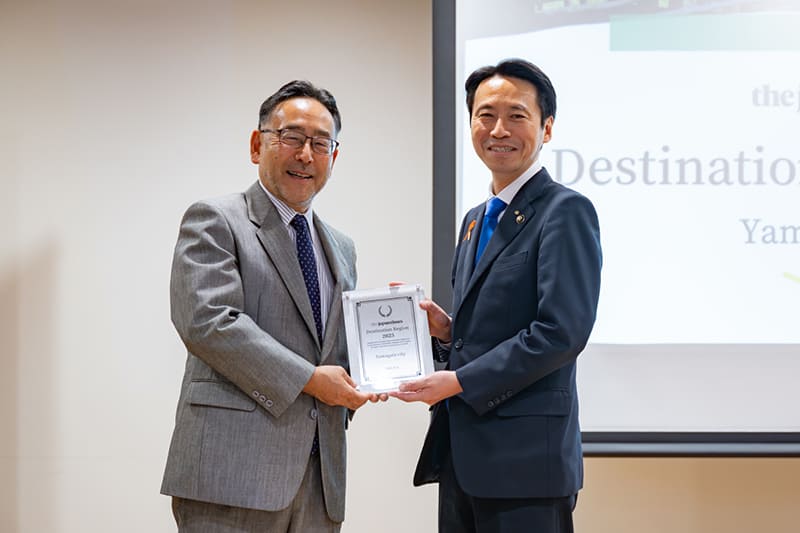
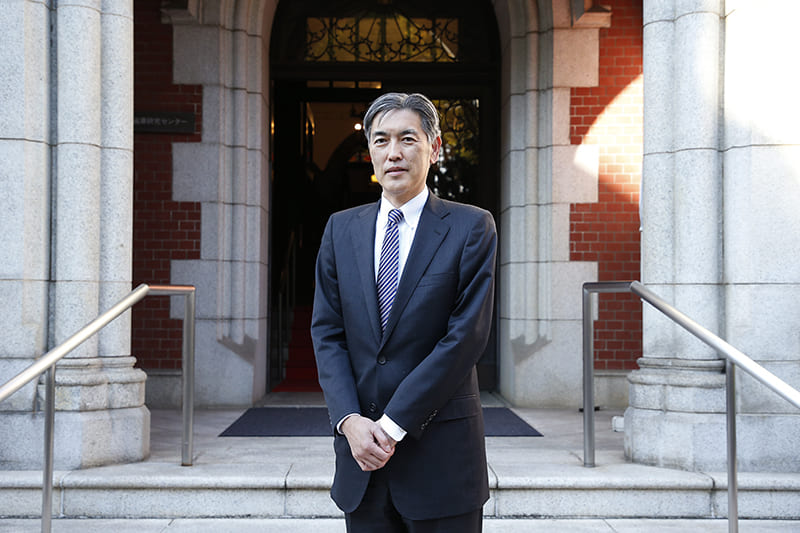
Go Matsumoto is an anthropologist and professor specializing in Peruvian archaeology at Yamagata University in Yamagata, the city selected in 2025 as the first Destination Region — places The Japan Times wishes to tell the world about. Born and raised in Tokyo, he relocated to the Yamagata area in 2016 to take up a position as a postdoctoral research fellow after having spent 15 years in the United States.
He initially lived near the university for three years. When the coronavirus pandemic led to an increase in his time at home and halted his fieldwork in Peru, he felt a growing desire to lead a life more rooted in the local land. This impulse also derived from his experiences in the United States. “I once lived in a rural town so sparse that our nearest neighbor was a mile away, and cutting wood for the fireplace was part of my daily routine,” he said.
Equipped with the practical knowledge required to live amid nature, he moved to the Iwanami district in a more rural part of Yamagata Prefecture. He acknowledges that rural areas have their own communities with distinct characteristics and attitudes toward outsiders. He considers himself fortunate to have neighbors with open minds — people who would strike up a conversation while he worked outdoors, which became the basis for collaborative efforts that are currently ongoing within the neighborhood.
One such effort involves making firewood. Matsumoto works with other fireplace users to harvest timber from neglected and overgrown satoyama areas — forests that historically served as buffers between human settlements and the wild, kept healthy through moderate human interventions like firewood collection. Today, these areas are facing degradation due to the decline of forestry and an aging and shrinking population across Japan.
“I think various changes in the forests will be visible if you walk through them — for example, mountain paths blocked by impassable thickets. I hope more people will get to know the current state of the forests,” Matsumoto said. This is why he began restoring a local historic path in the neighborhood.
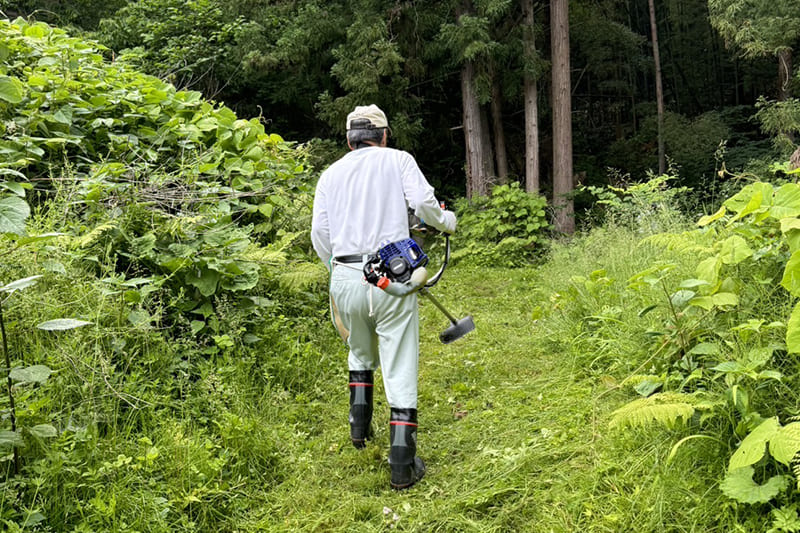
This path, a stretch of less than a kilometer that once was vital to local daily life, had partially fallen into ruin from neglect. As he began the work of clearing it, others started contributing — sometimes finishing a section of work in his absence or stepping in to help when they had a spare moment.
Matsumoto pointed out that local initiatives often become “someone else’s problem” when leadership becomes too formalized. While he admits that “a catalyst is necessary to spark action” and “a coordinator is needed to keep the flame from dying out,” he believes that the ideal state is one where residents maintain their surroundings without strict membership rules for each initiative, simply because they want their home to be a better place. “Even in an aging society, the local seniors who have spent their lives working outdoors remain energetic and motivated to take care of their homeland,” he said.
To ensure this connection to the land is shared with the younger generation,
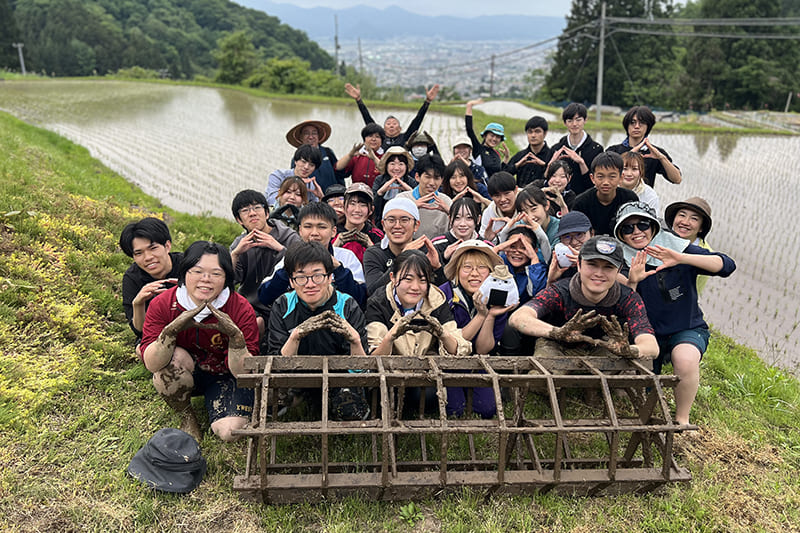
Matsumoto has been growing rice with university students. He initially began growing it two years ago, leasing a nearby abandoned paddy. After a successful first year, growing enough for his own household, he expanded the area and invited students to join him — a call that was met with surprising enthusiasm.
Now Matsumoto is planning a rice-farming project with elementary school students. He emphasized that rice farming is not merely a series of festive moments like planting and harvesting. He believes it is crucial for children to understand the importance of the steady work of daily observation, maintenance and water management. “I want to provide an education rooted in daily life, where students might stop by the fields to check water levels on their way to school,” Matsumoto said.
Much like the forests, abandoned rice paddies are increasing, and Matsumoto feels a sense of urgency because it is an immense task to restore a paddy once water management has ceased. “Adding a new field each year is nothing compared to the speed of the decline,” he said. Even so, he intends to keep trying new ideas.
One of the things he wants to try is brewing sake from his rice. “I think it is important to think how we can add value to what we produce to ensure economic viability and sustain the meaning of production,” he said. Through these challenges, he continues to live deeply involved in his community, hoping his lifestyle serves as a reminder to those in urban areas of what it truly means to live in a local community.