June 08, 2026
Sompo looks beyond insurance to focus on well-being




The Sompo group values its roots as a fire brigade established more than a century ago in Tokyo, and its ethic of rushing first to where people need help still affects all aspects of its business operations today.
The insurance group traces its origins to a company founded in 1888, two decades after Japan ended the isolation policy of the Edo Period (1603-1868), opening itself to the rest of the world and modernizing. But in those days the capital city of Tokyo was still vulnerable to fires — once a blaze broke out, it quickly swept through neighborhoods of densely clustered wooden houses.
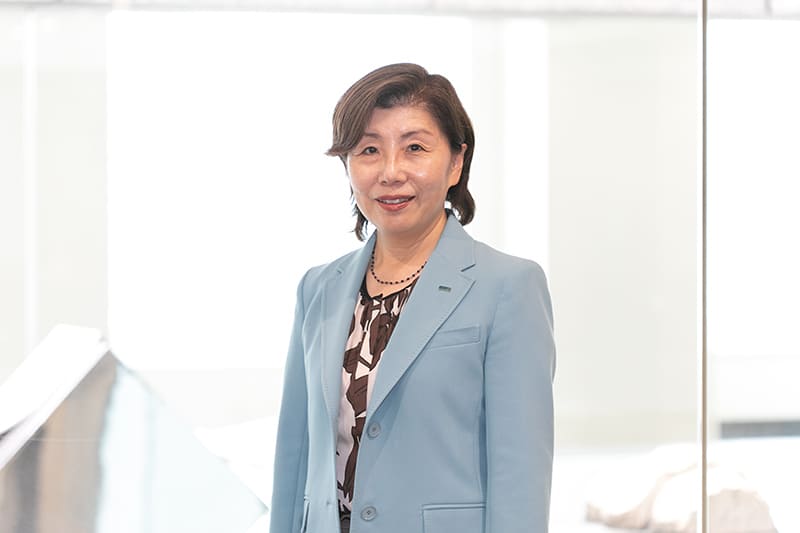
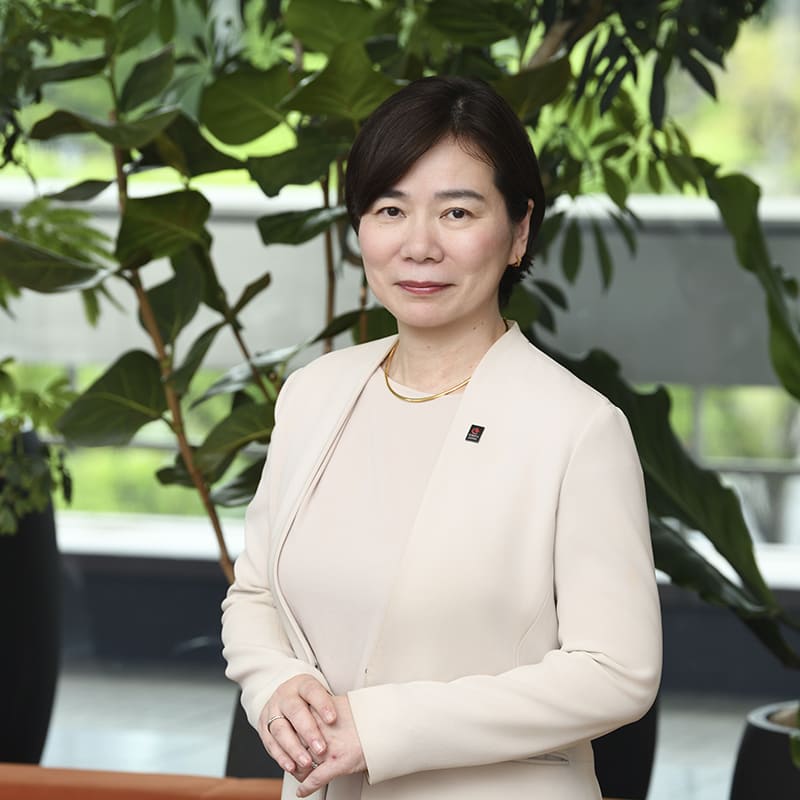
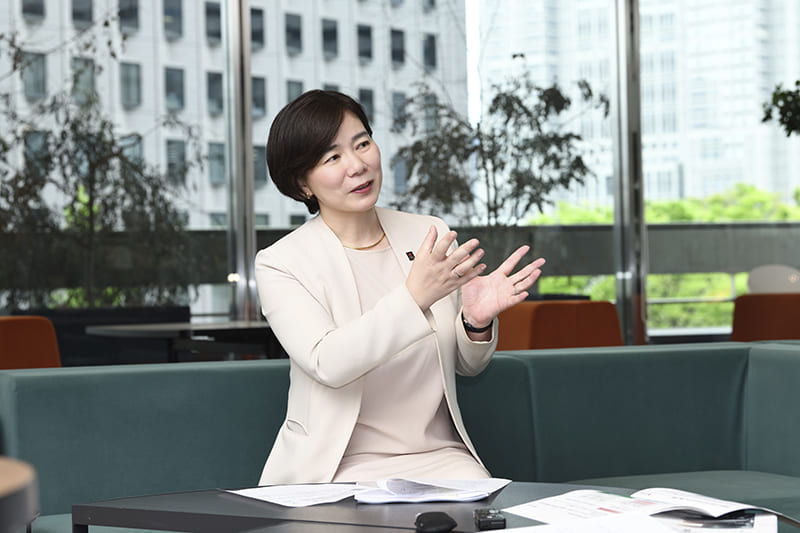
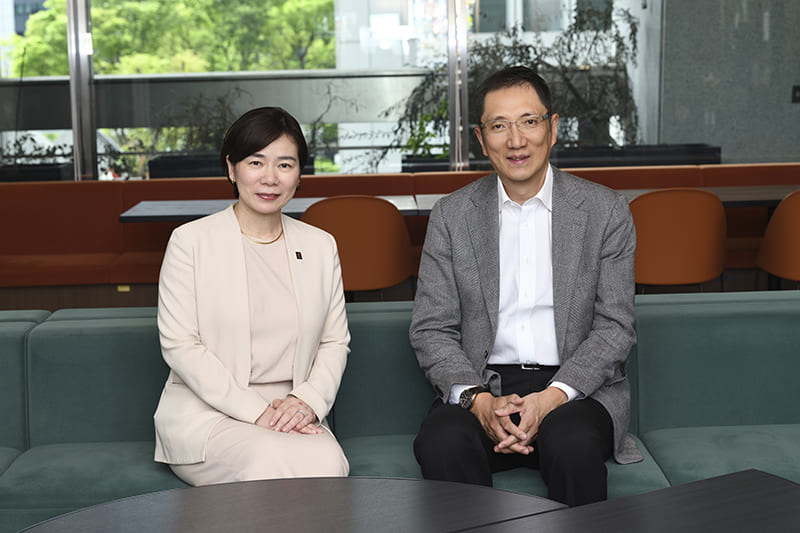
“Our original identity lies in acting for society and for people. That is why we have such a strong instinct to see things through and be the first to go to our customers,” said Kayoko Sakai, the group chief sustainability officer and senior executive vice president at Sompo Holdings, in a recent interview, part of a monthly series by Naonori Kimura, a partner for the consulting firm Industrial Growth Platform Inc.
The insurance group’s values were particularly apparent when the Great East Japan Earthquake and tsunami devastated the northeastern regions of the country. Thousands of staff members headed to the disaster areas to help process victims’ earthquake insurance payments. Also, Sompo workers launched an internal campaign to collect contributions, raising more than ¥100 million ($600,000) in just two weeks.
Environmental leadership
As for environmental issues, which have brought increasing threats to people across the world, the Sompo group had already begun treating them as a management priority well before climate change became a mainstream global concern. In 1992, it was among a small number of Japanese companies to take part in the United Nations Conference on Environment and Development in Rio de Janeiro, better known as the Rio Earth Summit, where political leaders, diplomats, scientists and delegates of nongovernmental organizations from 179 countries gathered to discuss the impacts of social and economic activities on the environment.
Recognizing the urgency of responding to these challenges, Yasuda Fire & Marine Insurance Co., one of the group’s predecessor companies, set up a department of global environment the same year, becoming the first financial institution in Japan to do so.
In 2024, the Sompo group rephrased a corporate purpose: “For a future of health, wellbeing and financial protection.” Sakai said, “We have redefined our purpose and the goals we aim to achieve, reflecting expanding social issues.”
Property and casualty insurance has remained the primary segment of the group, including policies covering auto, fire and liability risks. On a global scale, the company has “Insurance revenue” exceeding ¥5.1 trillion, operates in 29 countries and regions, and employs a workforce of over 70000 people as a group.
Beyond insurance serviczes
Yet a defining feature of the group’s corporate philosophy is that it has not limited itself to expanding its traditional core business. It has also positioned well-being businesses, including life insurance and elder-care services, as another central pillar. As life expectancies rise and populations age, the group aims to address not only health concerns but also the financial and long-term life risks that can arise from unexpected events.
Based on that thinking, the Sompo group has developed its nursing-care business in both residential and home-based services. As of April 2026, the number of rooms in care facilities for seniors reached 29,000, making it the largest operator in the sector in Japan.
That growth was driven largely by an aggressive acquisition strategy as well as capital investment and alliance. After buying Watami no Kaigo, a nursing-care unit of the Watami Co. izakaya pub chain, in December 2015 and another care company, Message, in March 2016, the company became Japan’s second-largest nursing-care operator.
The nursing-care business, however, has not been without difficulties. The nursing care business was required to improve its labor productivity and shortage of care workers. There was a broader push for stronger corporate governance across Japan’s insurance industry due to a series of scandals in the early 2020s, including improper premiums and claims.
Even so, the group positions well-being as one of its main business pillars alongside non-life insurance, framing it as part of a broader response to Japan’s social and demographic pressures.
Addressing aging concerns
According to the group, three anxieties tied to aging are becoming more acute: worries about one’s own health, the
burden of caring for elderly parents and the question of whether retirement finances will hold up. “We receive more and more inquiries each year from customers asking what they should do when a parent suddenly falls ill and needs care,” Sakai said.
To help ease those concerns, the group has launched a one-stop consultation platform, called Wellbio. The service offers advice both online and in person for specific cases.
For example, life concierges with expertise provide support on issues such as how to keep watch over an elderly parent living alone, how to prepare property management for when people age and how to handle the transfer of assets, including real estate, after death. The service also helps users identify suitable care facilities from a network of roughly tens of thousands sites nationwide.
“It has been increasingly important to take some steps before something happens. This is especially true for natural disasters, and also true in the field of nursing care,” Sakai said.
She said the insurance group has built a system that can first offer advice on healthcare-related services to help people avoid serious situations and, when care does become necessary, connect them with an appropriate facility.
“If we can establish a workable business model for well-being care services in Japan, a country at the forefront of social issues, we believe there is room to develop it in other countries as well,” she said.
Naonori Kimura
Industrial Growth Platform Inc. (IGPI) Partner
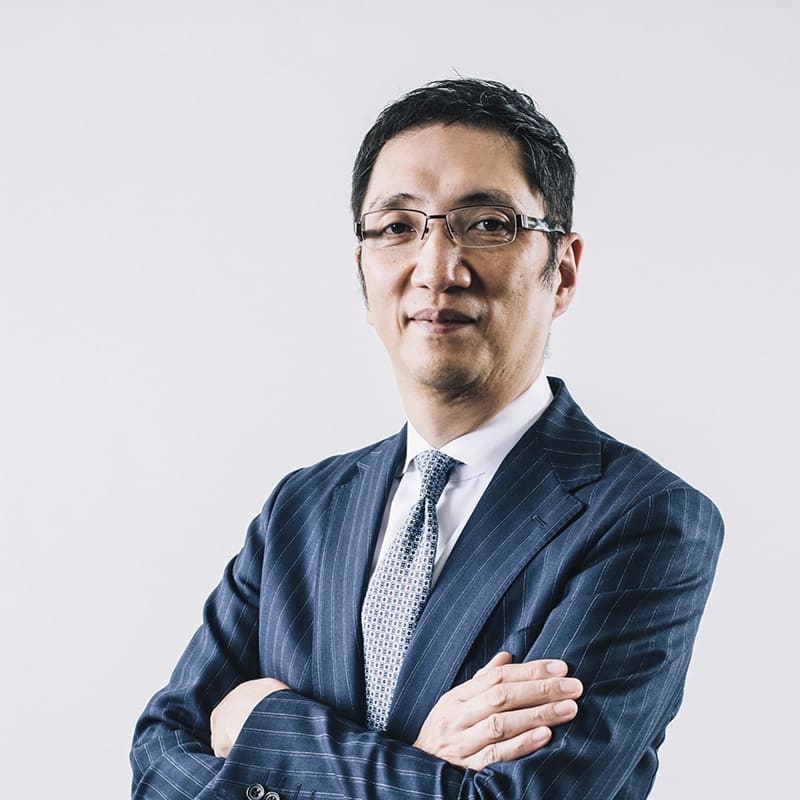
The origin of the Sompo group, with Sompo Japan Insurance at its core, traces back to its founding as a firefighting crew that rushed to the scene of fires. The company’s DNA — responding swiftly to risks and dedicating itself “for the good of society and people” — is the foundation of today’s purpose-driven management. Sompo’s forward-looking approach is also evident in the fact that, as early as the 1990s, it was among the first financial institutions to integrate sustainability into its business.
Today, in addition to its traditional property and casualty insurance, the group is rebuilding its business portfolio by positioning “well-being” — including life insurance as well as nursing care and healthcare — as a second pillar. In the nursing-care domain in particular, it aims to provide end-to-end services, from prevention and consultation to introductions to care facilities, pursuing both the resolution of social issues associated with a declining birth rate and an aging population and sustained business growth. This is also an attempt to expand the role insurance has traditionally played — from “post-incident compensation” to “support to prevent and improve quality of life.” Another distinctive feature is the company’s integrated view of sustainability and business strategy: It places responses to complex, interrelated issues — such as climate change, human rights and diversity — at the core of management. Its efforts signal an evolution toward a business model of solving social issues that goes beyond the boundaries of the insurance industry, and may well point to a new direction for realizing a sustainable society.