November 02, 2026
How Imperial Hotel finds, cooks best local ingredients
SPONSORED CONTENT


The Imperial Hotel was established in Tokyo’s Hibiya area in 1890 as “Japan’s guest house” for distinguished visitors from overseas. Over the years, it has hosted world-renowned figures including Marilyn Monroe, Charles Chaplin and Helen Keller. It has also played a pivotal role in shaping the history of luxury hotels in Japan by pioneering hotel weddings and buffet-style dining in the country.
The hotel is also widely acclaimed for the outstanding quality of its cuisine. Although a wide variety of seasonal ingredients are used, virtually none are sourced from the immediate vicinity of the hotel, since it is located right in the heart of Tokyo. Instead, it is dedicated to sourcing exceptionally fresh and flavorful ingredients from across Japan and cooking them in ways that bring out their full potential, impressing even the world’s most discerning gastronomes.
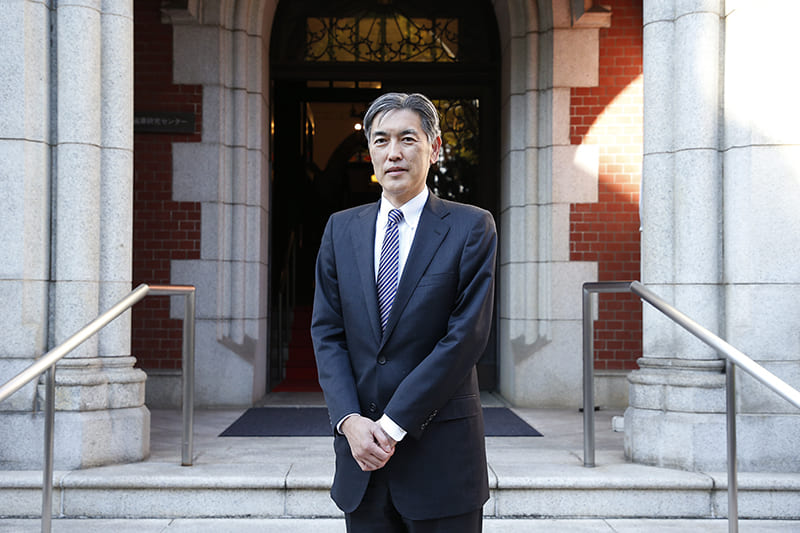
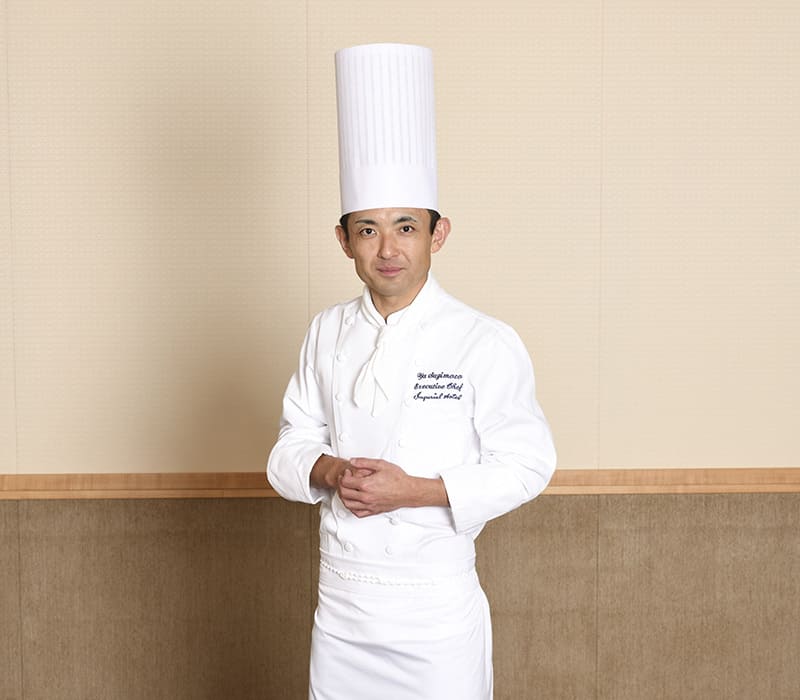
For example, some of the venison dishes crafted by Yu Sugimoto, the hotel’s executive chef and managing officer, feature venison from Shikaniku no Kakiuchi in Kyoto, a company that has specialized in hunting, butchering and processing wild deer since its founding in 2007. In 2018, it became the first recipient of the Japan Gibier Safety Certification for wild game, granted by a body appointed by the Ministry of Agriculture, Forestry and Fisheries.
This certification is granted exclusively to facilities that pass a screening of various documents and records as well as a long checklist, verifying compliance with strict hygiene management standards, distribution specifications and appropriate efforts to ensure traceability through accurate labeling.
An overpopulation of deer has been causing problems for agriculture and forestry throughout Japan due to their high reproductive capacity. For example, in Kyoto Prefecture, crop damage caused by deer in 2024 totaled over ¥145 million ($900,000). Nationwide, the figure reaches a staggering ¥7.85 billion.
The damage extends beyond crops. Deer strip and eat tree bark, which degrades forests and impacts the forestry industry. Deer also venture into urban areas, obstructing traffic and causing accidents. Appropriate culling to control their numbers is becoming increasingly necessary in various parts of Japan.
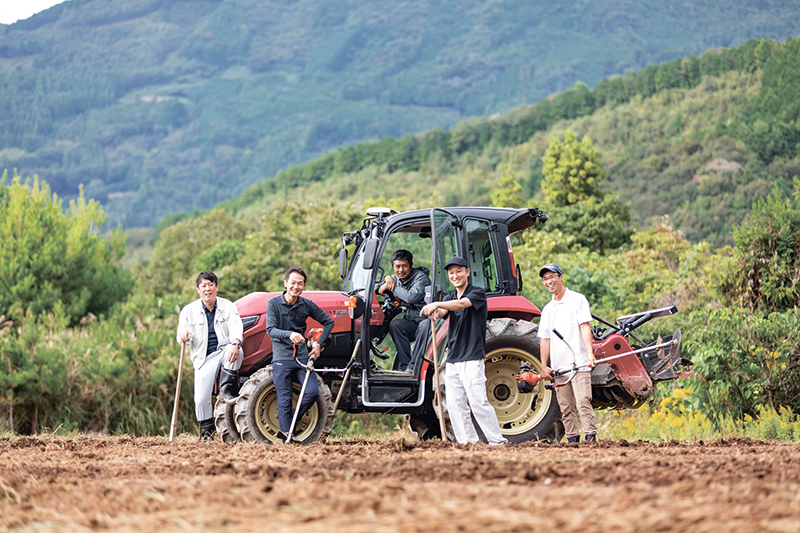
“However, deer are part of living nature,” Sugimoto said. “After meeting with producers committed to ensuring these lives are not wasted, I decided to give Japanese venison a try — something we had never used before. The producers make meticulous efforts to ensure high levels of hygiene and good taste.”
The event that sparked the partnership between Sugimoto and one of the venison producers working with Sincerite was a food event themed around Kyoto ingredients held at the Imperial Hotel, Tokyo in July 2025. The predecessor of this event was a gourmet gathering launched in 1978 by Nobuo Murakami, who was the head chef at the time. It has been passed down through successive head chefs as a special dinner event where guests can savor a full-course meal prepared by the head chef for that night only. When Sugimoto became head chef in 2019, he continued this tradition and named the event Diner de la Sincerite, which embodies sincerity toward the ingredients and their producers, and toward the cuisine and guests. Subsequently, he introduced a course, Le Salon Intimite, in the hotel’s main dining room, Les Saisons, and transformed Diner de la Sincerite into a traveling event focusing on exceptional regional ingredients.
“Visiting producers, getting to know their work, learning how they cook and eat what they grow or hunt, and understanding the passion and thought behind their work is essential to creating a dish. It’s not just because food waste is a major issue today. It’s also because I’m inspired by the dedication those producers have poured into their work, I feel it’s my mission to use every last bit of their produce without wasting any of it,” Sugimoto said.
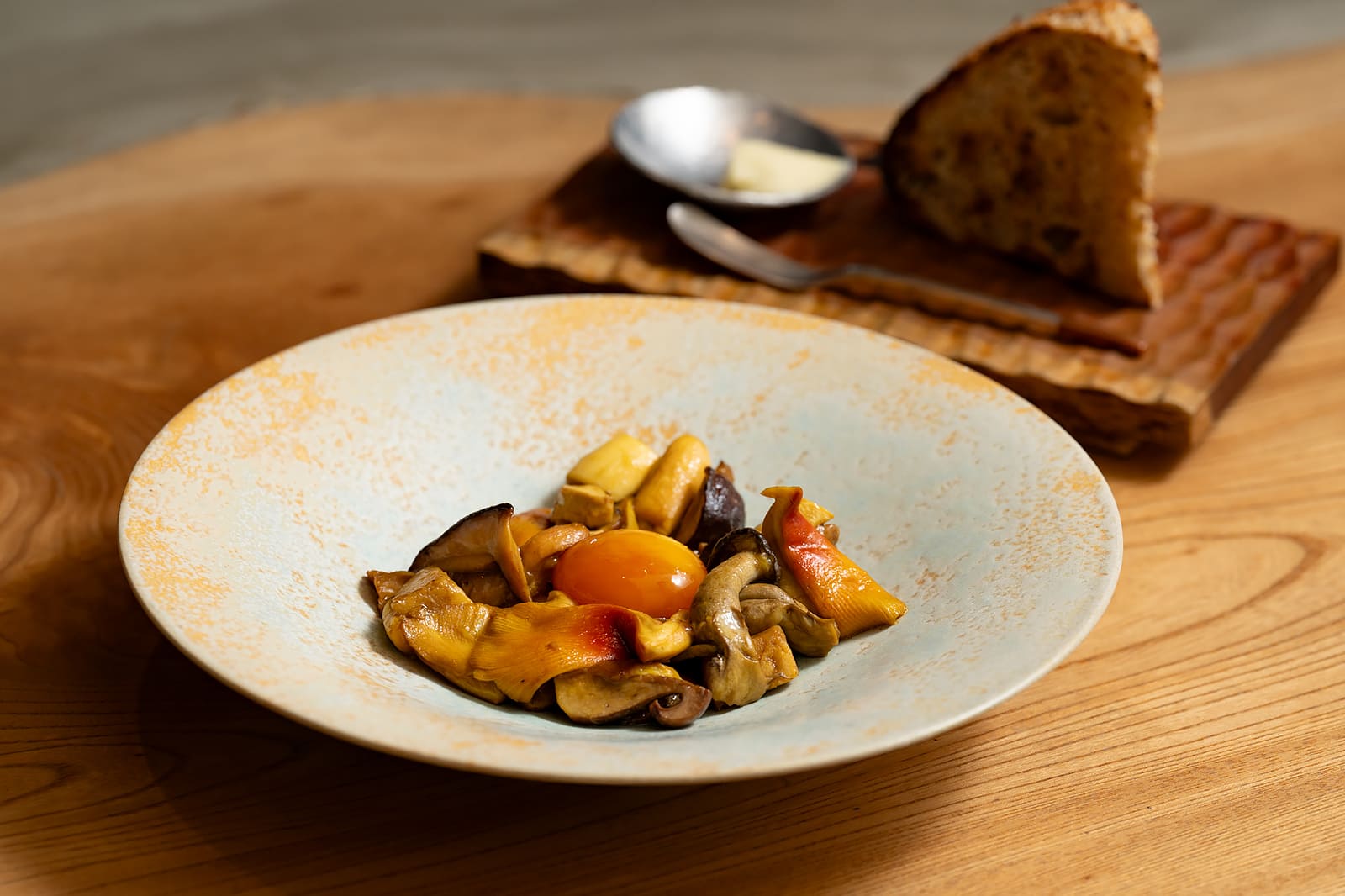
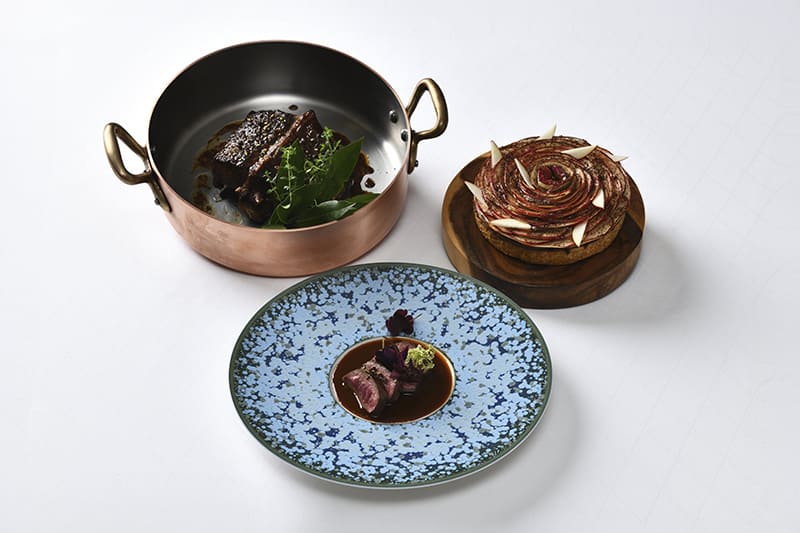
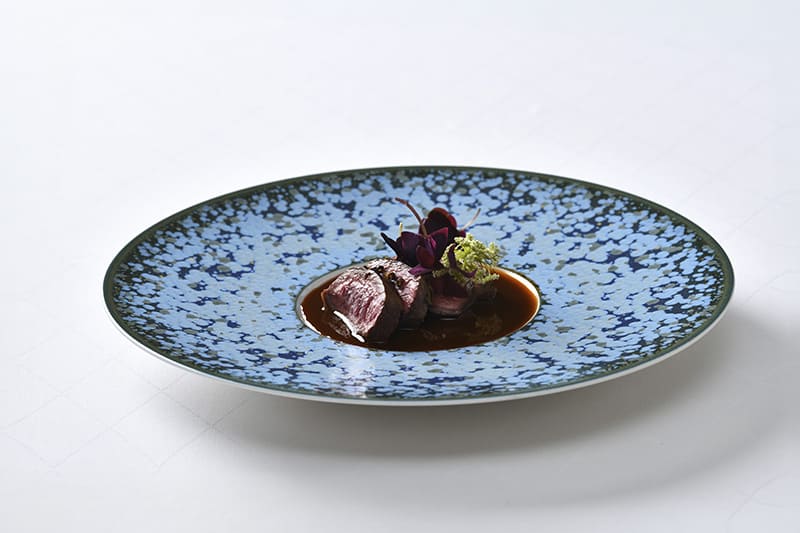
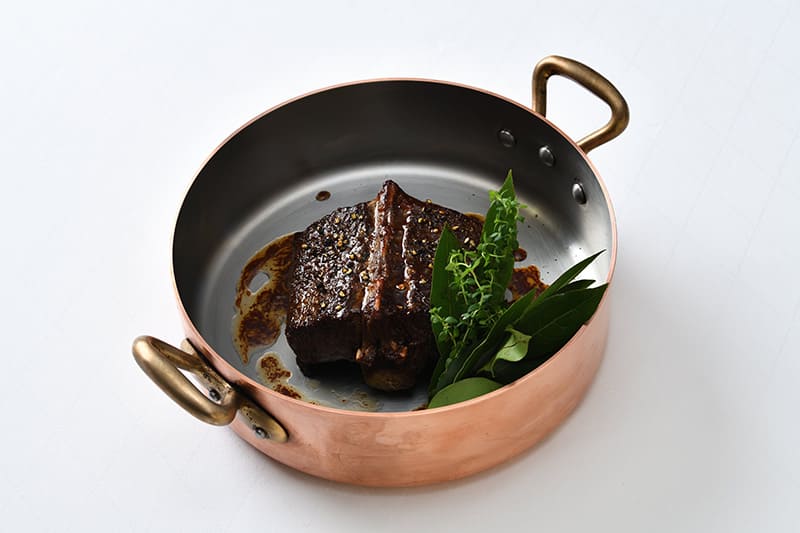
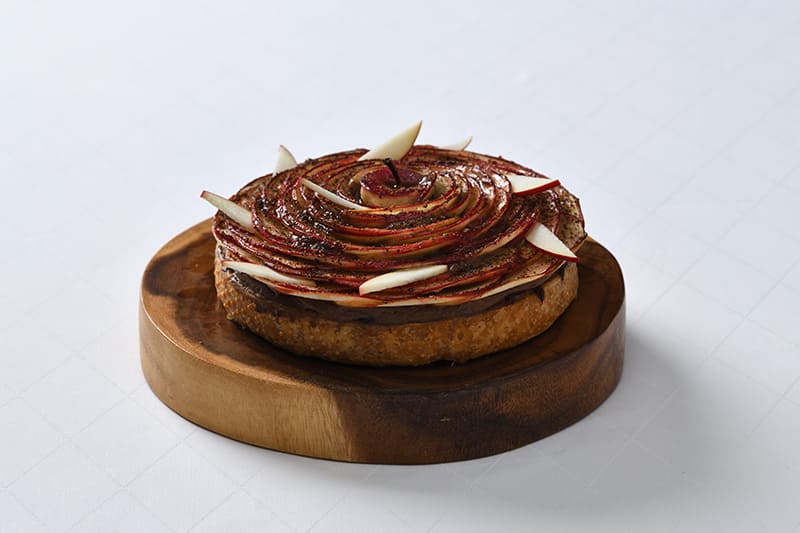
One of the dishes he creates using venison from Shikaniku no Kakiuchi is a roasted venison chop served with a venison-and-apple tart. The rich flavor of the tender, lean meat around the bone pairs perfectly with the apples’ refreshing sweetness and acidity.
Sugimoto’s culinary philosophy is to clearly define what he wants his guests to experience and ensure they savor it fully, rather than combining too many ingredients into a single dish. Roasting, with its sophisticated simplicity, is one of the best cooking methods to embody this philosophy. When cutting meat to create large, well-shaped portions, small trimmings are inevitably left over. Sugimoto ensures nothing goes to waste by transforming the scraps into mousses or mince and using the meat juices to make a sauce, bringing them all together in one dish. “This is how I create a dish that allows my guests to truly enjoy the genuine taste of delicious venison,” he said.
He also noted that while French cuisine often gives the impression of being glamorous and extravagant, it is actually a sustainable form of culinary art because it makes full use of ingredients, including juices extracted from bones, tendons and skin. The same goes for vegetables and fruits. Peels and scraps can be made into soup stock and sauces, which add depth to dishes.
Sugimoto is also promoting the use of underutilized fish caught off Iki Island in Nagasaki Prefecture. “Since fishermen work in the wild, they don’t always catch the fish they are targeting, such as sea bream, sea bass or flounder,” he explained. Some fish cannot be sent to market due to insufficient quantities, small size, or low recognition or market value. However, some of these fish boast exceptional flavors favored by locals, and are in excellent condition. The hotel purchases these fish directly from the fishermen and has them shipped straight to the hotel, allowing the fish to reach the kitchen much faster than the fish purchased at a fish market.
During the week including Nov. 3, the hotel’s anniversary, a bouillabaisse made with underutilized fish was served in the employee cafeteria last year. Sugimoto believes it is important to raise awareness about food sustainability internally as well, and does so by providing firsthand experiences rather than just communicating through words.
“Through these opportunities, we are reminded that our culinary experiences are supported by regional producers. While satisfying our guests’ desires for a luxurious, extraordinary experience, we also provide them with opportunities to learn about the producers’ passion and the work they put into what they grow. We hope this will support the producers in return,” Sugimoto said.
Additionally, to pass on the importance and joy of a sustainable food culture to the next generation, the Imperial Hotel engages in food education initiatives. One is La Semaine du Gout (Taste Week), which originated in France. The Japanese edition has been held annually since 2011, and Sugimoto has participated since 2022 by offering lectures and hands-on workshops for children. “Because what we eat goes into our bodies, we should see it with our own eyes, confirm exactly what it is and take responsibility for what we eat. This involves learning where it comes from and how it reaches our tables,” he said.
Sugimoto is also a member of the Japanese Chef’s Manifesto for a Sustainable Future, an initiative run by the Council for Public-Private Partnership in Food Technology under the Ministry of Agriculture, Forestry and Fisheries. Under his leadership, the Imperial Hotel kitchen will continue to pursue its own approach to sustainability, proving that sustainable ideas can generate truly luxurious experiences.