June 08, 2026
Uchiko mayor discusses preservation and development
Destination Region: In partnership with JP post




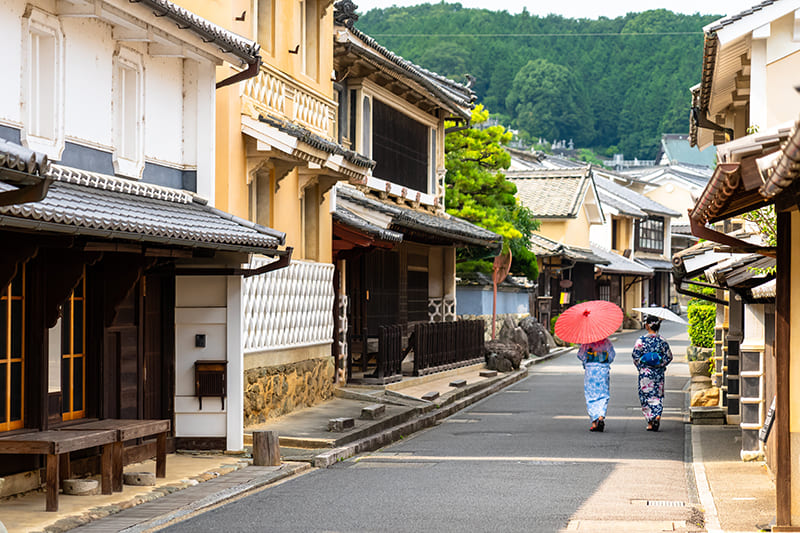
Uchiko is a town of 14,000 people encompassing what once were three towns that merged 21 years ago, making it rather large, at nearly 300 square kilometers, and diverse in regional characteristics.
Agriculture is the town’s primary industry, especially the cultivation of fruits such as persimmons and grapes. The merger included the former towns of Oda, traditionally a forestry town, and Ikazaki, which had a history of commerce.
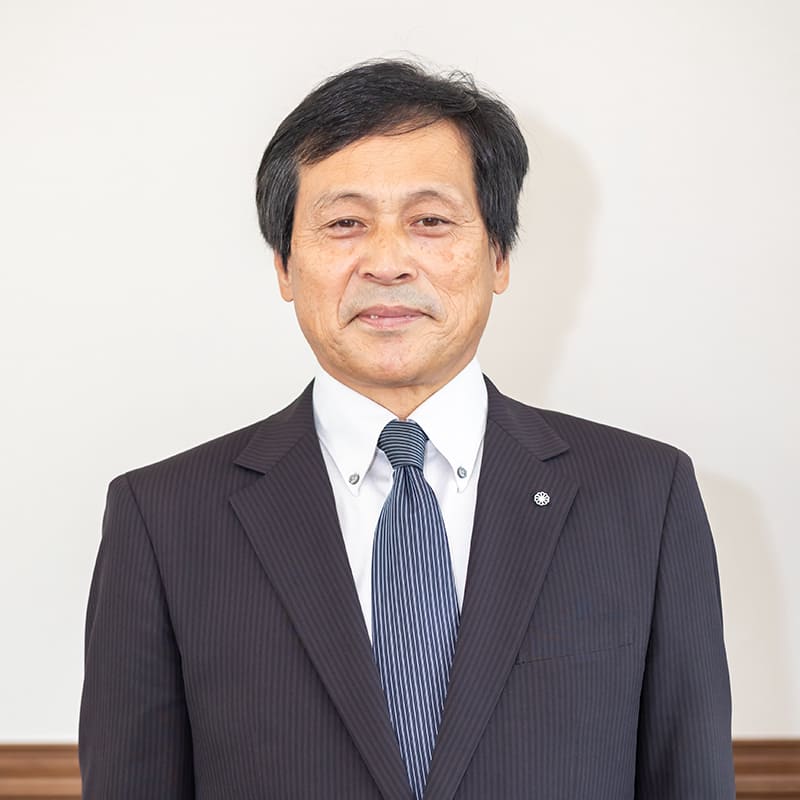
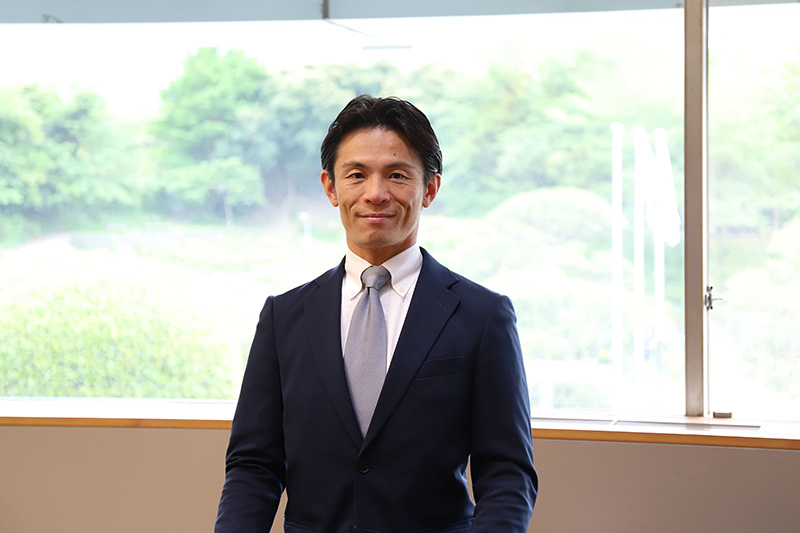
Mayor Masahisa Onoue said a town began to take shape in the area about 700 years ago and once prospered from the production of washi paper and plant-based mokurō wax. However, it has been experiencing a decline in birth rates and an aging population, similar to many other rural municipalities in Japan. The key to maintaining the town, he said, lies in attracting people from outside the area.
One of the town’s greatest attractions is its well-preserved traditional townscape. While efforts to repurpose historic buildings instead of demolishing them are becoming common throughout Japan, Uchiko began such initiatives more than 50 years ago. This is why in Uchiko the entire historic townscape remains intact — not just individual buildings here and there.
At that time, Japan was still enjoying its period of high economic growth, when scrap-and-build construction was the norm. “But there was an artist who stressed that this townscape was worth preserving,” Onoue said: a painter by the name of Keiji Ido. He was deeply impressed by the old buildings and streets of Uchiko when he moved there and encouraged the townspeople to preserve them. Around the same time, the Agency for Cultural Affairs began a nationwide survey of rural townscapes that included Uchiko’s Yokaichi and Gokoku district, whose streets are lined with traditional houses made of wood and plaster. Uchiko was later designated by the agency as an Important Preservation District for Groups of Historic Buildings.
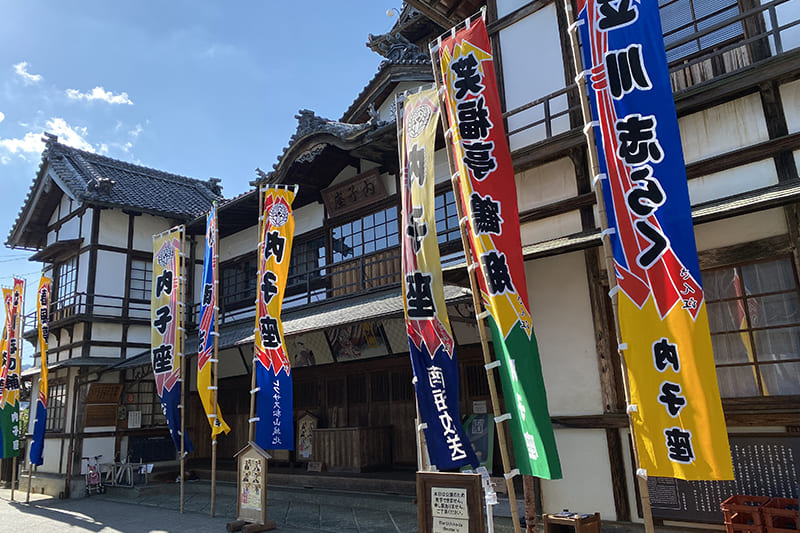
One of the buildings that local people are particularly proud of is the Uchiko-za playhouse, established in 1916. “Throughout its long history, Uchiko-za has hosted not only plays and performances, but also various events related to the townspeople, such as school graduation ceremonies. It is a place that holds everyone’s memories,” Onoue said. He added that this is why people supported the restoration project 40 years ago, as well as ongoing repair work that began in 2024.
Uchiko-za is also a place that many outsiders yearn to visit. “You can watch rakugo (comic storytelling) performances in various venues in big cities like Tokyo and Osaka throughout the year. But there are people who want to experience watching it at Uchiko-za, which can only accommodate about 450 people,” Onoue said.
Efforts to preserve and continue existing industries are also underway. Onoue pointed out that aging farmers will eventually retire. If no one takes over their businesses, their farms will just turn into wasteland, generating no income. “Once the farms are abandoned, the quality of the soil cannot be restored easily,” he said.
“Someone new to farming needs to learn the basics before taking over. So we created a list containing the names of farmers and their retirement plans to match them with people who want to start farming, such as new residents or former townspeople who came back from big cities. This allows new farmers to gain enough knowledge and experience before fully taking over the farms, ensuring a smooth transition,” Onoue explained.
Since Uchiko is about 40 kilometers from the Ehime capital of Matsuyama, only half an hour away by train, commuting to Matsu-yama is also an option for its residents. However, this very accessibility has also become a drawback, as tourists tend to visit Uchiko only for day trips and then head to other nearby tourist destinations, such as the Matsuyama hot spring Dogo Onsen, for overnight stays.
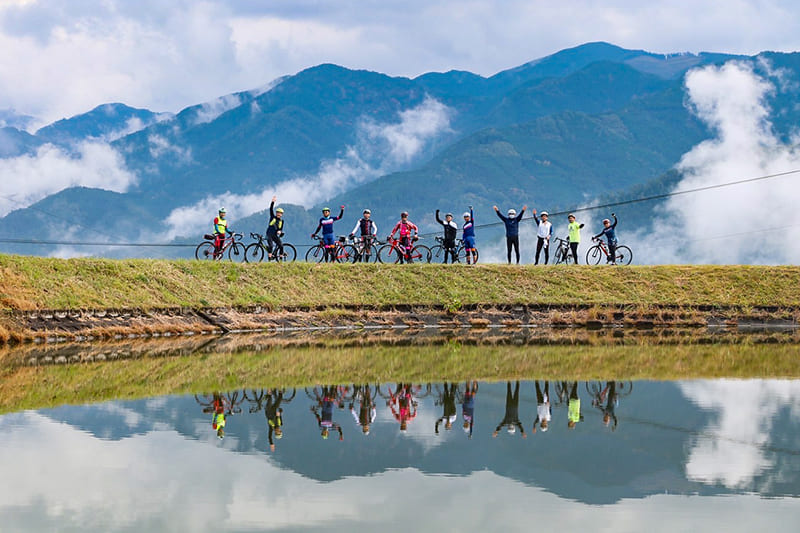
“We will continue our efforts to increase long-term stays in Uchiko,” Onoue said. He is seeing an increase in tourists who enjoy visiting various places in more diverse ways than before. “I met some foreigners who stopped in Uchiko by bicycle on their way to somewhere else. I was amazed to learn how far they travel by bicycle!” Onoue said. He believes Uchiko can be a wonderful destination for people who want to experience traditional Japanese culture and the way of life in a traditional townscape surrounded by abundant nature.
Uchiko’s future vision, its website says, is “a town that develops sustainably, with beautiful streets, villages and mountains.” Onoue emphasized that people’s passion is essential to maintaining the town’s beauty and expressed hope that it will be passed down from generation to generation, inspiring those who visit Uchiko.
Destination Region is a series produced in partnership with Japan Post. The series will continue with monthly profiles of people working in Uchiko.
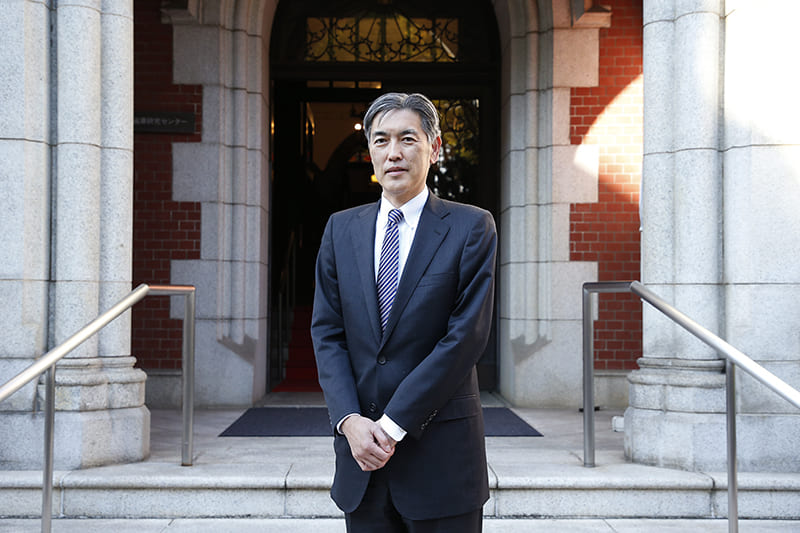
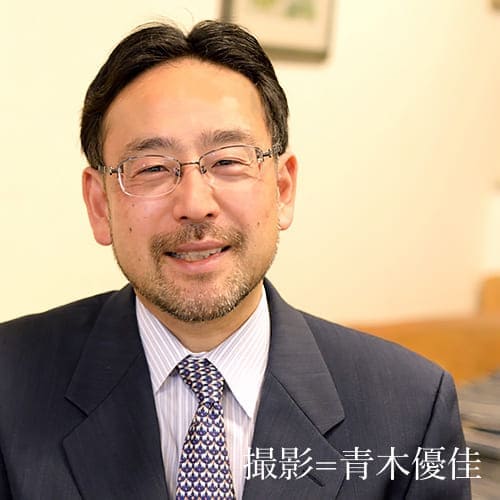
Kosuke Motani
Japan Research Institute senior researcher, Destination Region adviser
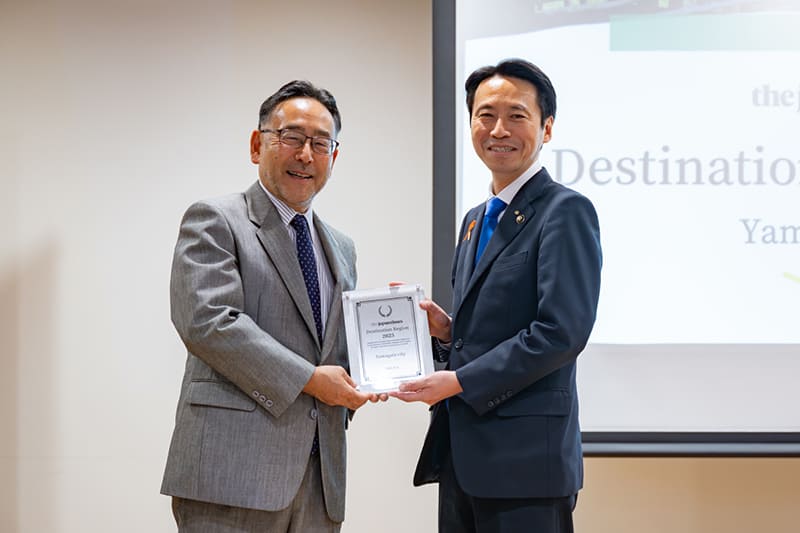
The central Ehime town of Uchiko was selected as this year’s Japan Times Destination Region under an initiative begun in 2025 to recognize Japanese municipalities that The Japan Times wants to promote.
Uchiko will host the seventh Satoyama Practitioners Networking Event on Nov. 14 and 15. This annual event highlights projects and businesses contributing to regional sustainability and encourages like-minded organizations and individuals to exchange ideas and build connections nationwide.
Kosuke Motani, the chief senior economist at the Japan Research Institute Ltd. and an adviser to The Japan Times’ Sustainable Japan Network and Destination Region initiative, said the Shikoku town is a place where one can encounter authentic Japan.
He explained that the town is not home to renowned temples, shrines or a gorgeous castle built by a feudal lord, unlike many well-known sightseeing spots with historic monuments developed by political and economic powers. “This town has not relied on such powers or financial resources. It is the common people who created and preserved the culture, not by building a museum but by maintaining the townscape and their lifestyle. That is what we should call a real cultural asset,” he said.
“Walking through the Yokaichi district is enjoyable because the streets are not straight — there are gentle curves and slopes,” he said, adding that there are also masugata squares with outer and inner gates designed to slow down the entry of enemies. Despite the efficiency of straight roads for today’s motorized world, the town has preserved these features.
The town’s Uchiko-za playhouse was originally built in 1916 and restored in the 1980s, an icon that the local people are proud of. It is now undergoing a long-term repair project. “The town would not have been able to start the costly work of repairing the traditional wooden structure if it had not been for the support and enthusiasm of the local people to pass it on to the next generation,” Motani said.
In addition to the traditional townscape, there is a marketplace called Karari that sells fresh produce. There is also the Ikazaki district, known for gigantic kite battles with a long history, as well as the Miyama district, which has a long-standing tradition of forestry.
“I hope that more people come to Uchiko to experience the culture and industries born from the richness of Japan’s traditional rural villages,” Motani said.