January 13, 2026
To realize a circular economy, Oji advances recycling, partnerships
Contributing writer
Sustainable Japan Network




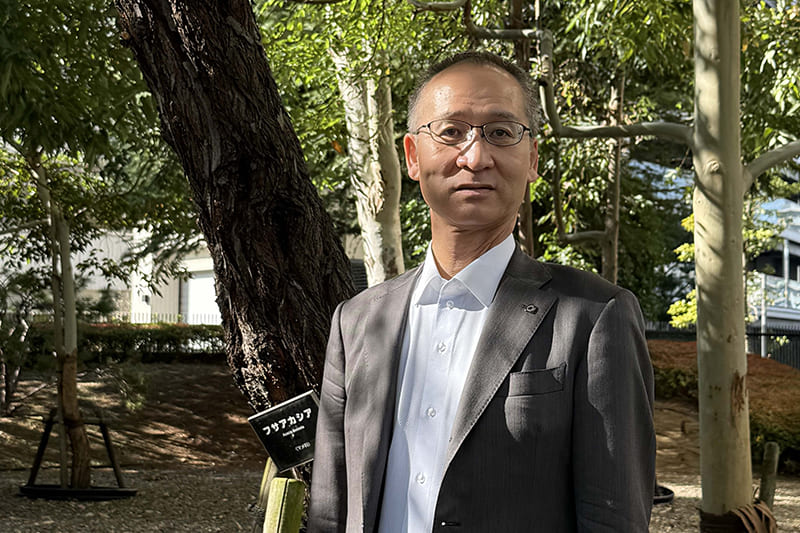
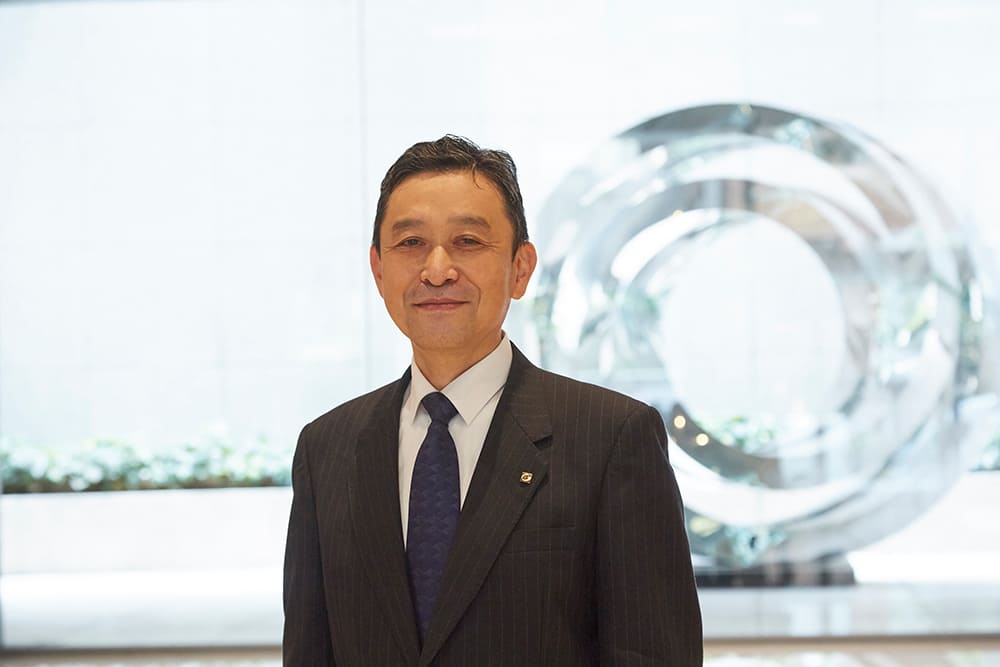
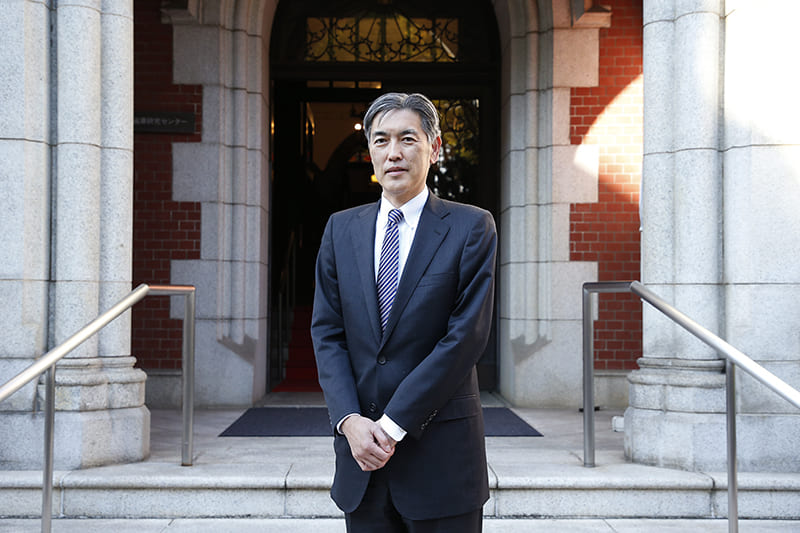
Amid the current trend of reducing plastic use and increasing resource circulation, there is growing momentum to expand the use of paper as an alternative to plastic, said Keiji Shimatani, general manager of the Packaging Innovation Center and Recycling Initiatives Department at Oji Holdings, Japan’s leading paper manufacturer.
However, in order to replace plastic or to expand such uses of paper, processing is needed to give paper qualities it does not have naturally, such as water resistance and greater strength. Paper with special functions can be difficult to recycle, but Oji has advanced research and development on this. In 2022, a team was established to enhance the recycling of paper products, which led to the creation of Renewa, a platform that promotes recycling and increases the presence of paper.
The team’s first project was to recycle paper cups. The primary challenge in recycling is whether recyclable items can be collected efficiently without being mixed with other garbage. “In that sense, paper cups were relatively easy to collect because where they were typically used was identifiable, for example offices and restaurants,” said Shimatani.
Paper cups are generally made from composite materials laminated with plastic film to prevent water leakage, and are generally considered difficult to recycle. However, Oji has been recycling milk cartons made from similar materials for a long time. “We thought that by applying that technology, we could convert paper cups back into paper,” he said. Paper cups are recycled into items such as paper towels, corrugated boxes, tissue boxes and coffee cup sleeves.
Oji has also been recycling paper towels. “The ones used in restrooms are only for drying hands and aren’t dirty,” said Shimatani. The only challenge was that although paper towels are made to be strong against water, the basic method of recycling paper involves dissolving it in water. Using its technology, Oji managed to address this problem and turn the used paper towels into new ones that are distributed back to the offices and other facilities where they were collected.
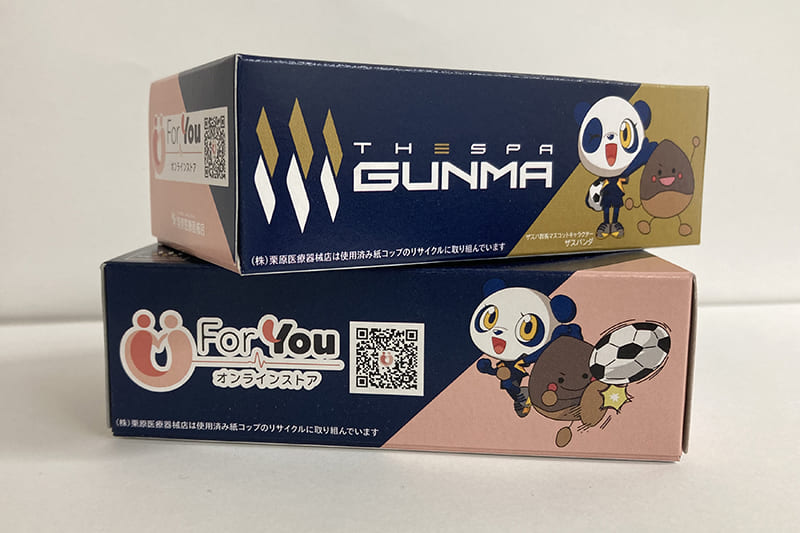
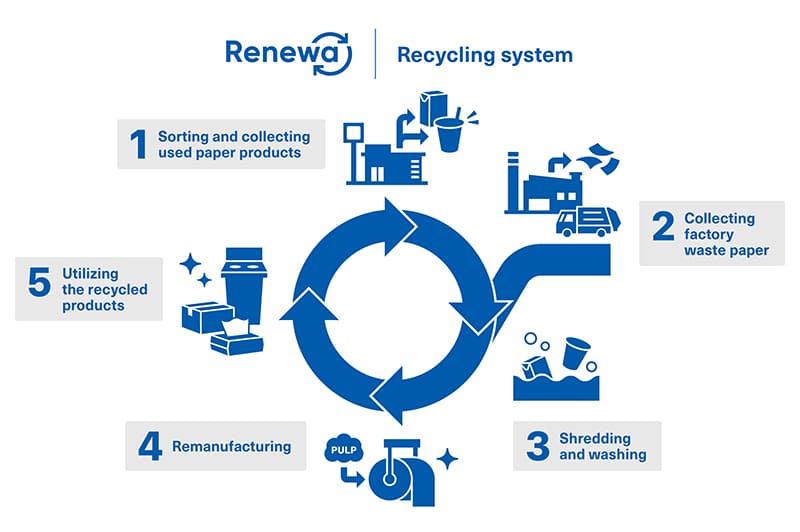
In traditional recycling, it is often unclear to the public what materials are recycled, what they are recycled into and who then uses them. Renewa’s approach emphasizes a closed loop that visualizes the entire cycle of producing, recovering and recycling materials. Shimatani believes this approach will encourage more people to recognize the circulation of resources and participate in recycling. “For the next step, we aim to strongly involve not only companies but also consumers in this loop,” he said.
The management of waste, including collection, disposal and recycling, incurs costs. To ensure the sustainability of this initiative, efforts are being made to minimize costs for participants. “For example, the more businesses that participate in the same area, the smaller the collection and transport costs will be for each participant,” Shimatani said.
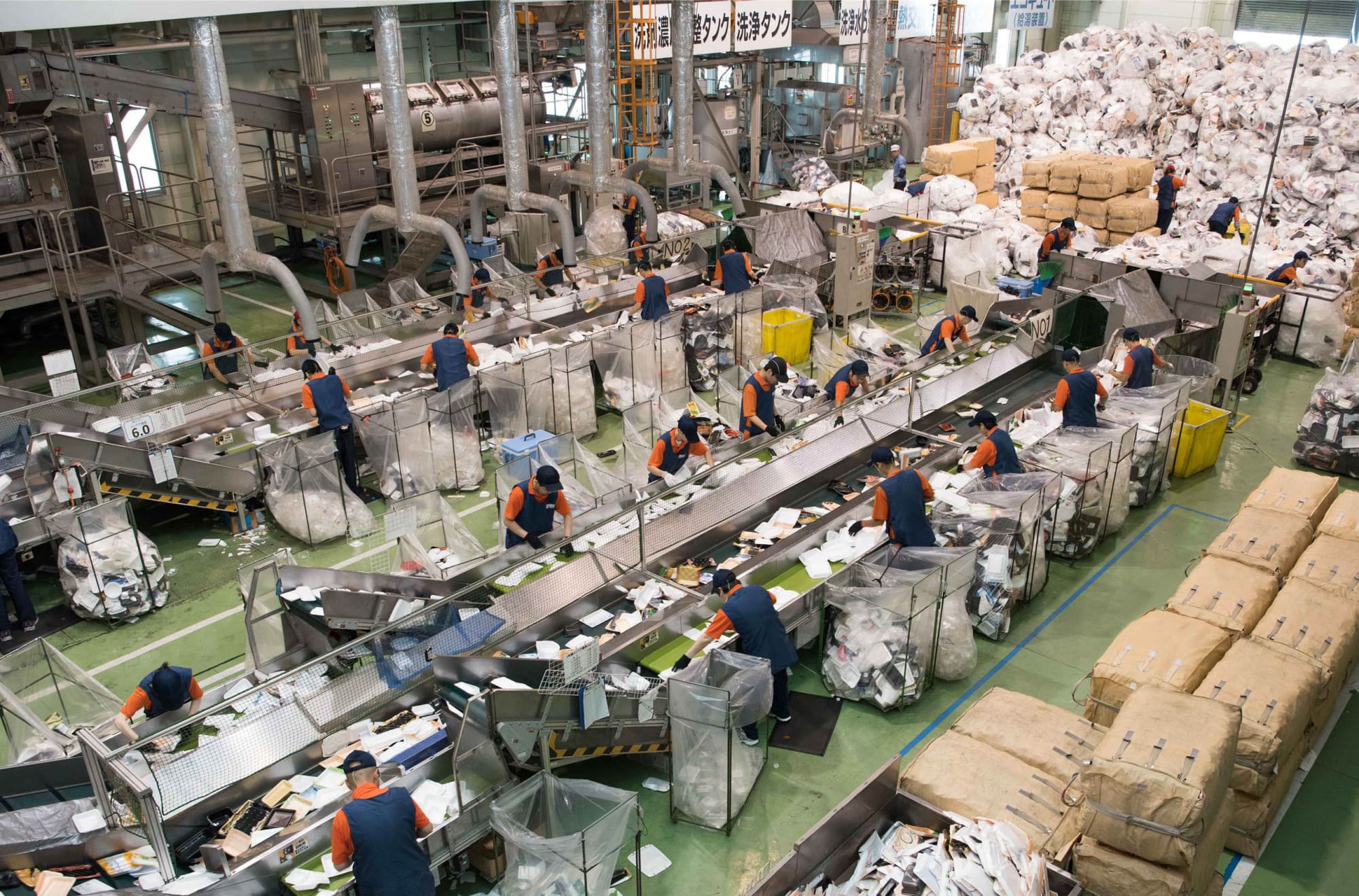
In addition to existing waste collection companies collecting paper cups alongside garbage through their usual routes and unloading only paper cups and paper towels at a designated location, Renewa relies on trucks that deliver office supplies to also collect paper cups and paper towels before returning.
“It is also crucial to establish localized collection loops in various regions, and our role is to coordinate these efforts. We are already running recycling projects with about 15 companies and currently are engaged in discussions with over a dozen more to form new partnerships,” Shimatani said.

In January 2025, for example, Oji launched a collaborative project to collect and recycle used paper cups with three fast-food outlets — McDonald’s, Kentucky Fried Chicken and Tully’s Coffee — located in the same area.
Shimatani mentioned that a new recycling platform involving three companies from different industries — Kao Corp., SoftBank Corp. and Kokusai Pulp and Paper Co. Ltd. — began in August. The platform aims to collect and recycle approximately 1.6 tons of paper cups annually. The goal of this collaboration is to collect 300 tons of paper cups for recycling by 2030 by inviting more participants from Tokyo’s 23 wards to join.
He said Renewa’s future goals are to expand the line of recycled products made from used paper cups and to enhance the recycling networks across the country. While the Oji group has factories nationwide, not all of them currently have recycling facilities. Shimatani explained that, considering transportation efficiency, the company aims to fully equip these factories so that collection and recycling can take place within as small an area as possible.