September 10, 2026
Hibiki whisky in Chinese tea pairs well with shark fin





PHOTOS: TAKAO OHTA
Destination Restaurants is a list of outstanding restaurants throughout Japan, selected and presented by The Japan Times, the country’s oldest English-language newspaper (first published in 1897). Ten restaurants that merit a special trip are chosen each year. Eligible for consideration are restaurants in areas other than Tokyo’s 23 wards and “ordinance-designated cities” with populations of 500,000 or more. Among the selected establishments, one is named the representative Restaurant of the Year. This year, that honor went to Kesennuma Kuromori, which offers fukahire (shark fin) cuisine.
There has been a growing tendency worldwide to view shark fin consumption as ethically problematic in terms of marine ecosystem conservation and animal welfare. Despite this, the Destination Restaurants judges unanimously selected Kesennuma Kuromori as Destination Restaurant of the Year 2026. Their decision took into account chef Yoji Kuromori’s bold vision in working to disseminate shark fin cuisine from Kesennuma, which is said to produce the world’s highest-quality shark fins, based on the region’s long shark fin history and its methods and philosophy of using the entire shark (including the bones) and wasting nothing.


Miyagi Prefecture (Chinese)
Kesennuma Kuromori
Hotel Ikkeikaku, 1-4-7 Benten-cho, Kesennuma-shi, Miyagi Prefecture
Tel: 0226-25-7660
https://kesennuma-kuromori.jp
Kesennuma Kuromori and the renowned Japanese whisky Hibiki have carried out a special collaboration, proposing a unique Hibiki drinking style that harmonizes with Kuromori’s shark fin cuisine. The chef has created a new and unique Hibiki Chinese tea highball on a foundation of the Chinese tea served daily at his restaurant.
Kuromori said: “I created a sparkling Chinese tea by adding carbonation to tea that I made from a blend of three types of Chinese tea leaves, with Dongfang meiren as the base tea, plus Lapsang souchon and rose tea. After trying various ratios, I decided on one part Hibiki to three parts tea.”
First, the fragrant aroma of Hibiki wafts through the air as the glass approaches the lips. With a sip of the highball, a refreshing sensation spreads over the tongue — but as soon as the carbonation vanishes, the rich, mellow taste and fragrance of Chinese tea follow seemingly out of nowhere. The flavors of Hibiki and Chinese tea then linger for a time after drinking.
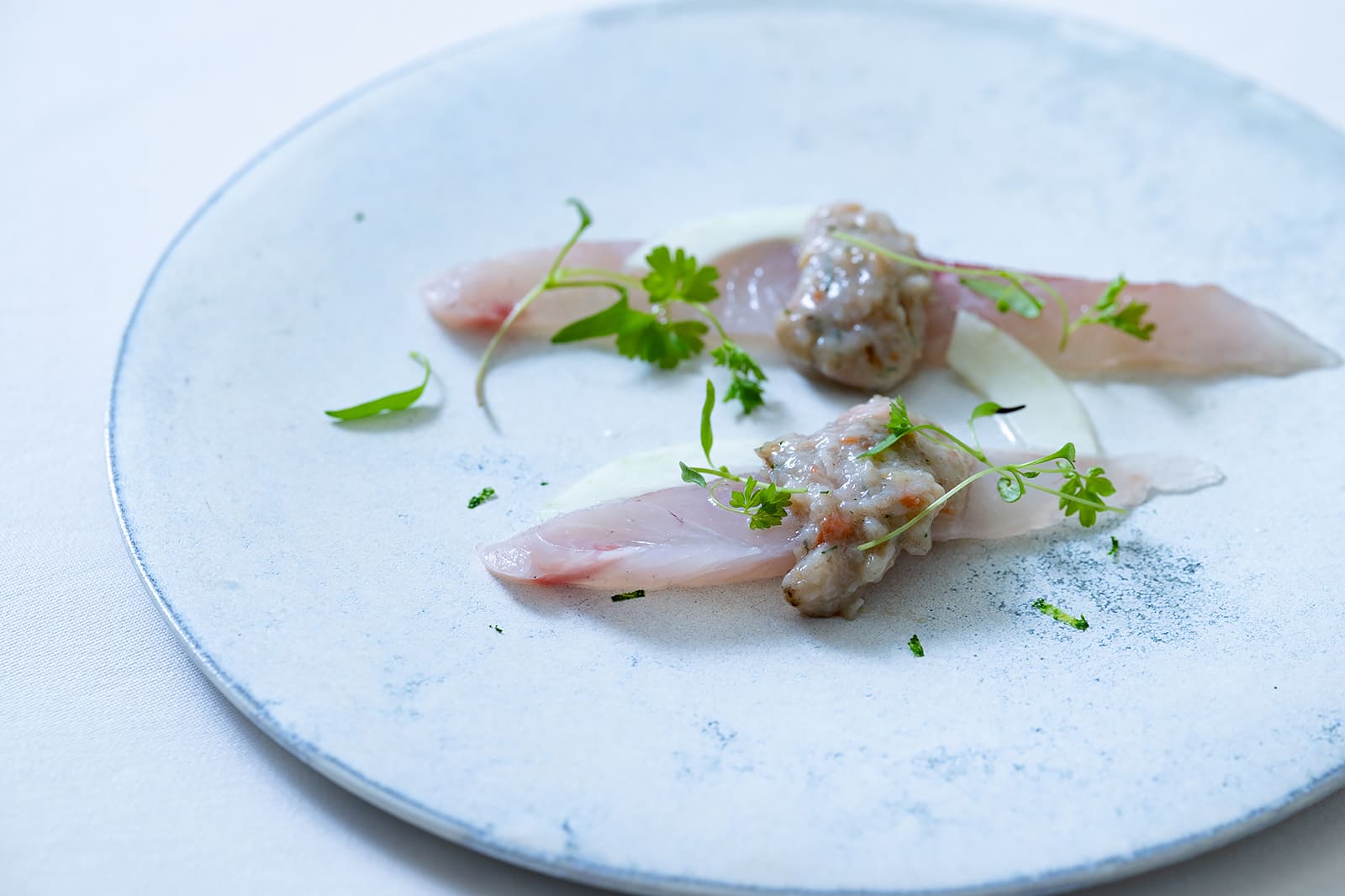
To pair harmoniously with the Hibiki Chinese tea highball, Kuromori selected a dish featuring salmon shark engawa (dorsal fin muscle), served as an appetizer in his course cuisine. Most people think of shark fin as soft and gelatinous, but here the fin is deep-fried and delightfully crisp. This superb dish showcases ingredients and flavors that cannot be found anywhere but here.

“This restaurant’s cuisine is omakase-style, so it’s always changing,” said Kuromori. “The course menu normally includes nine dishes, all of which contain shark fin, so I organize it in a way that creates variation in flavors and textures. I chose this dish because it betrays, in a positive sense, the expectation that shark fin is always gelatinous. And I decided to make a highball with Chinese tea because the tea cuts the oiliness of Chinese cuisine and refreshes the mouth after eating shark fin.”
Kuromori also emphasizes incorporating seasonal ingredients and using local food products. He said: “My shark fin cuisine is always created with awareness of ‘local production and local consumption’ and awareness of the seasons. I use only seasonal foods from here in Miyagi and the Iwate region. For instance, let’s say bamboo shoots are harvested in Kagoshima in spring. In that case, Japanese restaurants in Miyagi might use those bamboo shoots ahead of the season. But I don’t use them until it’s the season for them here in Miyagi. I don’t get ahead of the seasons or chase after them. My feeling is that if I used products from outside the region in dishes eaten in this restaurant space, it would disturb the balance of the cuisine and the balance of guests’ physical condition. Eating seasonal and local products is one principle of medicinal cuisine, and I think eating seasonal foods is good both for health and for the environment.”
Kuromori’s thinking aligns with the ideas inherent in Hibiki, which was perfected by delicately harmonizing the characters of the diverse whiskies that go into its creation — the ideas of respect for nature, sensitivity to the changing seasons and the characteristically Japanese spirit of harmony, which attains beautiful equilibrium while embracing diverse elements. We hope you will visit Kesennuma and experience for yourself the harmony of Hibiki and fukahire cuisine.

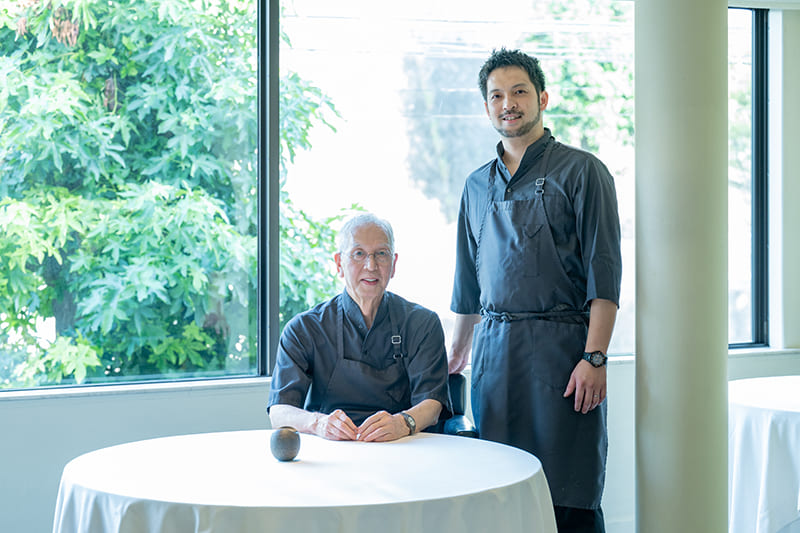
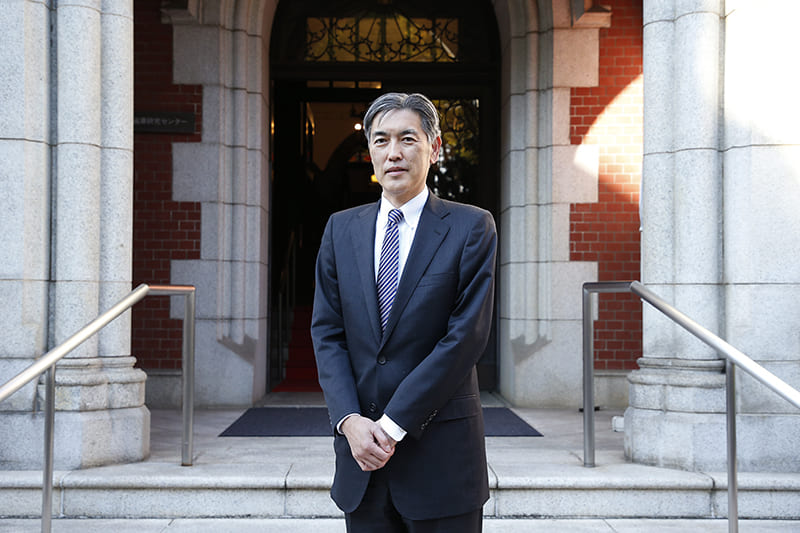
YOJI KUROMORI
Born in 1976 in Yokohama, Kuromori lived in Hokkaido between the ages of 8 and 20. After high school, he started his culinary career at a Chinese restaurant in a Sapporo hotel, then moved to Tokyo when he was 21. At Hong Kong Garden in Nishi-Azabu, he received training in Cantonese cuisine and dim sum from the restaurant’s Hong Kong-born chef. Kuromori then joined the Fukurinmon restaurant group and became its first Japanese head chef. He subsequently worked in the restaurant-consulting industry. The Tohoku earthquake of 2011 prompted his decision to move to Sendai in October of that year. Following stints at a gyoza restaurant and in catering, he opened the restaurant Kuromori in 2014. After relocating twice in Sendai, he opened Kesennuma Kuromori in the city of Kesennuma in September 2025.

Destination Restaurants 2026 of the Yearに選ばれた『気仙沼KUROMORI』と日本を代表するウイスキー「響」がコラボレーションを行った。その内容は、シェフ黒森洋司が生み出すフカヒレ料理に合う「響」の飲み方を提案するというもの。黒森は普段彼の店で提供している中国茶をベースに今までにない「響」の中国茶ハイボールを生み出した。
「東方美人をベースに、ラプサン・スーチョン、バラ茶の3つの茶葉をブレンドした中国茶にガスを充填し、炭酸中国茶をつくり、ハイボールにしました」と黒森は説明する。
グラスを口に近づけるとまず「響」のかぐわしき香りが漂い、飲んだ瞬間はハイボールの爽快感が口の中に広がる。しかし炭酸が口の中から消えた瞬間に、どこからともなく中国茶の芳醇な味わいと香りが追いかけてくるのだ。飲んだ後しばらく、「響」と「中国茶」の余韻が残る。
その「響」の中国茶ハイボールに合う料理として黒森が選んだのは「モウカザメの“えんがわ”」を使った一皿である。