January 19, 2026
Factelier: Revitalizing Japan’s manufacturing culture
Sustainable Japan Award: Satoyama Grand Prize




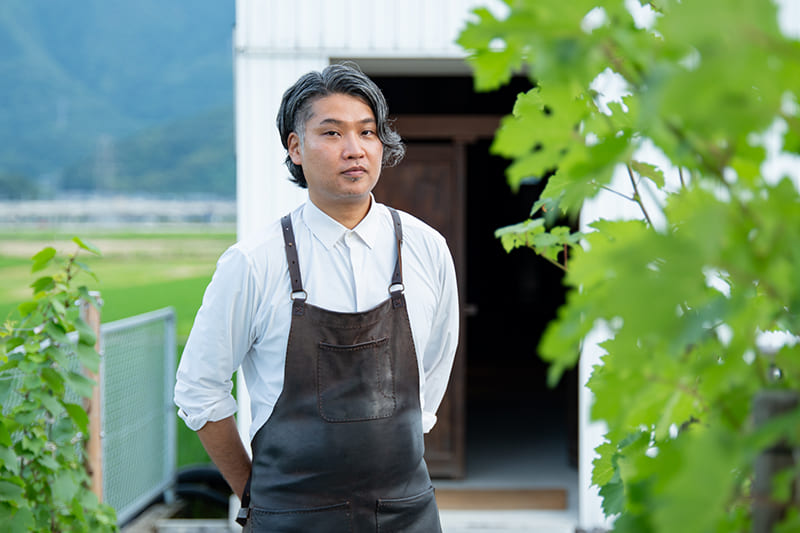
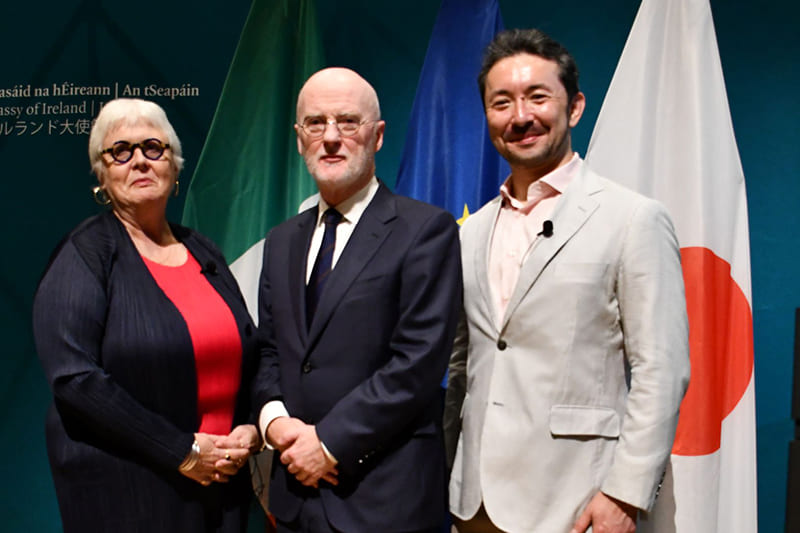
“We want to help keep a cycle in which makers are properly recognized and rewarded going,” said Toshio Yamada, the CEO of Lifestyle Accent Inc., the Kumamoto-based company behind the apparel brand Factelier. Lifestyle Accent was named the Grand Prize winner in the satoyama category of The Japan Times’ Sustainable Japan Award 2025.
Yamada grew up in a family that has run a clothing store in a shopping district of Kumamoto for more than a century. Even as large retailers and fast fashion expanded, the store endured, he recalls, because it had built relationships in which customers chose to buy not simply because of what was sold, but because of whom they were buying from.
Watching his parents at work from an early age, Yamada gradually came to internalize a simple belief: that clothing has the power to change, even if only slightly, how people face the day ahead.
The domestically produced share of Japanese apparel brands, which stood at around 50% in 1990, is estimated to have declined to about 1% by 2025. Factories responsible for fabric production and sewing have rarely been visible, leaving limited opportunities for makers to be properly recognized. While brands and trading companies have posted strong business results, many manufacturing sites have remained at or near minimum-wage levels. Yamada found this imbalance troubling, sensing that gratitude and value were not circulating in a balanced way within the industry.
A turning point came when Yamada went to France at 20 to study design. While working at Gucci’s Paris boutique, he came to realize that iconic brands such as Gucci, Hermes, Chanel and Louis Vuitton all originated in factories and ateliers. For Yamada, who until then had viewed the industry largely from a retail perspective, his time in France marked the first moment he confronted the act of making — and the people behind it — head-on.
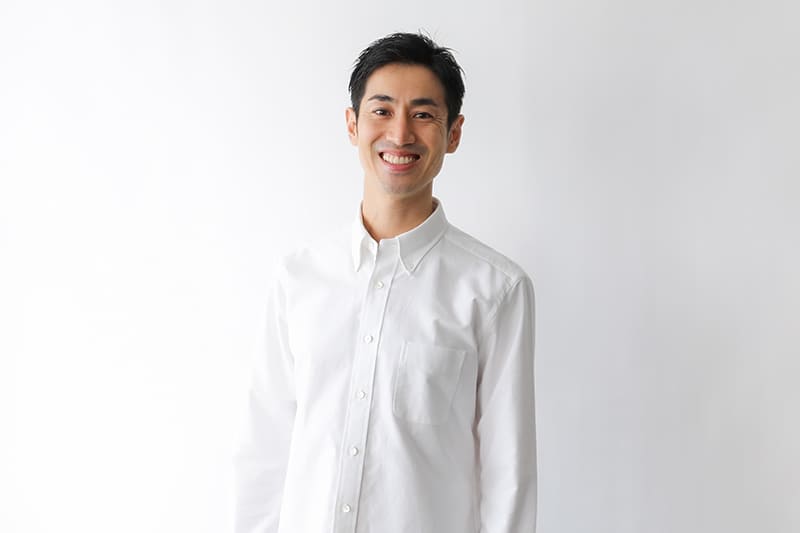
“It was there that I truly learned what it means to respect the people who make things,” Yamada said. He began to see building globally respected brands from Japan as work worthy of a lifetime’s commitment.
It was from these convictions that Factelier was born. Developed by Lifestyle Accent, Factelier is an apparel brand whose products are all made in Japan. The brand is defined by timeless, understated designs meant to be worn for years, with careful attention paid to pattern-making — central to comfort — as well as to fabrics and silhouettes that resist wrinkling and maintain their shape through repeated washing. “What matters most to us is whether a garment helps the wearer straighten up, both mentally and physically,” Yamada said.
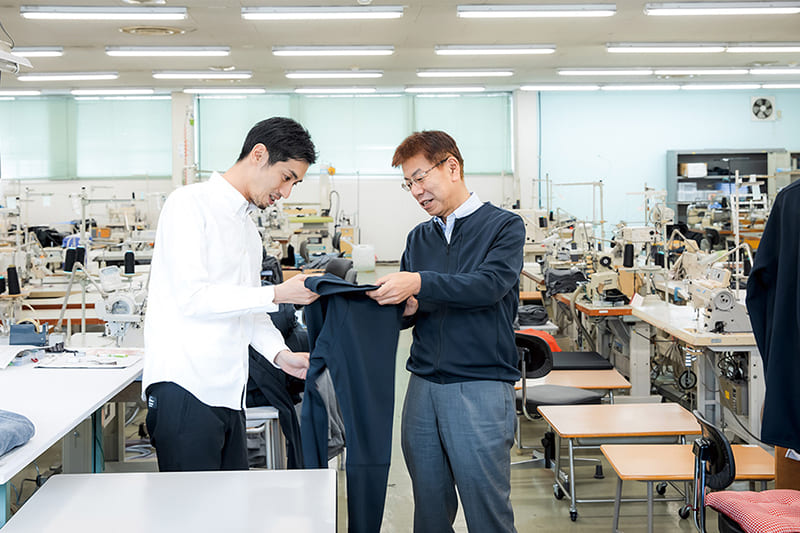
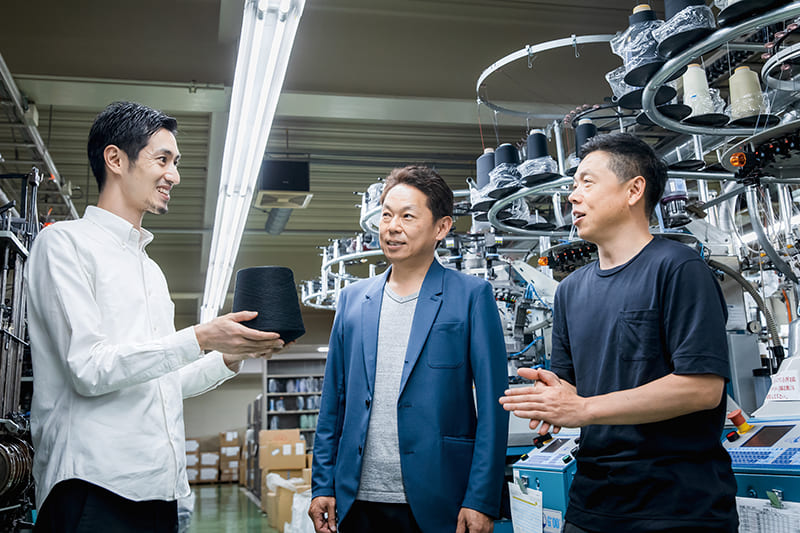
What sets Factelier apart is its production and sales model. The brand works directly with highly skilled factories across Japan, carrying out every stage of production domestically, from fabric development to sewing. Each product clearly identifies the factory responsible for its manufacture, and prices are set by the factories themselves. Central to this approach is a commitment to enabling factories to fully leverage the skills and strengths they have cultivated over time, and to express that value directly through the prices they determine.
Sales are conducted primarily online, supported by physical bases in Tokyo and Kumamoto, where fitting samples are made available. By keeping intermediary costs low, the company has built a structure that allows value to be returned more fairly to those who make the products.

As the model has continued, some partner factories have begun increasing the share of production devoted to their own brands. Alongside improved profitability, this shift has helped create more stable operations, enabling factories to maintain production even during slower periods.
Bringing products to market under their own names has also had a positive effect on motivation on the factory floor. Yamada says he is beginning to see tangible signs that craftsmanship, earnings and a sense of pride are starting to come together.
In recent years, this approach has expanded beyond the boundaries of the apparel industry. In a collaboration with Karimoku Furniture, one of Japan’s leading furniture makers, Factelier has produced stools made from oak that would otherwise have been discarded due to pest damage, as well as wooden hangers crafted from thinned timber. The initiative represents an effort to assign new value to domestically sourced wood that has not been fully utilized.
Creating a cycle in which makers are fairly recognized and rewarded, Yamada says, is not an extraordinary act, but an essential one — like quietly illuminating a corner of society. “If there is even one person in a class who seems a little down, you reach out and speak to them,” he said. “I think that’s simply the natural thing to do.”