August 31, 2026
Nomura Holdings builds a vision for uniting global staff




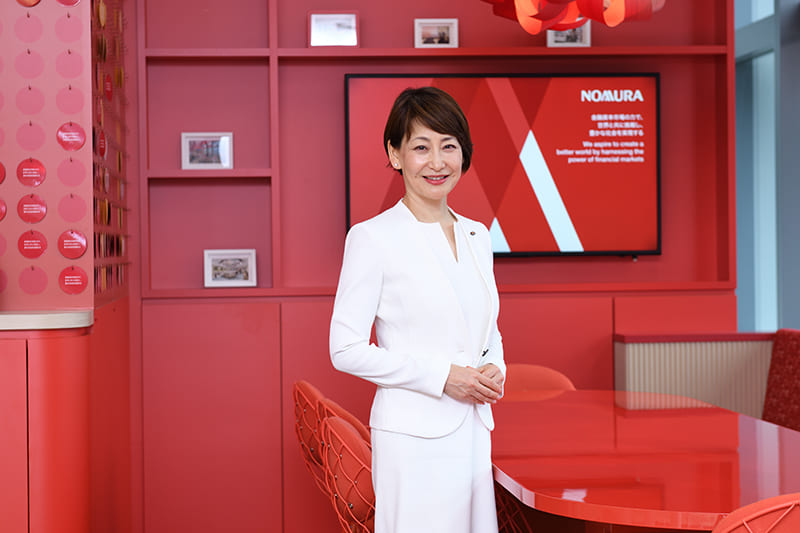
To mark its 100th anniversary in 2025, Nomura Holdings Inc. established a corporate purpose for the entire Nomura Group: “We aspire to create a better world by harnessing the power of financial markets.”
A clear corporate purpose may be especially important for Japan’s largest brokerage group, which expanded rapidly worldwide after acquiring parts of Lehman Brothers’ operations in the Asia-Pacific region, Europe, the Middle East and Africa in 2008. To bring employees together globally, Nomura has needed shared goals and strengthened motivation.
Today, the group has about 29,000 employees worldwide, including 15,000 in Japan. For the latest business year, which ended in March, it posted a record net profit of ¥362.1 billion ($2.2 billion), up 6% from the previous year, on total revenue of ¥2.17 trillion, up 15%.
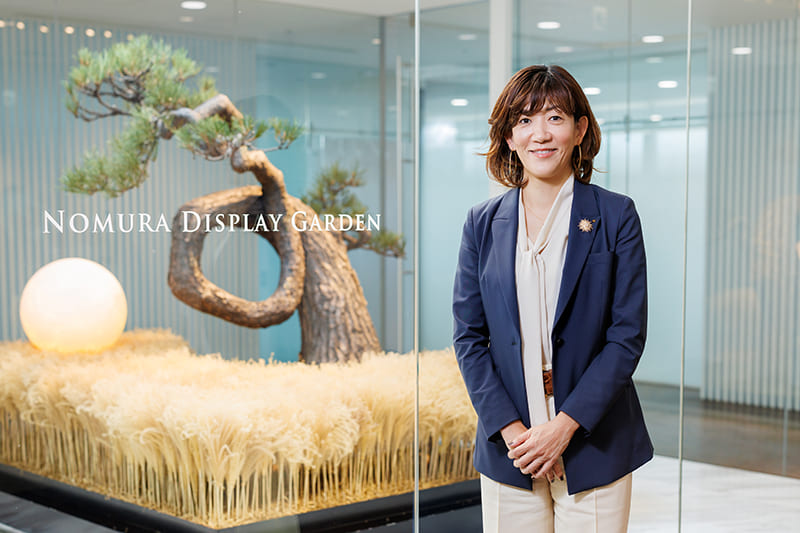
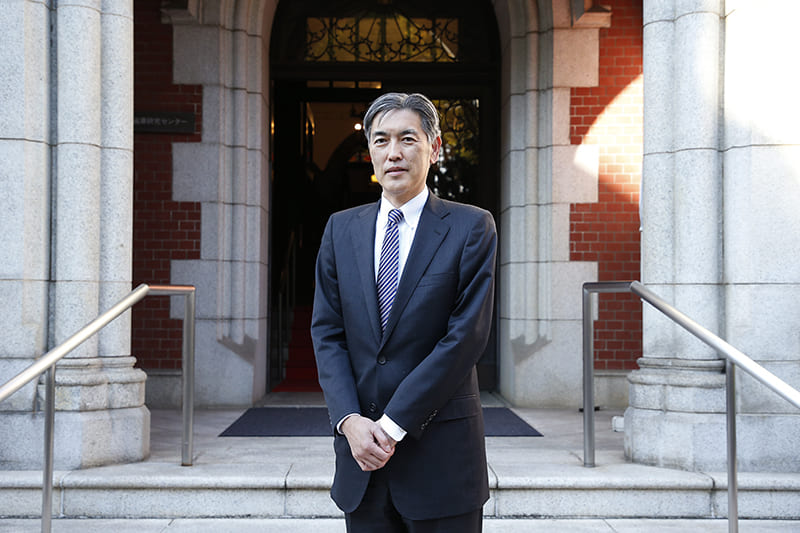
“As we looked toward the next 100 years, we decided to put into words what we should strive to achieve as a group,” said Yukiko Ozaki, Nomura’s chief human resources officer, in a recent interview, part of a monthly series by Naonori Kimura, a partner at the consulting firm Industrial Growth Platform Inc. “But articulating it was not our goal. What we wanted was to define a corporate purpose from a global perspective and, through discussions that crossed departments and divisions, connect it with each employee’s personal purpose.” She added that the discussions with more than 10,000 workers at home and abroad took three years to complete.
Since creating the corporate purpose, Nomura executives and employees around the world have continued to hold discussions. They are encouraged to recognize how their personal purpose connects with the group’s and are putting that understanding into practice, she said.
Ozaki said the Lehman acquisition in 2008 was a milestone in Nomura’s corporate history, as it dramatically changed the organization and enabled the financial group to strengthen its global presence, although Nomura’s fundamental task of circulating capital in society to enrich stakeholders’ lives has not changed.
Strengthening corporate ethics
It is also essential for Nomura to reflect on what matters most in its business, following incidents of misconduct.
“We have designated Aug. 3 as Nomura Founding Principles and Corporate Ethics Day. Every year, we reaffirm our commitment to preventing such incidents from happening again,” Ozaki said. On that day, group executives and employees pledge to comply with the Nomura Group Code of Conduct and discuss how to understand and follow it in practice.
Since Nomura Securities Co. was established in 1925, the brokerage group has expanded its business, driven by its sales capabilities. During Japan’s economic boom in the late 1980s, Nomura and other domestic brokerages benefited from inflated stock prices, although the long downturn since then has undermined their financial health. In 2008, the collapse of Lehman Brothers at the climax of the subprime mortgage crisis in the United States sent shock waves through the world economy, with the financial industry continuing to suffer until recent years.
Supporting social well-being
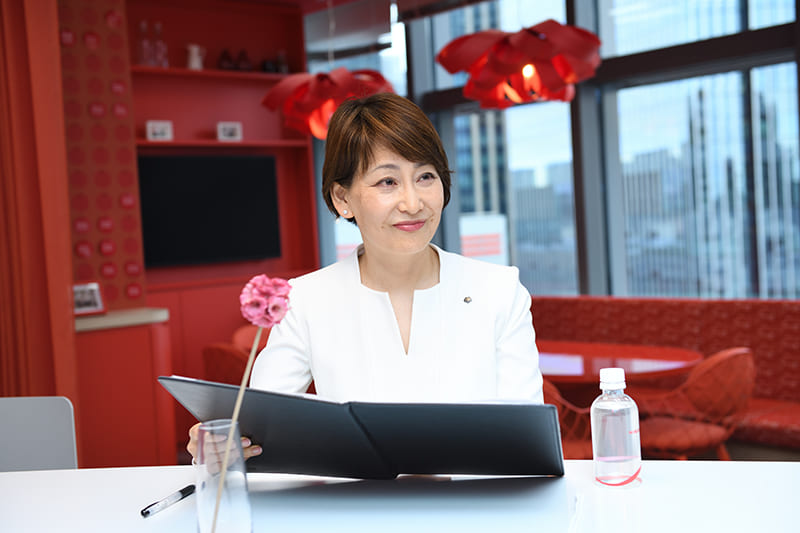
Ozaki said the group’s sustainability management has two aspects: One is to support its customers and stakeholders, and the other is to make its own activities sustainable.
As part of the first aspect, Nomura established the internal Well-Growing Institute (WGI) earlier this year, designed to promote a wide range of activities that support people’s well-being. “We established the WGI to advance our purpose-driven management and promote well-being in a broader sense, including physical and psychological well-being,” Ozaki said. “The WGI serves as a foundation for integrating sustainability management across projects, social impact, financial education and human capital.”
For example, Nomura has sent staff members to thousands of schools nationwide, from elementary schools to universities, to help young people improve their understanding of economics and finance. It has also launched websites so that they can learn finance and economics to improve financial literacy and has provided teaching materials for schools.
Last year, the group established a new credit line for companies using advanced technologies to create or expand businesses in areas such as the environment, energy, decarbonization, health and education. Such borrowers include unlisted companies seeking to address social issues from a long-term perspective and projects aimed at transforming value chains.
In 2020, to support sustainable projects and finance overseas, Nomura bought Greentech Capital Advisors LLC, a U.S.-based investment banking firm specializing in M&A for sustainable technology and infrastructure companies. The business was integrated into Nomura’s investment banking business under the name Nomura Greentech and offers its services in New York, San Francisco, Chicago, Zurich and Paris.
Developing future talent
To help make its own activities sustainable, Nomura has strengthened its human capital by changing its criteria to evaluate employee performance.
“We have put more stress on qualitative performance appraisal for the last few years,” Ozaki said. “Beyond just numerical targets, leadership skills and the ability to develop and educate team members are now also important factors for promotion.” Also, essential factors for global evaluation include a willingness to take on challenges and an understanding of inclusion, in addition to professional ethics, risk management, compliance and conduct.
Ozaki, who also serves as chief health officer, said that the group announced its health management initiative in 2016 to promote employees’ physical and mental health, which is vital to enabling them to perform at their best. Nomura has also introduced steps to support women’s health, including subsidies for low-dose birth control pills and egg freezing, along with more flexible leave for fertility treatment.
For the next 100 years, what will matter for sustainable organizations is the added value each employee brings, Ozaki said. “Employees will be judged by their own expertise, technologies, skills and experience,” she said.
To help employees enhance their value and broaden their perspectives, the group offers opportunities for assignments to other units, including startups, so they can gain wider experience, she said.
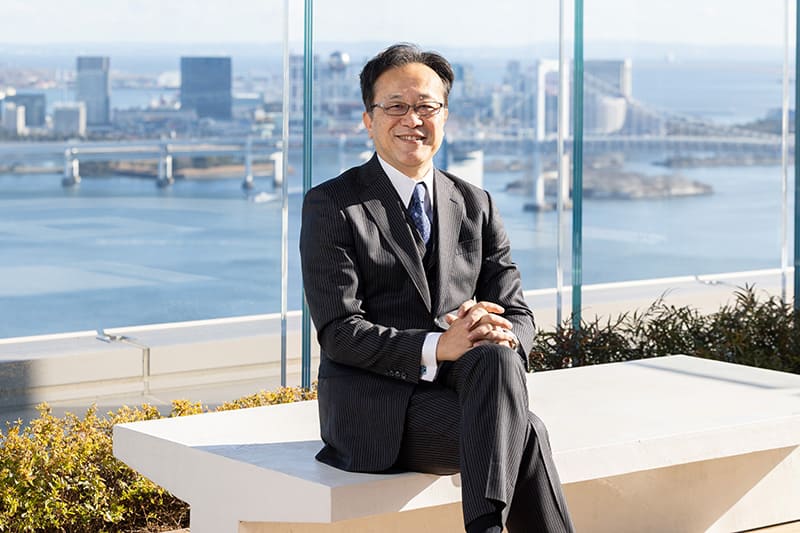
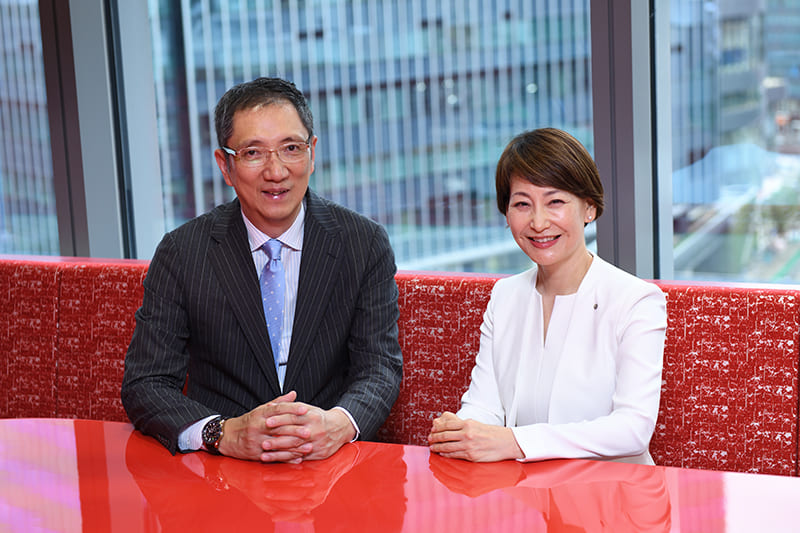
Naonori Kimura
Industrial Growth Platform Inc. (IGPI) Partner
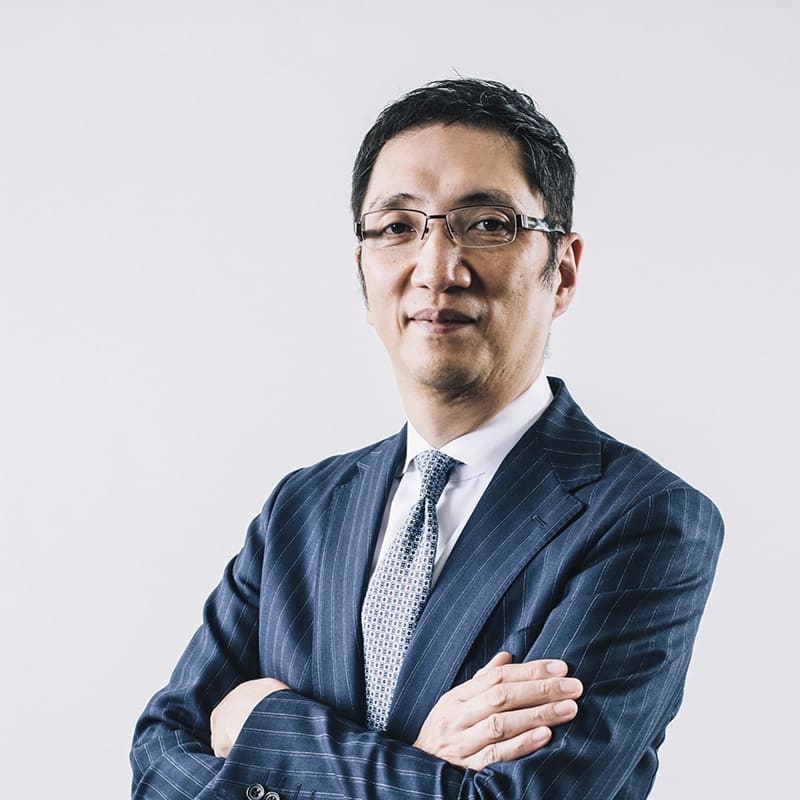
Nomura Holdings Inc. has formulated its group purpose with an eye toward the next 100 years. What the company emphasized was the way it positioned the development process as an opportunity to put human capital management into practice. Over a period of three years, the company engaged in dialogue with more than 10,000 employees, while executives themselves visited each organization to deepen discussions, fostering a culture in which each employee connects the meaning of working at Nomura with their own personal purpose. To implement its purpose, the company has revised its domestic evaluation system and is also actively investing in ongoing reskilling and talent development to help employees adapt to the changes. Its approach to D&I was also impressive, positioning diversity and inclusion as a management foundation for sustainable corporate growth. Furthermore, its response to the expanding green finance market, particularly in Europe and the U.S., is itself a business strategy that views changes in financial and capital markets as growth opportunities. Through initiatives including financial and economic education and the establishment of the Well-Growing Institute, the company demonstrates a distinctly Nomura-like commitment to achieving both social value creation and enhanced corporate value through its core business. In an era when the role of finance itself is changing, Nomura’s challenge will likely offer new insights into what financial institutions should become over the next 100 years.