September 28, 2026
JWLI Women’s Fund opens new possibilities for women leaders




Japan has long ranked last among the Group of Seven nations in the World Economic Forum’s Global Gender Gap Index. In 2026, it placed 117th out of 145 countries, with women remaining significantly underrepresented in decision-making positions, particularly in politics and business.
The picture is different in the social sector, where many women leaders are working to address challenges in their communities. A survey by the NPO Support Center found that women head roughly 45% of Japan’s nonprofit organizations. Yet many organizations face chronic shortages of funding and human resources, limiting the organizational capacity needed for their leaders to fully realize their potential.
In response to these challenges, the Boston-based Fish Family Foundation, which operates the Japanese Women’s Leadership Initiative (JWLI), has joined forces with two global philanthropic foundations to launch the JWLI Women’s Fund. The three foundations have jointly committed ¥200 million (approximately $1.3 million) to advance women’s leadership and gender equality in Japan.
The Fish Family Foundation was established in Boston in 1999 by Atsuko Toko Fish and Larry Fish to support nonprofits serving immigrants, low-income families and other underserved communities. Troubled by the lack of women leaders in Japan and the limited support available to them, Atsuko later founded JWLI and began offering leadership training programs in 2003.
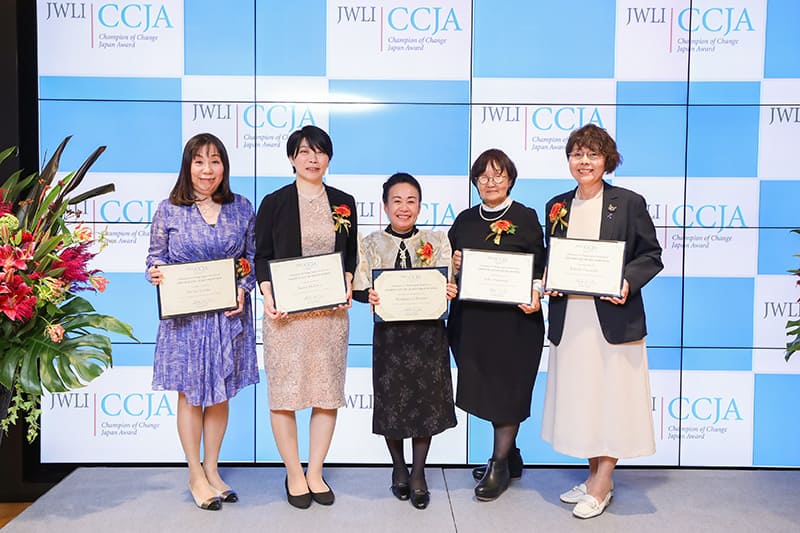
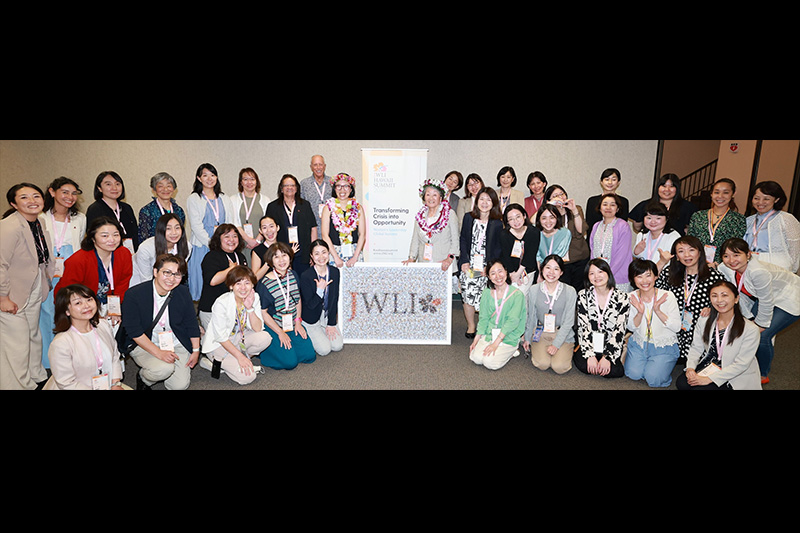
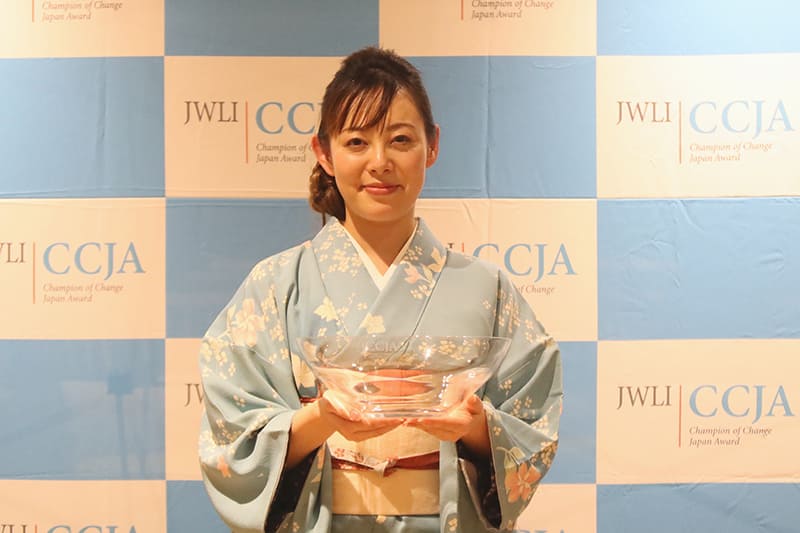
Since then, JWLI has developed a range of programs, including a fellowship that brings women leaders from Japan to Boston; the Champion of Change Japan Award (CCJA), which recognizes women driving change at the grassroots level; three-day boot camps held in rural Japan; and a scholarship program for students with immigrant backgrounds. Over the past two decades, these initiatives have built a network of about 250 alumni.
In turn, these alumni step up to support the next generation of leaders. Rather than relying on the foundation alone for continued support, former participants pay it forward, carrying forward the support and experience they themselves received through JWLI.
Yet JWLI came to recognize that cultivating individual leaders alone was not enough. No matter how much knowledge and leadership experience they gained, many returned to organizations struggling with management challenges and chronic funding shortages.
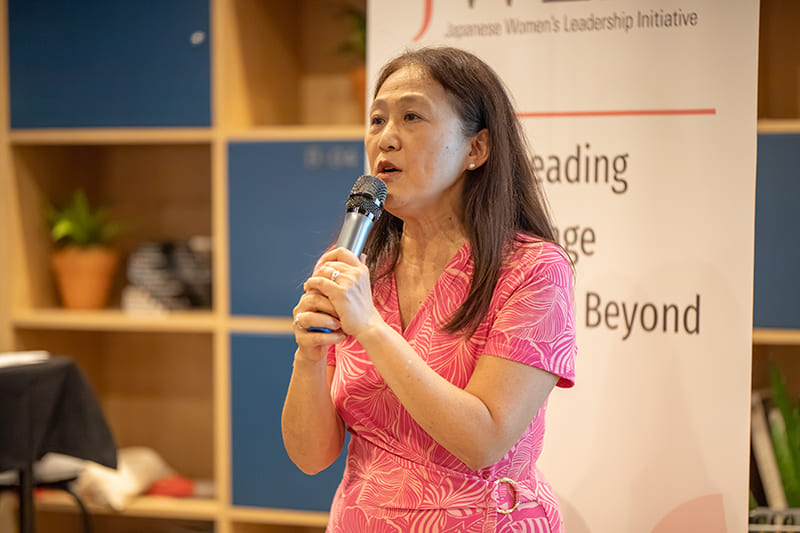
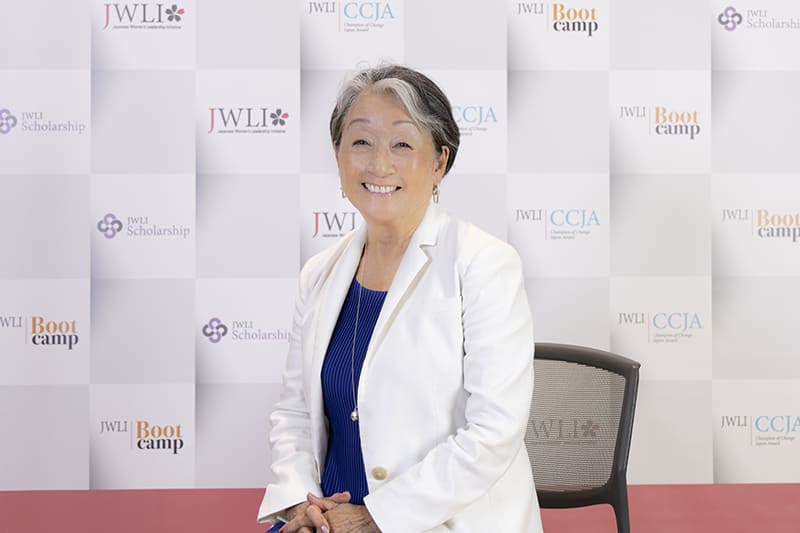
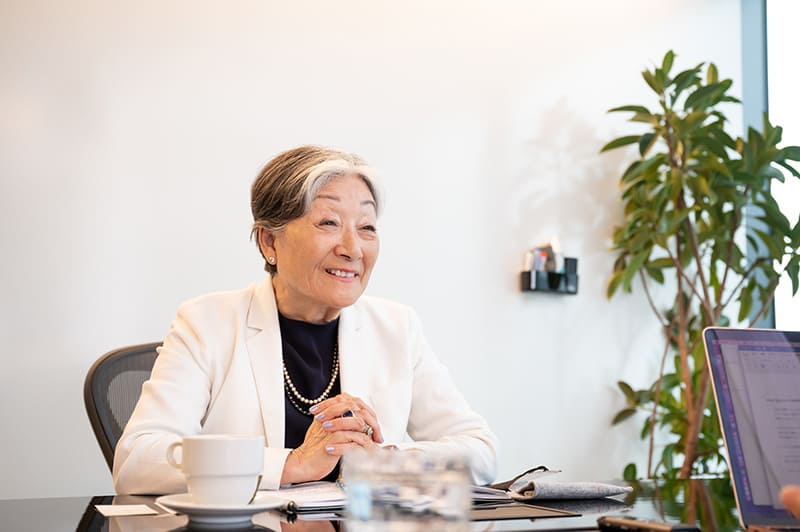
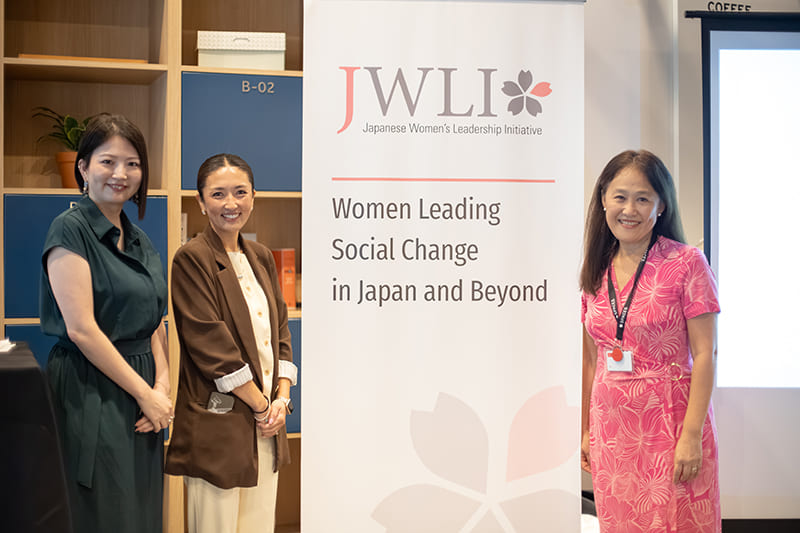
Noriko Namiki, who became CEO of JWLI in July, has spent 13 years as CEO of YWCA O‘ahu, a long-established organization supporting women in Hawaii. She explained what led to the creation of the fund: “We have seen so many remarkable leaders emerge over the years, but there are barriers that individual effort alone cannot overcome.”
Reflecting on the thinking behind the fund, Namiki emphasized the need to strengthen the organizations surrounding these leaders. “To support leaders working on the front lines, we realized that we need to strengthen the organizations themselves and create an environment in which they can truly thrive.”
The JWLI Women’s Fund plans to select approximately 14 organizations for its inaugural cohort. Each recipient will receive ¥2.5 million (approximately $17,000) annually, totaling ¥5 million over the two-year grant period.
A key feature of the fund is its embrace of trust-based philanthropy. The grants are virtually unrestricted, except that they cannot be used to cover deficits, allowing recipients to allocate funds flexibly according to their needs.
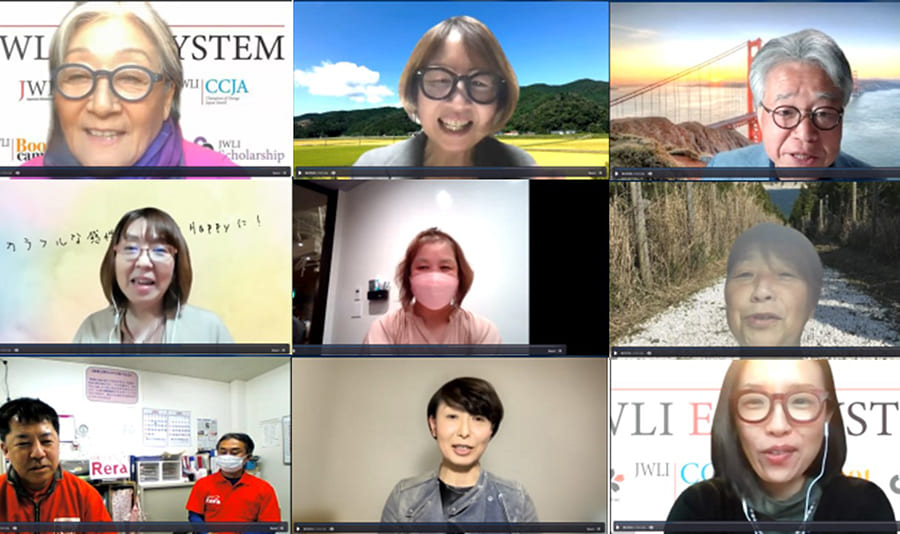
The fund’s support extends beyond financial backing. Drawing on specialist expertise, JWLI will provide ongoing capacity-building support and practical knowledge to help grantees strengthen their organizations. By connecting grantees with its broader network, JWLI also aims to build an ecosystem in which participants can learn from and support one another.
“During our information sessions, we heard many hesitant questions, such as, ‘Is an organization as small as ours really eligible?’ and ‘Can we really use the grant for personnel costs?’” Namiki said. “But those who understand the challenges facing their communities best are the people working on the ground every day. Rather than creating a hierarchy between funders and recipients, we want to respect their expertise and work alongside them as equal partners.”
Building on its partnership with international foundations, JWLI ultimately aims to expand its circle of support to include Japanese corporations and domestic grantmakers, creating a sustainable funding ecosystem for women leaders and nonprofits across the country.
“There’s a saying: ‘You miss 100% of the shots you don’t take,’” Namiki said. “Nothing happens if you hold yourself back from the outset, thinking, ‘Maybe this isn’t for me.’ It’s our job to say no, not yours. We want leaders on the ground to think big and take that chance.”
Rather than simply maintaining their current activities, JWLI hopes grantees will look beyond the status quo and envision the broader social change they want to create. It is looking for organizations with the ambition to turn that vision into reality.