December 08, 2025
Nonprofit helping immigrant women wins CCJA prize




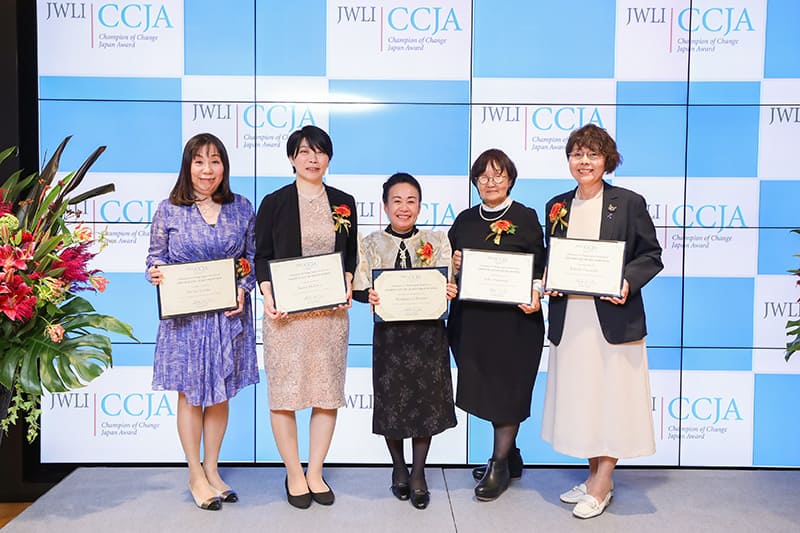
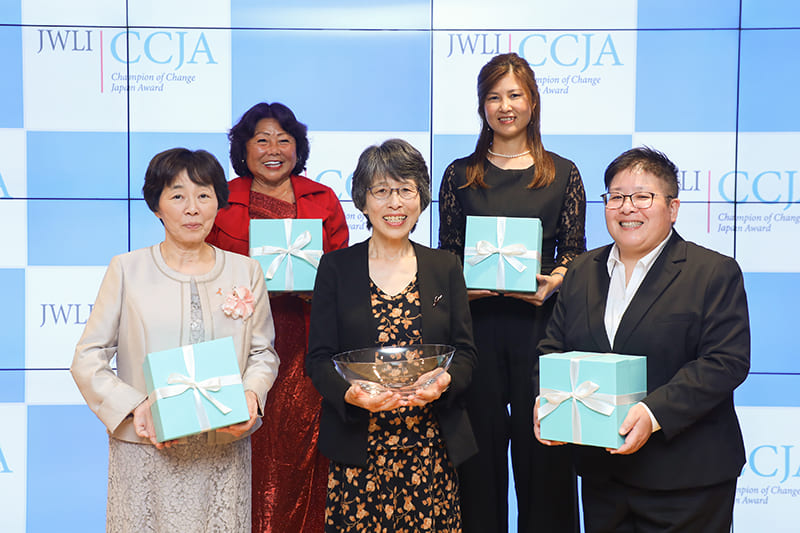
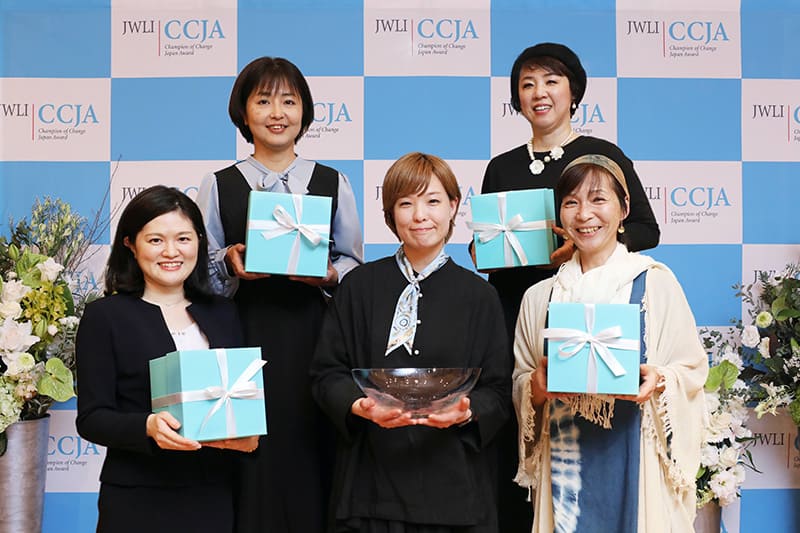
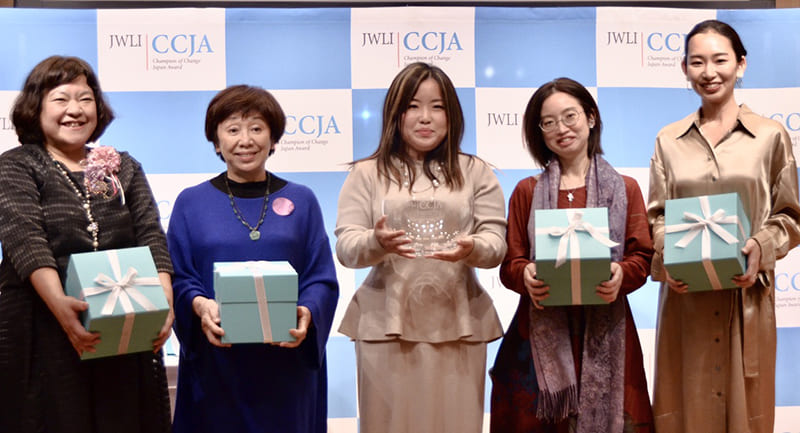
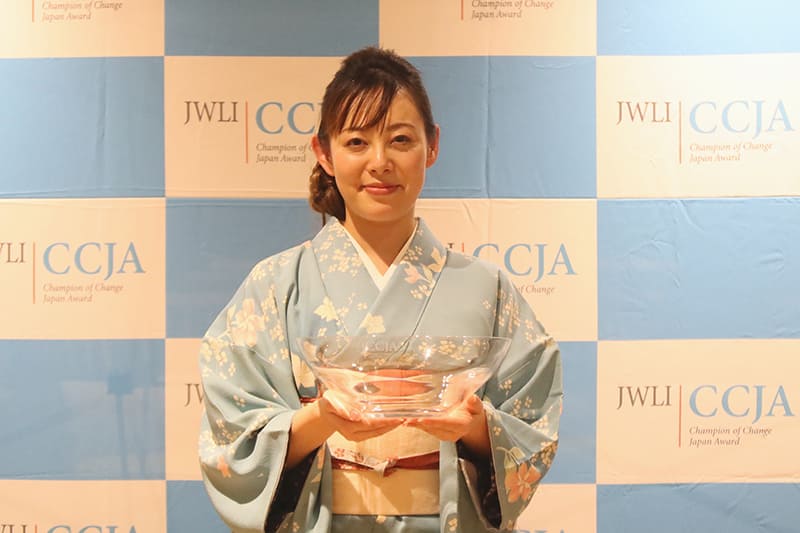
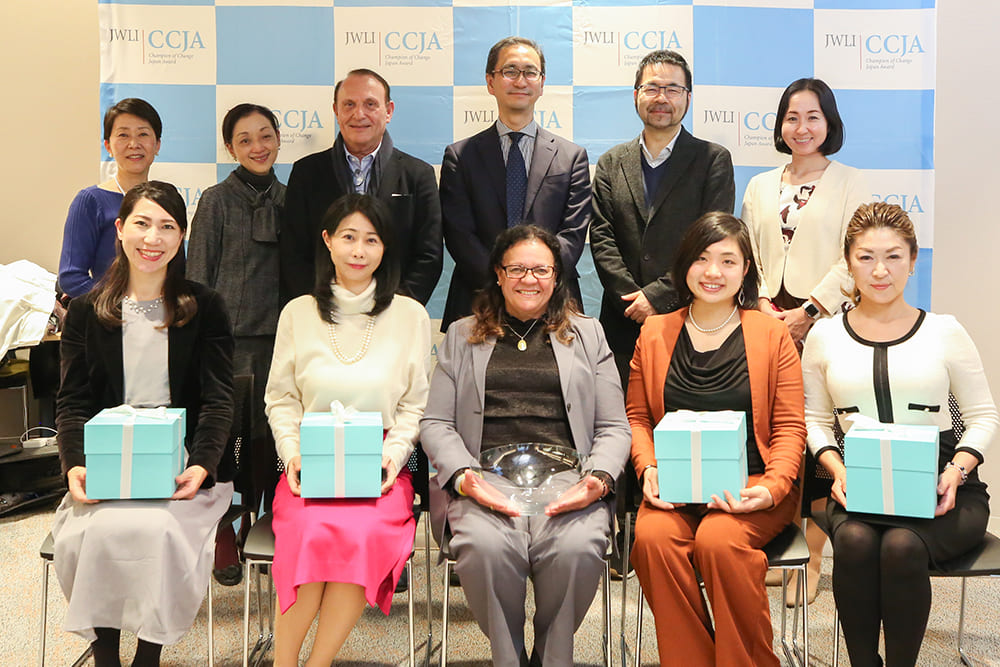
The Champion of Change Japan Award (CCJA) honors women who act to create a society in which everyone can live safely and equally. This year’s grand prize went to Mardonia Nishimoto, who runs Kalakasan, a Kawasaki-based nonprofit supporting immigrant women and their children. Bold and compassionate leadership like hers continues to elevate the award’s visibility nationwide.An award ceremony and reception were held on Oct. 30 at Dow Chemical Japan’s Tokyo headquarters to celebrate Nishimoto and four other awardees as well as to provide a networking opportunity. The lively atmosphere reflected the growing momentum behind women’s empowerment efforts across Japan.
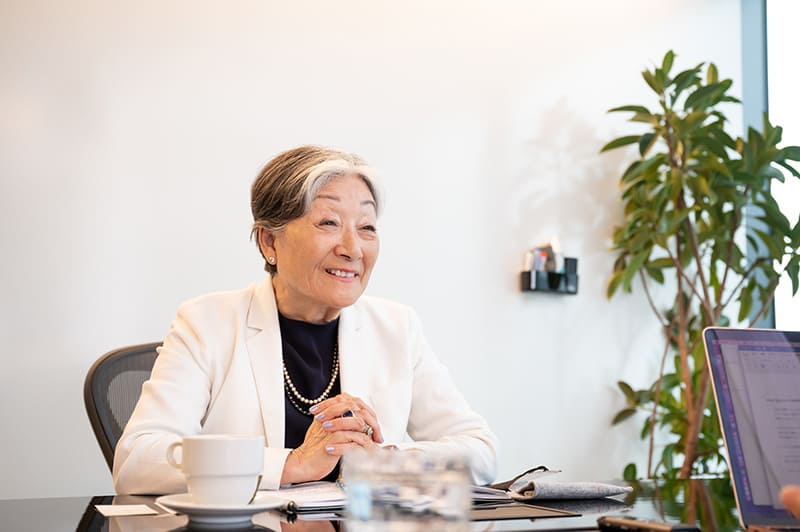
Atsuko Toko Fish, a Japanese philanthropist based in Boston, founded the CCJA in 2017. Fish is a founding trustee of the private Fish Family Foundation, established in Boston in 1999, and the founder of the Japanese Women’s Leadership Initiative (JWLI). In 2013, she was selected for then-President Barack Obama’s Champion of Change Award in recognition of her efforts to empower women in the U.S. and Japan. Inspired by this honor, Fish founded the CCJA as part of the JWLI’s program to highlight emerging women leaders in Japan.
The CCJA’s selection committee evaluated criteria such as leadership, innovative thinking, perseverance and achievements in helping to build a better society. As a result, five award recipients were selected from 243 nominations, and the grand prize winner was announced from among the five on the day of the award ceremony.
Eleven sponsors and partners supported the CCJA by providing the venue for the ceremony and additional prizes for the winners. The Japan Times has been supporting the initiative as a media partner since 2021. Nishimoto received a cash prize of ¥1 million ($6,400). The other four winners each received ¥250,000.
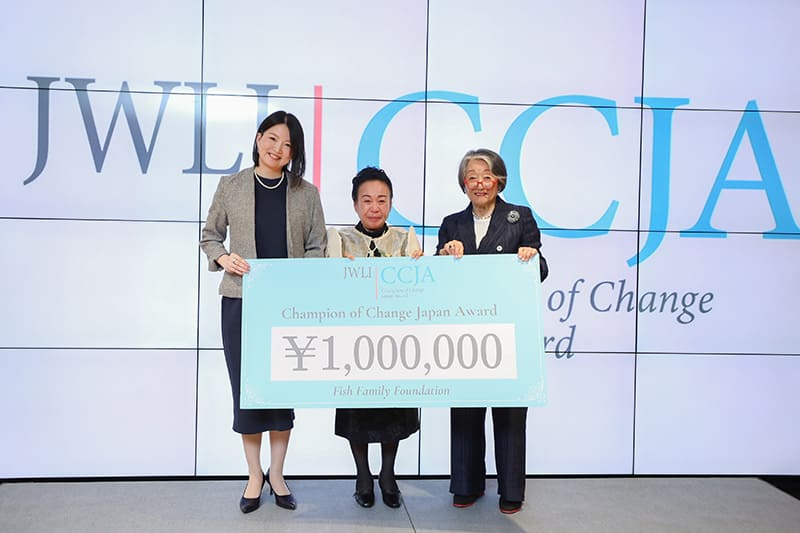
Grand prize winner Nishimoto is from the Philippines and has lived in Japan as a single mother and a survivor of domestic violence. Wanting to support immigrant women and children facing similar circumstances, she founded Kalakasan in 2002. While Kalakasan’s core activity is counseling, it provides a wide range of support, including accompanying clients to places like immigration offices and government agencies, offering interpretation services and hosting seminars and events. “We want to continue our activities so that even if problems arise, these women can feel reassured knowing there’s a place they can come back to and rely on,” Nishimoto said.
“‘Kalakasan’ is the Tagalog word for ‘strength.’ My hope is that we join our forces to change Japanese society for the better for everyone,” said Nishimoto. Her children and grandchildren also live in Japan, and she takes pride in seeing the children of women she has supported thriving in Japan.
The women Kalakasan has been supporting over the years are aging, Nishimoto pointed out. The kinds of support they require are therefore changing, so she believes supporters must adapt accordingly.
As the number of foreigners living in Japan increases, Kalakasan also aims to operate shared housing where residents can support each other with a sense of security. Expressing gratitude for receiving the CCJA grand prize, she called for further support from many people to achieve this goal. At the same time, noting that the people providing support are also aging, she expressed hope that more people will join their activities as volunteers.
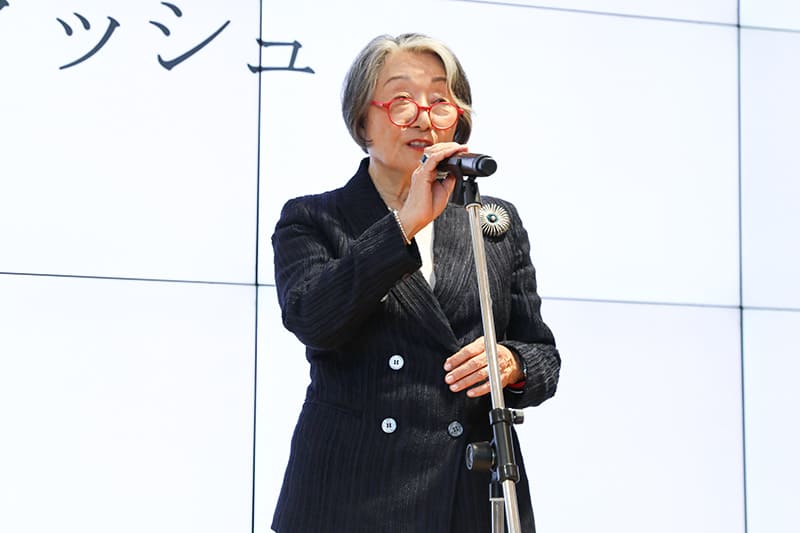

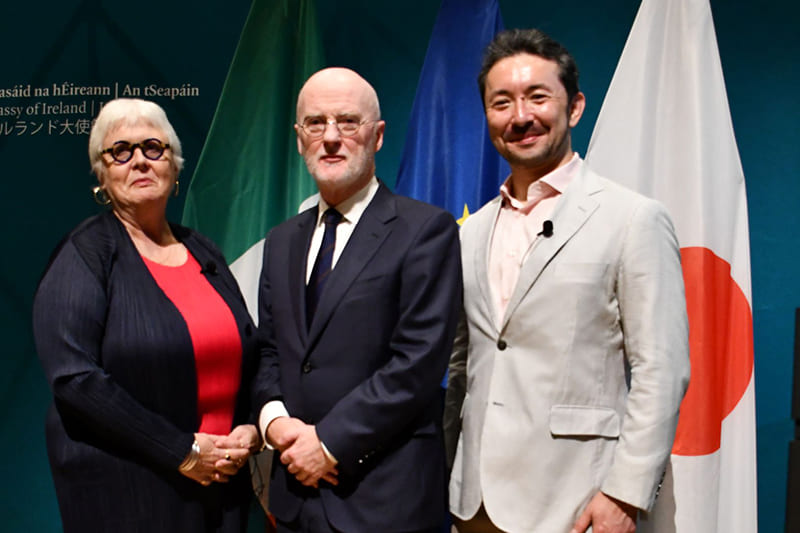
Larry Fish, Fish’s husband and a co-founder of the Fish Family Foundation, celebrated the award winners, saying, “The Fish Family Foundation has invested over the last 20 years over ¥1 billion in women empowerment in Japan, and it has been an excellent investment.”
Fish said in her speech to the award recipients and attendees, “I am delighted to be able to come to Japan for this awards ceremony at this momentous time when Japan’s first female prime minister has been born. Japan was ahead of America in having a female head of state.” Based in the United States since the 1980s, Fish has consistently observed Japan from the outside.
Feeling that many Japanese women were “educated bystanders” who had skills and knowledge that they didn’t use to change society, she launched the Japanese Women’s Leadership Initiative in 2003.
More than 20 years later, she remarked, “Japan finally has an outstanding woman leader who serves as a role model.” She offered strong encouragement to all women with a passion to make a difference, saying: “Now there are no more excuses. Please strive even harder!”
Four other winners:
Maiko Ishikawa
Kids Code Club
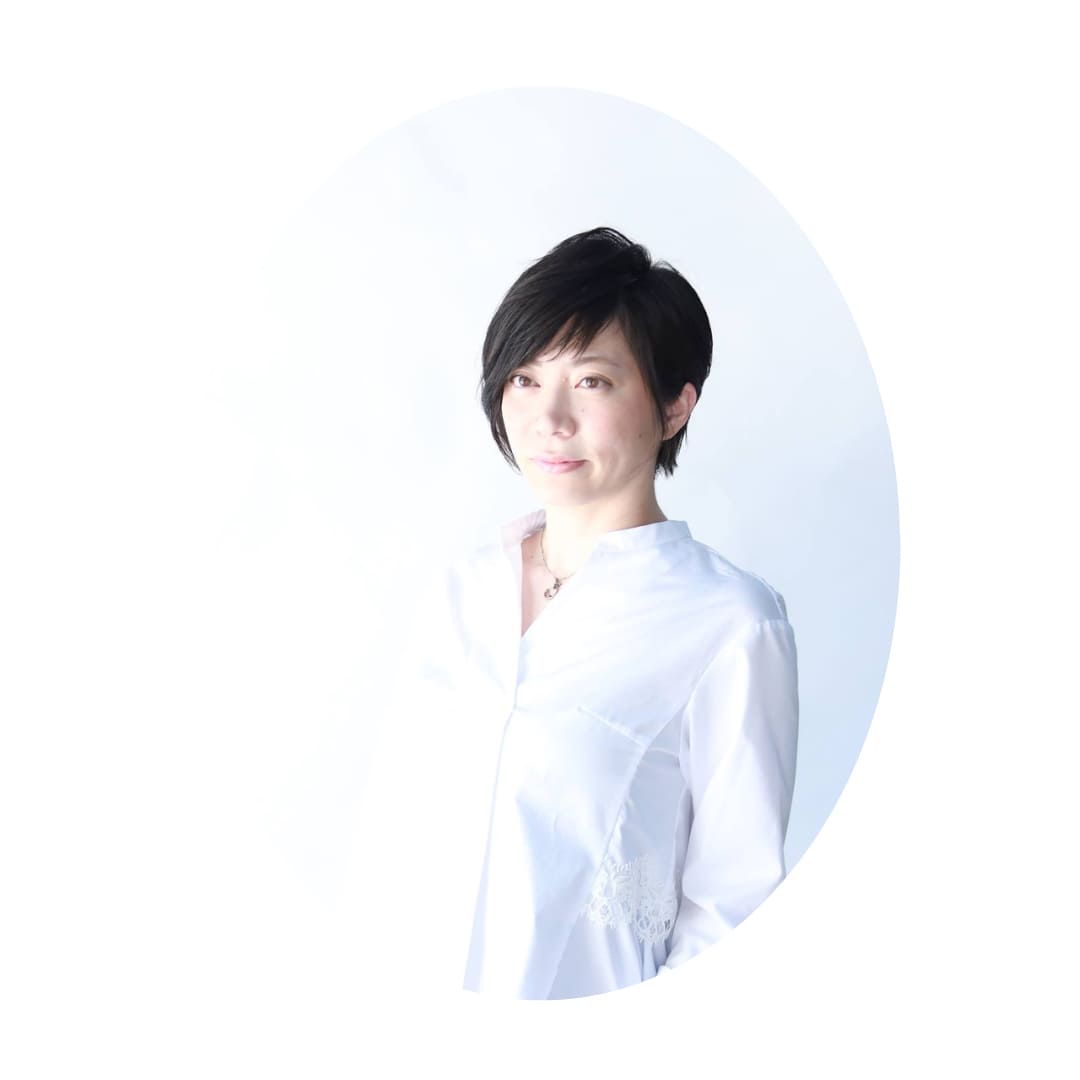
Kids Code Club is a nonprofit established in 2016 with a mission to provide opportunities to learn programming and develop IT skills for elementary and middle school students, especially those who are facing financial or social challenges. I myself have personal experience of rising from poverty by learning IT skills. Also, the birth of my daughter, who is now in her third year of junior high school, sparked my awareness of issues surrounding today’s children, such as truancy and poverty.
Children possess the innate ability to learn from each other. Believing in this power, we deliberately created an environment for peer-to-peer learning rather than adult-led instruction. Both the participating children and the supporting adults come from all over Japan and even from overseas. Our future goal is to make this a place where children can access, learn and interact 24 hours a day, 365 days a year.
Noriko Tanaka
The Society Concerned about Gambling Addiction
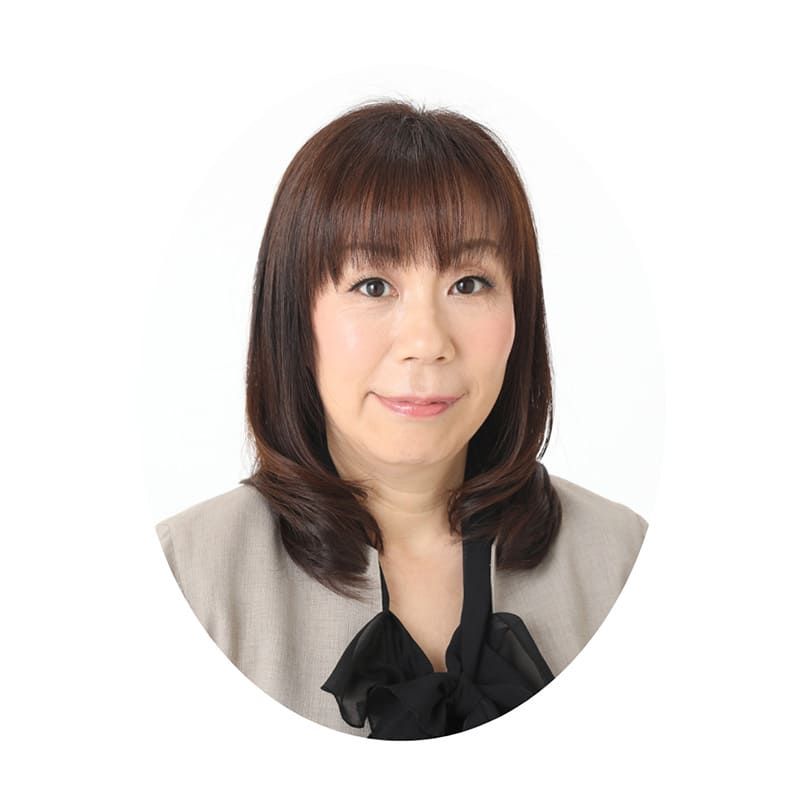
The Society Concerned about Gambling Addiction was established in 2014 to spread knowledge about gambling addiction and its prevention, support individuals and families affected, connect support providers and advocate related policies.
I have personally experienced and recovered from gambling addiction. My strength as a person with lived experience lies in the empathy shared between myself and those seeking help. However, there is a lack of understanding about gambling addiction being a treatable illness and how those around the patients can offer support.
Since gambling addiction is a global issue, we want to expand our activities by connecting with organizations worldwide to share evidence on what kinds of support are effective and to establish international standards for support.
Kikuno Yamazaki
Women’s Space ON

Women’s Space ON provides consultation on women’s human rights issues, emergency temporary protection and self-reliance support for women who have been victims of violence, policy advocacy to national and local governments, and awareness-raising campaigns.
I myself fled domestic violence in 1997 and was protected at the organization’s shelter with my three children. This was before the Act on the Prevention of Spousal Violence and the Protection of Victims was enacted in 2001.
However, I continued to feel my life was in danger. I realized the need to establish laws, and actively engaged in the organization’s activities. I hope for laws that strengthen punishment for perpetrators and the establishment of a system where society as a whole protects victims so they won’t be the ones to hide or suffer disadvantages.
Yoko Miyamoto
Kochi DARC
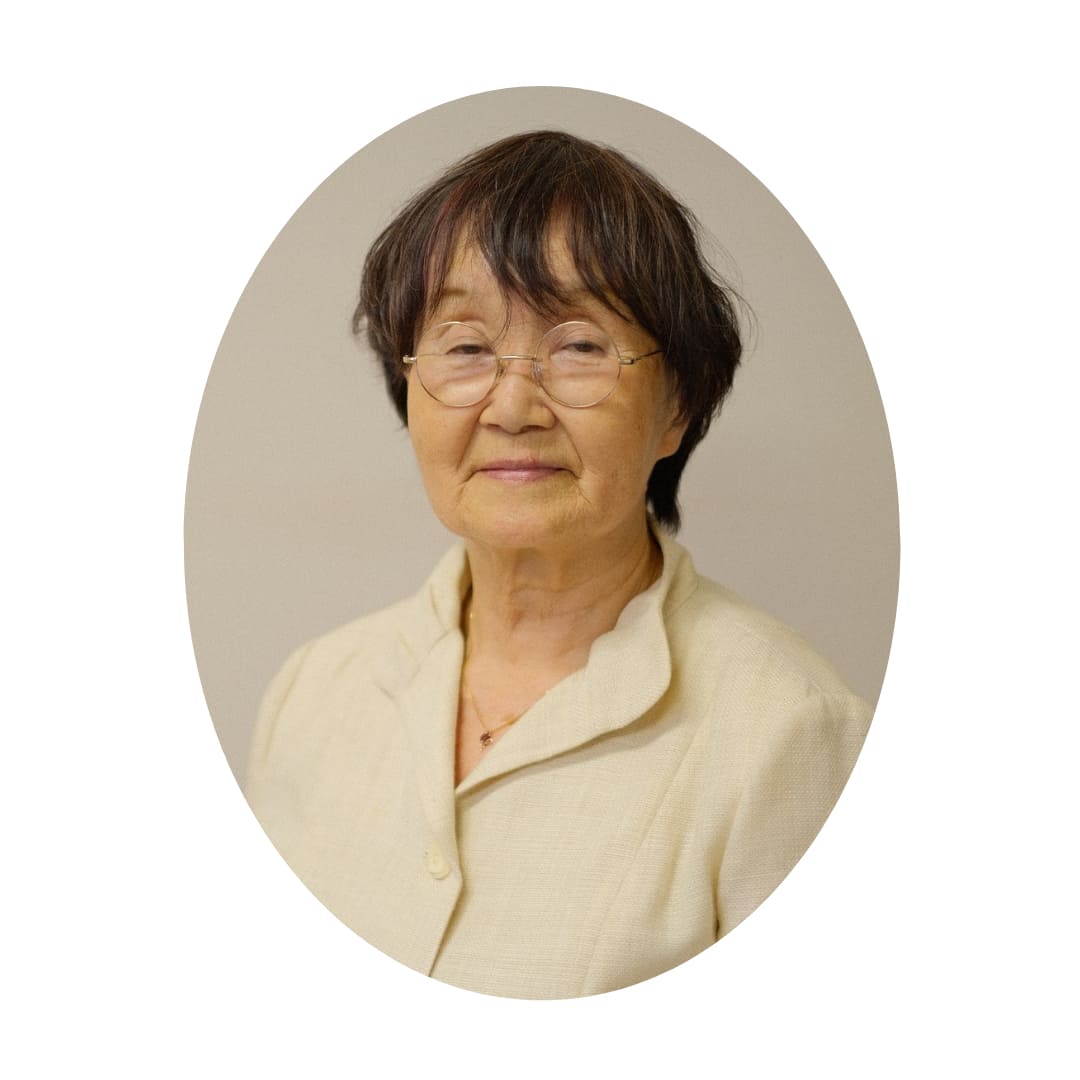
Kochi DARC (Drug Addiction Rehabilitation Center) will celebrate its 29th anniversary next year. Having personally experienced drug addiction, I sought to create a supportive community for women, which led to the opening of a group home specifically for female drug addicts. The center also offers programs for training in life skills along with various therapies and activities for our users to gain the abilities necessary to become independent.
People struggling with drug issues visit us from all over the country. Moving forward, we aim to continue operating as a place where drug addiction patients can realize their own worth, find acceptance and prepare themselves physically and mentally to re-enter society. We also want to make sure that we continue to serve as a home to come back to for those who spent some time at our facilities.