January 26, 2026
Finance minister: 2026 outlook for economy, markets





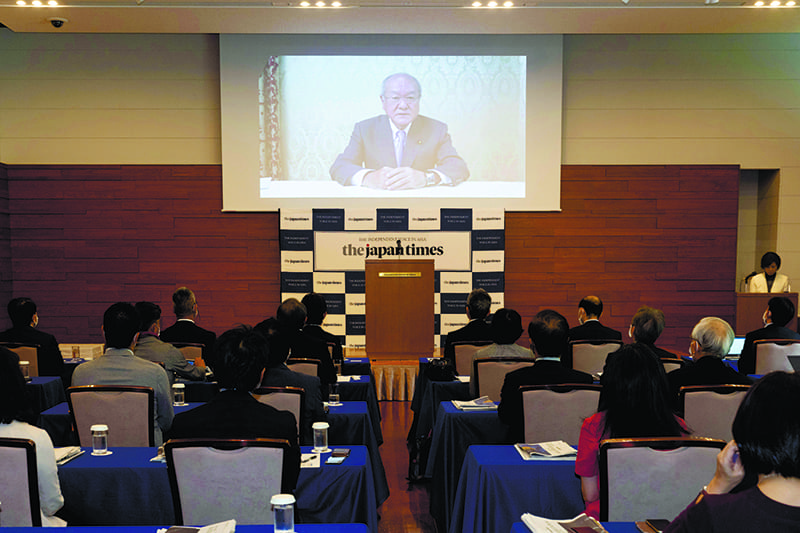
I would like to offer my heartfelt New Year’s greetings to the readers of The Japan Times.
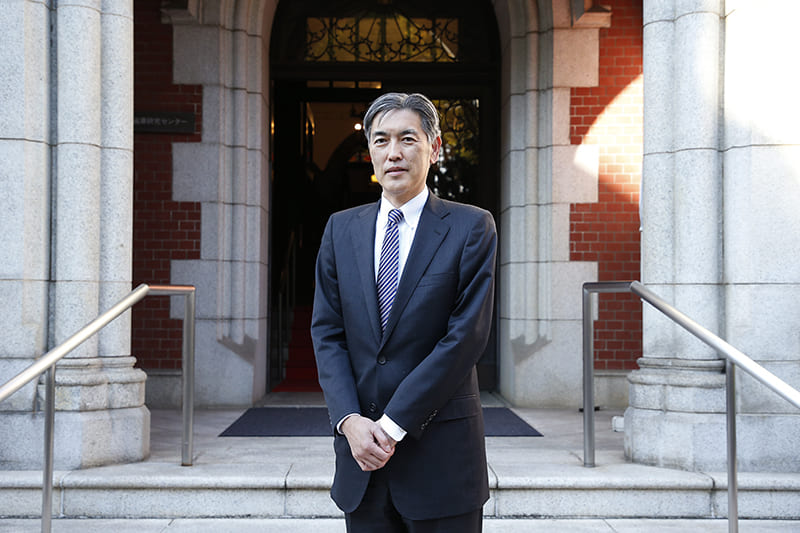
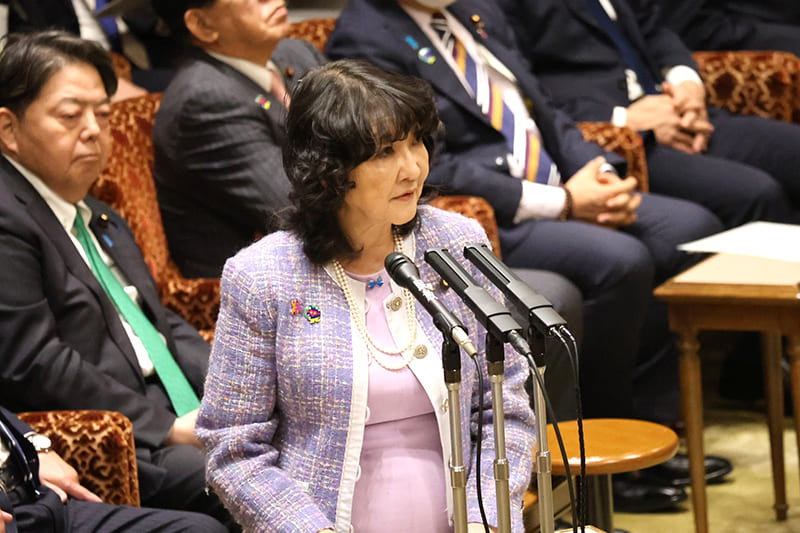
I was appointed minister of finance and minister of state for financial services last October. Since then, I have addressed various important domestic and international matters, including formulating comprehensive economic measures, preparing supplementary and initial budgets, expanding the NISA program, formulating a Regional Financial Power Enhancement Plan, meeting with U.S. Treasury Secretary Scott Bessent and other people, and attending a G7 finance ministers meeting.
Economic recovery outlook
Japan’s economy has shown signs of improvement, including nominal GDP exceeding ¥600 trillion to approach ¥700 trillion and wage increases exceeding 5% for the second consecutive year. However, its potential growth remains sluggish. Wage growth has not kept pace with price rises, and consumer spending and private demand have been lacking in strength amid rising prices, particularly for foodstuffs.
Last Nov. 21, amid the transition from a deflationary, cost-cutting economy to a growth-oriented economy characterized by increased investment and improved productivity, the government formulated “comprehensive economic measures to build a ‘strong Japanese economy.’” We are now implementing measures to address rising prices to protect the livelihoods of the people as our top priority.
Strategic growth investment
In order to realize a strong Japanese economy, it is important to implement fiscal stimulus strategically under the concept of “responsible and proactive public finances,” strengthen Japan’s supply structure and increase economic growth in order to realize a virtuous cycle in which income levels rise, consumer sentiment improves and business profits increase.
In 2026, we aim to promote bold and strategic investments that enhance growth and resilience against potential crises to strengthen Japan’s supply capacity. Furthermore, by promoting active investment through public-private partnerships, especially in strategic areas that will contribute to strengthening economic security, we will strive to resolve Japan’s problems, support the growth of advanced industries and powerfully drive the growth of the Japanese economy.
We are currently working to incorporate these measures, which are necessary for addressing rising prices and realizing a strong Japanese economy, into the fiscal 2026 budget and tax reforms.
Fiscal sustainability challenge
At the same time, Japan’s fiscal situation needs to be objectively analyzed from multiple perspectives and considered seriously. To realize a strong Japanese economy, it is important to transform the fiscal structure in terms of both expenditures and revenue. Under the concept of responsible and proactive public finances, the government aims to fulfill its responsibility to the people living today and to those who will live in the future while ensuring fiscal sustainability and maintaining market confidence.
I note that the Cabinet Office’s economic and fiscal projections for medium- to long-term analysis, which factor in the supplementary budget for fiscal 2025 and the draft budget for fiscal 2026, show steady improvement ahead for government finances. For example, the debt-to-GDP ratio is expected to decline steadily through the current and next fiscal year and beyond. Furthermore, the primary balance for the central and local governments is expected to continue to improve, making, in fiscal 2026, the greatest improvement since fiscal 2001, when the primary balance’s target was set, with revenues and expenditures largely brought into balance. A certain level of surplus in the primary balance is projected to continue from fiscal 2027 onward.
Mobilizing financial power

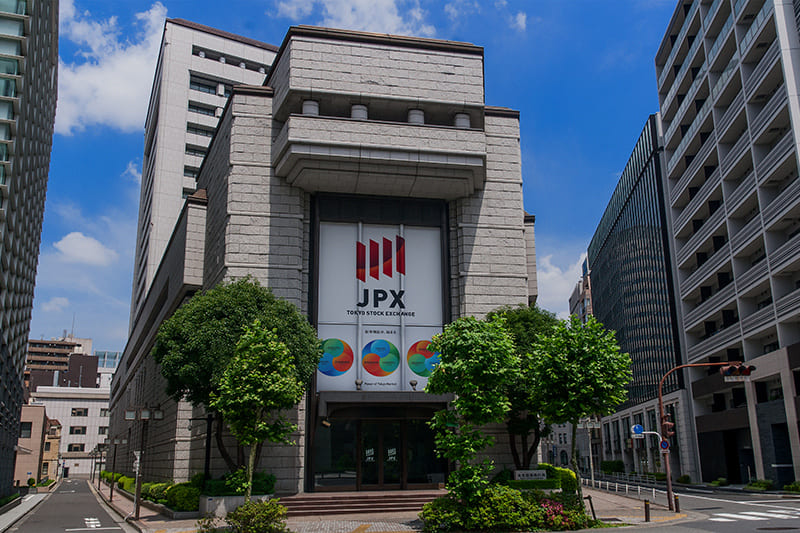
To accelerate our growth strategy, the power of finance is essential. For this reason, late last year we set up a subcommittee that I chair as minister of state for financial services under the Council for Japan’s Growth Strategy. We will develop a comprehensive financial services strategy by this summer to unleash the latent potential of both the Japanese economy as a whole and local economies by channeling the necessary capital, talent and expertise to Japanese companies and regions through leveraging the power of finance, and put the strategy into action in close collaboration with the private sector.
When we look at the flow of funds in our country, we find that Japan’s household financial assets have long totaled more than ¥2.2 quadrillion, mostly in the form of cash and deposits.
Aiming to create a virtuous cycle of capital that supports economic growth and raises household incomes, the government has been advancing initiatives to promote Japan as a leading asset management center. These have included corporate governance reform, support for steady asset building by households, the enhancement of asset management services and the improvement of the capabilities of asset owners.
For example, in terms of policy for households, we drastically expanded the NISA tax-exemption system for small investments, broadening the investment base. The number of NISA accounts has reached about 27 million, meaning that 1 in 4 people age 18 or older have an account. The shift toward channeling household savings into productive investments, which had long been a challenge, has been progressing steadily, including among young people. This change reflects growing public awareness of the importance of long-term asset formation and financial literacy in an era of increased longevity and economic uncertainty.
The government plans to further enhance NISA by expanding eligibility for installment-type NISA to those under age 18 and increasing the range of eligible investment products, incorporating the changes in the fiscal 2026 tax reform outline. We will continue to build on our achievements in encouraging initiatives to channel household savings to productive investments and further advance our initiatives to promote Japan as a leading asset management center.
The government has also been focusing efforts on communicating with domestic and overseas investors to advance these reforms in line with the needs of market participants and further improve the investment environment. Japan Weeks, a series of events that have been held since 2023 to widely promote the attractiveness of Japan’s financial and capital markets, has been expanding annually with the participation of foreign investors. This year, the week of Oct. 26 is planned as the core week.
By strengthening dialogue with global investors, we aim to enhance Japan’s visibility as a reliable and attractive destination for long-term investment.
Global economic cooperation
Lastly, the global economy is facing considerable uncertainty, affected by the impacts of trade policies and geopolitical tensions. The situation calls for promoting international cooperation. For its part, the Japanese government aims to address various issues — including support for Ukraine and sanctions against Russia, debt problems of developing countries, global health and enhancing supply chain resilience — through discussions at G7 and G20 meetings, as well as in talks with finance ministers of other countries and heads of international organizations.
In closing, I wish you, the readers of The Japan Times, a wonderful year ahead.