July 27, 2026
Unicharm turns used diapers into resources instead of waste




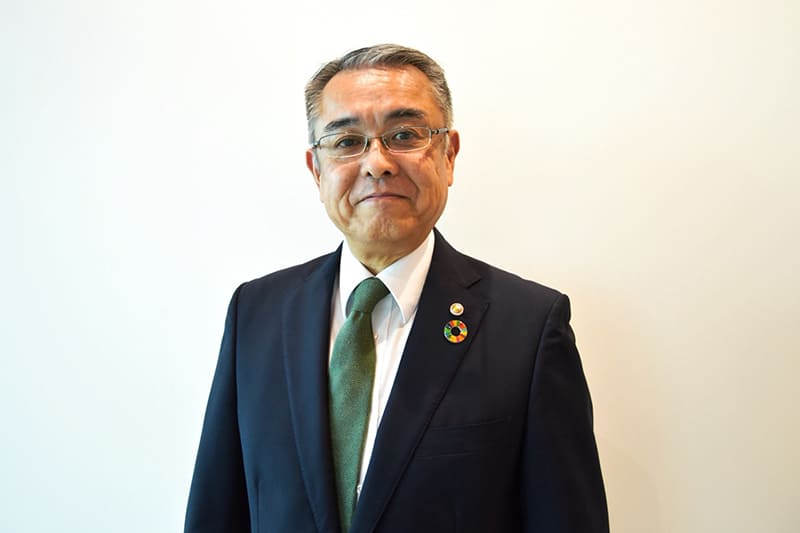
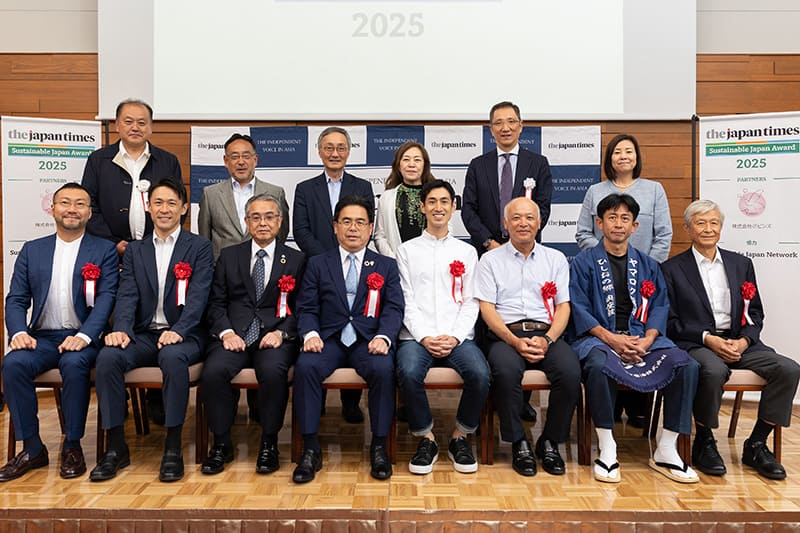
Unicharm, winner of the Excellence Award in the ESG category at the Sustainable Japan Award 2025, has become the first company in the world to commercialize closed-loop recycling for disposable diapers, working with municipalities and businesses to collect used diapers and turn them into new ones.
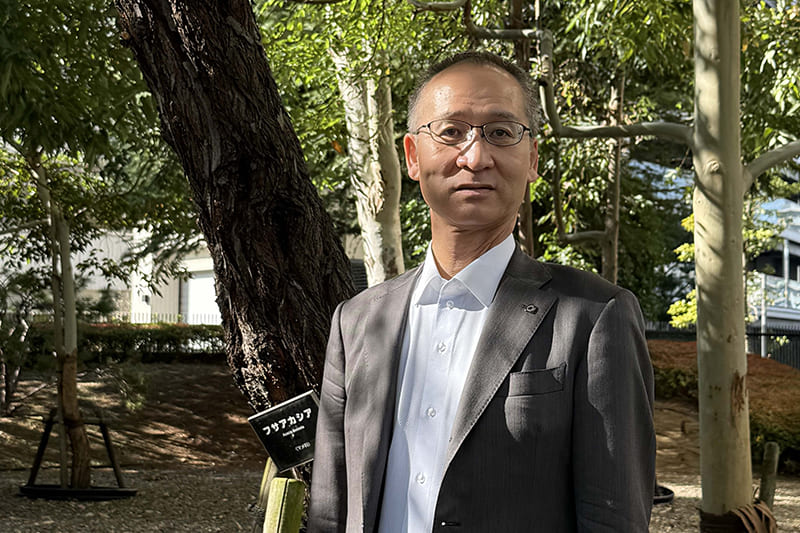
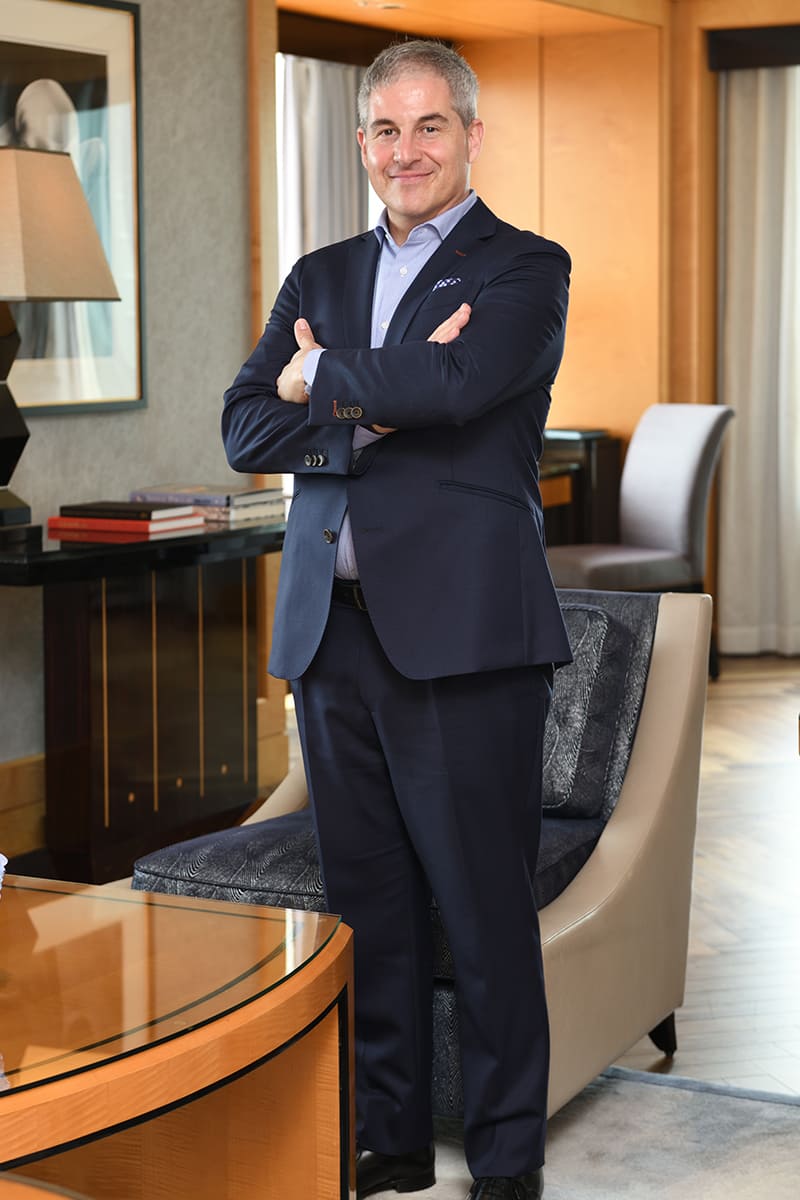
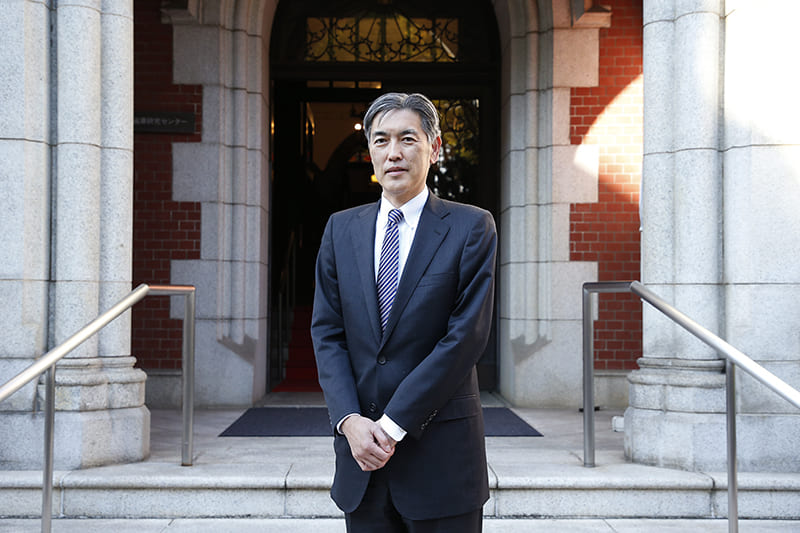
Founded in 1961, Unicharm is one of Japan’s leading manufacturers of disposable hygiene products, including diapers, sanitary napkins and pet care products. Overseas sales now account for about 65% of its annual revenue of roughly ¥1 trillion ($6 billion). “As a company that manufactures disposable hygiene products, achieving the (U.N.’s) sustainable development goals is one of the central priorities of our business,” said Senior Executive Officer Tsutomu Kido.
The project is driven in part by Japan’s aging population. While demand for baby diapers is declining, the use of adult diapers continues to rise, increasing waste volumes and carbon dioxide emissions from their incineration. In response, the Ministry of the Environment has set a goal for 150 of Japan’s roughly 1,700 municipalities to introduce or consider diaper recycling programs by fiscal 2030. According to Kido, municipalities nationwide are already consulting the company about adopting the system.
Unicharm’s recycling initiative, known as RefF (Recycle for the Future), was named by President and CEO Takahisa Takahara in 2019, reflecting its importance as a long-term corporate strategy.
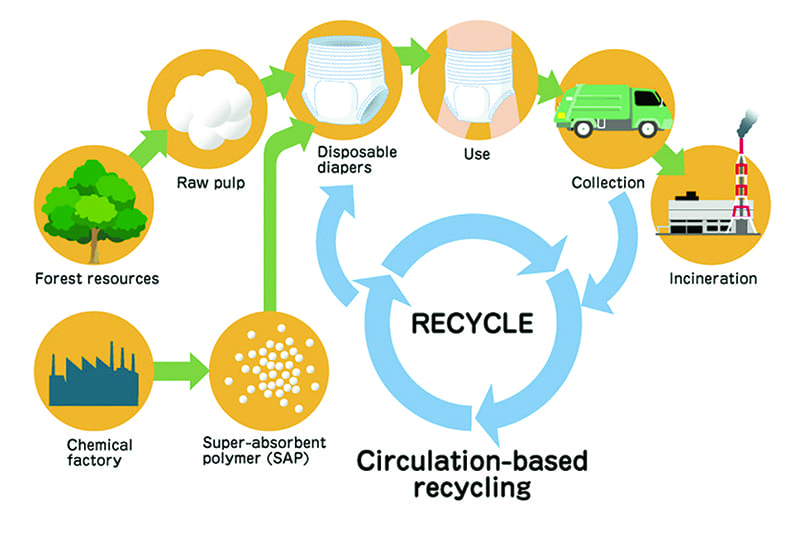
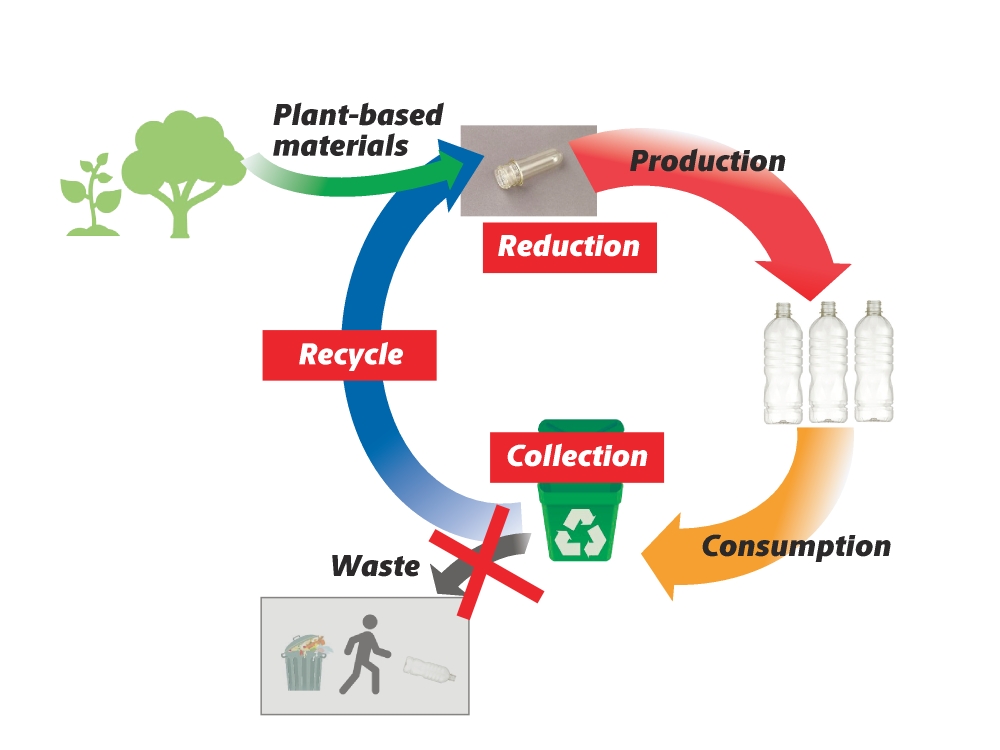
Disposable diapers consist of three main materials: wood pulp, petroleum-based superabsorbent polymer and plastic materials such as nonwoven fabric and film. Unicharm has developed technologies to recover and recycle these materials for use in new products.
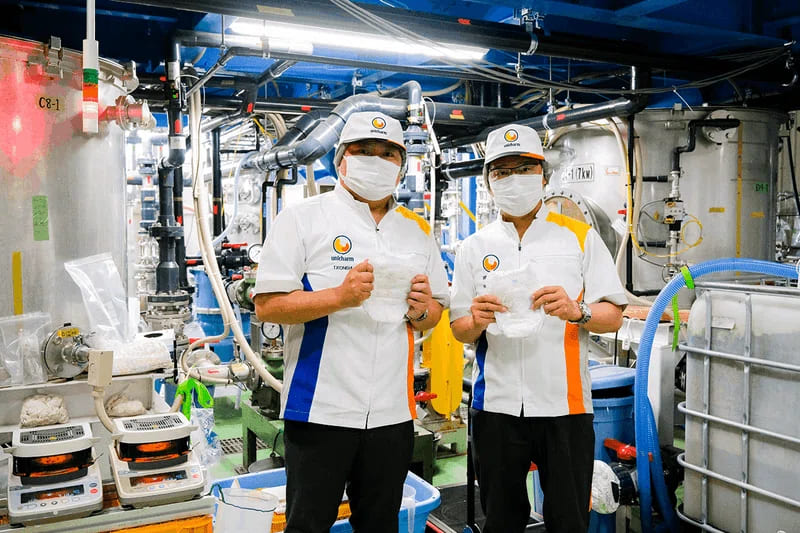
“A common question is whether materials recovered from used diapers can be recycled hygienically,” Kido said. The company has spent years verifying the safety and hygiene of its recycling process through extensive testing and third-party evaluations. Research conducted by Kitasato University confirmed that the recycled materials meet both safety and hygiene standards.
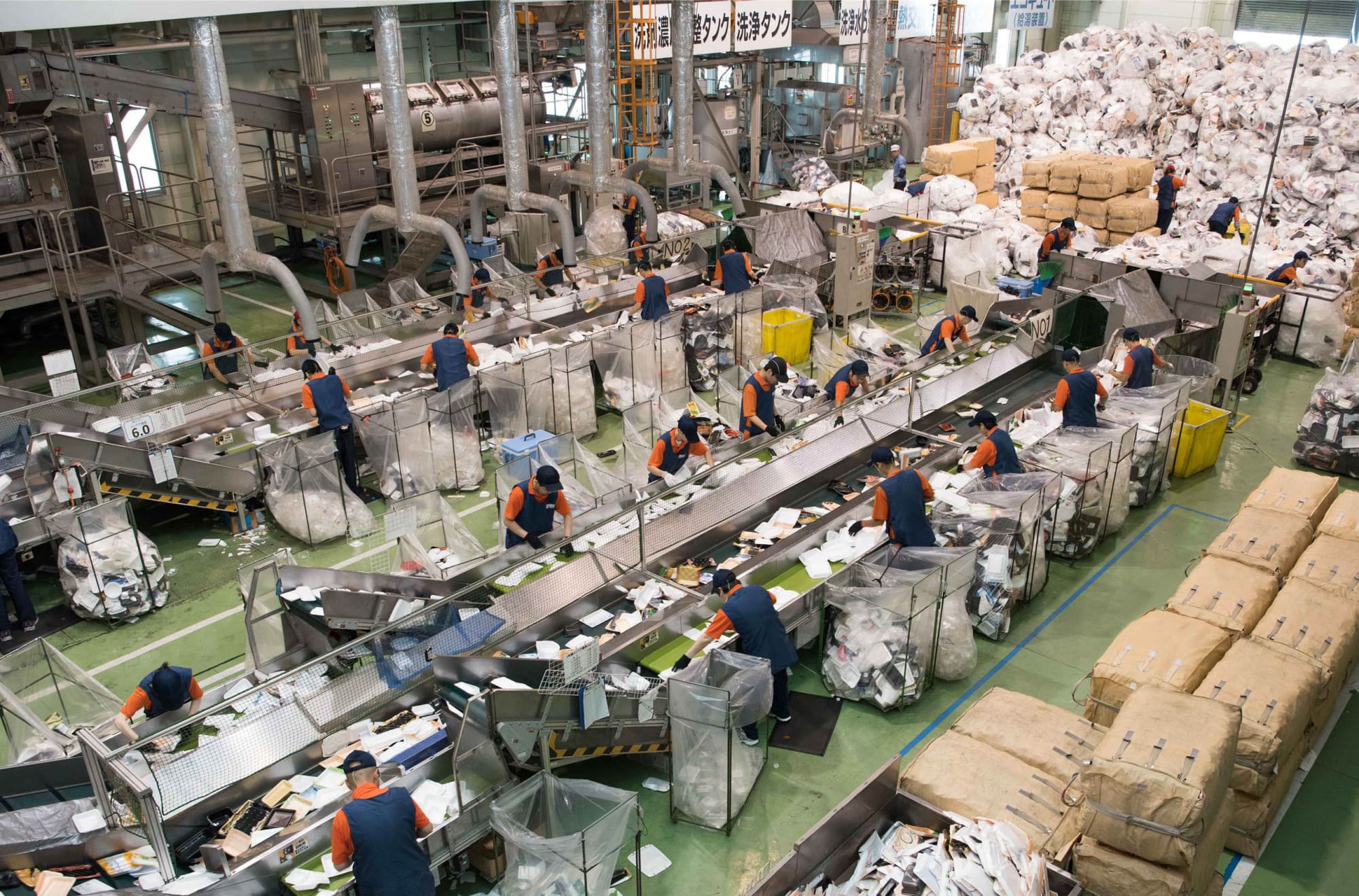
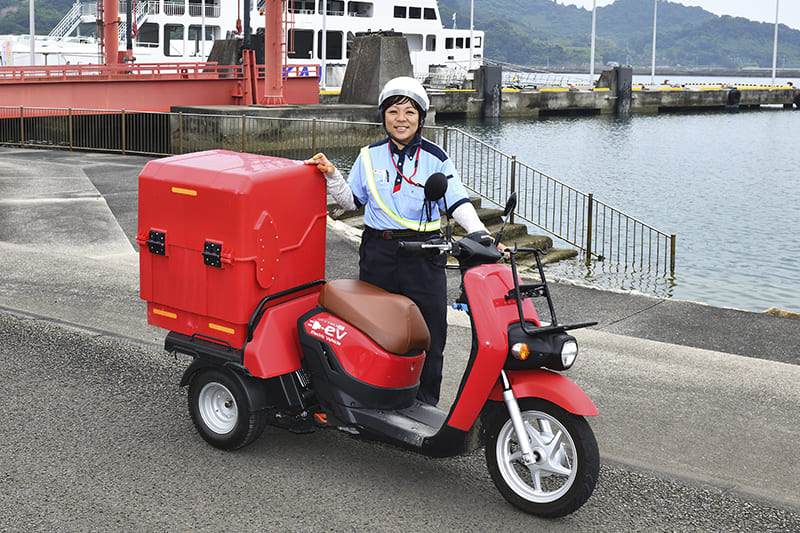
The recycling demonstration project is being carried out in the Kagoshima Prefecture city of Shibushi and town of Osaki. In both municipalities, used baby and adult diapers are collected separately from households in dedicated collection boxes before being transported to a recycling facility. There, the materials are separated, washed, deodorized, sterilized, bleached and transformed into new products.
The first material to be successfully commercialized was recycled pulp. In 2022, Unicharm launched adult diapers made with recycled pulp, which are now used in nursing care facilities across Kyushu. As processing technology advanced, production expanded to baby diapers and pet pads, which have been sold at Aeon stores throughout the Kyushu region since 2024, and sales have been expanding primarily in the Kanto region since May 2026. Products containing recycled materials carry the RefF logo, making the company’s resource-circulation efforts visible to consumers.
The recycled pulp is also used as toilet paper bearing the RefF logo for Shibushi and Osaki’s public facilities in collaboration with Poppy Paper. In another unusual collaboration between competitors working toward a shared environmental goal, plastic recovered by Unicharm is used by Oji Nepia as fuel for making toilet paper that also bears the RefF logo.
Recovered plastic is also reused in collection boxes and transportation pallets, while new applications continue to be developed for recycled superabsorbent polymer. Although the material has not yet achieved the absorbency required for diapers, it has been successfully commercialized as cat litter since March 2025.
According to the revised Guidelines for Recycling Used Disposable Diapers issued by the Ministry of the Environment in April, recycling 1 metric ton of used diapers instead of incinerating them can reduce carbon dioxide emissions by an estimated 0.4 to 0.5 tons, so the initiative helps lower greenhouse gas emissions as well as reducing waste and making more efficient use of natural resources.
The recycling initiative is also helping address broader social challenges. One example is its collaboration with Tebura Toen (Hands-Free Nursery), a diaper subscription service for childcare facilities. At participating nurseries in Shibushi, used diapers are collected, recycled and returned as new diapers for use within the community. The system not only reduces the burden on parents, who no longer need to take used diapers home, it also demonstrates a closed-loop model in which resources circulate locally.
Another product to emerge from the project is Recycle×Clay, an educational paper clay made from recycled pulp. It is now being introduced in schools across Japan, giving children hands-on experience with resource circulation.
Kido said the project would not have been possible without the cooperation of local residents. “In addition to reducing waste and carbon dioxide emissions, the initiative has helped address a range of social challenges, including supporting childcare and creating jobs through recycling facilities,” he said. “By continuing to work with a wide range of partners, we hope to further expand the ecosystem.”