August 17, 2026
Sustainability certification gives small firms advantages





To advance a sustainable society in Japan and around the world, it is essential for large companies to cooperate with their supply-chain partners to go green together.
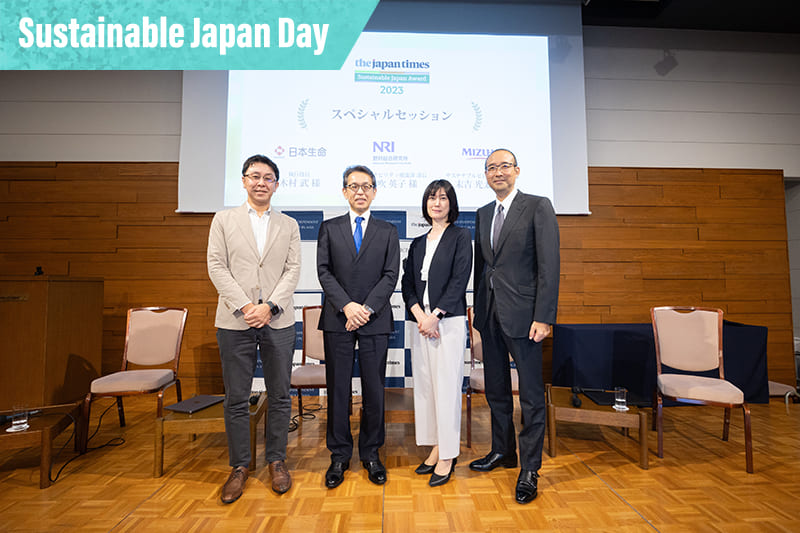
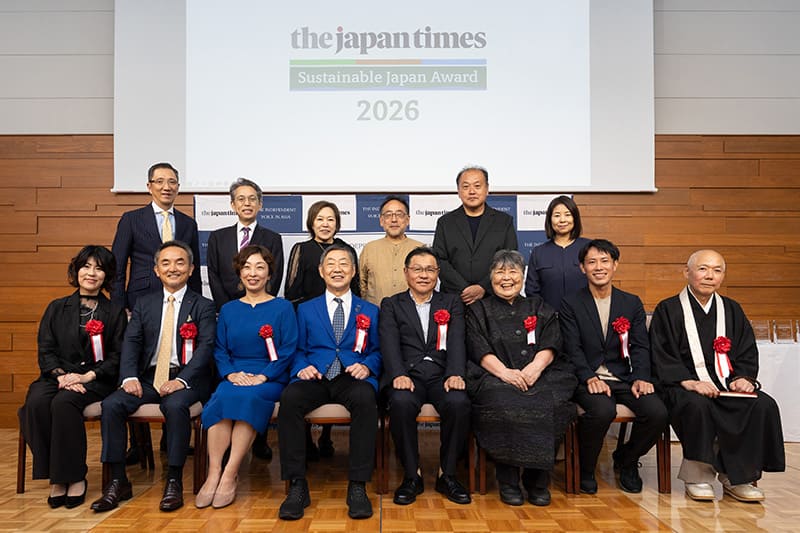
The Japan Sustainable Business Organization, which supports smaller businesses in helping to achieve the U.N.’s sustainable development goals and certifies qualified companies for their sustainability efforts, held a forum on July 23 featuring the challenges these companies face and their efforts to address environmental and social issues.
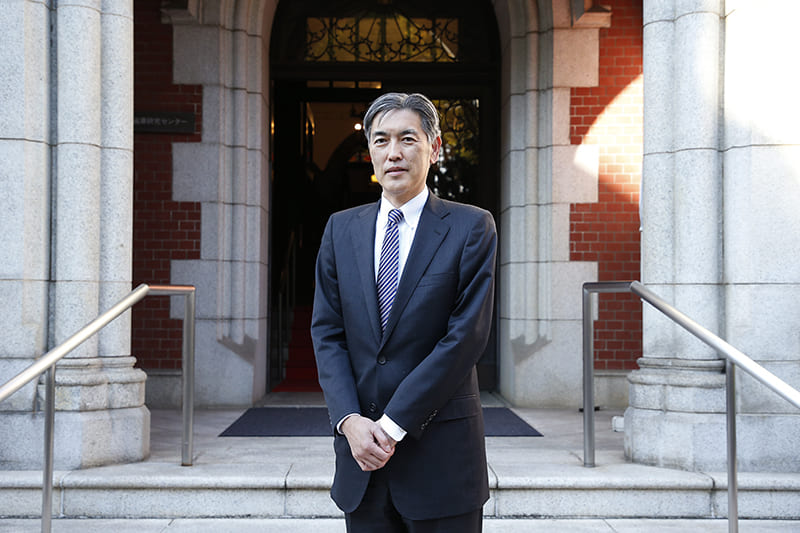
In his keynote speech, Norichika Kanie, a Keio University professor and JSBO chair, said global efforts to achieve the SDGs are shifting from “aspiration” to “accountability,” with less than five years left to meet the goals. Against this backdrop, sustainability certification can give companies a business advantage.
“People have gained a deeper understanding of the SDGs, but accountability remains insufficient. They have not yet fully put into practice what needs to be done, and we are now being asked how we will respond to the goals,” Kanie said. “How we act and demonstrate progress toward the goals by 2030 is becoming increasingly important.” He added that accountability is likely to remain a central issue even beyond 2030.
The 2030 agenda for sustainable development was adopted by all U.N. member states in 2015. At its center are the 17 goals, which include ending poverty, improving health and education, reducing inequality, easing climate change, preserving marine life and promoting sustainable economic growth.
Global progress, however, has been slow so far. The United Nations’ 2026 report said some gains have been achieved but progress remains uneven and insufficient. According to the report, only 36% of the SDGs’ 139 targets are on track or making moderate progress, while nearly half are progressing too slowly and 15% have actually slipped below their 2015 baselines.
The JSBO assesses applicant companies across 25 sustainability criteria for certification. Depending on their goals and progress — from complying with required rules and guidelines to achieving tangible business results or accelerating efforts to address specific issues — the organization awards gold, silver or bronze certification. Currently, 14 companies receive JSBO certification.
Kanie said small businesses can benefit from JSBO certification as they face growing pressure to take sustainable action in order to join major companies’ supply chains. Such moves are already beginning to emerge in Europe, he said.
“I believe certification will become valuable as companies are increasingly expected to demonstrate transparency in their business practices,” Kanie said.
These certified companies are not simply pursuing the goals’ targets through their businesses; they are also using the SDGs as a framework to address management issues they face, Kanie said. “Many of these companies have moved from setting targets to taking action, promoting the SDGs and conducting business as front-runners,” he said.
In the next part of the forum, a panel discussion, certified companies explained why they applied for JSBO certification. Some said a high evaluation from a third party helps build greater trust with stakeholders, while others sought certification to develop their human resources, expecting the SDGs to become increasingly important in business.
Some companies also said that the application process itself, which requires submitting a large amount of their sustainability data, helped increase employee engagement.
“Preparing the application helped employees clearly see which SDG targets aligned with our strengths and which areas still needed improvement,” said Koichi Takahashi, president of the Japan Food Ecology Center Inc. He added that this approach strengthens employee engagement in a way that a vague desire to do something good for society alone does not. The center, based in Kanagawa Prefecture, has built a recycling model that turns food waste into pig feed that it supplies to contracted farmers, helping them raise branded pork; highly oily food waste is used to generate biogas for local energy use.
Panelists said an added benefit of pursuing sustainable business is that the philosophy attracts potential job applicants.
“Small companies, in particular, are often not good at promoting themselves to others. But if they pursue sustainability and communicate what they are doing, it can certainly support recruitment,” Takahashi said, adding that his company has spent nothing on job advertising yet still receives applications almost every month from people who visit its website.
Saitama Prefecture-based Wakoshiki Co., which produces cardboard and plastic boxes as well as packing materials made from recycled plastic waste, said its bottom-up approach to the SDGs encourages employees to propose new sustainable products. These include cardboard beds and toilet stools that can be used at evacuation shelters during major natural disasters. Sharing such information on social media has helped attract more new employees interested in taking part in these activities, it said.

Another panelist, Michael Hashimoto, general manager for Asuene Inc., pointed out the potential for small- and middle-scale companies to transform themselves through they ways in which they respond to sustainability issues. Asuene, one of JSBO’s member companies, is a startup helping companies visualize their carbon emissions as well as those of their suppliers and providing support services to reduce emissions and improve carbon offsets. It also provides services to evaluate supply chains’ environmental, social and governance steps and runs a platform for carbon credit and emissions trading.
He said sustainable management is increasingly required in business partnerships at a time when more companies, mainly in Europe, have become sensitive to those issues. “Taking proactive steps on sustainability helps ensure business continuity. Some smaller firms can gain more business opportunities by properly disclosing their carbon emissions,” he continued. “So that stance creates a positive impact both inside and outside the companies.”
In the following session, some certified companies explained the background behind their application for JSBO certification and how it has affected their business.
Hajime Kikuchi, president of Abecho Mermaid Foods Co. — part of the Abecho group engaged in seafood processing and hotel management, mainly in Miyagi and Iwate prefectures — said he had initially not been very much aware of the SDGs. But as the group struggled to recover from serious damage to its plants and facilities during the Great East Japan Earthquake and tsunamis in 2011, the company felt it should do something for society as a form of repayment for people’s kind support following the disaster. “When we were hit by the earthquake and received various support from all over the country, we acknowledged our mission to contribute to society. That was when we started to act not only in our business but also in other fields,” Kikuchi said.
Once his group started to prepare for application for certification, however, he found out that it had already been good for the environment in a circular economy. Residue from marine products is processed as fish meal at one of their plants, which is provided to local rice farmers. Abecho then buys their branded rice to serve at one of its hotels as well as group restaurants.
“Without realizing it, we had already been doing business in ways that support the SDGs,” Kikuchi continued. “That made us realize there is more we can do, and that such efforts can help our company grow and expand into new business areas.”
Kikuchi also said obtaining JSBO certification can help the company meet various business partners’ requirements for disclosure of nonfinancial data and strengthen its competitiveness within supply chains.