October 19, 2026
Esports conference in Tsukuba explores global perspectives


Japan has long played an influential role in global gaming, supported by its console industry and distinctive arcade culture. Esports has developed more recently but now is beginning to extend beyond professional competition, opening up new possibilities.
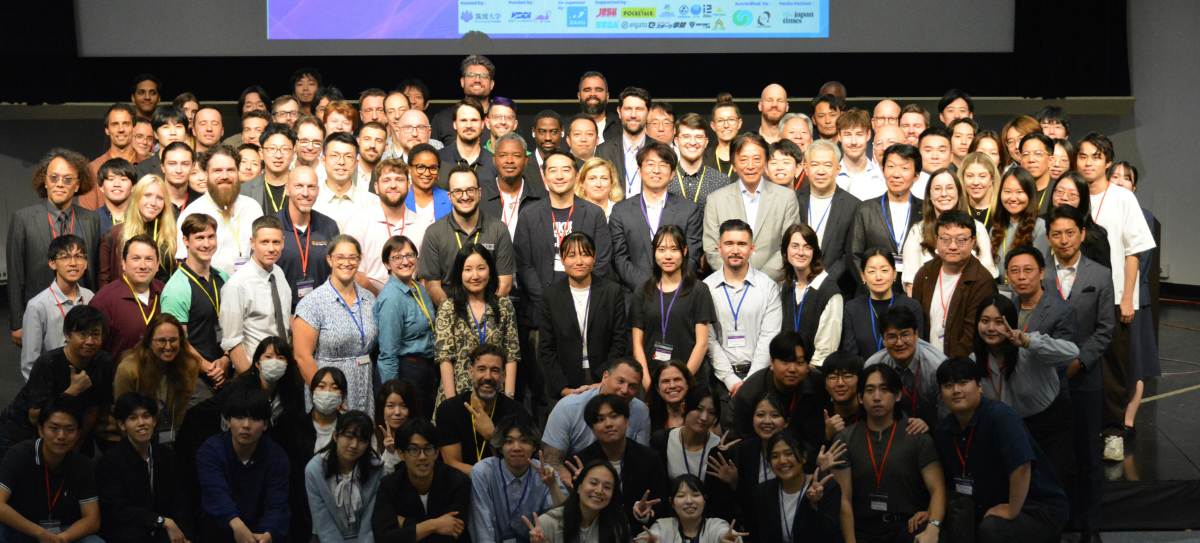
The University of Tsukuba’s Institute of Humanities and Social Sciences hosted the Esports Research Network Conference 2026 (ERNC 2026) from Sept. 15 to 17, the conference’s first time in Japan. Under the theme “Bridging Gaming Heritage and Esports Futures,” the event brought together 163 participants from 29 countries to explore intercultural perspectives on esports and gaming, particularly the relationship between Asia and the wider world.
Held at a university known for its strengths in sports science and interdisciplinary research, the conference was co-organized by the Singapore-based esports education company GAKU Pte. Ltd. with support from partner organizations.
In an opening video message, University of Tsukuba President Kyosuke Nagata noted Japan’s long-standing contributions to global video game culture. He said esports could contribute to economic growth and “provide valuable educational opportunities for people of all generations.” He also welcomed the conference’s efforts to bring academia, industry and government together, saying closer collaboration could “generate new ideas, foster innovation and create meaningful social impact.”
To facilitate cross-border dialogue, the organizers deployed Pocketalk Conference, an AI-powered interpretation service provided by Pocketalk Corp. It displayed real-time Japanese and English subtitles on the main screen and participants’ devices, helping people from different linguistic backgrounds follow the presentations.
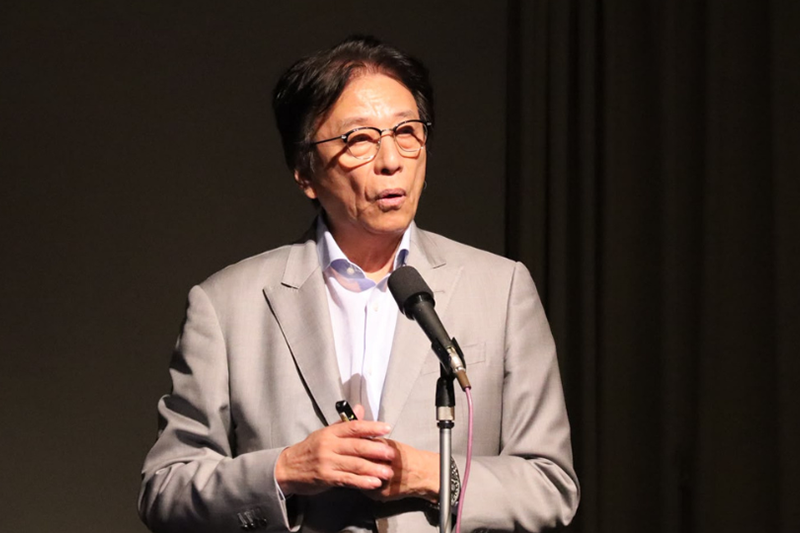
The opening day culminated in a keynote address titled “Esports Journey in Japan: Looking Back, Challenging the Present, and Forging the Future” by Hideki Okamura, adviser to Sega Corp. and the founder, inaugural president and current special adviser of the Japan Esports Union (JESU).
The players selected for the esports team representing Japan at the recent Aichi-Nagoya Asian Games ranged in age from 11 to 43. Looking back on the development of esports in Japan, Okamura identified the 2018 Asian Games in Jakarta and Palembang, Indonesia, as a major turning point. To field a national team at those games, industry stakeholders worked to bring several domestic esports organizations together, leading to the establishment of JESU.
As he worked to develop esports in 2018, Okamura encountered legal hurdles affecting tournament operations. He pointed to three areas of law that required clarification: the Penal Code’s gambling provisions, the Act against Unjustifiable Premiums and Misleading Representations, and the Act on Control and Improvement of Amusement Business. Following consultations with relevant government agencies, JESU developed and published guidelines to help organizers navigate the legal requirements for staging tournaments.
Alongside its work to clarify legal requirements, JESU undertook a range of initiatives, including public awareness campaigns and compliance training. Years of sustained efforts bore fruit when the organization gained associate membership in the Japanese Olympic Committee in 2024 and became an approved member organization of the Japan Sport Association in 2025.
Okamura also highlighted the economic potential of esports. Japan’s esports market reached ¥16.1 billion (over $100 million) in 2024 and is projected to surpass ¥20 billion this year, with the fan base expected to approach 15 million. He also cited an estimate of roughly ¥1 trillion for the broader esports-related market, including gaming hardware and peripherals.
At the same time, he argued that Japan could distinguish itself by showing how esports can contribute to social welfare, healthcare and a more inclusive society, as well as economic growth.
Local governments and healthcare institutions across Japan have begun exploring esports as a way to address social isolation and frailty among older adults, support people with disabilities and encourage intergenerational interaction. Okamura highlighted the case of a young man with a severe disability who used a specialized controller to compete on equal terms and experience the joy of social connection for the first time. He also pointed to its expanding applications in education, regional revitalization and community support following disasters. Reflecting on how little esports had been understood in Japan in 2018, he said its growing acceptance demonstrates that sustained efforts can earn broad social recognition.
Scientific research supporting competitive esports is also beginning to take shape. With cooperation from JESU, the Japan Sport Council established the HPSC Esports Lab at the HPSC Ajinomoto National Training Center East. Drawing on expertise in sports science and medicine developed through its support for elite athletes, it aims to improve esports performance while exploring how its findings could benefit everyday life.
Asked what those overseas could learn from Japan, Okamura urged them to look beyond profits and consider how esports could address social needs in their own countries. Japan’s aging population is one focus, he said, but the priorities in the United States and Europe would be different.