October 26, 2026
Sustainable Japan Day 2026


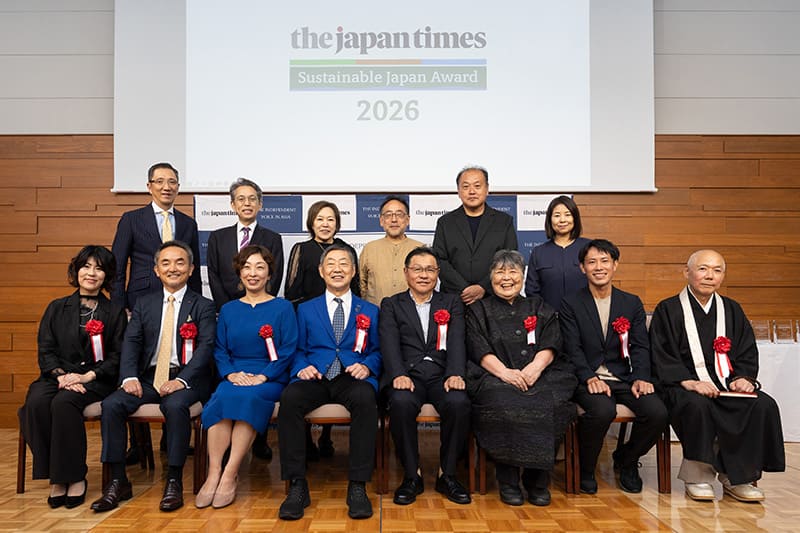
On Sept. 29, The Japan Times held its Sustainable Japan Day at the International House of Japan in Tokyo’s Roppongi area.
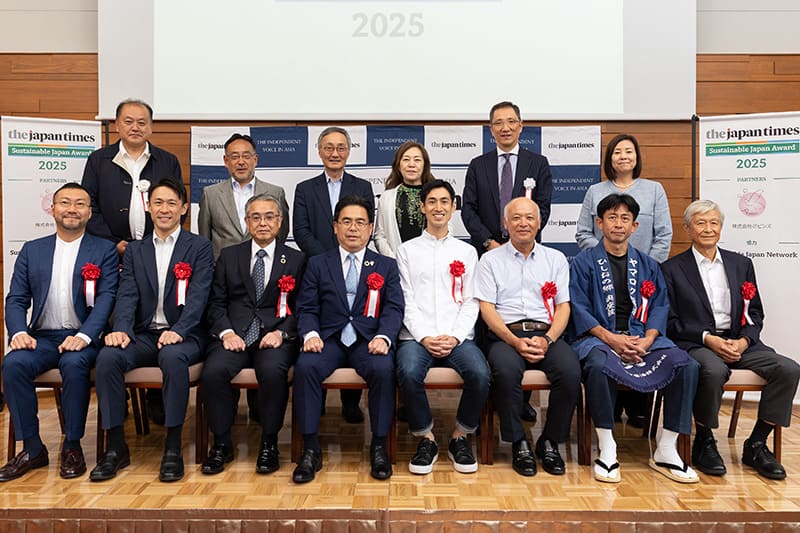
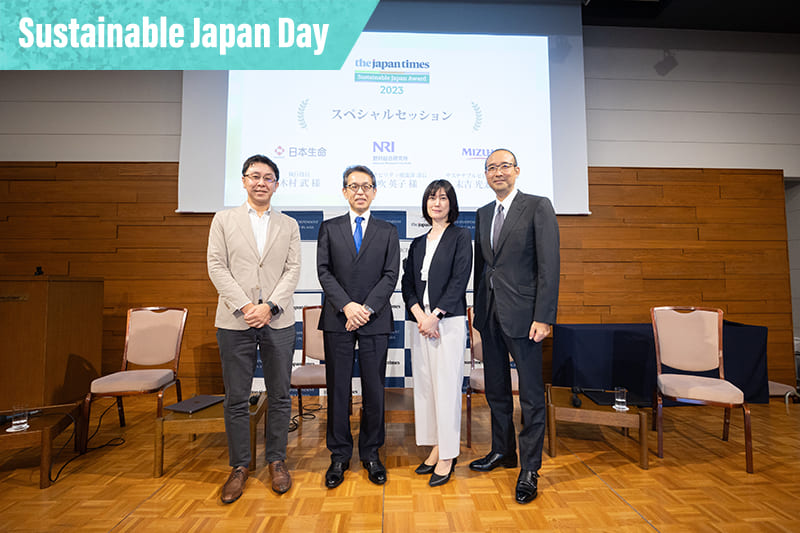
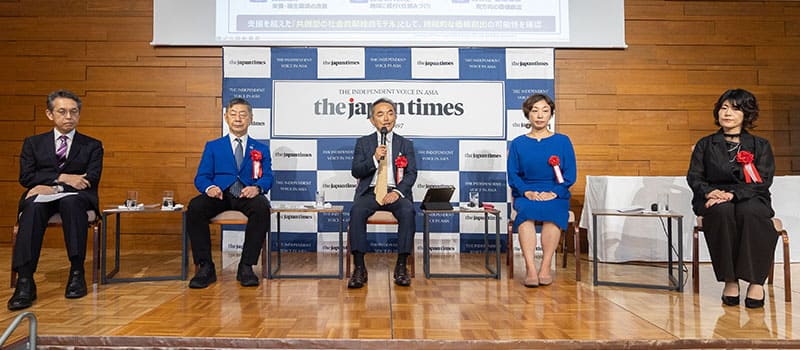
The event featured an award ceremony for the winners of the Sustainable Japan Award 2026: one in the ESG category and one in the satoyama category. After the ceremony, two panel sessions were held, one for each category, with representatives of award-winning companies, organizations and local governments introducing the initiatives that led to their winning the awards. In addition, as a special Sustainable Japan Day event, a special dialogue was held.
ESG winners maintain efforts toward a sustainable future despite shifts abroad
As the once-favorable climate surrounding ESG issues shifts, there are growing efforts to reexamine ESG’s fundamental purposes and values. Moderating the ESG panel discussion, Takeshi Kimura, a managing executive officer of Nippon Life Insurance Co., noted that opposition to ESG has mounted in the United States even as public support for its principles gains ground. He also pointed to a gradual worldwide decline in signatories to the Principles for Responsible Investment but continued growth in Japan.
Kimura highlighted Japan’s strength in sustaining initiatives once their importance is understood, even if progress is initially slow. The panel explored lessons from award winners on advancing sustainability and organizational transformation.
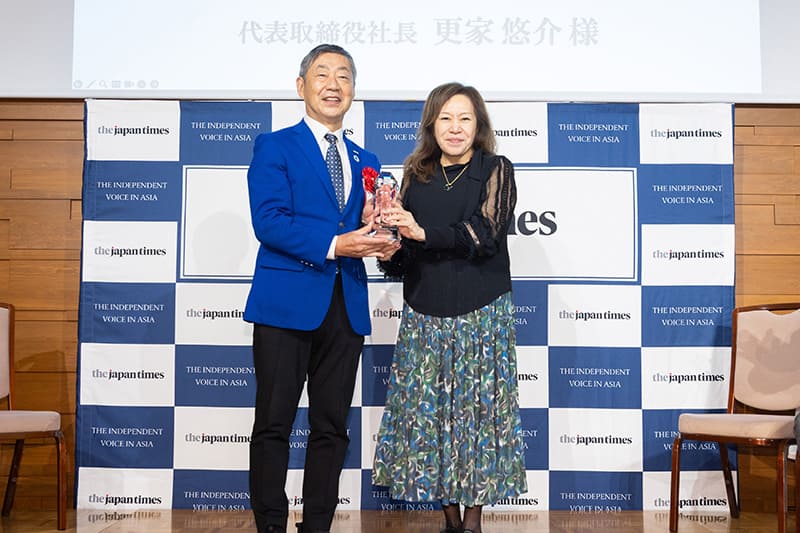
Grand Prize winner Saraya Co. Ltd., a manufacturer of hygiene, health and environmentally friendly products, has long sold its Yashinomi detergent made with palm oil-derived ingredients. In 2004, it confronted the link between the production of palm oil and deforestation and wildlife habitat loss in Malaysian Borneo.
Rather than stop using palm oil, Saraya chose to address the problems at the source. The company has supported the Borneo Conservation Trust. By allocating 1% of sales from designated products to conservation, Saraya has helped secure land along rivers to reconnect fragmented forests, contributing to significant progress in protecting elephant and orangutan habitats.
President Yusuke Saraya recalled that few alternative ingredients were available, leaving little choice but to act. Despite difficulties with gaining internal support, price competition and currency risks, the company has sustained its efforts, building support among consumers and distributors.
Excellence Award winner Morinaga Milk Industry Co. Ltd. operates in approximately 60 countries. “Alex” Atsushi Kobayashi, a managing executive officer and head of its international division, introduced its Smiles & Health for Children program, which supports school meals in mountainous areas of Vietnam. Working with the Vietnamese government, international NGOs and local subsidiaries, the program provides kitchen facilities and education on nutrition, health and hygiene. It helps schools and communities sustain the initiative independently. Now in its fourth year, it has reached 10 schools and more than 2,400 students, teachers, medical staff and parents.
Kobayashi said local communities took greater ownership than expected in sustaining and further developing the program.Morinaga plans study tours to share experiences among schools and help the initiative spread to other communities. The program also contributes to employee engagement and long-term brand trust in Vietnam.
Fellow Excellence Award winner Earth Company, a Japan-based nonprofit organization, supports local leaders in addressing social and environmental challenges across the Asia-Pacific region.
Through its Impact Heroes program, it provides three years of tailored support to one exceptional leader annually. Since 2021, it has also offered a one-year leadership program for up to 10 change-makers each year.
To date, Earth Company has supported 61 leaders from 20 countries and provided ¥132 million ($850,000) in funding to 46 projects across 14 countries, with more than 95% of the funds raised in Japan. Through efforts ranging from building schools and healthcare facilities to delivering emergency relief, the organization has reached 7.65 million people.
Mami Sato, head of its Japan office, emphasized the importance of dialogue even when opinions differ. By empowering local leaders rather than imposing outside solutions, Earth Company has achieved more than it could accomplish alone.
The Special Award went to the Association of Co-development of Women’s Business Succession of Japan, which supports women preparing to take over family businesses amid Japan’s growing business succession crisis. Through management training, networking events and the publication of a report highlighting the experiences of women who take the reins at family businesses, the association works to challenge deeply rooted gender biases surrounding business succession.
Representative Director Noriko Uchiyama stressed that women’s efforts alone cannot overcome these barriers without broader changes in social attitudes. The association aims to raise women’s share of business successions from around 10% to 25% by 2035. Uchiyama said greater participation by women could help preserve local businesses, sustain employment and revitalize regional economies.
To conclude, Kimura expressed hope for a future in which the term “ESG” would no longer need special emphasis, as sustainability would have become an integral part of everyday business and social decision-making. The four organizations demonstrated different paths toward realizing that vision.
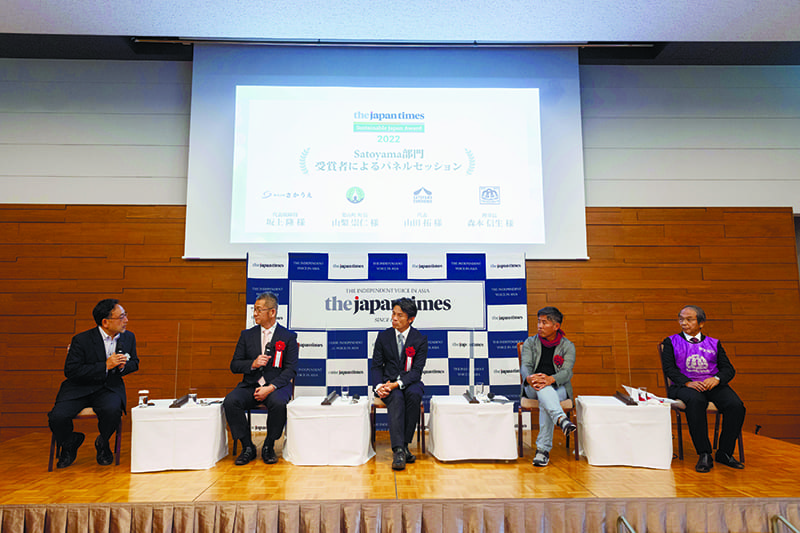
Satoyama winners create cycles of resources, people, local culture and joy
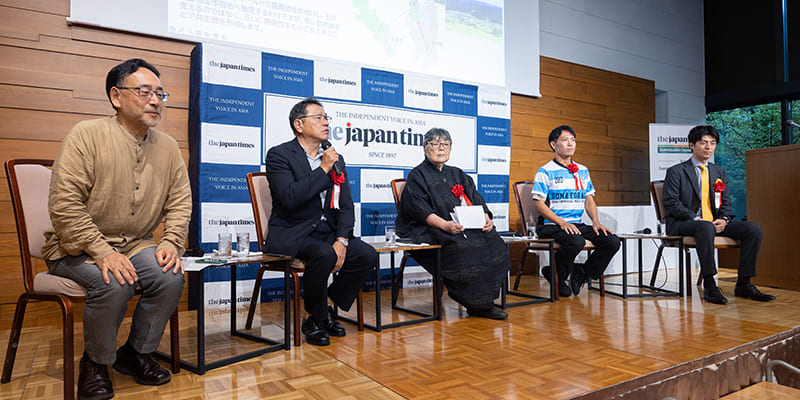
The satoyama category recognizes efforts to preserve and revive fading local resources and traditions while fostering sustainable connections among people and communities.
Kosuke Motani, the chief senior economist at the Japan Research Institute, who moderated the satoyama panel discussion, highlighted diversity as one of the defining characteristics of activities in satoyama areas, noting that people from different backgrounds bring a wide range of initiatives.
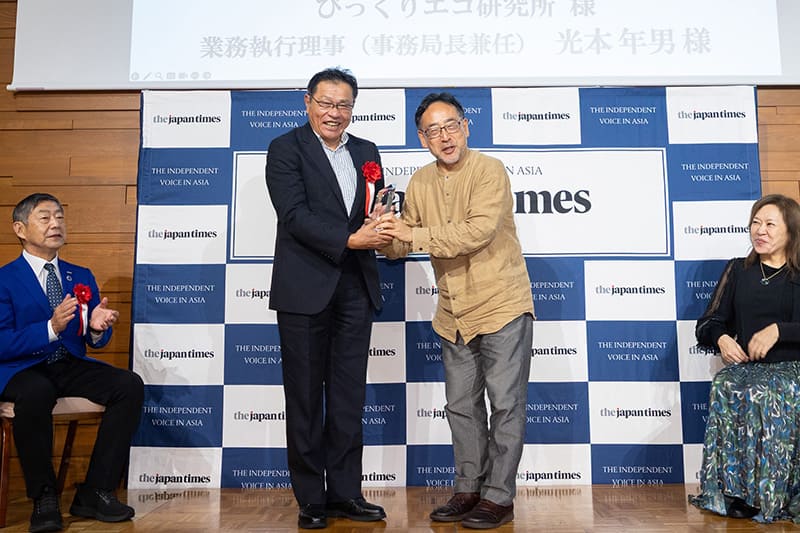
Grand Prize winner Bikkuri! ECO Research Institute, a Kyoto-based general incorporated association, is turning food waste into a resource in the Keihoku area of northern Kyoto. Through its Kyoto Satoyama SDGs Meguru Project, local food waste is converted into biogas and liquid fertilizer. Farmers in the area use the fertilizer to grow crops that are then purchased by local businesses and hotels, creating a cycle linking food waste, agriculture and the local economy.
Toshio Mitsumoto, the institute’s executive director, said the system helps farmers secure stable prices amid rising production costs and market volatility. Looking ahead, he expressed hope that the model could be expanded to other regions as municipalities face growing challenges in waste management.
Excellence Award winner Nasu Community Development Co. Ltd. is revitalizing a former elementary school in Nasu, Tochigi Prefecture, using local resources to create a community where people of different generations and backgrounds can live together and support one another.
Its Nasu Machizukuri Hiroba complex integrates housing, healthcare, nursing care, dining and cultural activities. About 140 people live in the complex and 100 work there, with outside residents also coming to visit.
Guided by the principle of creating what is needed but does not exist, the company also provides transportation and employment opportunities, helping residents live on their own terms as they age.
Keiko Chikayama, representative director, stressed the importance of understanding people’s needs from their perspectives and fostering mutual support. The initiative offers a new model for addressing population aging and declining local communities.
Fellow Excellence Award winner Suma Universal Beach Project creates opportunities for people who have given up on visiting the beach because of disabilities or age. Using specialized mats and amphibious wheelchairs, the organization enables participants to enjoy the sea with family members and volunteers.
Under the motto “Turning everyone’s ‘I can’t’ into ‘I did it!’” the project has provided beach experiences to more than 5,000 participants to date. Its activities have 25 partner organizations.
Shogo Tsuchihara, a board member and secretary-general, said successful beach experiences inspire children to try hiking, camping and other activities, spreading confidence and joy throughout their families.
He emphasized that Japan’s extensive coastline, rich forests and aging population make it particularly well-positioned to promote universal tourism that turns limitations into opportunities. Through partnerships with businesses, the organization aims to create a society where everyone can take on new challenges, regardless of age or disability.
Special Award winner Benibana Promotion Council is working to revive Yamagata Prefecture’s declining safflower industry by developing new uses for the traditional crop.
During the Edo Period (1603-1868), safflower was prized for its luxury red dye, which was said to be worth 100 times as much as rice and 10 times as much as gold. According to Daisuke Koseki of the council’s secretariat, production declined sharply with the spread of synthetic dyes and cheaper imports. With flowers blooming for just seven to 10 days in July, the long off-season makes it difficult for farmers to earn a living from safflower alone.
To address these challenges, the council is exploring new uses for the flower. Since red pigment accounts for less than 1% of the petals, the council is focusing on the remaining material. Working with chefs in Japan and brewers overseas, the council is developing new products, including culinary dishes, craft beer and herbal tea.
Harvesting remains labor-intensive, with flowers picked by hand. The council is exploring mechanized harvesting with researchers and connecting producers with buyers to revive the industry and preserve its cultural heritage for future generations.
Motani highlighted how the four initiatives create cycles of resources, people, joy and local culture. Despite their different approaches, all four demonstrate how regeneration, innovation and diverse participation can help sustain satoyama communities for future generations.
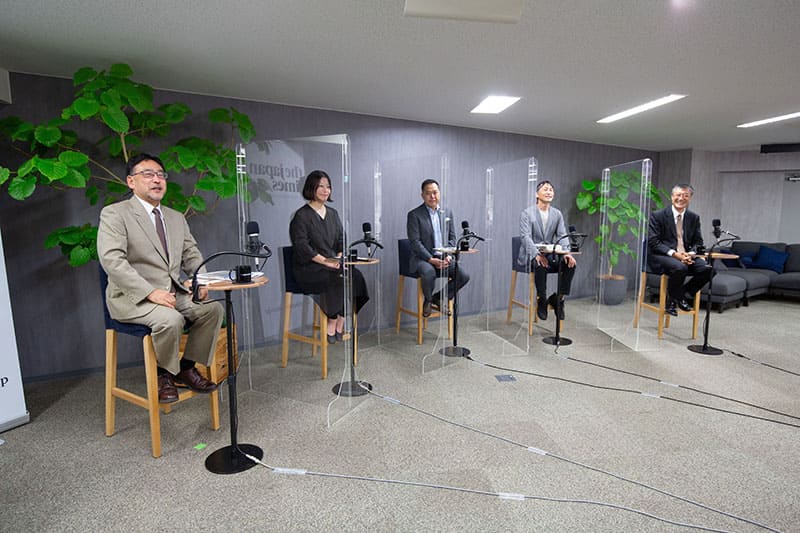
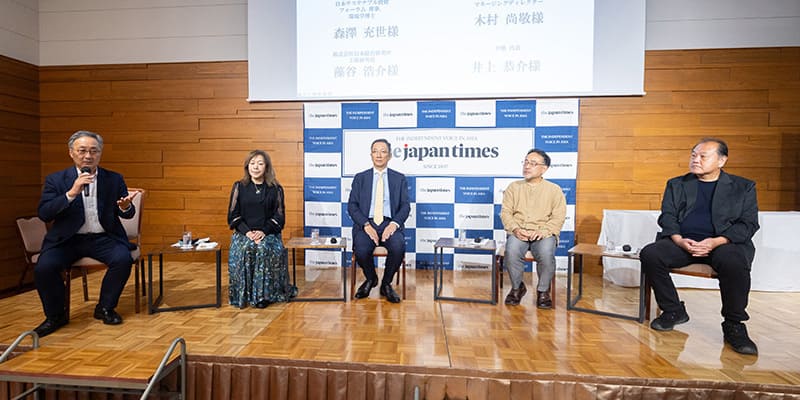
Judges and advisers discuss pathways beyond 2030
The award ceremony concluded with a special session bringing together judges and advisers to reflect on the ESG and satoyama categories and discuss pathways toward a more sustainable society.
Ken Shibusawa, the chairman of Commons Asset Management, identified a strong sense of personal responsibility as a defining characteristic of the award recipients. With sustainability facing growing headwinds globally, he called for a shift toward resilience — the ability to adapt and grow stronger in the face of adversity. Like a tree bending in a strong wind before springing back, resilience is not simply about returning to the status quo, he said. The process of recovering from adversity can generate new insights, making resilience itself a driver of value creation.
Session moderator Michiyo Morisawa, a board member of the Japan Sustainable Investment Forum, said the initiatives presented each year renew her confidence in Japan’s potential. Citing efforts to make everyday activities more accessible to people with disabilities, she expressed hope that Japan will become a society increasingly admired abroad.
Naonori Kimura, a co-managing director of Industrial Growth Platform Inc., noted that ESG has evolved beyond conventional philanthropy toward addressing social challenges while creating lasting value. The essence of any enterprise, he said, lies in solving people’s problems, adding that continually bringing joy to others is itself a form of sustainability.
Japan Research Institute senior researcher Kosuke Motani, discussed satoyama capitalism, emphasizing local resources and community ties over purely financial measures of success. He argued that earning money should be a means of sustaining communities and enriching lives, rather than an end in itself.
Kyosuke Inoue, the head of Suke Juku, stressed the importance of moving beyond cooperation toward deeper solidarity. He highlighted the fulfillment derived from human connections and the growing participation of young people in community initiatives, expressing hope for greater collaboration across generations.
Closing the session, Takeshi Kimura, a managing executive officer of Nippon Life Insurance Co., looked beyond the United Nations’ 2030 deadline for the sustainable development goals. Noting that the 17 goals have often encouraged siloed approaches, he suggested that human well-being could become a central focus of the post-2030 agenda. Improving the well-being of all stakeholders, he said, is a shared goal of both the ESG and satoyama initiatives.
Ichiro Sumikura
ENVIRONMENT MINISTRY OFFICIAL
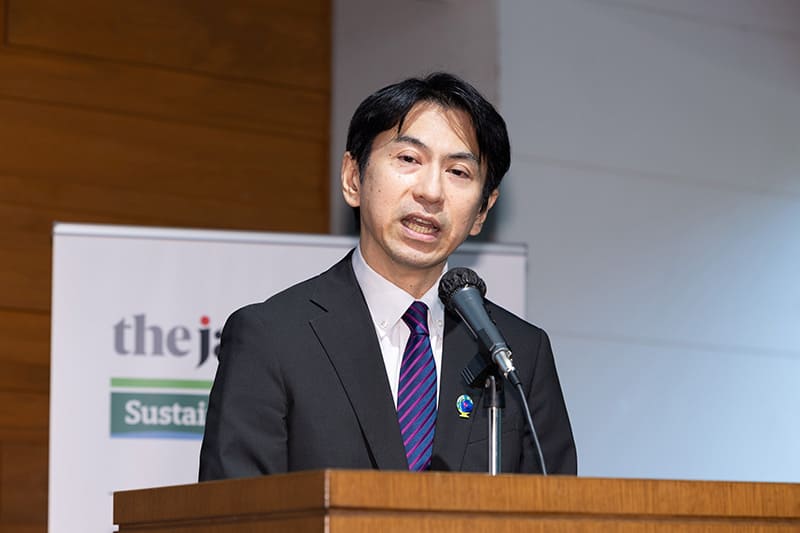
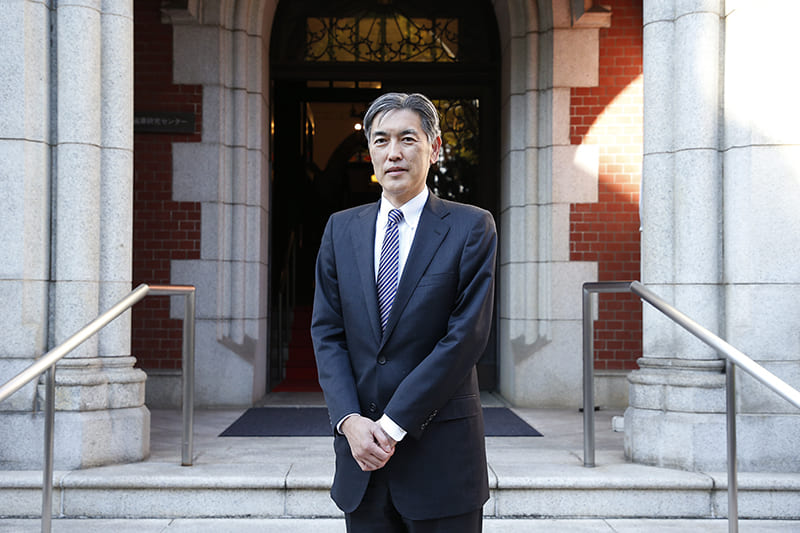
Sumikura, director-general for environmental policy at the Ministry of the Environment, emphasized the importance of action by businesses and local communities in addressing climate change, biodiversity loss and pollution. He outlined the ministry’s efforts to expand green finance and support local sustainability initiatives. He also drew a parallel between sustainability and the traditional Japanese principle of sanpō-yoshi (three-way good), which seeks benefits for sellers, buyers and society. Praising the award winners for embodying this philosophy, he expressed hope that their initiatives will gain wider recognition internationally and contribute to a sustainable future.
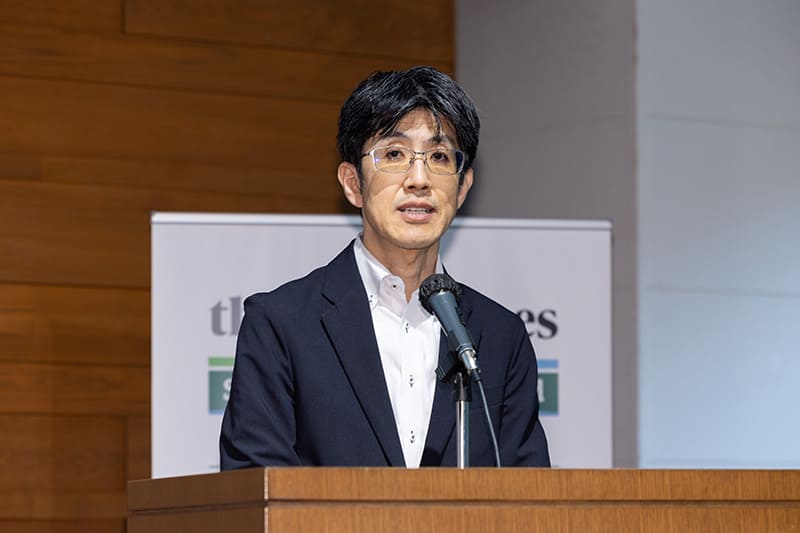
Sadanori Ito
Head of METI’s GX Policy Group
Ito stressed the growing importance of building a sustainable and resilient society amid extreme weather and geopolitical risks. He explained that green transformation (GX) is not only about addressing environmental challenges but also about promoting economic growth and strengthening energy security. He highlighted resource circulation as a key pillar of GX, particularly as Japan faces growing uncertainty over access to imported resources. He also emphasized that GX and the circular economy can help address both global and local challenges, calling for sustained collaboration among businesses, local governments and nonprofit organizations.