December 05, 2025
【Sustainable Japan Excellence Award】Nakagawa Co., Ltd.




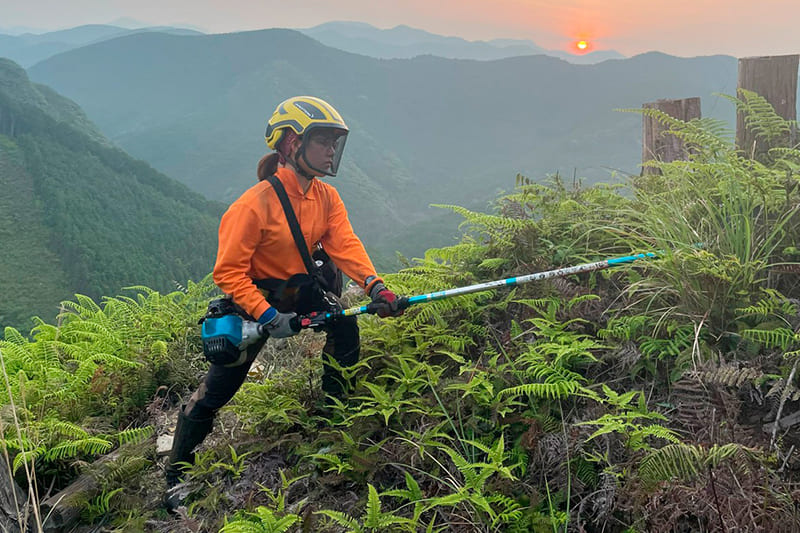
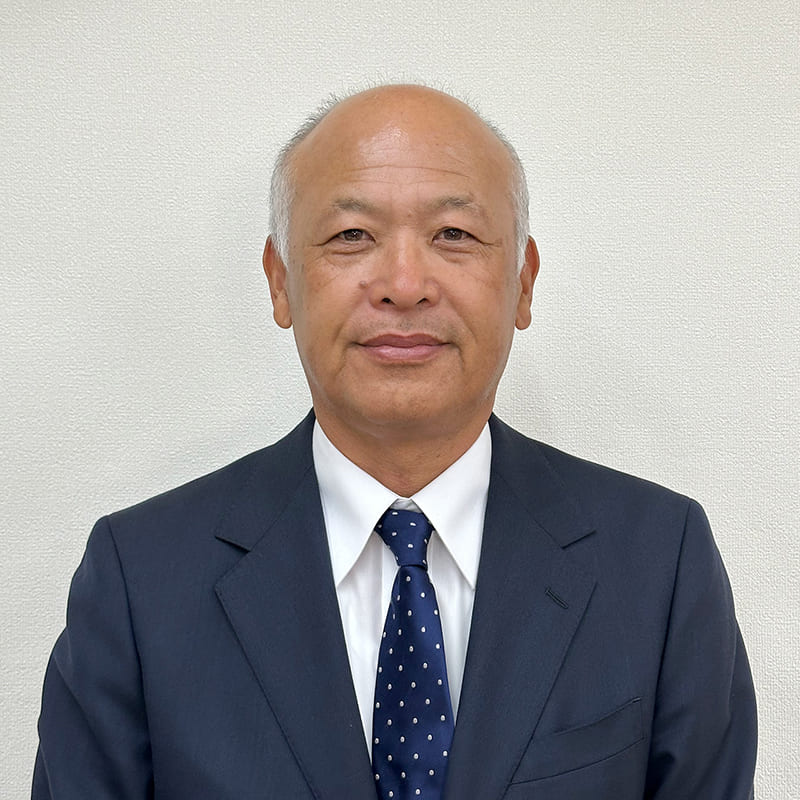
The origins of our work trace back to our founder, Masaya Nakagawa, who, while working as a company employee, was once asked by his 3-year-old son to “play together.” Seeking a career that would allow him to cherish time with his child, Nakagawa turned to forestry. Guided by the principle that “nurturing forests is nurturing people,” and with the vision of reducing abandoned planting sites in Wakayama Prefecture to zero, he launched the company in August 2016, pioneering a model of forestry that focuses on forest cultivation without logging.
Facing a nationwide shortage of forestry workers, we introduced large drones to reduce the labor required for transportation and improve safety, enabling the employment of women and creating a more inclusive and attractive work environment. By hiring many newcomers, including those relocating from other regions, we have contributed to local revitalization.

We also collaborate with local children, disability employment centers and small businesses to grow seedlings from acorns collected by children. These locally grown broadleaf trees are planted to minimize the risk of genetic disturbance, restore satoyama landscapes, promote coexistence with wildlife, and — after 30 years — serve as raw material for Kishu Binchotan charcoal. Additional benefits include local economic circulation, allergy prevention and carbon sequestration.
Inspired by this award, we will continue to break away from conventional forestry, expand opportunities in primary industries, create jobs, restore satoyama ecosystems, preserve native species and sustain biodiversity for future generations.
Reason for the award:
Nakagawa Co. Ltd., founded in 2016 in the Wakayama Prefecture city of Tanabe, has reimagined forestry with its pioneering concept of “forestry without cutting trees.” The company has built a new model of sustainable forest management through a wide range of initiatives: producing its own seedlings, introducing large drones to improve efficiency and safety, implementing measures against wildlife damage and creating employment opportunities for women.
One of its most notable projects involves children collecting acorns, which are grown into seedlings and planted in collaboration with local disability facilities — an approach that exemplifies a community co-creation model. Beyond social impact, the initiative offers significant environmental benefits, from mitigating pollen allergies to fixing CO2. The broadleaf trees planted will eventually serve as raw material for traditional Kishu Binchotan charcoal, ensuring continuity of local industry over the long term.
Nakagawa’s model is already inspiring similar ventures nationwide, shifting forestry’s value system from purely economic returns to environmental and social value. Its open stance — creating employment, welcoming diverse talent and fostering a virtuous cycle where “people attract people” — demonstrates how forestry can become both innovative and inclusive. As a Japanese-born model, it offers important lessons for building more sustainable societies worldwide.