March 23, 2026
Inaka no Taiho offers an experience of ‘receiving life’




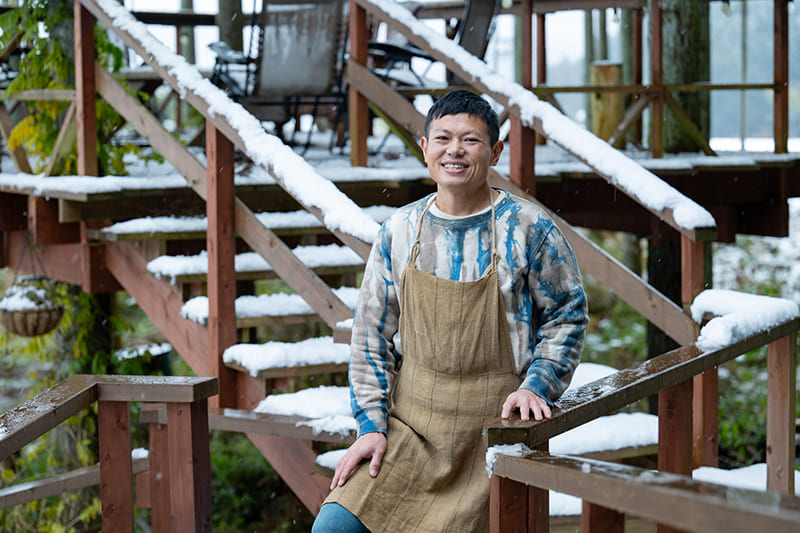
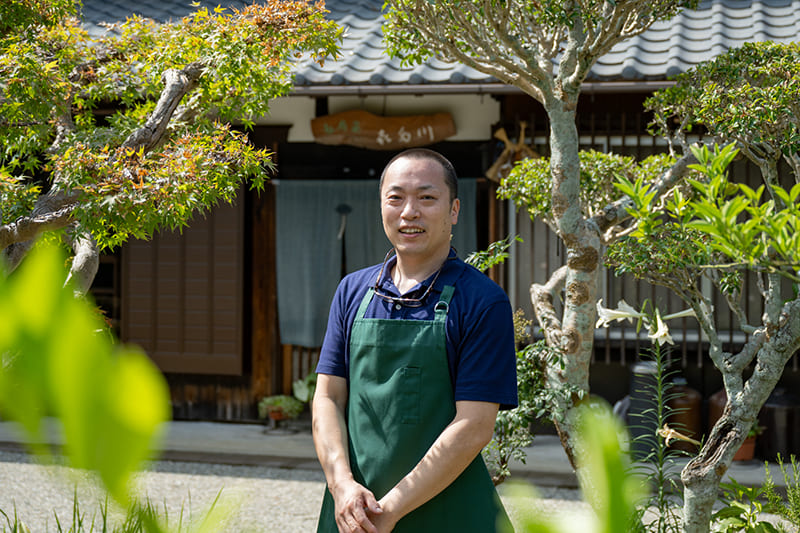
The Chinese restaurant Inaka no Taiho has a unique concept that has captivated gastronomes near and far since its launch in 2021: an open-air restaurant next to a farm. When the weather permits, meals are served on the wooden deck. On other days, guests are seated in the main dining room, which is protected by a roof and plastic sheets but whose board walls are replete with gaps that let the wind in. Though a stove heater is used, guests dine with their coats on in winter.
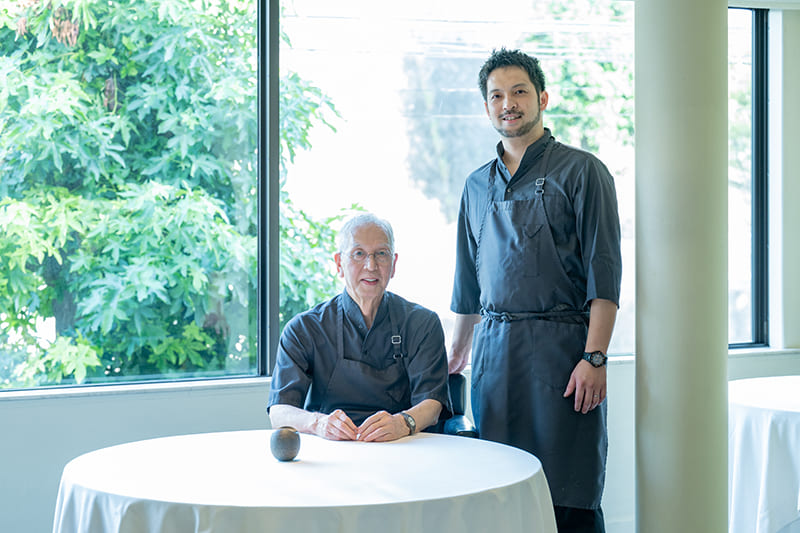
Owner-chef Koki Watanabe said, “I visited the producer of a natural wine that’s served at Chugokusai Taiho, my family’s restaurant in Kyoto. In Europe, they eat meals on a terrace overlooking the fields. When I saw that, I thought it was just like nongjia le in China,” a type of rural tourism incorporating local cuisine. “I decided I wanted to try it, too, and that’s what led me to start this restaurant.”
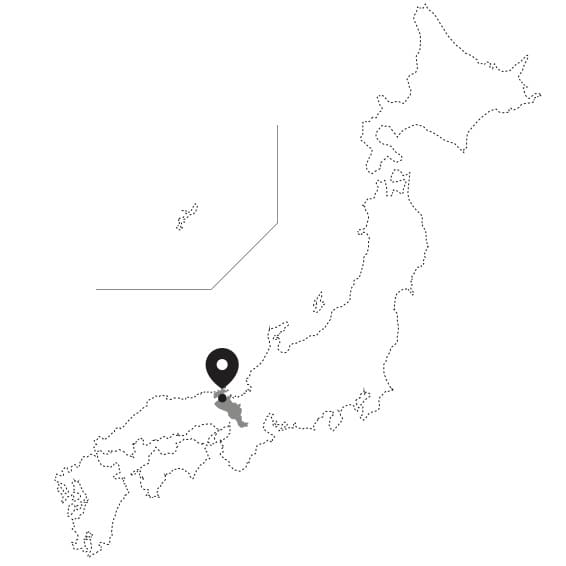
For the past decade or so, nongjia le has been a popular trend in areas near large cities throughout China. To create his own nongjia le, Watanabe set his sights on the land adjacent to Hasugamine Farm in the northern Kyoto Prefecture city of Ayabe, a 90-minute drive from Kyoto.
“I met the head of Hasugamine Farm, which raises poultry, and we decided to work together,” said Watanabe. “At first, I was making prepared dishes and selling them to local people. I gradually started receiving requests from friends and guests at Chugokusai Taiho. Before I knew it, I’d opened a restaurant.”
Initially there was only an outdoor table, but in the summer of 2023 Watanabe built a kitchen and dining room and reopened the restaurant. Upon arrival, guests look at the horses and pigs on the farm before being shown to the area outside the dining room. Then Watanabe comes over from the chicken coop, holding a live chicken. Nurtured for a two-year period, the chicken has been producing eggs daily in addition to being raised for meat. As Watanabe gently applies the blade of a knife to the bird’s neck, a guest stands next to him and holds its legs, experiencing firsthand the moment when life ends. Having been transformed from a chicken into meat, the bird is then butchered quickly and skillfully by Watanabe.
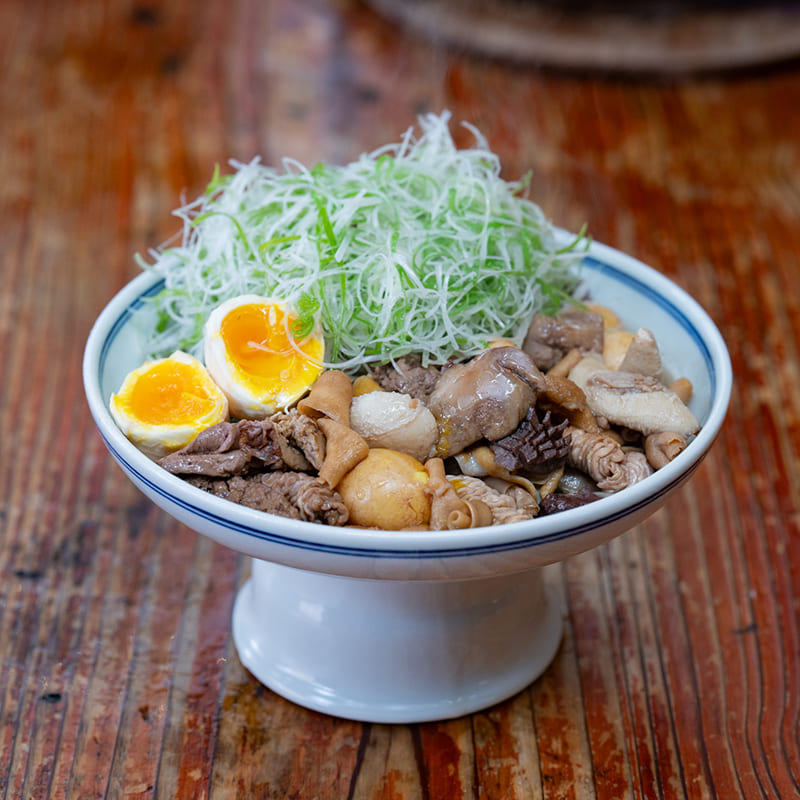
“These are the lungs. This is an egg before its shell has hardened,” he says, pointing out internal organs and other parts one by one. When the processing of the chicken is completed, guests finally take their seats, and the omakase course service begins. The meal is priced at ¥24,000 ($160). Just one party of four to 12 people is served each day.
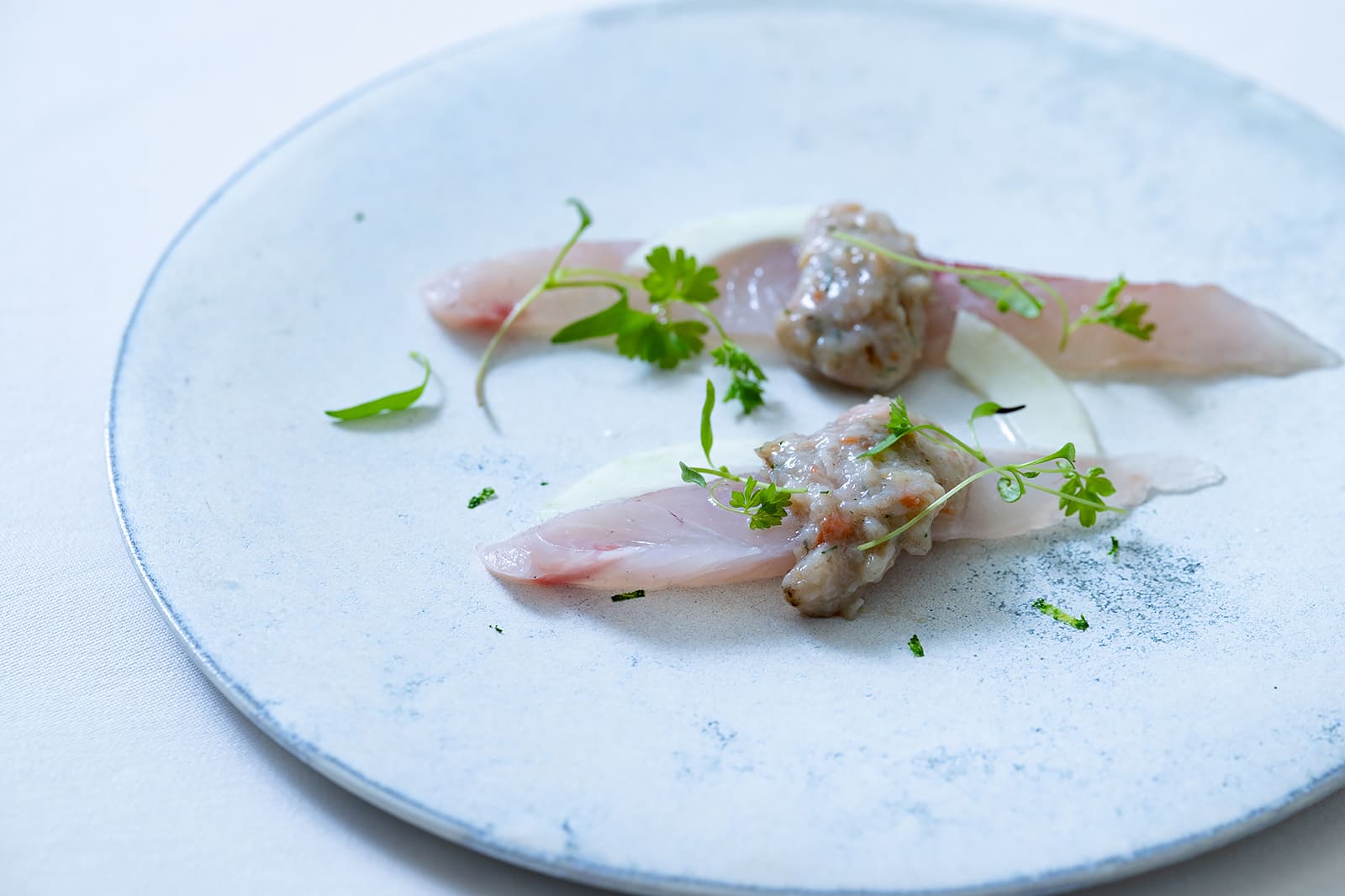
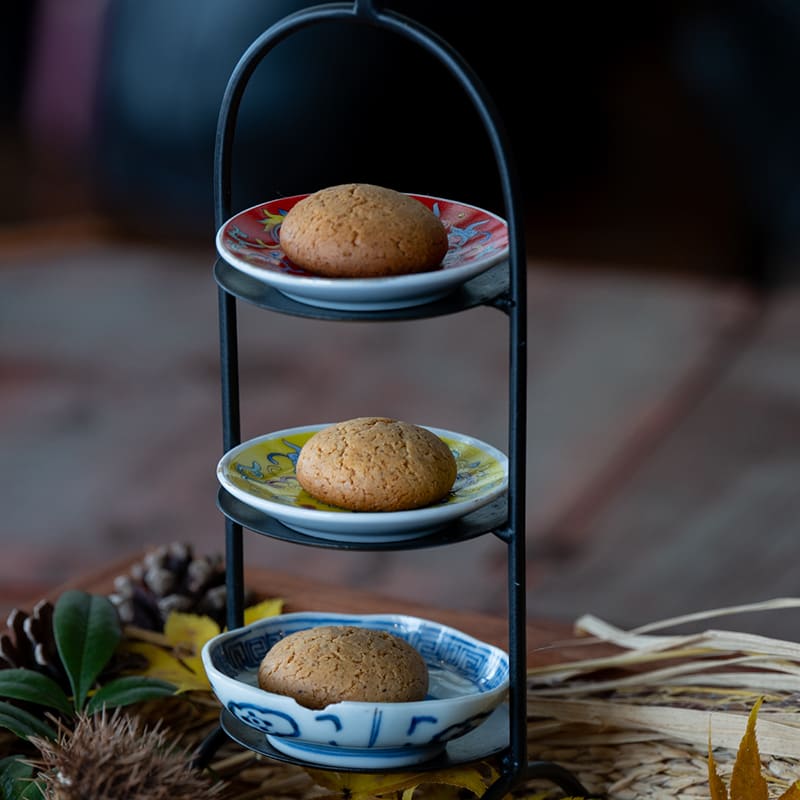
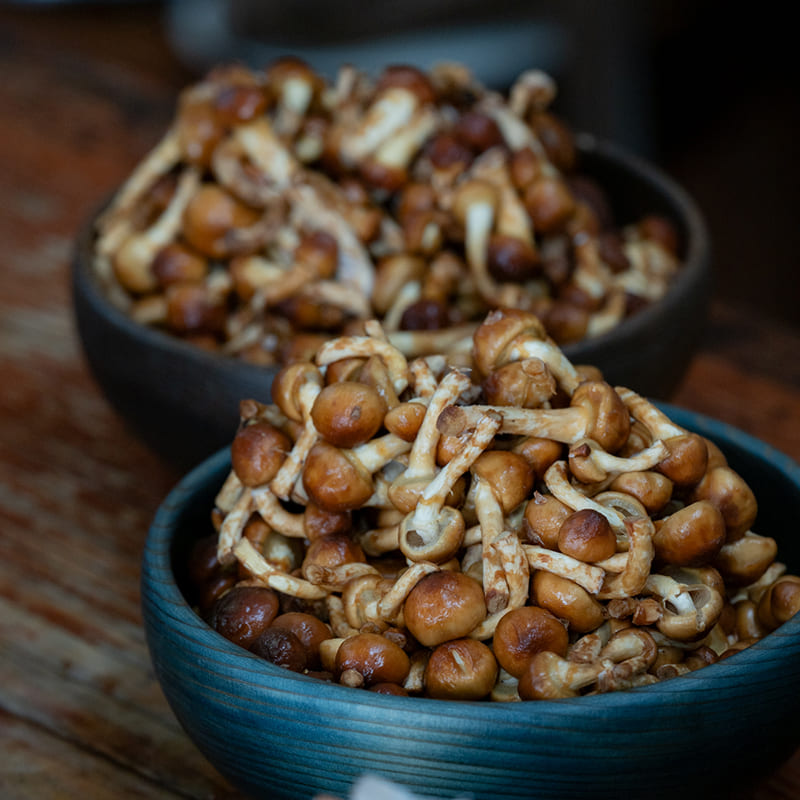
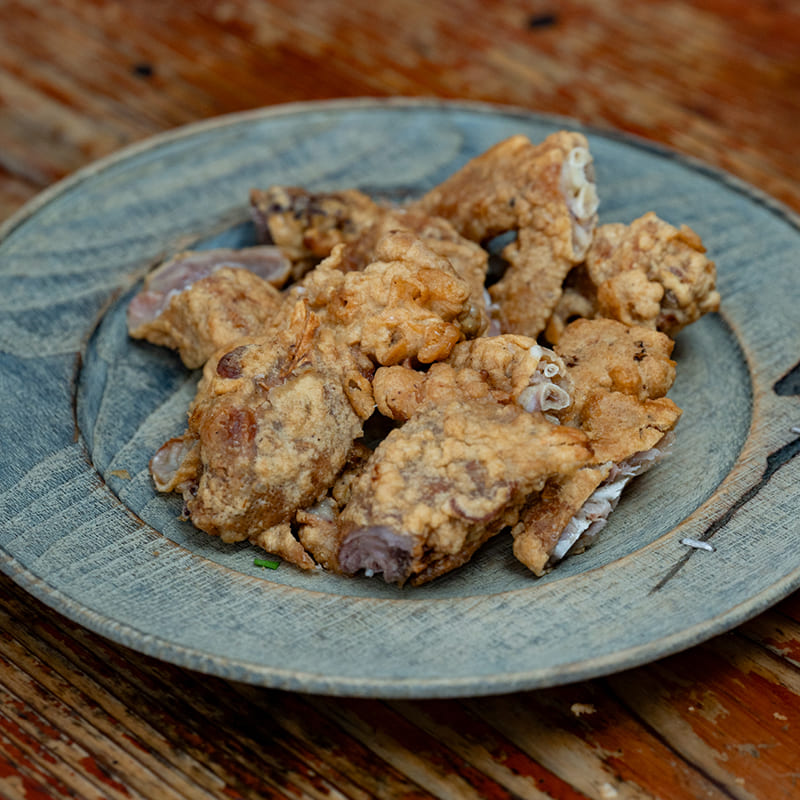
Of course, the main ingredient is the chicken that was processed just a short while earlier. The first dishes served include lightly poached internal organs, some of which are not commonly eaten, as well as chicken soup containing solidified blood, and a stir-fried dish with chicken breast. All these dishes inspire a special emotion — a realization that “living is receiving life.” This is a place that offers a blissful experience quite different from that of dining in a chandelier-lit restaurant.
Koki Watanabe
Born in Kyoto in 1981 as the second-generation successor to Chugokusai Taiho, a family-run Chinese restaurant opened in Kyoto by his father. After training at neighborhood Chinese restaurants, Watanabe began working at Taiho in 2006 and frequently traveled to Sichuan to study authentic regional flavors. He renovated Taiho in 2014. Serving natural wines there, he developed an interest in the environment around food. This led to his launch of Inaka no Taiho, next to Hasugamine Farm in the city of Ayabe, at the end of 2021. He reopened the restaurant after renovations in the summer of 2023.
Inaka no Taiho
2-1 Yatsuai-cho Betto, Ayabe-shi, Kyoto Prefecture
https://www.instagram.com/inakanotaihou
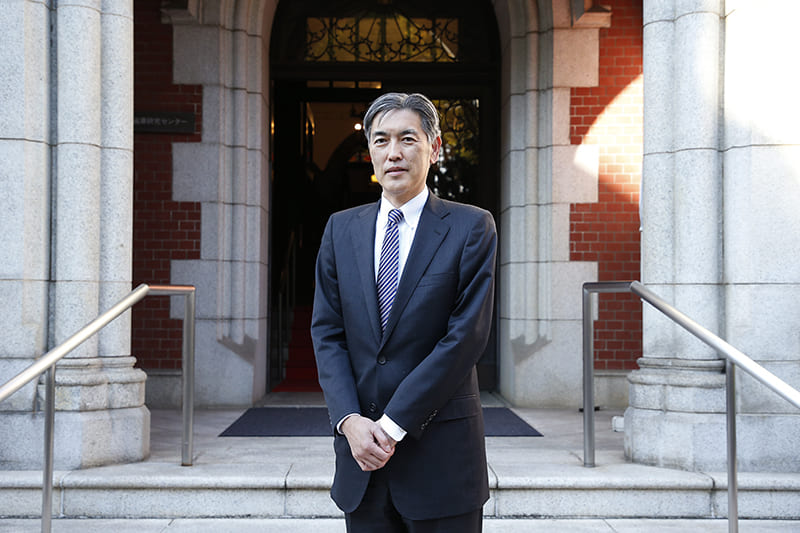
Gentaro Shikata
Mayor of Ayabe City
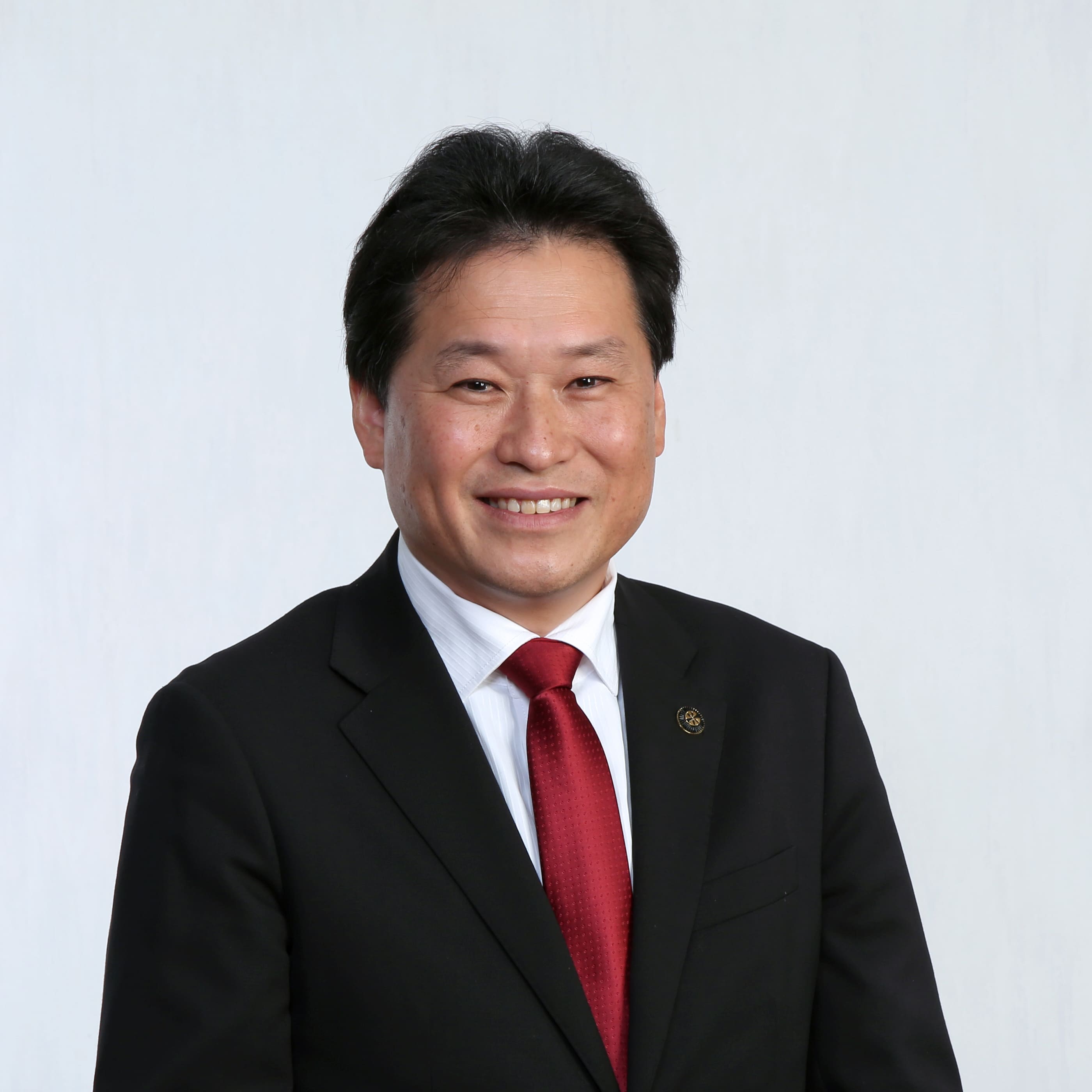
Congratulations on receiving the Destination Restaurant award!
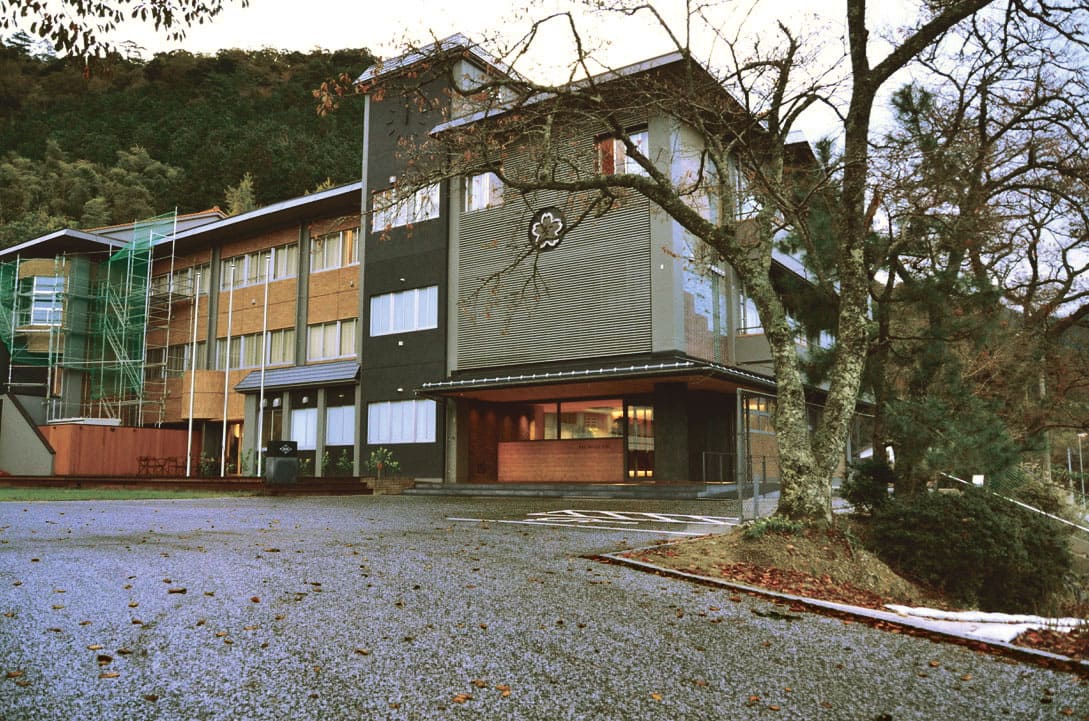
The Kanbayashi district of Ayabe, where Inaka no Taiho is located, is home to the Niomon Gate of Komyoji Temple — a national treasure said to have been founded by Prince Shotoku. During the Edo Period, it was also associated with the Kanbayashi family, who served as tea masters for Uji tea. In summer, fireflies can be seen, and along the road there are Ayabe Onsen, cafes and farm-stay accommodations scattered throughout the area. After you enjoy dishes at Inaka no Taiho featuring chicken and richly flavored vegetables nurtured by the area’s abundant nature, we also recommend exploring Kanbayashi.