August 17, 2026
Old Yamagata school is now a creative laboratory




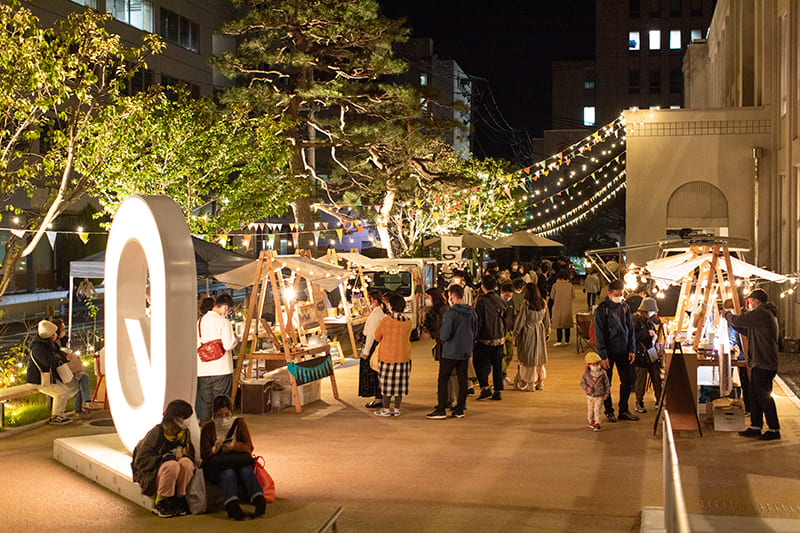
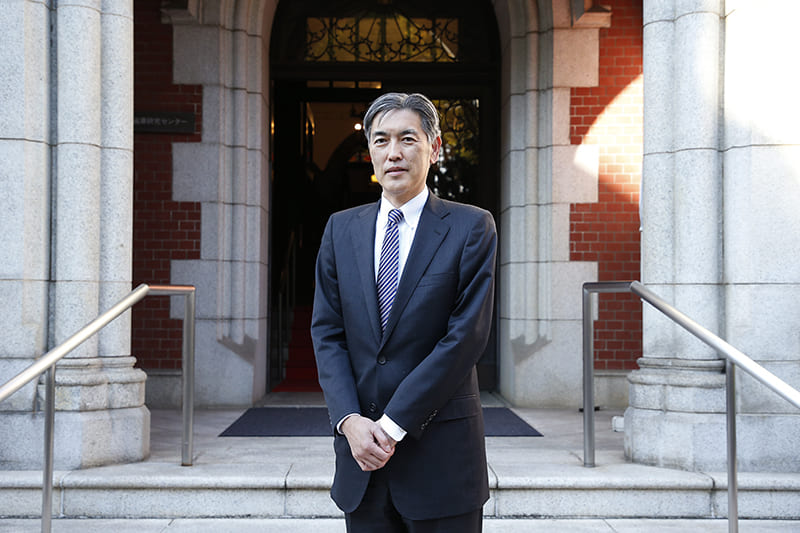
A former elementary school building located a 15-minute walk from Yamagata Station has been transformed into a commercial facility and a hub for the creative city of Yamagata. It is named Q1, pronounced “kyū-ichi,” combining “kyū” (former) and “ichi” (one), drawing from “Kyu Issho,” the familiar name by which the Yamagata City Daiichi Elementary School was known.
This school had produced countless graduates since its establishment in 1927, holding a special place in the hearts of local residents. The name Q1 reflects a wish to preserve those cherished memories for the entire community.
Since this building is designated as a Registered Tangible Cultural Property, its exterior had to be preserved in its original state. The interior renovation was carried out to retain as much of the original character of the walls, ceilings and staircases as possible while adapting the spaces for multiple purposes. Today, Q1 houses shops, cafes and restaurants, as well as artisan workshops, corporate offices and event spaces.
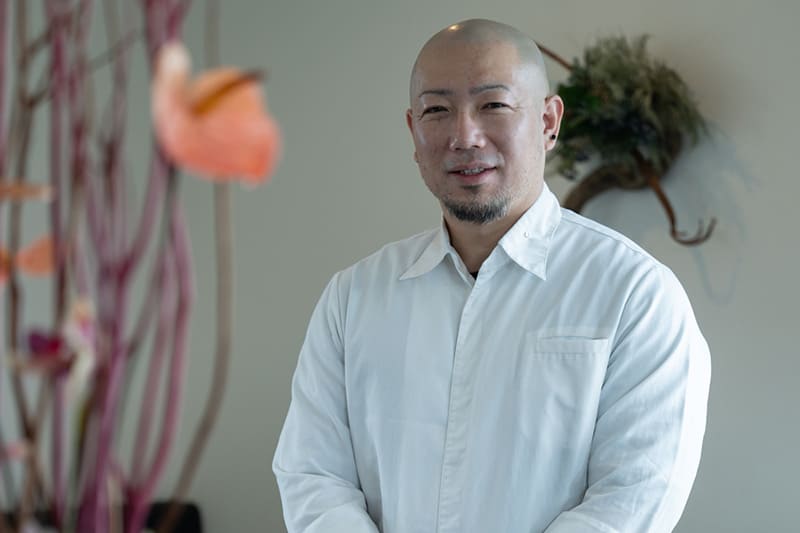
Masataka Baba is the architect and renovation expert who spearheaded this project and continues to play a central role in the operation of Q1. Baba is widely recognized for his diverse renovation projects across Japan, including the Real Tokyo Estate project launched in 2003, which focused on renovating various unique vacant properties and old buildings throughout Tokyo.
Although he originally had no connection to Yamagata, he accepted an invitation from a professor he respected and began teaching at the Tohoku University of Art and Design (TUAD) in 2008. He had already launched Central East Tokyo, an initiative that involved collaborating with artists to use vacant properties and buildings as venues for art activities throughout the city.
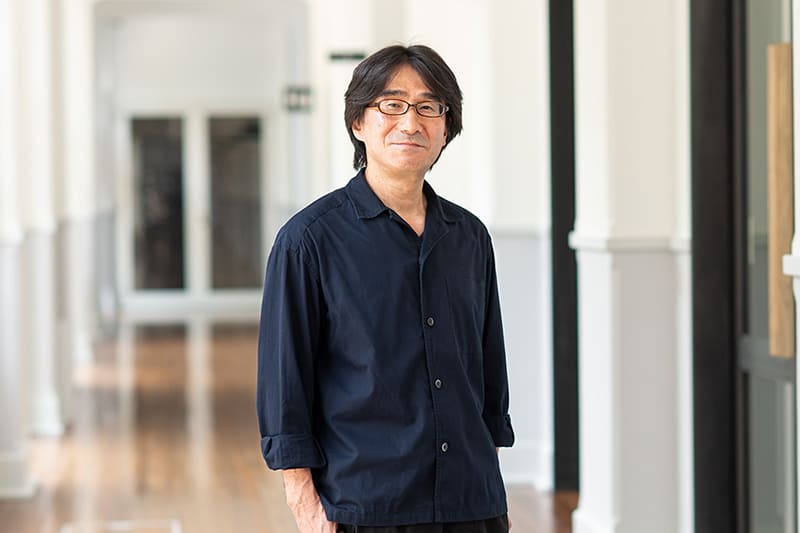
Baba sensed a strong enthusiasm among his students to attempt similar projects in Yamagata. The students began searching for vacant properties and found a former inn that had been left vacant. They came up with a plan to renovate it into a shared house for students and presented the idea at a meeting of the neighborhood shopping district association. The leader of the association introduced them to the property owner, allowing the project to move forward.
“At universities in Tokyo, students learn design and architecture primarily within the campus. At TUAD, students have the entire city as a real-world field where they can put what they learn into practice. Yamagata is compact, and people here are open-minded, allowing us to nurture a close connection with the community,” Baba said.
Since then, Baba has continued to support his students as they set up shops and hosted events using vacant properties in the neighborhood, earning the understanding and trust of local residents along the way. As the connection between the university and the community deepened, the city of Yamagata approached TUAD about transforming the former Daiichi Elementary School, and the university agreed to take on the project.
Around the same time, Yamagata was designated a member of the UNESCO Creative Cities Network under the film category. The evaluation process highlighted not only the prestigious Yamagata International Documentary Film Festival, Baba noted, but also the creativity woven throughout the city’s multifaceted cultural assets, including music, literature, crafts and food culture.
This led Baba and Sato to agree that the school building should serve as a hub for local creative activities. Baba emphasized that Q1 aims to cultivate creative talents capable of helping form a sustainable regional economy. Current tenants range from a metalsmith and hairdresser to chefs crafting dishes and sweets with local ingredients.
Throughout the year, Q1 also hosts the Marche Event Q-Ichi series (in which the “Ichi” means “Market”), featuring various themes such as wine, sake and vintage clothing. The next event will be held from Sept. 11 to 13.
Baba noted that distinctive, creative shops and attractions are also scattered across the city outside Q1. “The great thing about a regional city like Yamagata is that you can make a living by doing what you are truly passionate about. Last year, we put together a book like a dictionary of professions, gathering people who are passionate about what they do. It features diverse professionals from designers and architects to farmers and ramen chefs.” He expressed hope that many young people, especially junior high school and high school students, will read the book to explore new possibilities.
“In the 19th century, people engaged in ‘labor’ to make a living. In the 20th century, what was once called ‘labor’ became ‘work.’ I believe that it will become ‘play’ in this century. We call people who passionately pursue something ‘players.’ I want Yamagata to be a city filled with people like that,” Baba said.