June 29, 2026
Necchu Elementary School builds thriving communities via learning




As many rural communities across Japan grapple with population decline and aging, new ways to sustain local vitality are increasingly needed.
One organization believes the answer begins with learning. Necchu Elementary School is an adult-learning initiative operated by the nonprofit organization Necchu Gakuen. Inspired by the idea of seeing the world through the eyes of a 7-year-old, the program encourages adults to rediscover the joy of learning.
Over the past decade, the program has created opportunities for people to reconnect with their communities through learning and civic engagement. What started in 2015 in the Yamagata Prefecture town of Takahata has grown into a nationwide network spanning 17 schools across Japan and one in Seattle, with two additional campuses currently in preparation.
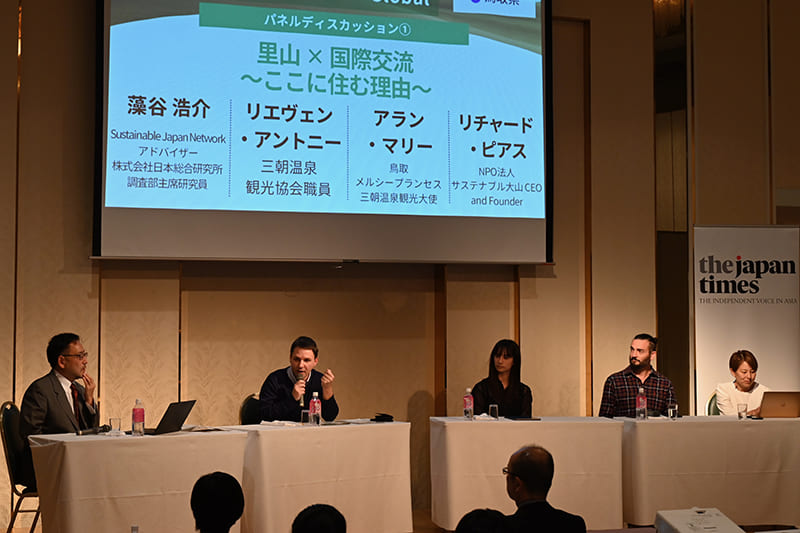
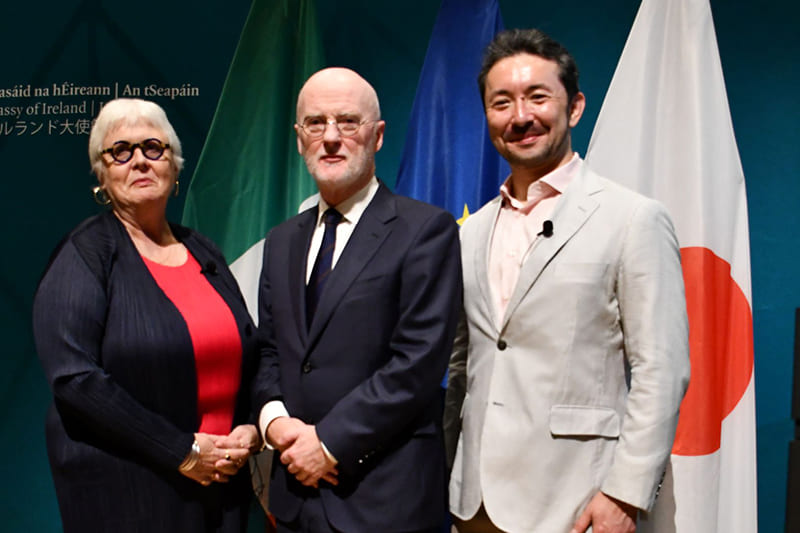
The initiative was recognized with the Special Award in the satoyama category at The Japan Times’ Sustainable Japan Award 2025. Judges cited its contributions to human-resource development, entrepreneurship, migration promotion and broader efforts to create sustainable regional communities.
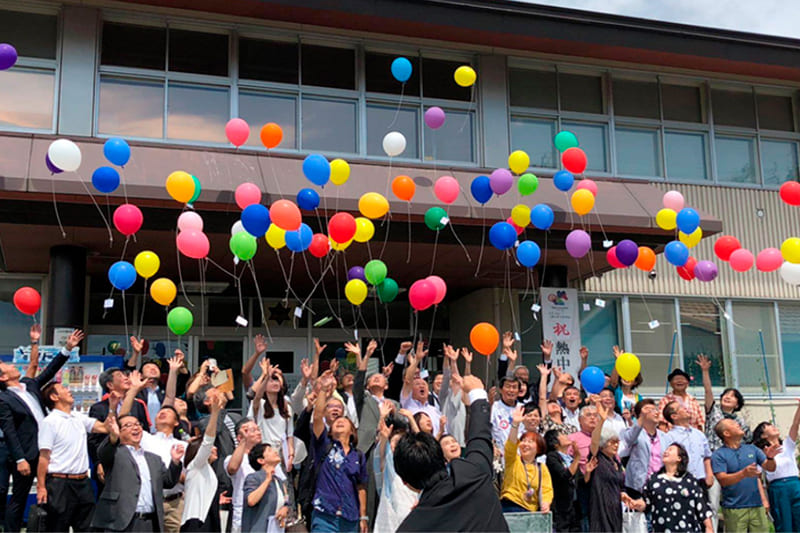
The idea emerged from an unlikely place: a closed elementary school. As Takahata’s population declined, local leaders faced a familiar question confronting many rural towns: What should be done with unused public facilities?
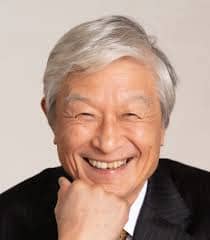
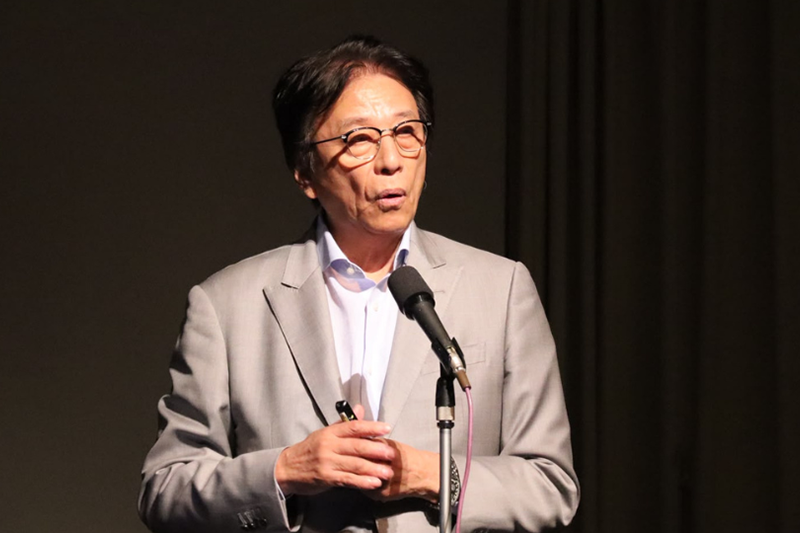
Kazufu Hotta, founder of Necchu Elementary School and a former executive at IBM Japan, proposed an unconventional solution: “What if we reopened it as a school?” Rather than creating another community center or tourist attraction, Hotta and local supporters transformed the former school into a place where adults could continue learning.
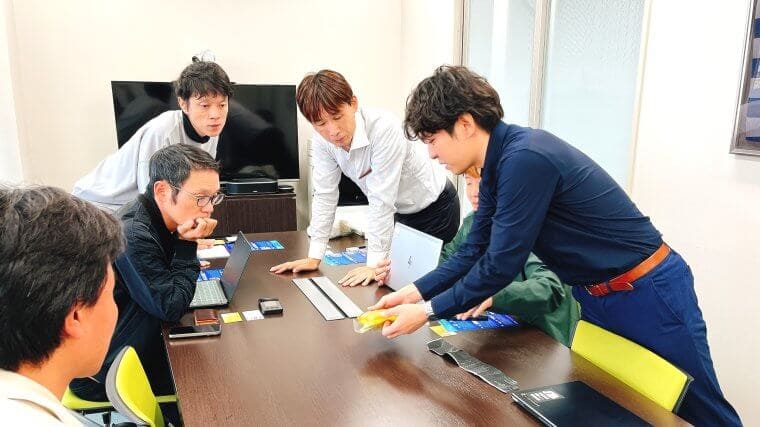
One reason the program has continued to grow lies in its unique operating model. At the heart of Necchu Elementary School is a nationwide network of volunteer instructors. Business leaders, researchers, artists and entrepreneurs teach classes, sharing expertise that would otherwise be difficult to access in many regional communities.
Approximately 350 instructors are registered with the program. While transportation and accommodation expenses are covered, instructors volunteer their time and receive no teaching fees. According to Hotta, the greatest reward for many instructors is the enthusiasm of the students. “Instructors tell us, ‘I was busy, but it was such a rewarding experience that I’d like to come back,’” he said.
Another key element is the diversity of the students themselves. More than 1,000 students are enrolled nationwide. The average age is in the late 50s, and many travel from neighboring municipalities or other prefectures to attend classes.
By bringing together people of different generations, professions and regions, the schools create opportunities for encounters that would not otherwise occur. Hotta describes these interactions as one of the initiative’s greatest strengths. “Other people are like mirrors,” Hotta said. “Through meeting different people, you gradually discover who you are and find your role.”
The program’s third defining feature is its ability to translate learning into real-world action. Connections formed through classes often evolve into community projects and solutions to local challenges.
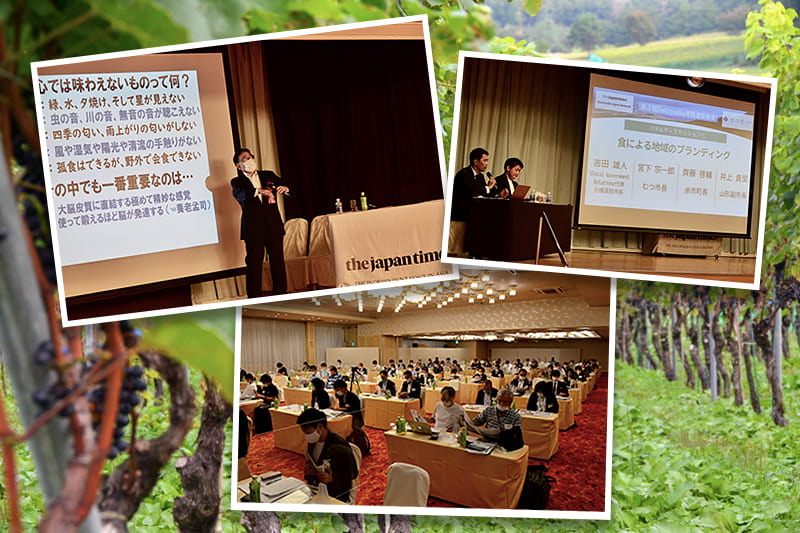
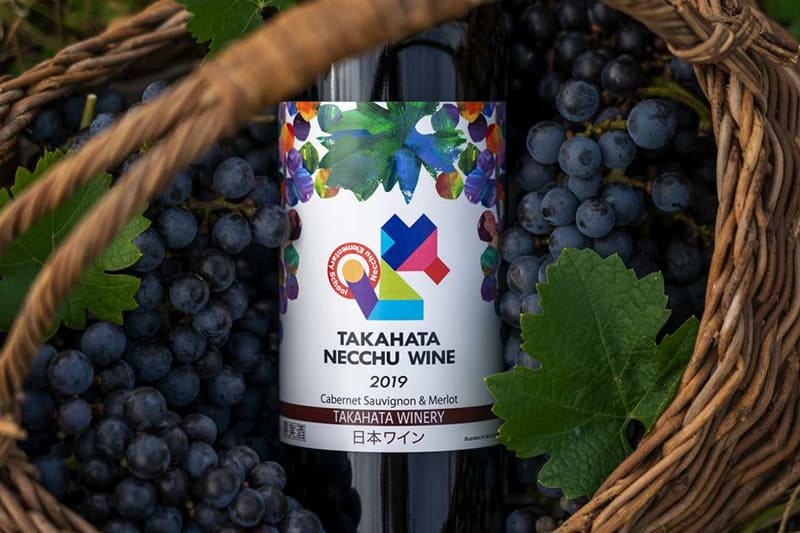
In Takahata, for example, students launched a wine-making project utilizing abandoned farmland. Networks that formed among students and instructors have also helped establish a welfare facility, demonstrating how classroom connections can lead to tangible community outcomes. Necchu Elementary School has also supported communities recovering from disasters, including those affected by the Noto Peninsula earthquake.
According to Hotta, such initiatives help students develop a deeper attachment to their communities while discovering new roles for themselves within them. As more people become actively involved in their hometowns, local understanding and support for the schools also grow. This virtuous cycle has helped sustain the program over the long term.
The impact of Necchu Elementary School extends beyond individual communities. Students enrolled in one school can attend classes at other campuses through a system known as the “Necchu Passport.” As a result, exchanges among schools — stretching from Hokkaido in the north to Kyushu in the south — have become increasingly active. Students travel across the country, building relationships that transcend local boundaries.
Launched in 2023, Shoku no Necchu Elementary School (Food Enthusiasm School) seeks to connect urban consumers with rural producers through lectures and fieldwork across Japan. The program encourages participants to become long-term supporters of regional communities, even if they do not relocate there.
The school has around 100 students. Through monthly lectures and fieldwork, they visit food-producing regions across Japan and engage directly with producers and local residents. Even if they do not relocate, participants can become long-term supporters of regional communities, strengthening ties between consumers and producers.
Looking ahead, Necchu Gakuen aims to expand learning opportunities that connect urban and rural communities while contributing to the vitality of society as a whole. At the same time, it seeks to build a network in which each school can operate independently while reflecting the unique character of its region. As Hotta said, “Communities and people who value learning will prosper.” Guided by this belief, the small initiative that began in a former elementary school in Takahata continues to foster new connections and inspire new initiatives in communities across Japan.