February 16, 2026
Imperial Hotel, Kyoto: Where hospitality traditions meet
SPONSORED CONTENT




On March 5, Tokyo’s cosmopolitan excellence will converge with Kyoto’s timeless refinement as the Imperial Hotel, Kyoto opens, extending a tradition that began when the original Imperial Hotel opened in Tokyo in 1890.
Kyoto rests in a basin cradled by mountains: Higashiyama to the east, Kitayama to the north, Nishiyama to the west and Mount Hiei rising in the northeast. From Shijo-dori street, one of Kyoto’s main east-west arteries, Hanamikoji-dori runs southward through Gion Kobu, the historic district where Kyoto’s geiko and maiko, renowned geisha and their apprentices, preserve centuries of theatrical tradition.
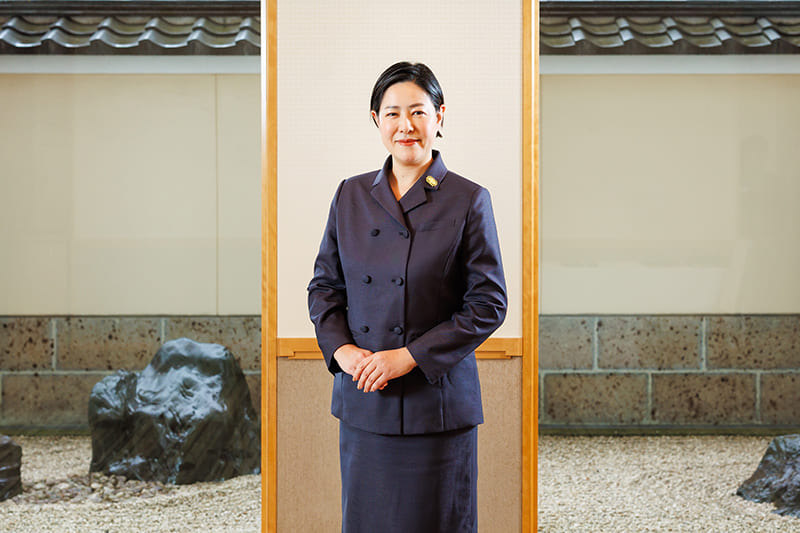
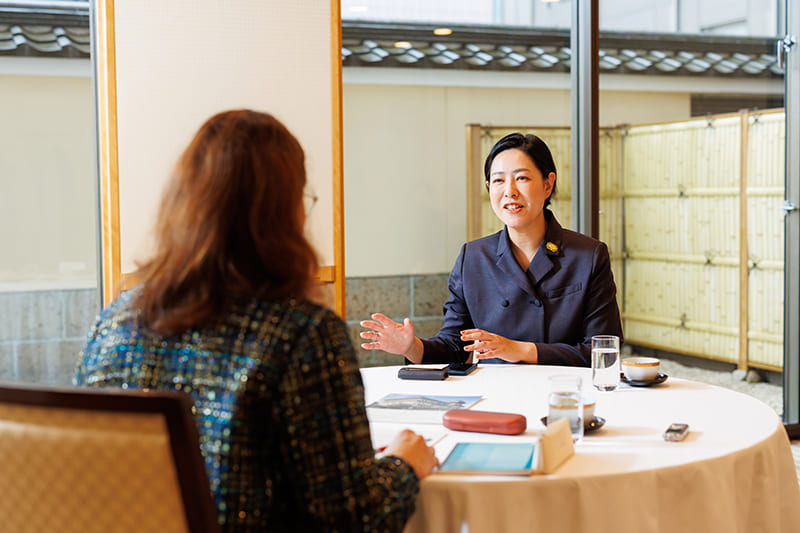
“The moment you step into Hanamikoji-dori, Japan’s spiritual essence touches you — daily gratitude, humility, beautiful gestures,” said Reiko Sakata, general manager of the hotel, appointed last April.
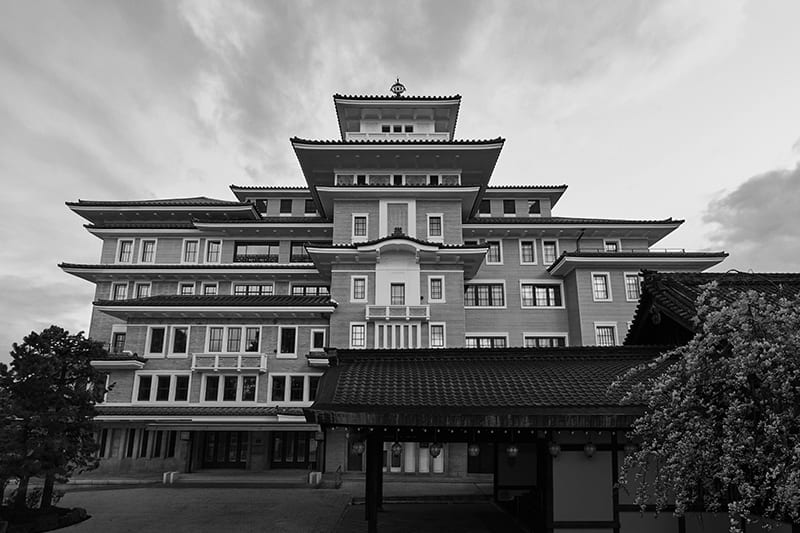
The hotel, completed in December, stands at the lane’s end. It incorporates part of the former Yasaka Kaikan, built in 1936 with invaluable financial support from the geiko and maiko communities. Designated a Tangible Cultural Property in 2001, Yasaka Kaikan served as a center of theatrical art for nearly a century. However, deterioration meant the structure could no longer be sustained, and the community sought a partner willing to preserve the building’s exterior while transforming its interior.
“We were honored to be entrusted with realizing their vision. Our partnership grows from ryō omoi — a bond of mutual regard,” Sakata said. “The journey of this hotel project took almost a decade — five years of construction alone — but we’d been dreaming of having a presence in Kyoto for far longer.”
The renovation demanded extraordinary finesse. Obayashi Corp., whose architect Tokusaburo Kimura designed the original Yasaka Kaikan in 1936, returned to manage this delicate resurrection. Kimura, most notably influenced by Frank Lloyd Wright — architect of the iconic 1923 Imperial Hotel in Tokyo — created a structure that blended castle-like elements with art deco sensibilities, an exterior identity now preserved in the hotel.
The work required protecting the south and west facades while simultaneously demolishing and reinforcing the internal structure. “Painstaking manual work was involved in salvaging 16,387 antique tiles — about 10% of the total — for reuse,” Sakata explained. Maintaining Yasaka Kaikan’s original height of 31.5 meters presented another challenge, as city regulations typically restrict buildings to 12 meters or less to preserve scenic vistas.
For the interior, architect Tomoyuki Sakakida of New Material Research Laboratory embraced the concept “old is new,” weaving natural, locally produced materials throughout — including Oya stone, the distinctive volcanic tuff used in Wright’s Imperial Hotel.
The Kyoto hotel has restored the iconic copper roof and pagoda-like gazebo that have defined Yasaka Kaikan’s silhouette since 1936. “The moment we step inside, we experience a nostalgic recognition: ‘This is the Imperial Hotel.’ The feeling is unmistakable,” Sakata said. “Working within these museum-like surroundings naturally elevates our service.”
A stage for lingering
The Imperial Hotel in Kyoto is the company’s first small luxury property, with just 55 rooms compared to the 909 at the flagship hotel in Tokyo. This intimate scale permits a more personalized approach.
“When guests arrive, they check in while seated comfortably in the guests-only lounge, rather than standing at a traditional counter. In Kyoto, people want to linger. They come to experience time itself,” Sakata explained.
The team providing this personal hospitality numbers 130, some relocated from Tokyo or Osaka and others newly employed. “To enhance service quality, hiring began two years before opening to allow training in Tokyo,” Sakata said. “We continue to build the team by gathering diverse talents. Strong command of foreign languages is one of many essential skills.”
The 55 rooms unfold across three distinct architectural areas, each framing the tiled roofs of Gion’s teahouses, townhouses and dwellings spreading below to meet the mountain-ringed horizon. From the terrace of the Signature Imperial Suite — a spacious set of rooms spanning 128 square meters — sweeping views of Kyoto’s cityscape and the majestic Higashiyama mountains stretch out before you. The main building is divided into the Heritage Area, with original columns and window frames, and a section embracing modern spatial order. The north wing introduces the Imperial Hotel’s first tatami-matted rooms.
Dining rooted in place
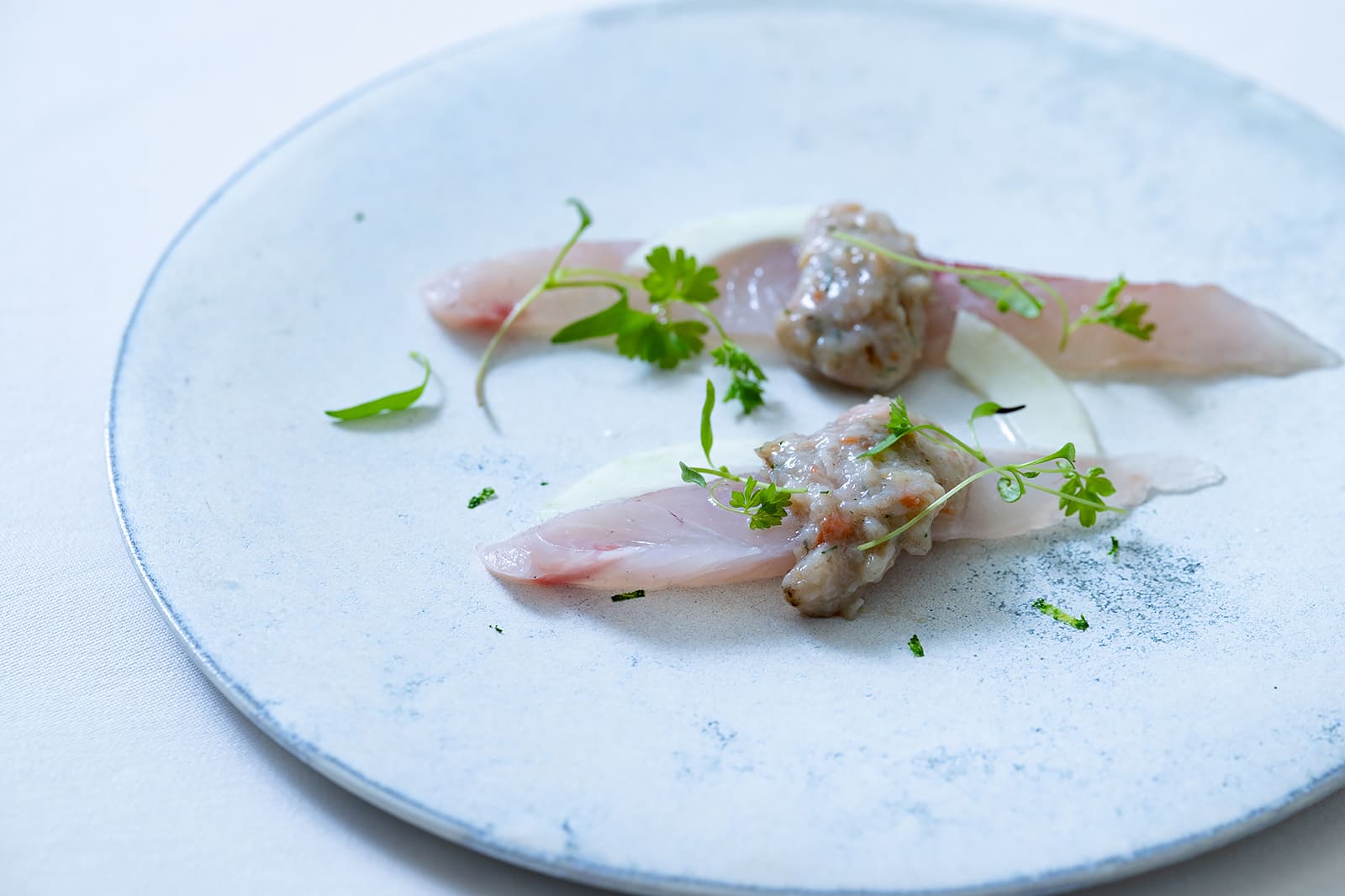
Two dining venues and two bars provide exceptional experiences. Ren, the Imperial Hotel’s first counter-style French restaurant, has a course menu showcasing flavors inspired by Japan’s 24 seasonal divisions. At the all-day dining Yasaka, a wood-fired oven produces grilled dishes such as the signature Yasaka Burger using locally produced kuro shichimi (black seven-flavor spice) and kujō-negi. Across venues, curated Japanese wines along with international selections complement the culinary offerings.
At the Old Imperial Bar, the signature cocktail Mount Hiei, featuring matcha, evokes a moonrise over Mount Hiei, a landscape immortalized in poetry and literature for centuries. “The moon rising over the eastern mountains tonight is the same moon that rose a thousand years ago,” Sakata said. “That continuity is what we want guests to feel.”
Embedded in community
The hotel occupies the same precinct as the Gion Kobu Kaburenjo theater — home to April’s renowned Miyako Odori dance to celebrate spring and the Gion Kagai Art Museum, where visitors can discover the sophisticated culture of geiko and maiko. Here too stands Yasaka Nyokoba Gakuen, a traditional arts school where geiko and maiko train daily—studying Kyo-mai dance under Living National Treasure Inoue Yachiyo V while also learning a wide range of Japanese cultural arts, including song, tea ceremony and calligraphy. “Geiko and maiko preserve disciplines connecting us to centuries of Japanese culture,” Sakata said. “Guests can hear and feel it as part of the hotel’s daily life.”
Aspiring for guests to discover what exists nowhere else, the hotel team is determined to become consummate professionals of Gion. “The concierge team is compiling hyperdetailed maps featuring spots most visitors would pass unwittingly. We’re cultivating insights to inspire every guest according to their particular inclinations,” Sakata stated. The team receives lectures from local history connoisseurs.
Two capitals, one vision
Ultimately, inheriting Yasaka Kaikan represents a profound mission: sustaining this cultural landmark and its artistic legacy. Daily greetings and open dialogue during construction, helped forge bonds with neighbors and local advisers. The Imperial Hotel’s 136-year legacy of impeccable service earned the trust that made this partnership possible.
“Gion’s community carries deep dignity and pride representing Kyoto’s cultural heart. We have borne similar responsibility as representatives of Japanese hospitality. We believe that we provide Japan’s finest service and embody the heart of true service and experience,” Sakata said.
Looking to the future, the Gion community offered simple but profound guidance: Just come as the Imperial Hotel. “Tokyo within Kyoto, preserving Gion’s legacy while standing as ourselves for years to come — that continuity itself is co-creation in harmony,” Sakata said.
“At the kickoff meeting with the staff who will build the Imperial Hotel Kyoto together form here on, I spoke about
ichigo ichie — a once-in-a-lifetime encounter,” Sakata recalled. “That philosophy came from my years in the wedding division, where I learned that a wedding represents everything a couple has planned for years — failure is never an option. The staff immediately understood, and I knew we were ready. I can’t wait to welcome our guests.”
Here, Kyoto’s guardian spirit meets Tokyo’s ambassadorial legacy: two capitals united in hospitality.