May 27, 2026
Restaurant list highlights Japan’s emerging contours
Destination Restaurants 2026





Launched in 2021, Destination Restaurants marks its sixth edition in 2026. With 10 regional restaurants in Japan selected annually, there are now 60 restaurants on the Destination Restaurants list.
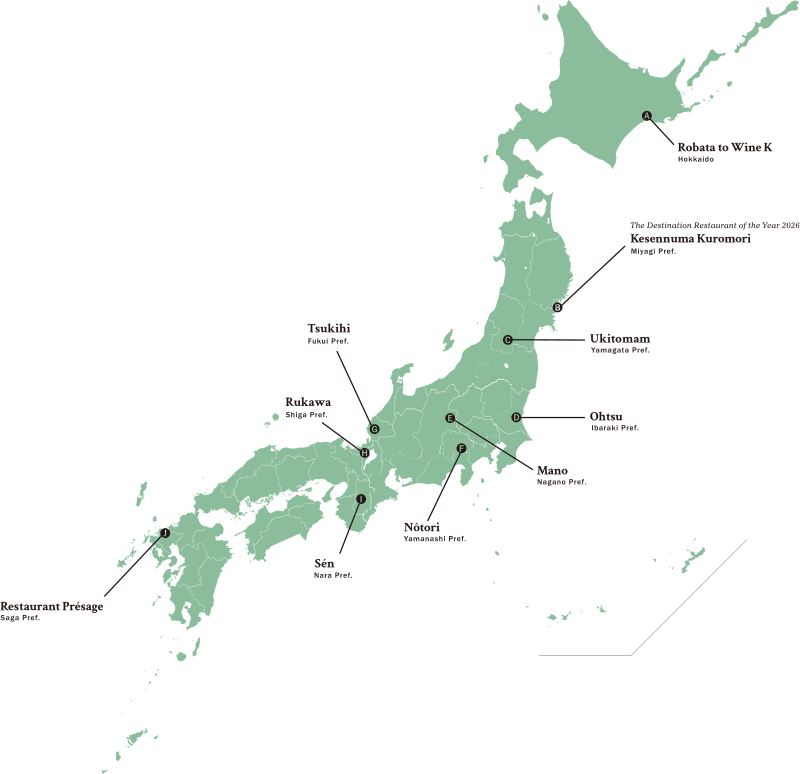
Japan is not an especially large country; in total area, it ranks 61st. But its 35,000-kilometer coastline is the world’s sixth-longest. With 70% of its land covered in forest, and with its long, narrow shape extending from north to south, Japan has remarkable regional diversity in terms of climate and landscape. This has given rise to rich variation in ways of life and culture, customs and thinking. Of course, each region also has its own distinctive food culture. And with a restaurant list focusing on Japan’s regional restaurants, pinpointing the selected establishments on a map is sure to reveal new contours emerging in Japan through gastronomy.
The Destination Restaurants program began with the idea of creating a restaurant list originating in Japan and reflecting Japan’s natural environment and culture, with restaurants selected by Japanese experts, rather than a restaurant guide or ranking affiliated with an overseas entity. The conditions for selection state that restaurants located within Tokyo’s 23 wards or “ordinance-designated cities” with populations of 500,000 or more are not eligible for consideration. This is because Destination Restaurants aims to help discover culinary talent that often goes unrecognized in regional areas, and to differentiate itself from conventional restaurant guides and selections, based on the belief that Japan’s distinctive culinary culture is to be found in regional areas rather than in large cities.
Even in areas facing depopulation, the presence of just one standout restaurant brings in visitors, with the resulting economic benefits increasing year by year. Today, gastronomic tourism that offers encounters with regional culture and history through cuisine has an estimated global market size of ¥100 trillion ($625 billion). Amid this trend, Japan’s regional gastronomic restaurants, and Destination Restaurants itself, are gaining increasing attention.
Japan’s major cities — starting with Tokyo, which is said to have the world’s largest number of Michelin-starred restaurants — abound in excellent dining establishments. But our hope is that people will also turn their attention to the many restaurants in Japan’s regional areas. It is not an overstatement to say that the depth and fascinating qualities of Japan’s cuisine, including the originality of its ingredients, cooking methods and restaurant styles, can be found in Destination Restaurants. We encourage people from both outside and inside Japan to experience the richness and delight of Japan’s regional culinary cultures, with this list as a guide.
What is Destination Restaurants?
Destination Restaurants is a list of outstanding regional restaurants throughout Japan that are well worth visiting. Selected and presented by The Japan Times, Japan’s oldest English-language newspaper (first published in 1897), this list honors 10 restaurants each year. Judges Yoshiki Tsuji, Naoyuki Honda and Takefumi Hamada have served in this role since the program’s launch in 2021. Restaurants of all genres are eligible for selection, as long as they are located in areas outside Tokyo’s 23 wards and cities with populations of 500,000 or more.
Destination Restaurants 2026
By TAEKO TERAO
A: Robata to Wine K
2-9-16 Yone-machi, Kushiro-shi, Hokkaido
Tel:0154-45-1338
https://sunset.winek.jp
A much-talked-about restaurant where guests can enjoy dinner while gazing at a superb ocean sunset. French cuisine-based robatayaki (char-grilled) dishes feature ingredients nurtured by the rich Hokkaido environment. The cuisine is paired with wines carefully selected by owner-chef Hideo Kon, who developed a unique culinary philosophy while at a French restaurant in Tokyo and a fresh fish store in his hometown, Kushiro.
B: Kesennuma Kuromori
Hotel Ikkeikaku, 1-4-7 Benten-cho,Kesennuma-shi, Miyagi Prefecture
Tel:0226-25-7660
https://kesennuma-kuromori.jp
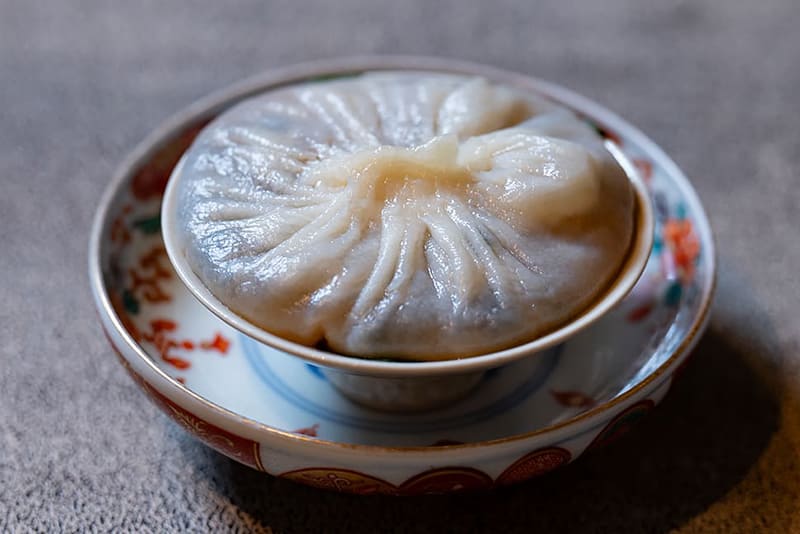
Chef Yoji Kuromori made the decision to move to Miyagi Prefecture following the 2011 Tohoku earthquake. After opening a fukahire (shark fin) restaurant in Sendai and demonstrating his skills there, he relocated in 2025 to Kesennuma, one of the world’s leading shark fin producers, and launched Kesennuma Kuromori, where he offers unique fukahire cuisine in cooperation with producers.
C: Yamagata the Takinami – Ukitomam –
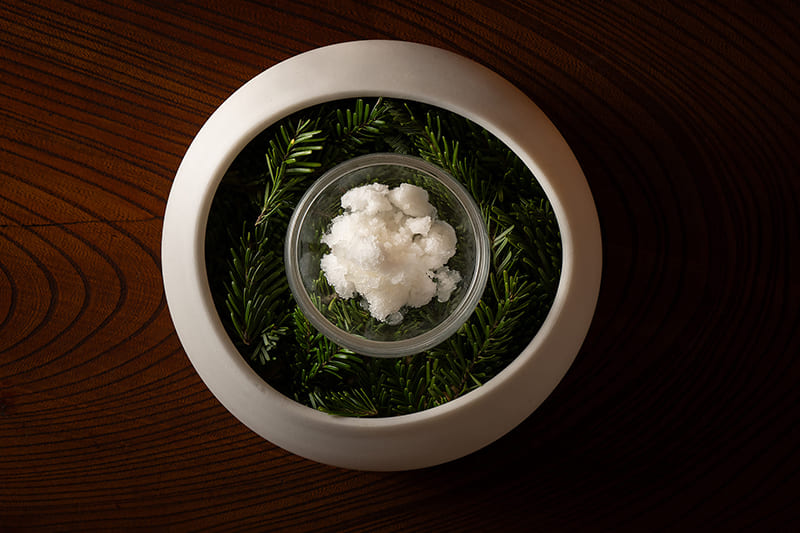
3005 Akayu, Nanyo-shi,Yamagata Prefecture
Tel:0238-43-6111
https://yamagata-the-takinami.com
Established in Yamagata Prefecture’s Okitama basin in 1915, the hot spring inn Yamagata the Takinami reopened in 2017 after renovations. U-Ki-Tomam, the restaurant in the inn where chef Tsuyoshi Nakagawa displays his skills and creativity, communicates the excellence of local ingredients to people inside and outside Japan, calling itself “Yamagata’s showroom and curated store.”
D: Ohtsu
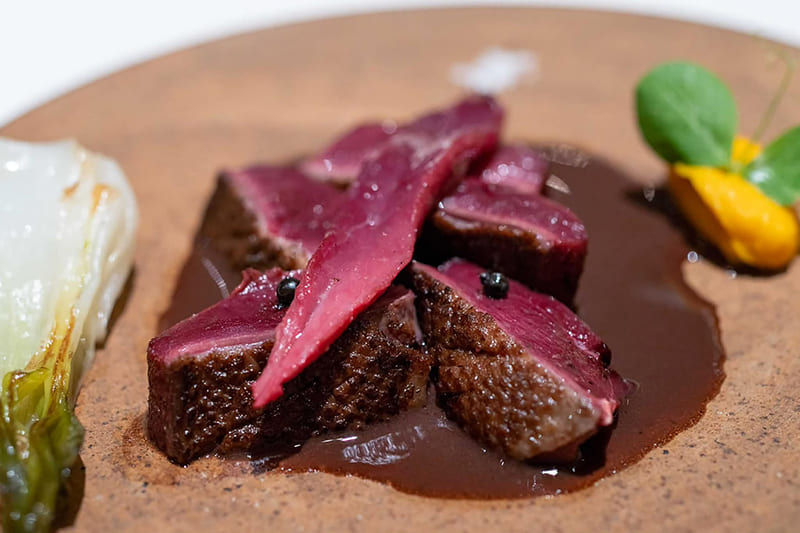
1-5-4 Shiraume, Mito-shi, Ibaraki Prefecture
Tel:029-226-8502
Ohtsu was established in 1991 by owner-chef Takashi Ohtsu. In recent years his son, Takaaki — who won the 2022 edition of RED-U-35, a competition that has become a gateway to success for young chefs — has been strengthening his presence in the role of sous-chef. The dishes make skillful use of local ingredients on a foundation of classic French cuisine.
E: Mano
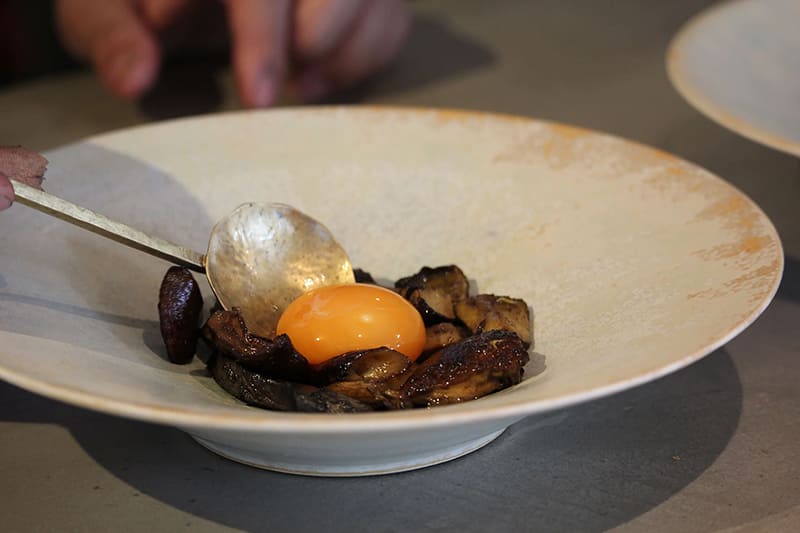
553-3 Hocchi, Karuizawa-machi, Kitasaku-gun, Nagano Prefecture
https://www.instagram.com/mano_karuizawa/
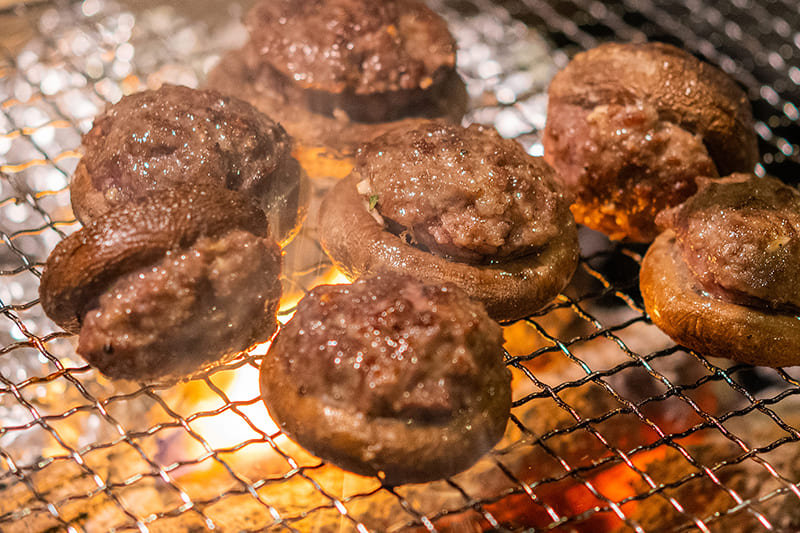
Owner-chef Ryuichi Nishimoto’s experience with firewood cooking dates back to his childhood. After honing his skills in Spain, he returned to Japan and carried out camp management and firewood production and sales. As a firewood specialist, he cooks a variety of ingredients over a wood fire, including mushrooms and wild vegetables that he forages in the Northern Alps. His “mountain cuisine” is attracting a great deal of attention.
F: Nôtori
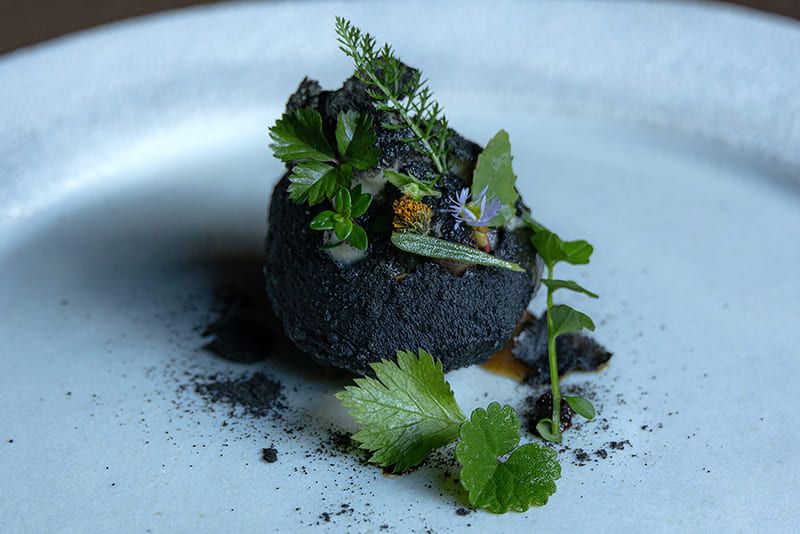
3192-8 Shibokusa, Oshino-mura, Minamitsuru-gun, Yamanashi Prefecture
https://notori-fuji.com
This inn and restaurant was opened in the summer of 2024 by chef Kohei Horiuchi and his older brother, sommelier Moichiro Horiuchi, both of whom had previously worked in restaurants inside and outside Japan. The inn is situated in a forest on the north side of Mount Fuji, and its dining room has just nine counter seats. A vegan course menu is available.
G: Tsukihi
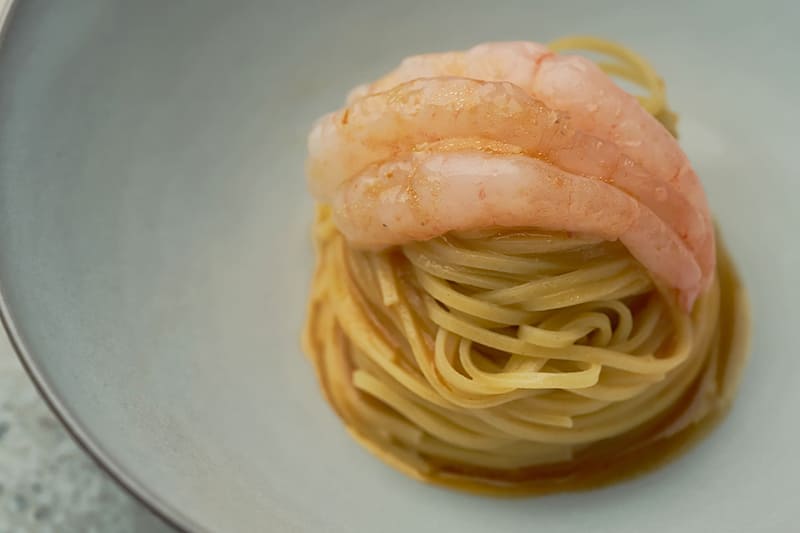
8-10-1 Kuzuoka-cho, Echizen-shi, Fukui Prefecture
Tel: 0778-24-0318
https://hp.restaurant-tsukihi.jp
Tsukihi opened in February 2025 as a restaurant attached to the Six Three Estate winery in Echizen, Fukui Prefecture. Kyohei Nagaya assumed the post of chef after studying grape cultivation and winemaking at the winery. Making use of local ingredients and handicrafts, he conveys Echizen’s characteristic sense of beauty.
H: Rukawa
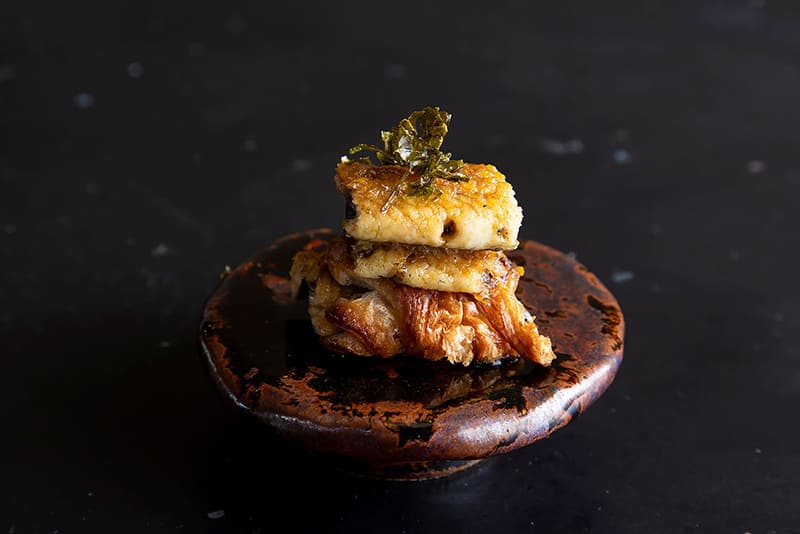
590 Imazu-cho, Hamabun, Takashima-shi, Shiga Prefecture
Tel: 0740-20-1351
https://rukawa-shiga.com
Owner-chef Mitsuru Furukawa renovated the century-old traditional house where he was born and raised, and opened this Japanese-style inn with attached sauna in June 2024. On a foundation of Japanese cuisine, Furukawa creates distinctive course menus with ingredients including wild game that he hunts himself and fish from Lake Biwa.
I: Sén
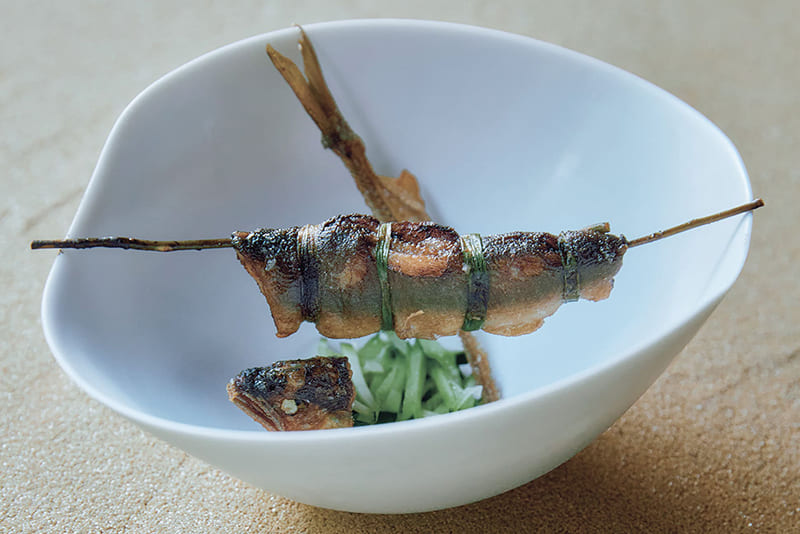
267 Kawai, Tenkawa-mura, Yoshino-gun, Nara Prefecture
Tel: 050-1721-9991
https://sen-tenkawa.com
This restaurant opened in 2025 in the inn Seseragi no Yado Misenkan in the village of Tenkawa in Nara Prefecture’s Yoshino district, situated in a corner of a World Heritage site. Chef Toshiharu Sunayama creates cuisine that reflects the distinctive terroir of the Kumano River basin.
J: Restaurant Présage
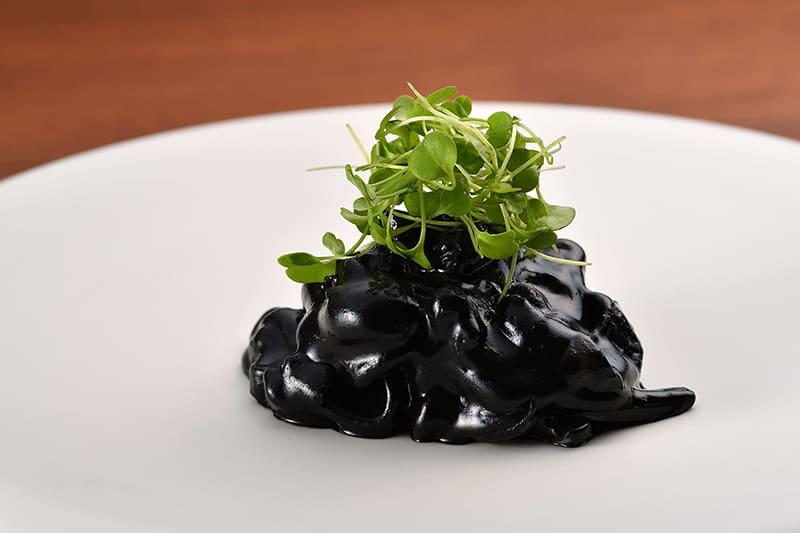
17 Shinko-machi, Karatsu-shi, Saga Prefecture
Tel:090-4004-8844
https://birds-planning.com/presage/
After honing his skills at renowned restaurants in France and serving at Blue Hill at Stone Barns on the outskirts of New York City, Yuichi Yokota struck out on his own in May 2024 as owner-chef of Restaurant Présage. He is opening up new culinary territory while continually asking questions about the meaning of cuisine, eating and expressing regional character.
食で新たな日本の輪郭を浮き彫りにしていく取り組み。
2021年スタートの「Destination Restaurants」も、今年6回目を迎え、リストアップされた地方レストランの数は60軒となり、これを地図にポイントしていくと、新たな“食の日本地図”が浮かび上がってくる。日本の面積は世界第61位だが、海岸線の長さは約35,000kmと世界第6位であり、その国土の7割は森林が覆っている。ゆえに地域によりバラエティーに富んだ風土を持っている。
この取り組みは、海外の評価機関を母体にしたレストランガイドやランキングではなく、日本の風土を反映させた、日本人が選ぶ、日本発信のレストラン・セレクションをできないかという考えから生まれた。選考の条件は「東京23区と政令指定都市を対象から外すこと」。それはなぜかといえば、「日本の食文化の特徴・特色は、都市部ではなく地方にある」と考え、「地方に埋もれがちな食の担い手の才能の発掘に寄与する」、「既存のレストランガイドやセレクションとの差別化を図る」という意図からだ。海外の人にも日本人にも、このリストを片手に、日本の地方の食文化の豊かさと奥深さを体験して欲しい。
Return to Sustainable Japan Magazine Vol. 56 article list page