May 27, 2026
Young restaurants dominate this year’s 10 winners
Destination Restaurants 2026




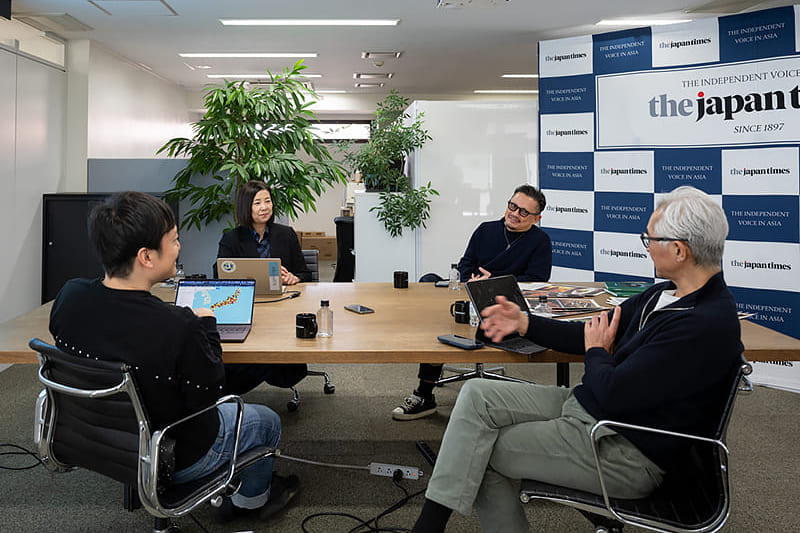
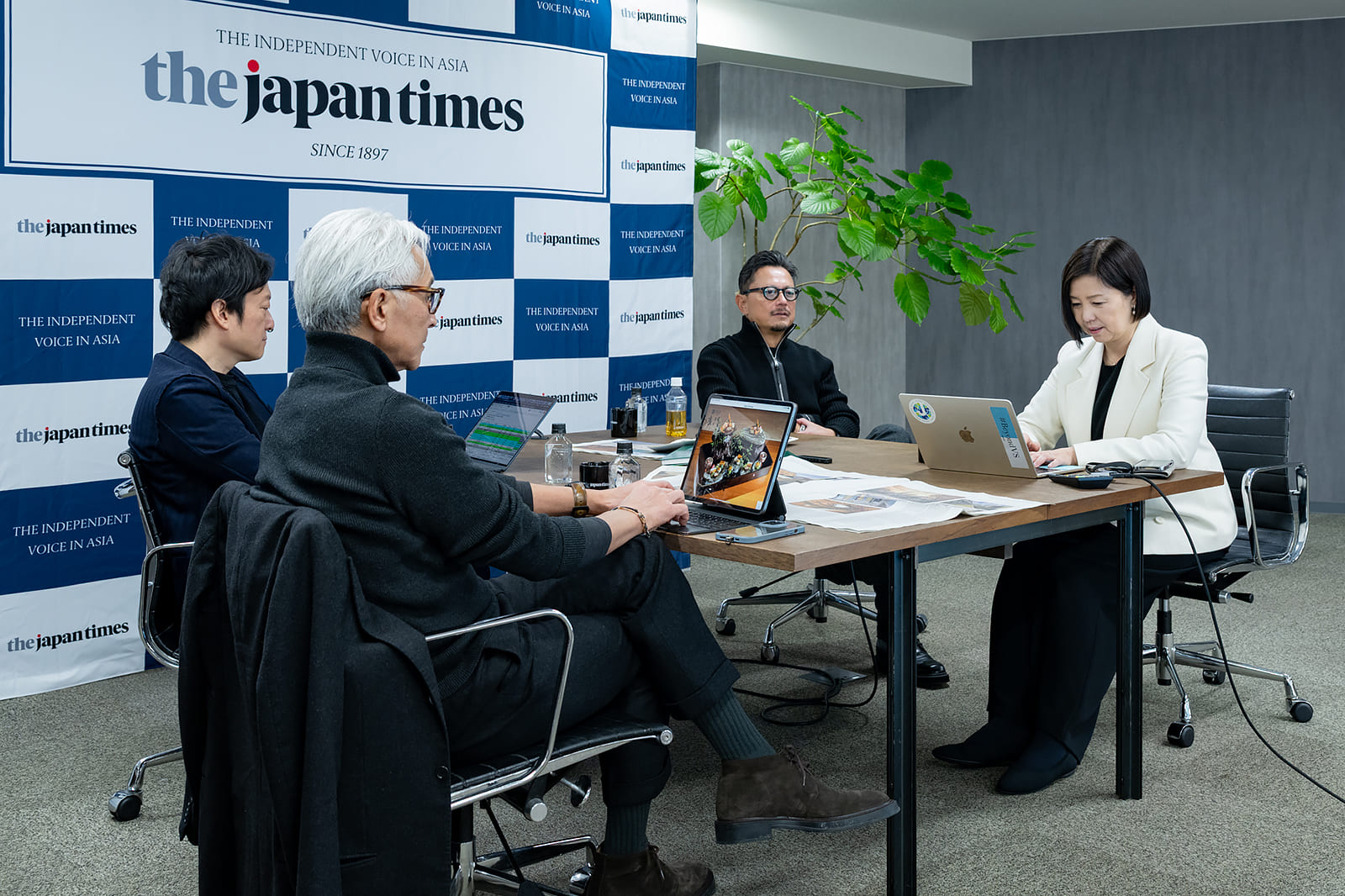
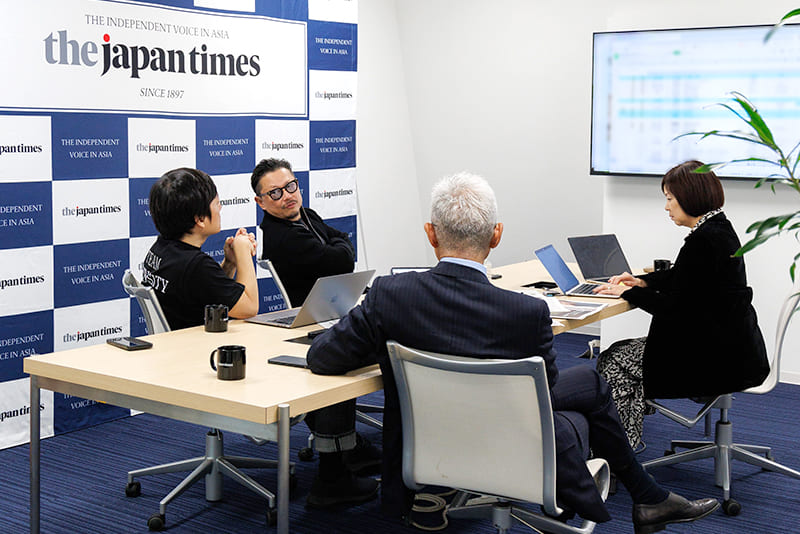
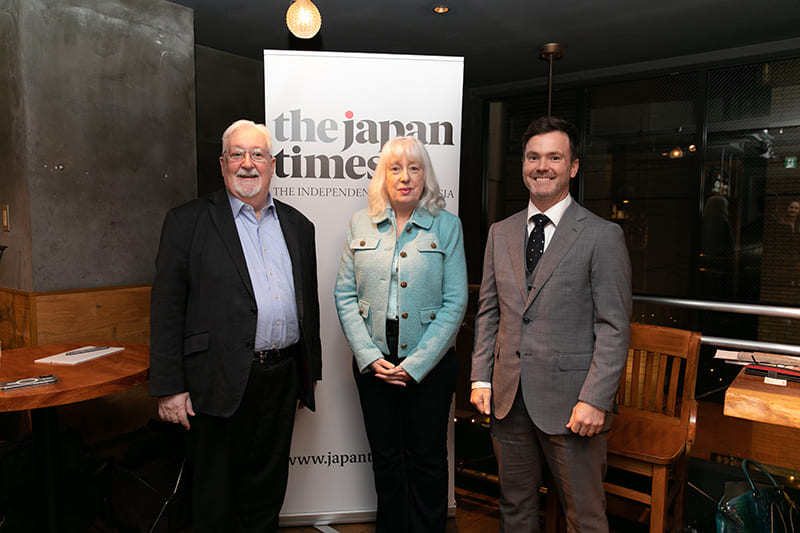
In early February, a meeting was held at the Tokyo headquarters of The Japan Times to select the winners of Destination Restaurants 2026 from among various dining establishments contributing to regional revitalization. The judges were again Yoshiki Tsuji, Naoyuki Honda and Takefumi Hamada, who have served in this role since the first competition in 2021. Restaurants of all genres outside major cities were eligible for selection.

In France, the idea that excellent cuisine is found in the countryside is deeply rooted, and among renowned French chefs such as Paul Bocuse and Joel Robuchon, not one was born in Paris. An advantage of regional areas is the relative ease of conveying local character and culture. On Japan’s gastronomic scene as well, the dominance of regional areas is growing year by year.
Previously, chefs in Japan who wanted to refine their skills had to train in large cities, but today it is possible to master advanced techniques at restaurants in local areas. Looking at this year’s 10 selected restaurants in particular, it seems there has been a sudden increase in the diversity of technical skill and creative expression. As a result, we have seen the emergence of a new generation that follows on the heels of chefs who in recent years have led the regional gastronomic scene — chefs like Eiji Taniguchi of Cuisine régionale L’évo in Toyama Prefecture and Kanji Kobayashi of Villa Aida in Wakayama Prefecture. Chef Tsuyoshi Nakagawa of U-Ki-Tomam in Yamagata Prefecture creates distinctive cuisine that is somehow both Japanese and non-Japanese, and his remarkable growth as a chef over the past several years resulted in the restaurant’s selection. Ryuichi Nishimoto of Mano in Nagano Prefecture has a talent for using aromas to the fullest, and for capturing the character of ingredients in a way that defies the imagination.
The idea that creating cuisine in regional areas is “cool” has taken root among the younger generation. This is a truly heartening development. Gastronomy in regional Japan will certainly keep expanding and growing. I look forward to seeing chefs learn and refine their skills even more.
Comments by the three judges
YOSHIKI TSUJI
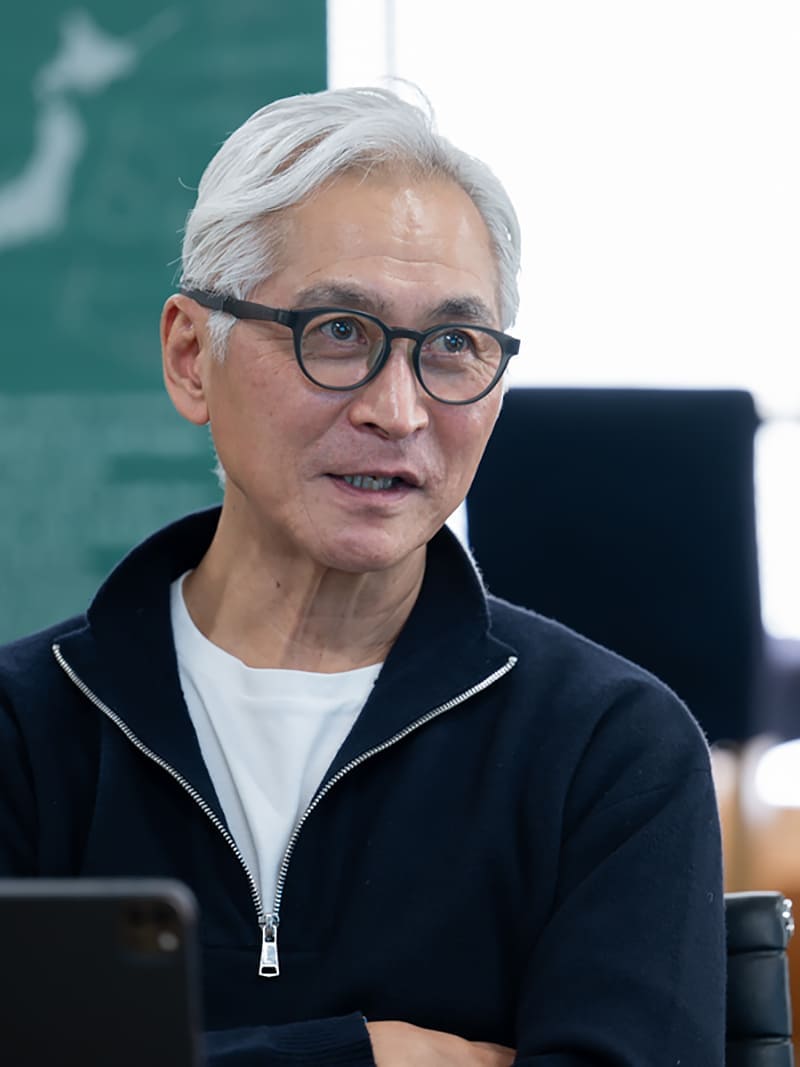
Headmaster of the Tsuji Culinary Institute and president of the Tsujicho Group
Tsuji heads schools in Osaka, Tokyo and France that groom would-be food professionals, sending over 150,000 graduates into the food service industry in Japan as well as abroad. At the Group of 20 summit in Osaka in 2019, he served as executive producer of a dinner for heads of state. He has contributed to the development of food culture, serving on a committee screening nominees for the Ministry of Agriculture, Forestry and Fisheries’ Ryori Masters (Masters of Cooking) award program. He has also lectured in various places in Japan and overseas. Tsuji was awarded France’s National Order of Merit in 2018.
As Destination Restaurants marks its sixth year, candidate restaurants are emerging in far-flung locations. Even if it is quite a trek, people will make the effort to go to a restaurant with delicious cuisine. (The situation in Europe is an obvious example.) While regional areas are dealing with many issues, including depopulation and the advancing age of local producers, the presence of influential restaurants is becoming one solution to these problems.
The endeavors of Chef Yoji Kuromori of Kesennuma Kuromori are a persuasive model for chefs who are struggling in local areas or working in large cities and pondering whether to return to their home region. In the past, opening a fine-dining restaurant in a regional area was regarded as unrealistic, but today, with soaring rents and other rising costs, running a restaurant in Tokyo is actually more difficult. If it is housed in the family home of the chef (or chef’s spouse), a restaurant can be run sustainably in terms of management as well. Two examples are Rukawa in Shiga Prefecture, which occupies the traditional house where the chef was born and raised, and Sén in Nara Prefecture, the Japanese inn that is the family home of the chef’s wife. (Both structures have been renovated.) A chef whose home and restaurant are in close proximity will likely have more time to engage with ingredients and enhance creativity. Ultimately, the local area will benefit as well.
It is also helpful to have support from government entities. Creating an environment favorable to operating a restaurant, for example by arranging means of transportation, brings in visitors, which benefits both the community and the local government. I hope to see more cooperative programs like this in the future.
NAOYUKI HONDA
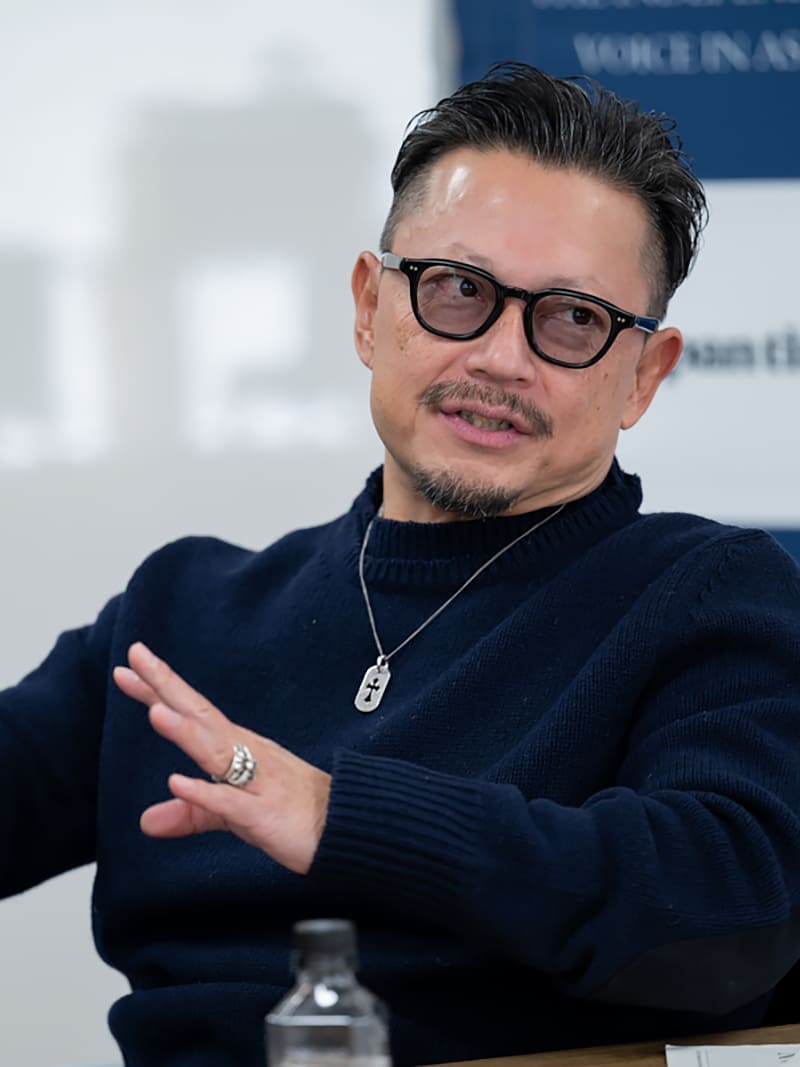
President and CEO, Leverage Consulting Inc.
Based in Hawaii and Tokyo, Honda seamlessly integrates business and pleasure in a lifestyle that includes frequent travel through Japan, Europe and other parts of the world. He has written over 75 books selling over 3 million copies, including “Naze Nihonjin Shefu wa Sekai de Shobu Dekita no ka” (“Why These Japanese Chefs Have Been Globally Successful”). He is in constant pursuit of excellent food, whether from street stalls, local eateries or restaurants with three Michelin stars. Honda also produces events such as Dream Dusk, a collaborative dinner by leading chefs, and Chef’s Gathering, an event for and by top chefs.
As Destination Restaurants marks its sixth year, candidate restaurants are emerging in far-flung locations. Even if it is quite a trek, people will make the effort to go to a restaurant with delicious cuisine. (The situation in Europe is an obvious example.) While regional areas are dealing with many issues, including depopulation and the advancing age of local producers, the presence of influential restaurants is becoming one solution to these problems.
The endeavors of Chef Yoji Kuromori of Kesennuma Kuromori are a persuasive model for chefs who are struggling in local areas or working in large cities and pondering whether to return to their home region. In the past, opening a fine-dining restaurant in a regional area was regarded as unrealistic, but today, with soaring rents and other rising costs, running a restaurant in Tokyo is actually more difficult. If it is housed in the family home of the chef (or chef’s spouse), a restaurant can be run sustainably in terms of management as well. Two examples are Rukawa in Shiga Prefecture, which occupies the traditional house where the chef was born and raised, and Sén in Nara Prefecture, the Japanese inn that is the family home of the chef’s wife. (Both structures have been renovated.) A chef whose home and restaurant are in close proximity will likely have more time to engage with ingredients and enhance creativity. Ultimately, the local area will benefit as well.
It is also helpful to have support from government entities. Creating an environment favorable to operating a restaurant, for example by arranging means of transportation, brings in visitors, which benefits both the community and the local government. I hope to see more cooperative programs like this in the future.
TAKEFUMI HAMADA
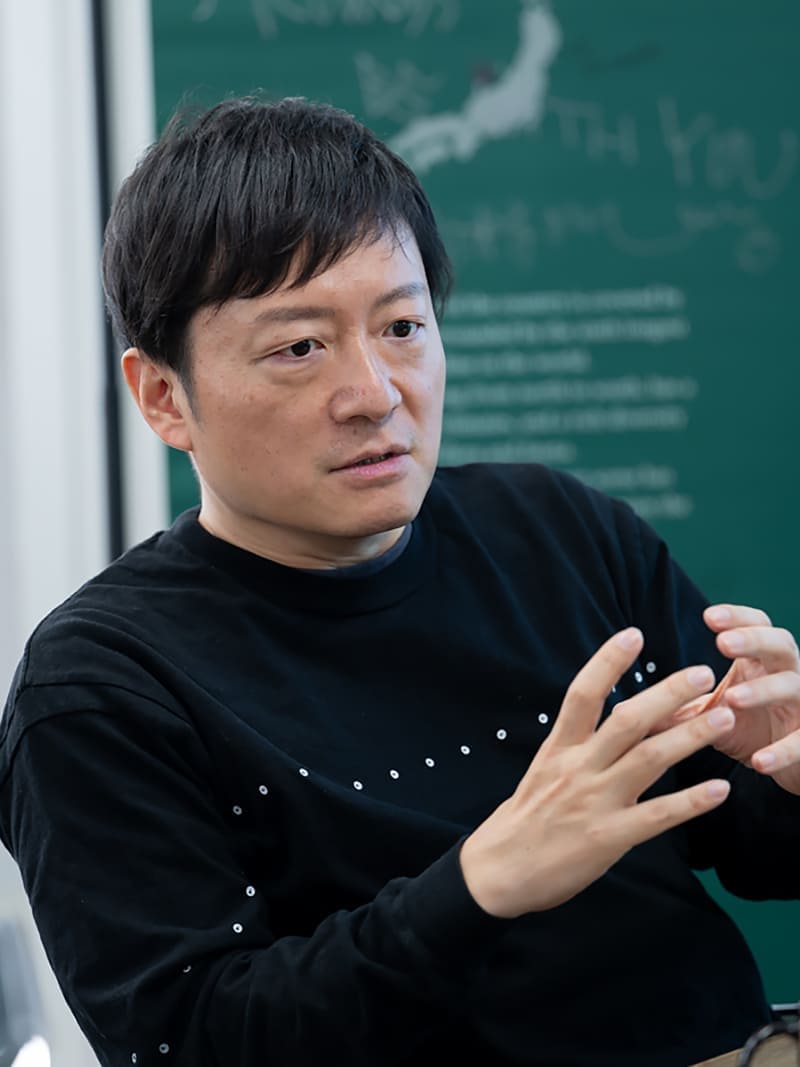
CEO, Access All Areas Inc.
Hamada is a Tokyo-based gastronomy expert who has traveled to 128 countries and regions and has visited every restaurant on the 2025 World’s 50 Best Restaurants list. He explores both globally acclaimed destinations and hidden regional dining gems across Japan and abroad and regularly works with Japanese regional governments to promote gastronomy tourism. His book on gastronomy became a national bestseller in 2024, with editions in five languages, including English and Spanish, scheduled for international release. Hamada shares his dining insights through Instagram and appears regularly on Japanese television and radio and in print and online media.
New restaurants feature prominently in this year’s Destination Restaurants, and many of them are located in places difficult to reach by public transportation. Could these restaurants have been established in the same locations 10 years ago? Probably not. A decade ago it was hard to attract many customers even in Sendai, a major city. But after the pandemic, and with the continuing growth of social media and so on, drawing customers has become possible even in remote areas.
On the other hand, simply using local ingredients is no longer enough, as it has become the norm for chefs to start from the initial stage of asking producers to make certain products and raising the value of ingredients. In more and more areas, chefs cooperatively set up a system in which several restaurants purchase ingredients as a group if an order from just one restaurant would not be cost-effective.
When the value of regional restaurants increases, the area is energized overall, starting with primary producers. And with prices rising considerably at restaurants in Tokyo, continued affordability is another notable advantage of regional areas. Above all, the true joy of Destination Restaurants is the chance to physically experience the land in a beautiful natural setting, at restaurants like Robata to Wine K in Hokkaido, situated on a hill overlooking the sea, and Nôtori, in a forest at the foot of Mount Fuji in Yamanashi Prefecture. This year again, the 10 selected restaurants communicate the appeal of Japan’s regions.
2026年、ますます勢いづく地方のガストロノミー。
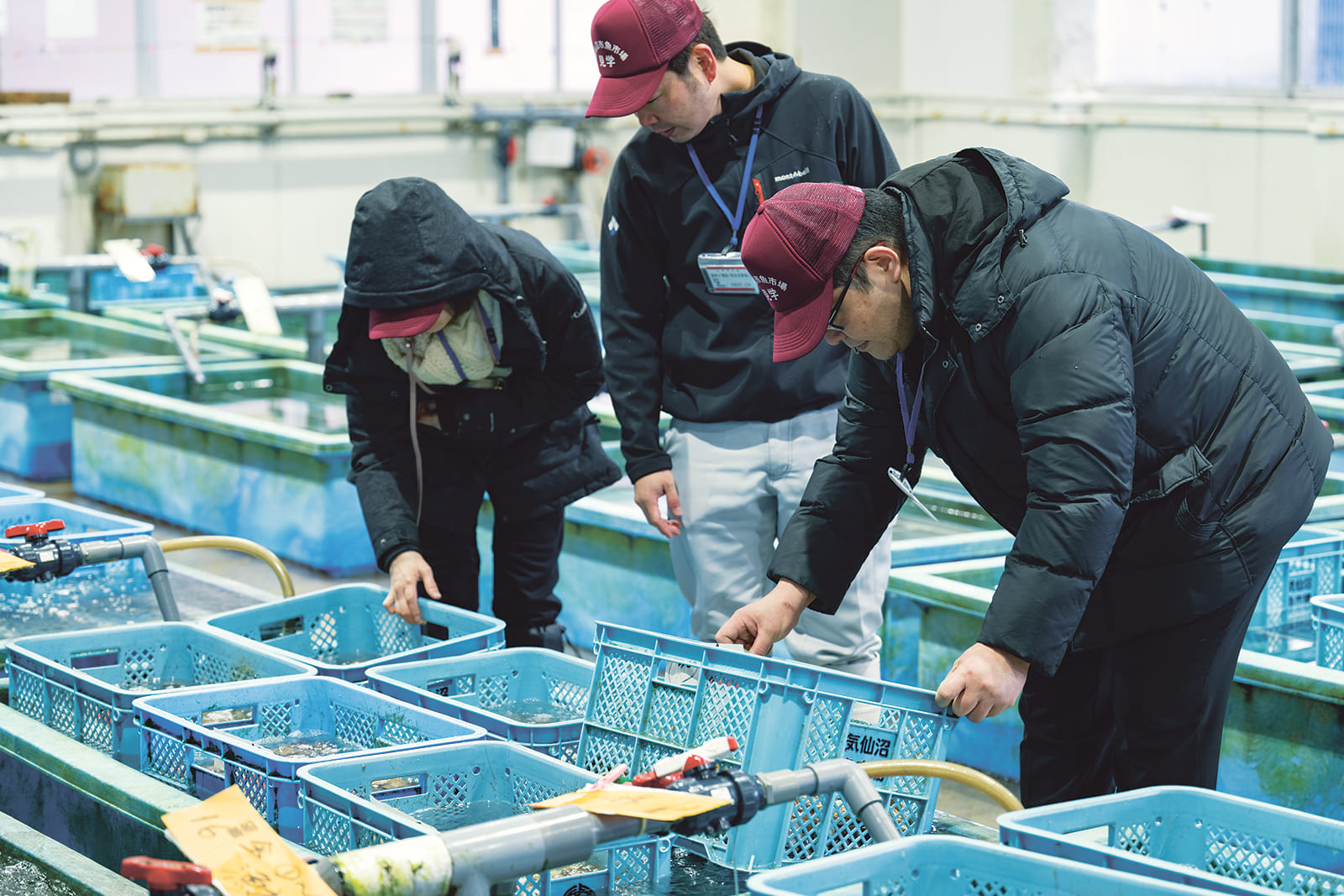
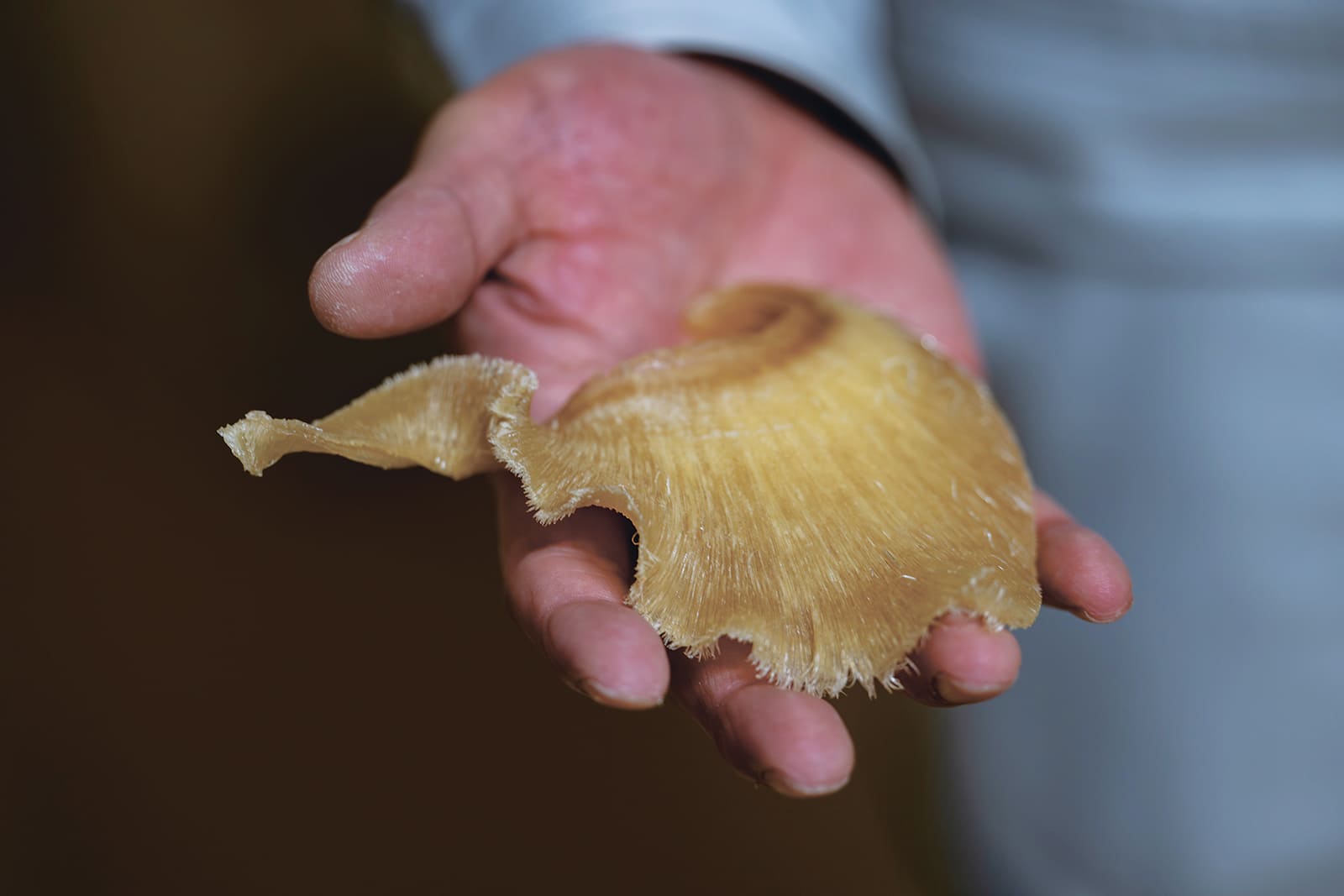
今年も日本各地で地域の活性化に影響を及ぼすレストランを選ぶ「Destination Restaurants 2026」の審査会が2月上旬、ジャパンタイムズ本社(東京都千代田区)で行われた。審査員は初回となる2021年から変わらず、辻芳樹、本田直之、浜田岳文の3氏。今回、その年を代表する一軒「e Destination Restaurant of the Year 2026」に選ばれたのは宮城県『気仙沼 KUROMORI』だ。近年、国際的にサメ漁が規制され、フカヒレの取引が禁止される傾向が強まるなか、サメを余すところなく使う文化が根付く気仙沼で、生産者と二人三脚で独自のフカヒレ料理を追求する姿勢が審査員から高く評価される結果となった。
今回は福井県、滋賀県、佐賀県という新たな地域から3軒がリストインを果たしたほか、『気仙沼 KUROMORI』を筆頭に10店中7店が2024年~2025年にオープン、またはリニューアルオープンした店が選ばれ、地方におけるガストロノミーの勢いが、ますます高まっていることが感じられた。
Return to Sustainable Japan Magazine Vol. 56 article list page