May 27, 2026
In Kesennuma, Chinese restaurant contributes to region’s recovery
Destination Restaurants 2026




PHOTOS: TAKAO OHTA
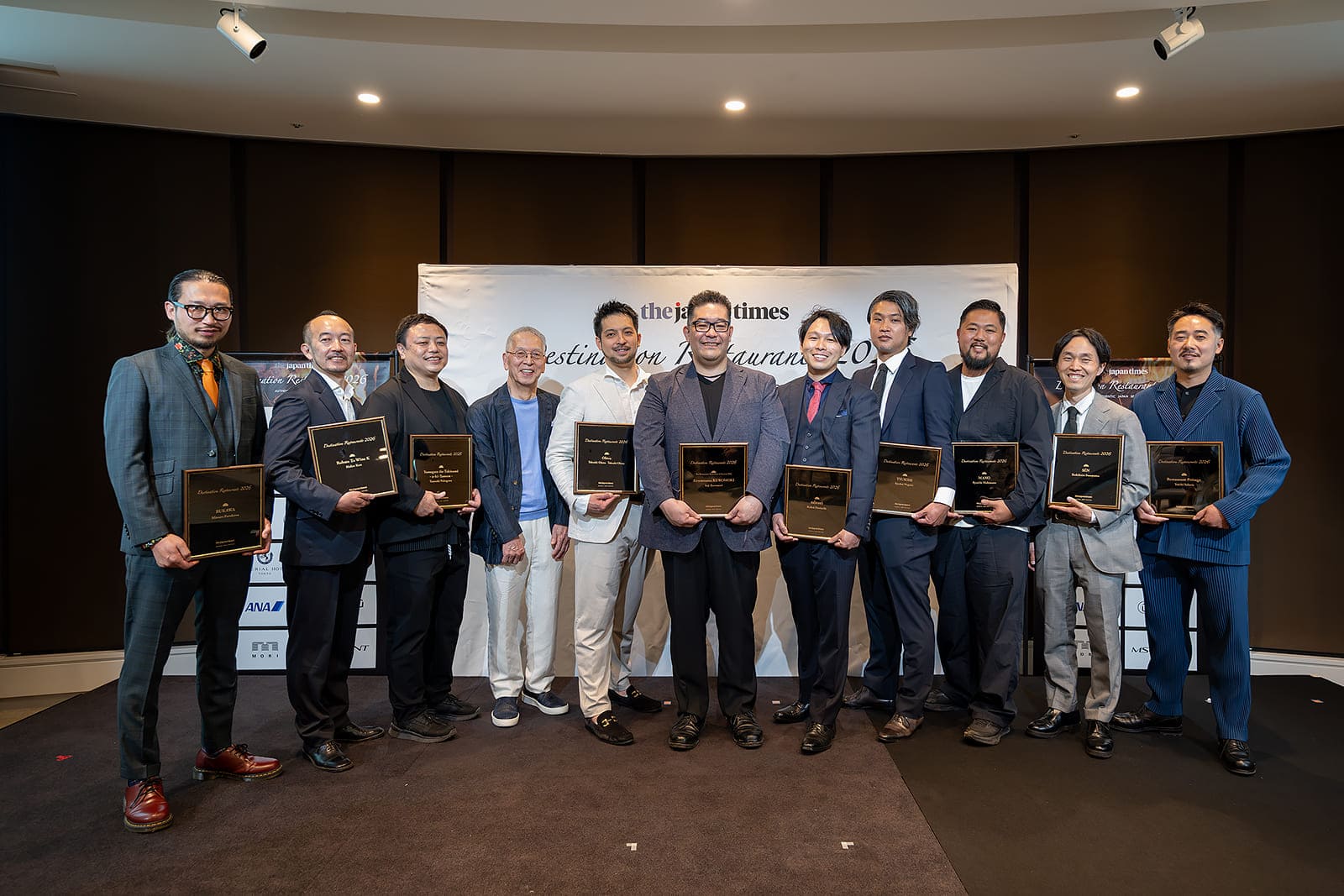
Among the 10 establishments listed as this year’s Destination Restaurants, the shark fin (fukahire) restaurant Kesennuma Kuromori in the Miyagi Prefecture city of Kesennuma was selected by unanimous decision as the representative Destination Restaurant of the Year 2026.
Kesennuma is among the areas that suffered the worst devastation in the Tohoku earthquake and tsunami of March 11, 2011. Its population was on a downward trend even before the disaster and has continued to decline, currently numbering around 54,000. It is said that over half of the city’s dining establishments lost their storefront locations due to the tsunami, which reached a height of 22 meters in the city. Since then, restaurants have been reopened or newly opened and the townscape is reviving, but in terms of street life and activity, the undeniable impression is that of an area still on the road to recovery. This is a region, moreover, that had few fine-dining restaurants to begin with. In such a location, offering a course menu priced at over ¥30,000 ($200) could be called an adventure in itself.
From Ichinoseki Station on the Tohoku Shinkansen line, an hour’s drive will take you to Hotel Ikkeikaku, the location of Kesennuma Kuromori, near Kesennuma’s port and fish market. On buildings around the city, signs indicate the water level at the time of the tsunami, and on the hotel’s outer wall is a red line showing that waves reached the upper part of the second floor. Indeed, the sea has frightening power. But it also brings many gifts.
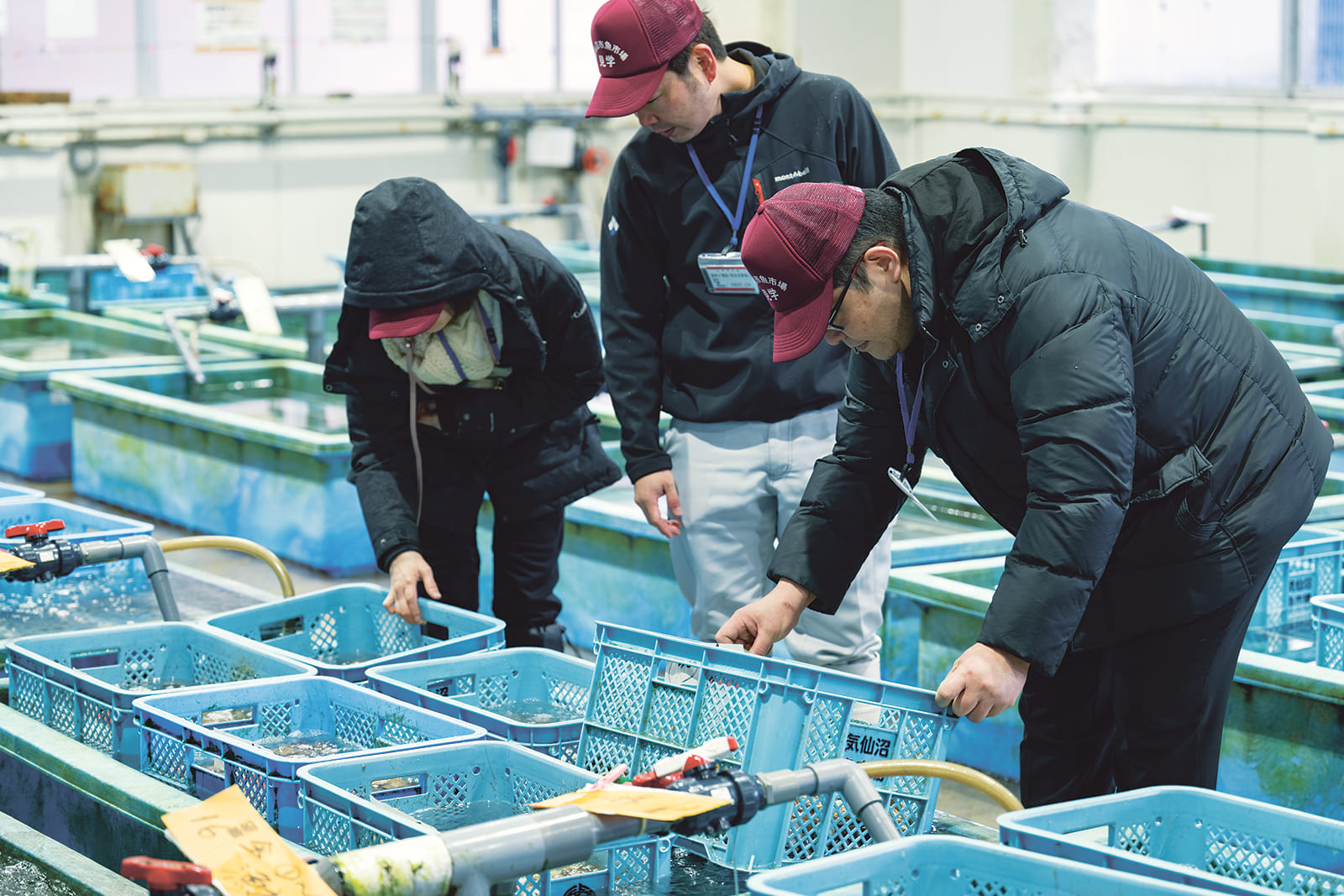
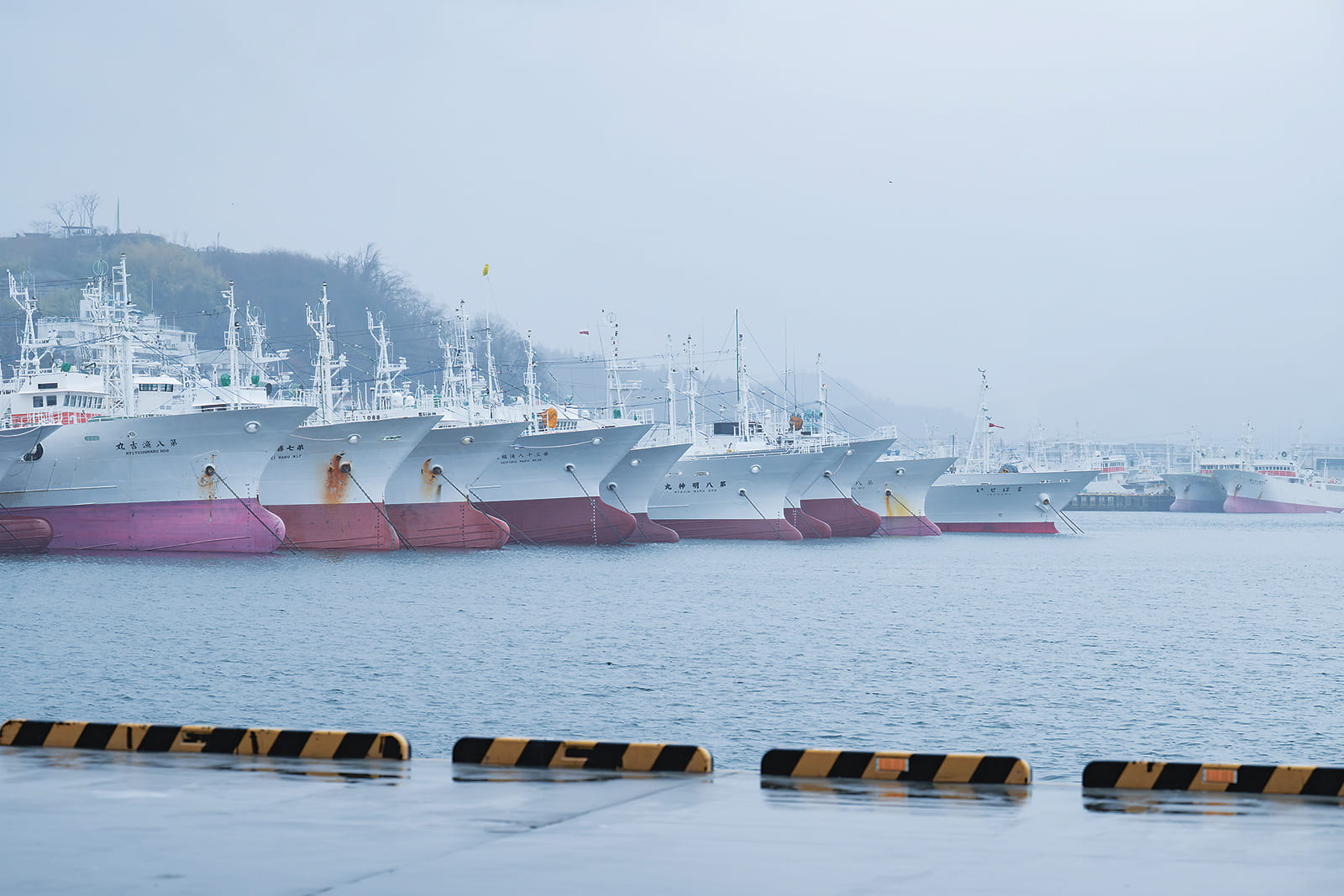
The city of Kesennuma faces the Pacific. The offshore area called Sanriku-oki, an abundant fishing ground at the intersection of the Kuroshio and Oyashio currents, is known as one of the world’s three largest fishing locations. Kesennuma’s port is filled with large deep-sea fishing vessels. Because of the coastline’s complex topography, with many inlets called “rias,” Kesennuma Bay is blessed with calm, plankton-rich waters where fish thrive and where deep-sea fishing and oyster and scallop farming are flourishing industries. In other words, this is an ideal place to offer fish and seafood cuisine. In particular, as the area boasts the largest volume of shark landings in Japan, there is surely no better location for creating cuisine that focuses on shark fin.
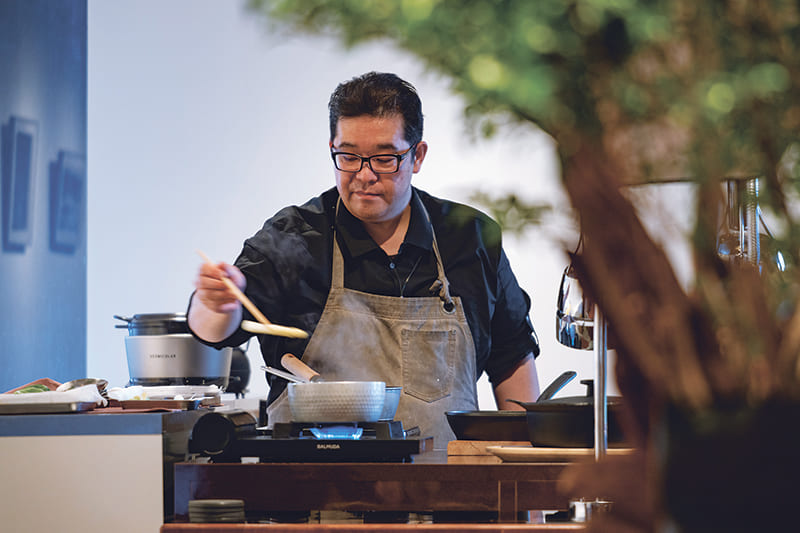
The restaurant’s chef, Yoji Kuromori, was born in Kanagawa Prefecture and grew up in Hokkaido. At the age of 21 he moved to Tokyo, where he started his culinary career at a Chinese restaurant. It was the Great East Japan Earthquake that prompted his decision to relocate to Miyagi Prefecture.
Kuromori said: “I had a friend in Miyagi Prefecture. After March 11, 2011, I wasn’t able to get in touch with him for two months and I was worried. And just at that time, he appeared one day at the gyoza restaurant that I was running in Tokyo. He said, ‘Why don’t you make great food like this for people in Miyagi Prefecture?’ I felt like I wanted to help if I could, and almost on impulse I moved to Sendai, in Miyagi Prefecture, in October of that year. Of course, I also had in mind the fact that Miyagi Prefecture is one of the world’s leading production areas for shark fin, dried abalone and dried sea cucumber, all of which are luxury foods used in Chinese cuisine.”
The following month, he opened a neighborhood Chinese restaurant serving dishes such as simmered shark fin in addition to gyoza. It was an instant hit, with people lining up outside. But Kuromori subsequently became ill and turned the Chinese restaurant over to his friend, then spent about a year doing catering work and visiting food production areas.
“Before long, I started receiving requests for luxury course meals that included shark fin and abalone,” said Kuromori. “Word got around, and someone told me, ‘There are people who are waiting for the dishes you make.’ So in 2014, I opened Kuromori in Sendai with the guiding concepts of shark fin cuisine and ‘local production for local consumption.”
Initially, lunch was priced at ¥1,800 and dinner at ¥3,500, but Kurumori was told, “Don’t sell yourself short.” He raised the course prices to ¥12,000 and up when he relocated and reopened in 2016, and then to ¥22,000 and up at the time of his subsequent relocation in 2019, all the while expanding and refining his menus.
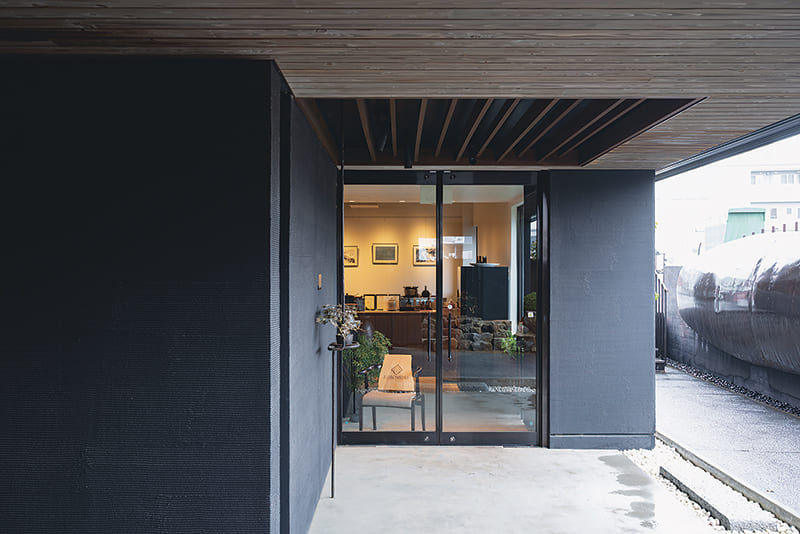
Miyagi Prefecture(Chinese)
Hotel Ikkeikaku, 1-4-7 Benten-cho, Kesennuma-shi, Miyagi Prefecture
Tel:0226-25-7660
https://kesennuma-kuromori.jp
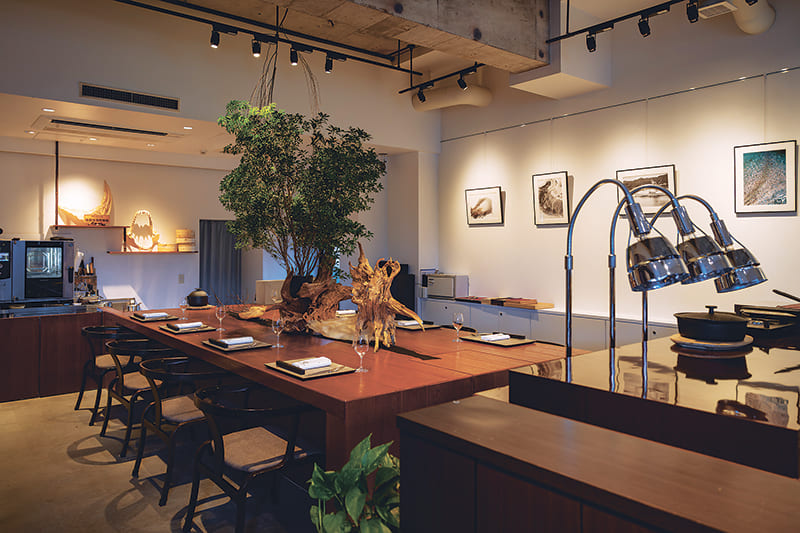
Then, in September of 2025, he opened the long-awaited Kesennuma Kuromori. Chef Kuromori runs the kitchen by himself. His wife, Yayoi, is responsible for service.
Explaining the reasons for his move to Kesennuma, Kuromori said, “The success of my restaurant in Sendai helped establish the idea that Kuromori is synonymous with shark fin. I was starting to feel strongly that I wanted to give back more to Kesennuma, the shark fin production area — and in a stroke of fate, that was when I received an offer to open a restaurant on the first floor of Hotel Ikkeikaku. Actually, a lot of my friends are chefs who have been recognized by Destination Restaurants, and all of them see a special meaning in creating dishes in a specific area. When I asked myself, ‘What about me?’ I realized that, to me, Kesennuma itself is a place where there is meaning in making cuisine.”
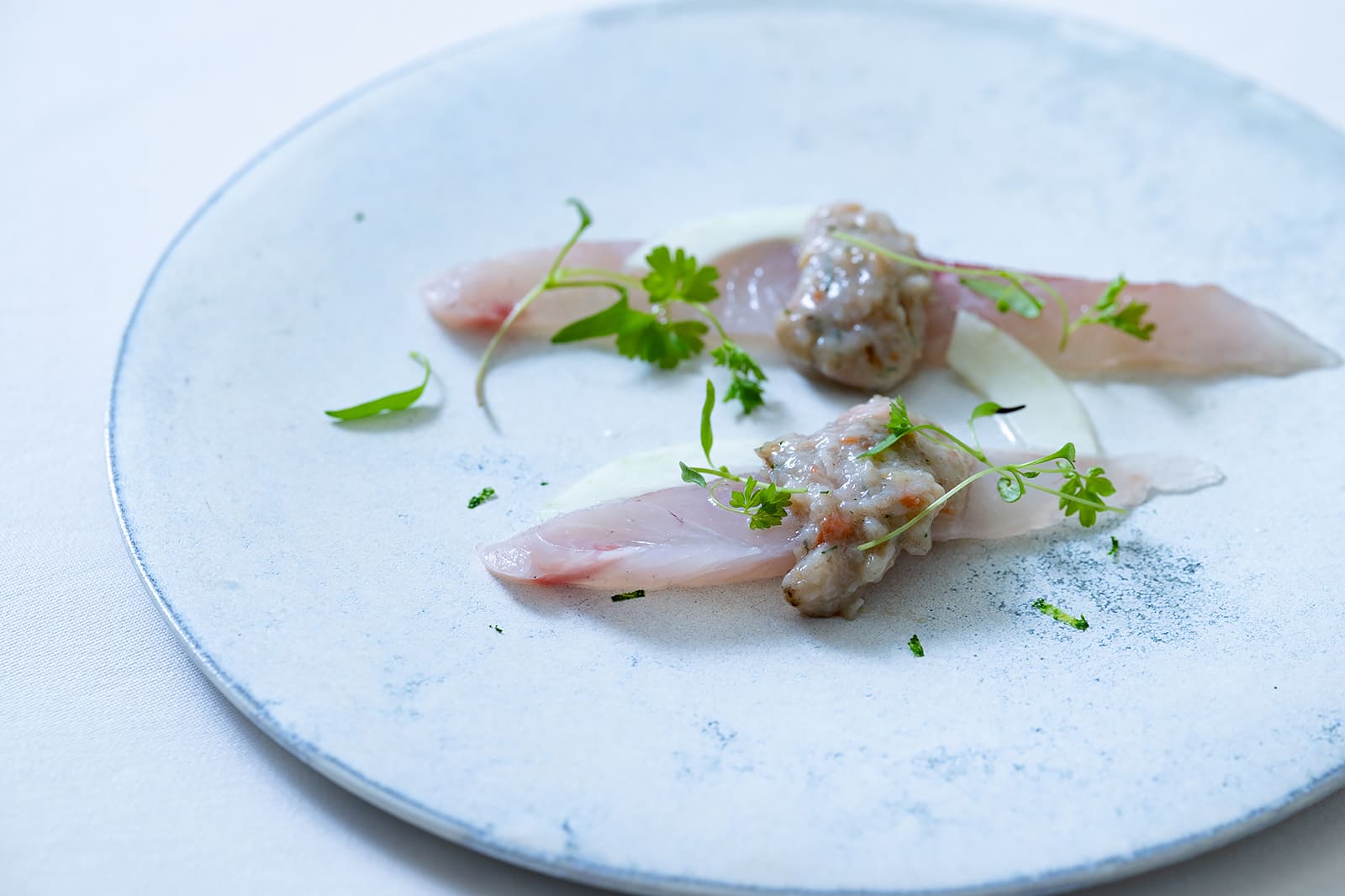
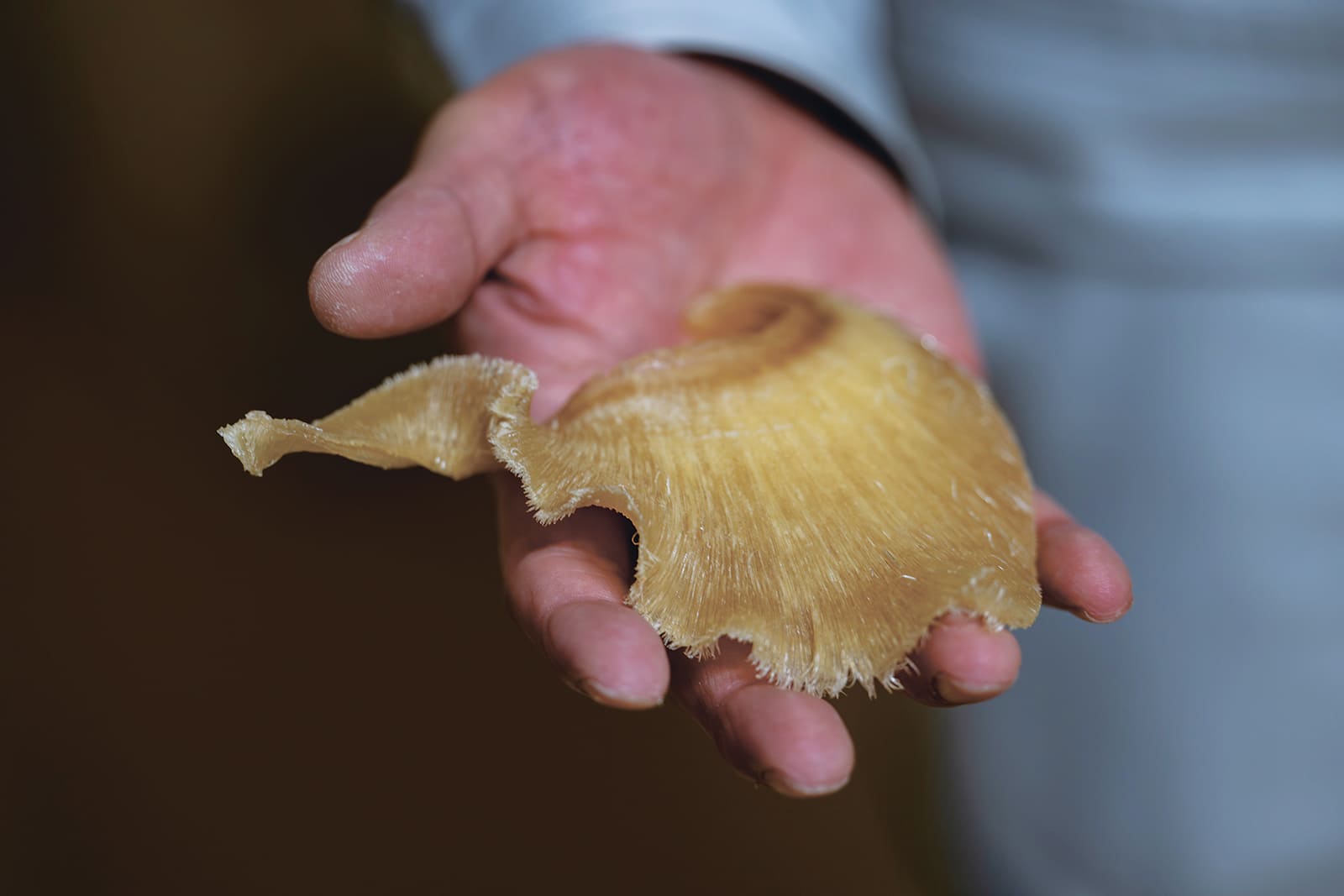
The ¥33,000 course menu created by Kuromori features various types of shark fin with differing flavors and textures, including the tail fin, pectoral fin and engawa (dorsal fin muscle) from four types of shark — shortfin mako, salmon shark, blue shark and hammerhead. The course menu priced at ¥49,500 additionally includes cuisine featuring Yoshihama Kippin dried abalone, which is known for its extremely high quality. On a foundation of Chinese cooking methods, from soups to frying, grilling and simmering, dishes combining local ingredients make a strong impact, but always leave an impression of delicacy. One reason is that Kuromori does not use the high-heat ranges common in Cantonese cuisine, as high-temperature heat sources are considered unnecessary in preparing shark fin, which contains easily melted collagen. This is cuisine with the power to draw people from Japan and around the world. “I want to make Kesennuma a city of outstanding cuisine, like San Sebastian in Spain,” said Kuromori. His dream has just begun.
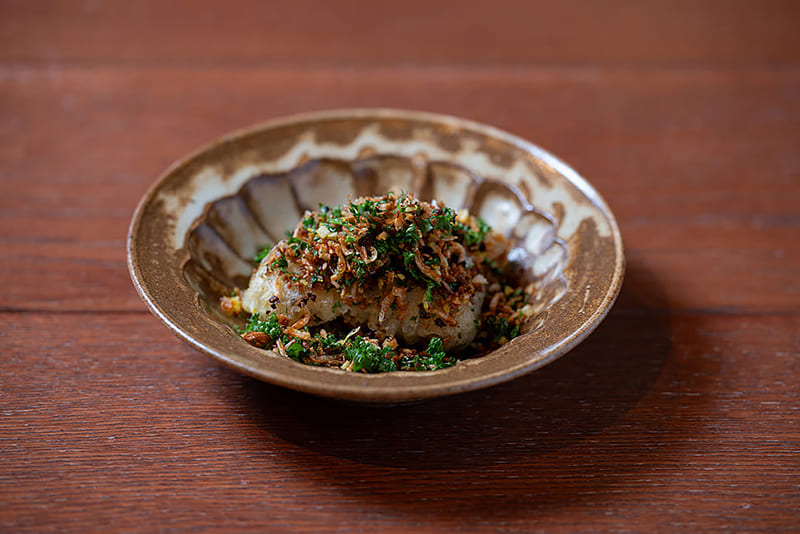
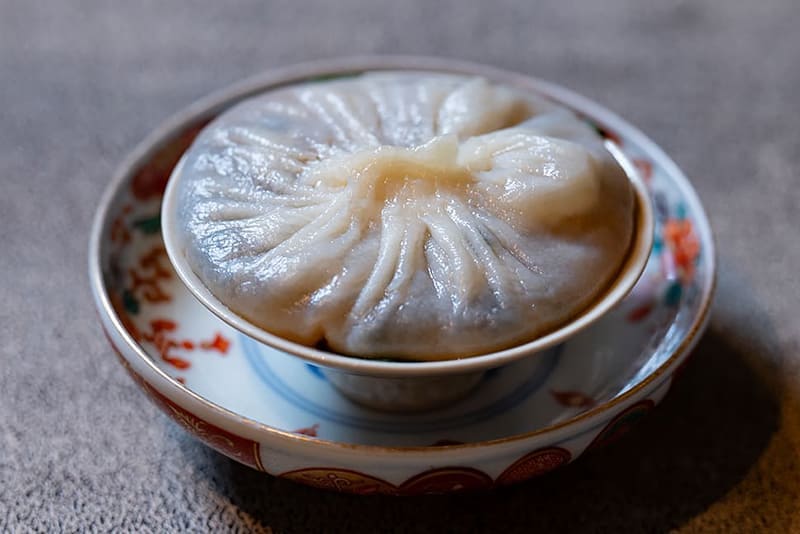
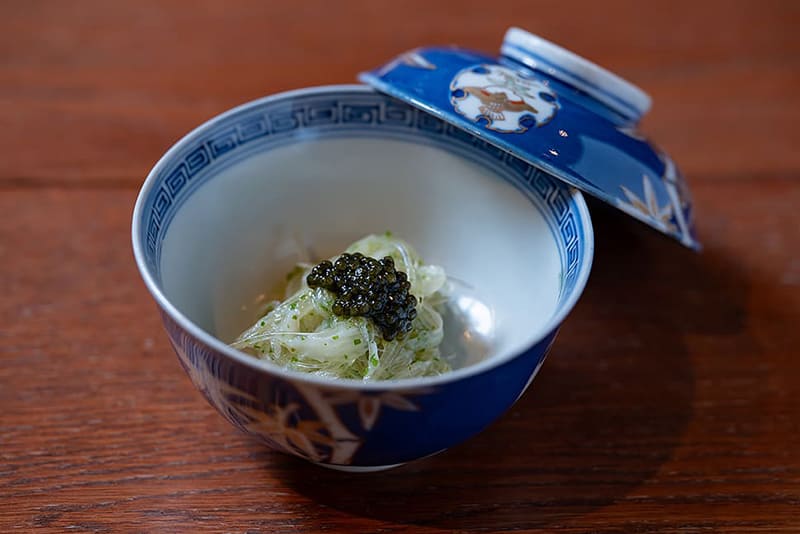
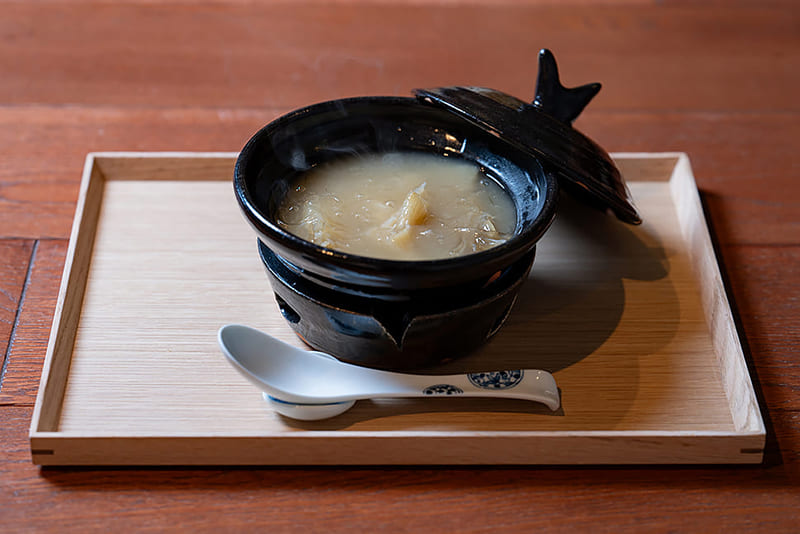
食で震災復興を目指す気仙沼市の中国料理店。
今年「Destination Restaurant of the Year 2026」に満場一致で選ばれたのは、宮城県気仙沼市のフカヒレ料理専門店『気仙沼 KUROMORI』だ。
神奈川県生まれのシェフ、黒森洋司が宮城県に移住したのは東日本大震災がきっかけ。「何か手伝えることがあるなら」との思いから、2011年、仙台市に町中華を出して人気を博し、2014年、同市に開いたフカヒレ料理と地産地消がテーマの『クロモリ』を経て、2025年9月に『気仙沼 KUROMORI』をオープンした。
「フカヒレの産地である気仙沼にもっと恩返しをしたいという思いが強くなってきた頃、移転のお話をいただいたんです。気仙沼こそが、自分にとって料理をする意味のある場所だと気づいたんです」と黒森は語る。
そんな黒森による¥33,000のコースには青ザメ、モウカザメなど、4種類のサメの尾ビレや胸ビレ、エンガワなど風味も食感も異なるフカヒレが登場する。「気仙沼をスペインのサン・セバスチャンのような美食の街にしたい」と願う黒森の夢は、今、始まったばかりだ。
Return to Sustainable Japan Magazine Vol. 56 article list page