October 29, 2026
Whisky-wine cocktail pairs with wood-fire cuisine
Destination Restaurants 2026
SPONSORED CONTENT


PHOTOS: TAKAO OHTA
Each year since 2021, The Japan Times has selected 10 Destination Restaurants from outside major cities with a view to drawing gastronomes and travelers. Tsukihi, which opened in February 2025 in Echizen, Fukui Prefecture, joined the ranks this year.
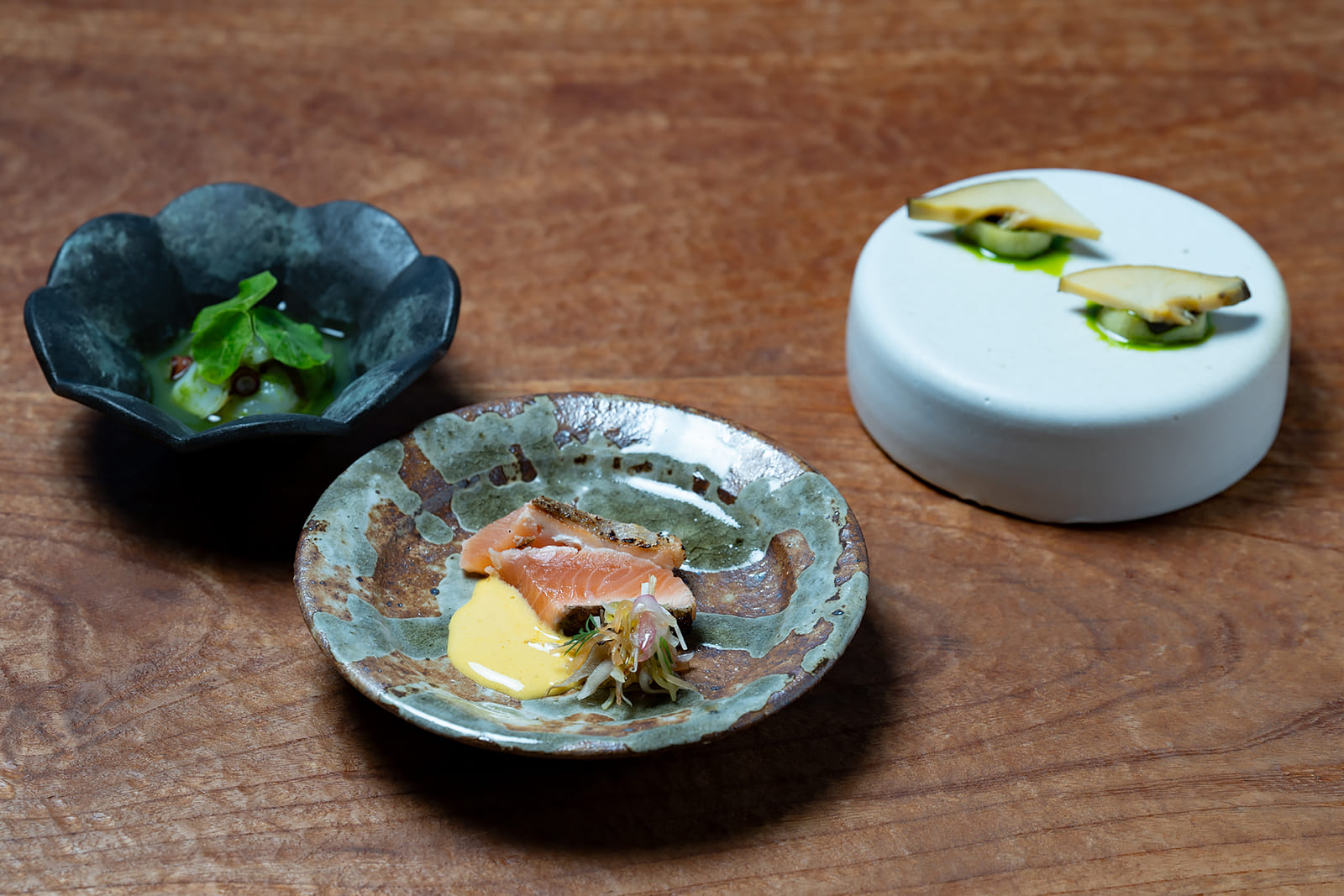
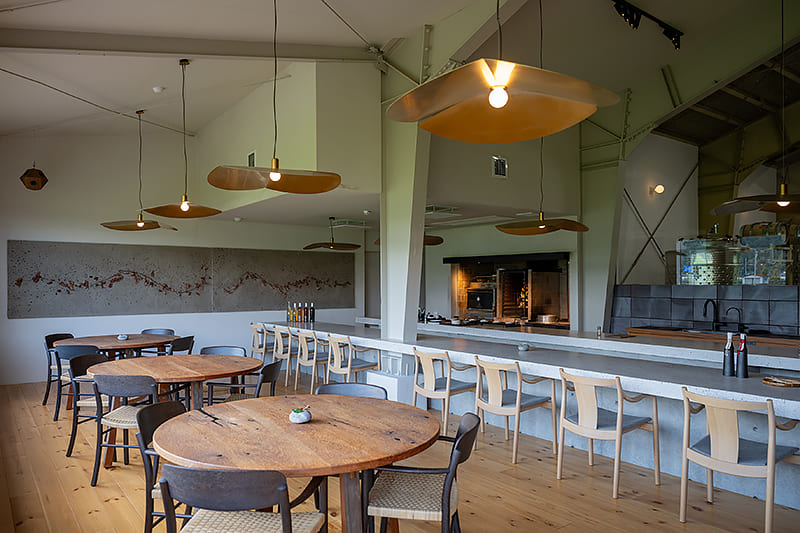
Attached to the natural winery Six Three Estate, Tsukihi is about 15 minutes on foot from Echizen-Takefu Station on the Hokuriku Shinkansen line. Inside, the restaurant is graced with traditional Echizen handcrafts, and the only heat sources are firewood and charcoal. In addition to Echizen winter crab, the innovative course menu incorporates Fukui specialties such as kombu seaweed, sea urchin and soba. It also includes dishes that reconfigure local cuisine nurtured in this devoutly Buddhist region.
Tsukihi
8-10-1 Kuzuoka-cho, Echizen-shi, Fukui Prefecture
Tel: 0778-24-0318
https://hp.restaurant-tsukihi.jp
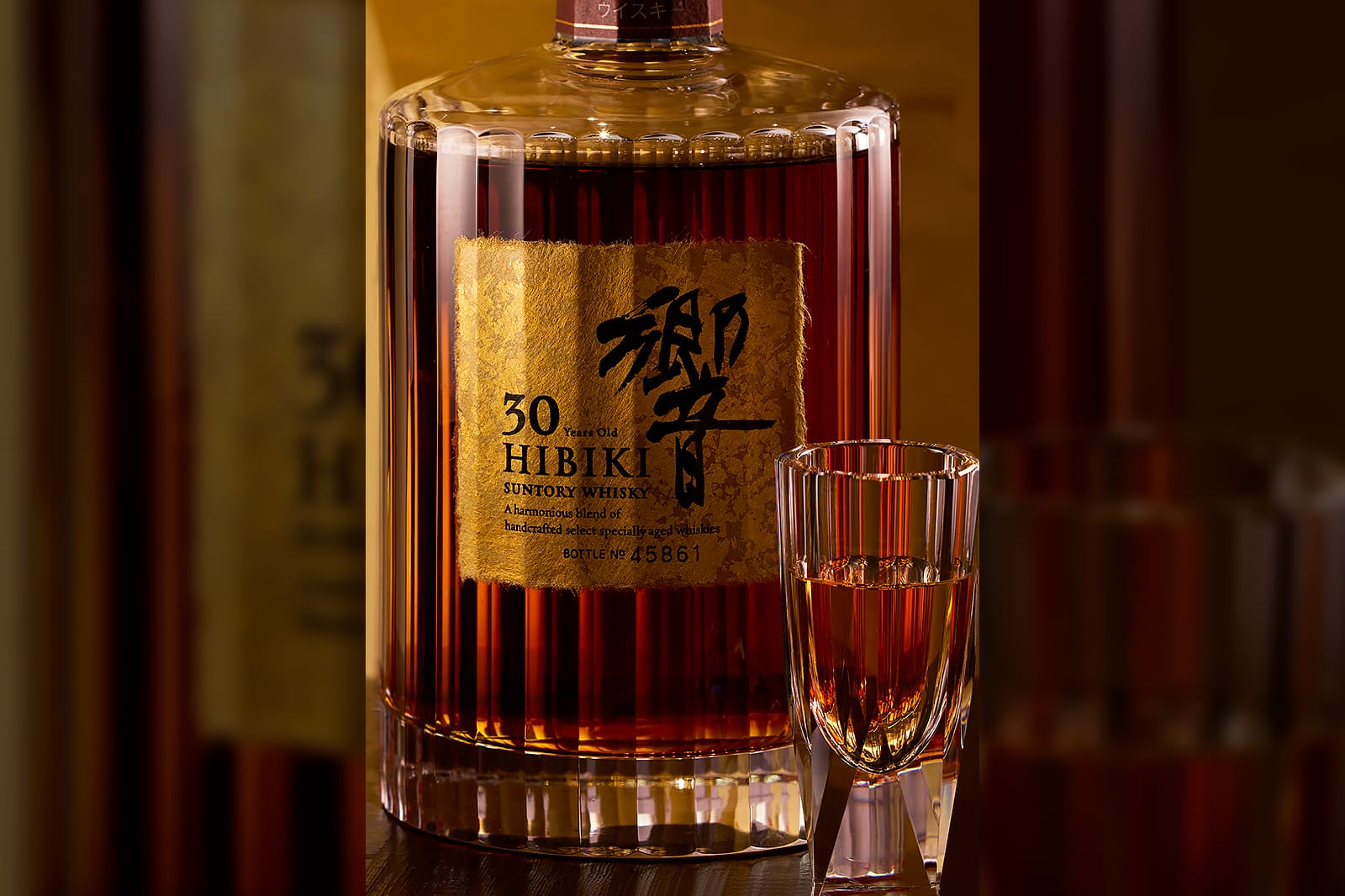
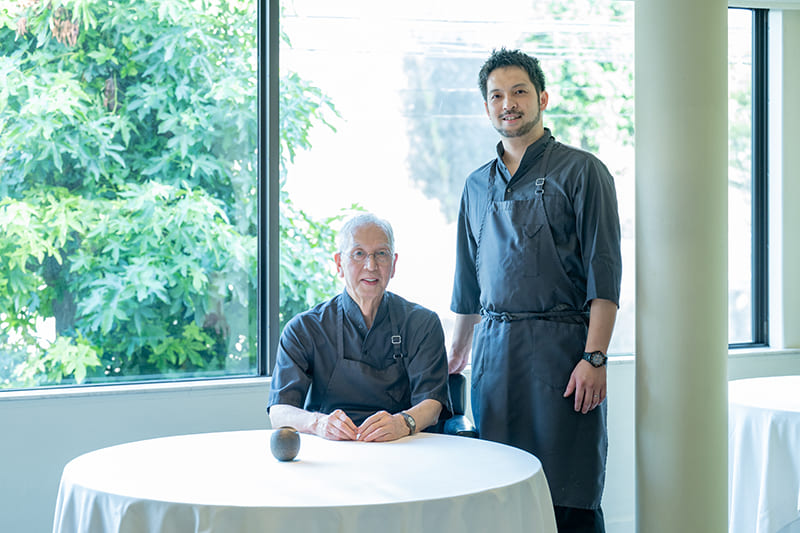
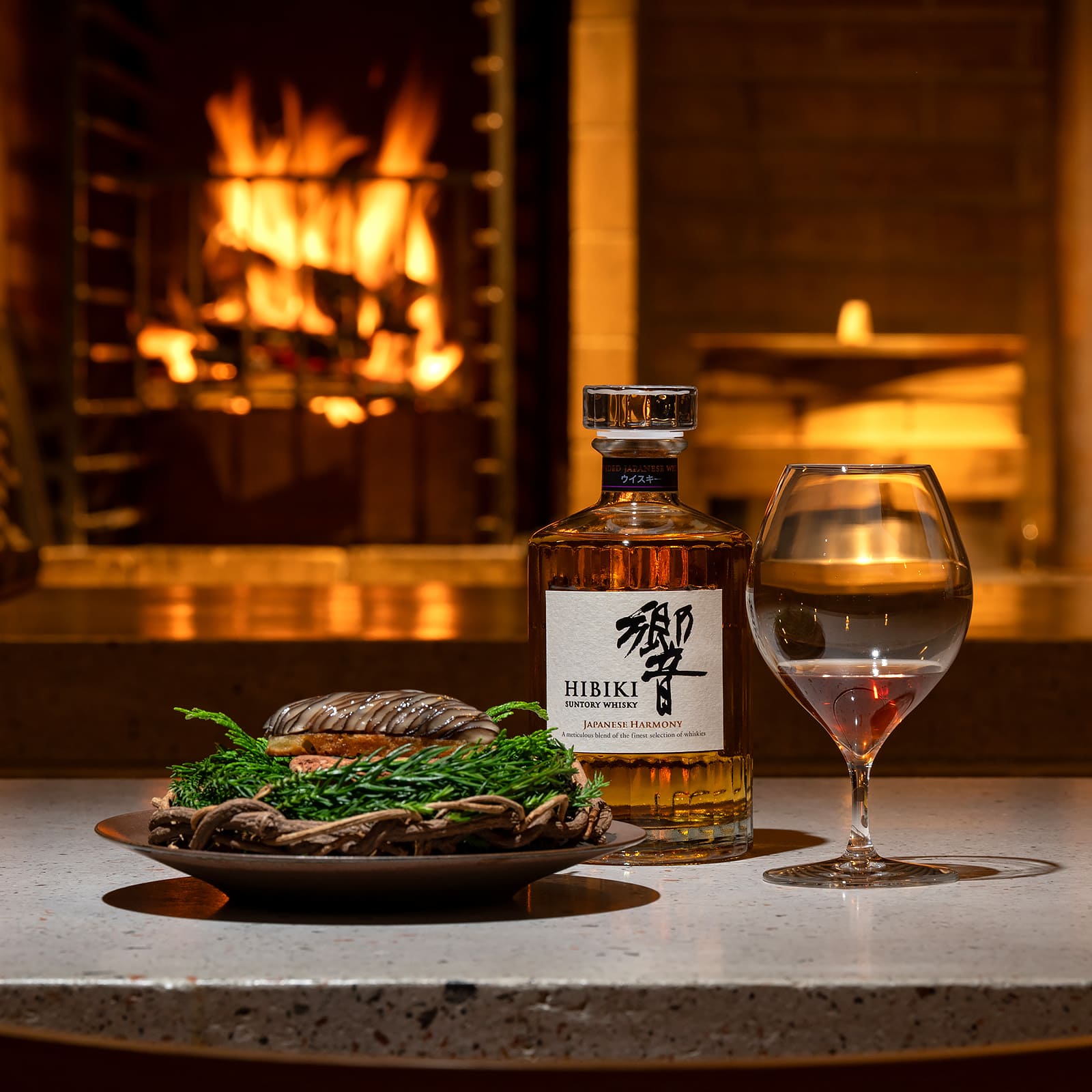
Tsukihi’s chef, Kyohei Nagaya, has proposed a new way to enjoy Japan’s renowned whisky Hibiki, as well as a pairing of this drink with cuisine.
“When I drank a Hibiki highball at the Destination Restaurants award ceremony, I was really impressed by its distinctively Japanese smoothness, which makes it different from European whisky. I thought it would be interesting to combine it with the acidity of rose wine that is also aged in barrels, and devised this cocktail,” Nagaya said.
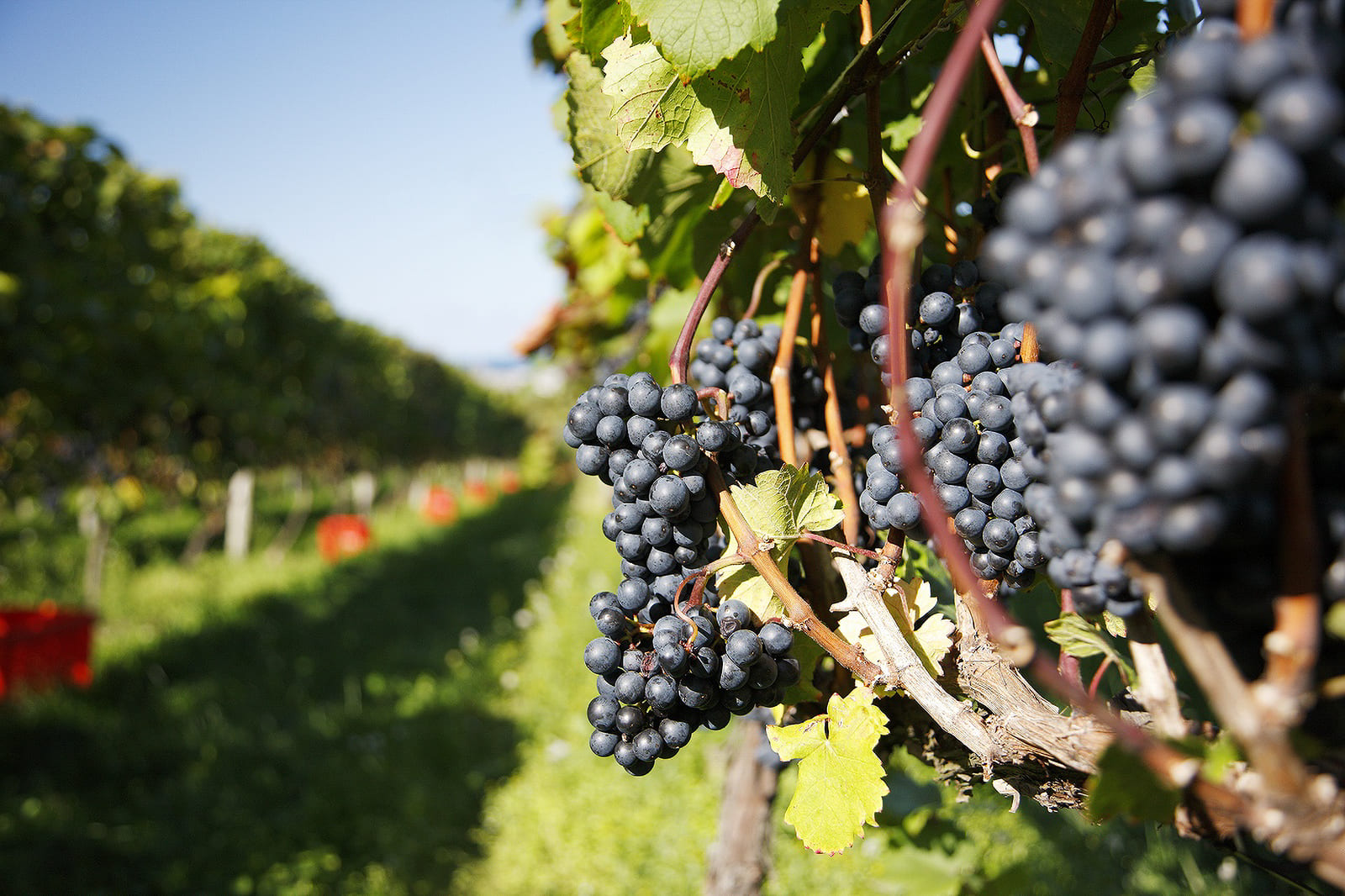
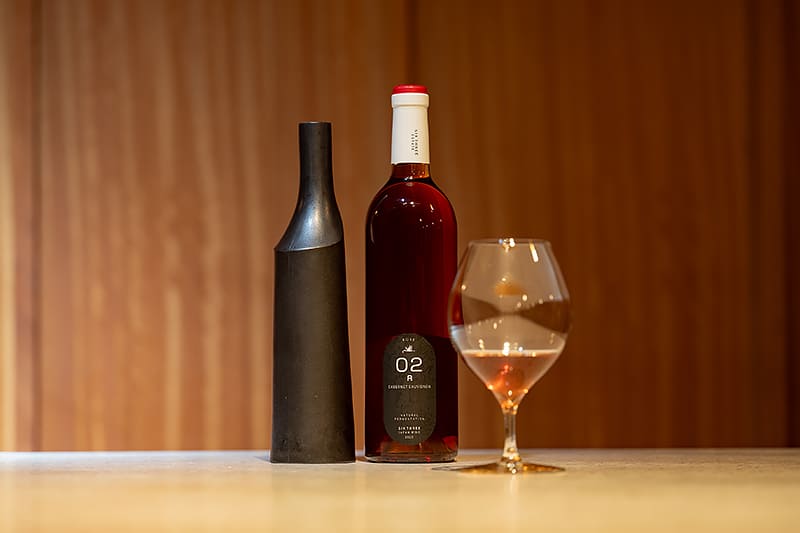
Swirling the liquid in a wine glass releases a bright, fresh bouquet. For this cocktail, Hibiki and Six Three Estate’s 100% cabernet sauvignon rose 02R are poured into a decanter in a 1-to-4 ratio and lightly mixed, then transferred to an Echizen-ware ceramic bottle and left to rest for five hours. With a sip of the drink, the sweetness and full-bodied flavor derived from malt is pleasantly suffused with the grapes’ fruitiness and distinct acidity.
To pair with the cocktail, Nagaya chose the Tsukihi specialty “shiitake and venison crostini.” The dish is made with a choice cut of venison that is marinated in wine lees and shio kōji, then firewood-roasted and simultaneously smoked with grape branches. The venison is topped with a layer of fresh shiitake mushrooms cooked in smoked shiitake broth, then placed on thinly sliced ciabatta bread, to be eaten as a finger food.
Nagaya explained, “Just before serving, I put cedar or hinoki (Japanese cypress) shoots on the firewood and toast the ciabatta from below. This dish combines meat from deer that grow up in the forest with the wood scent of shiitake that grow on trees, like kunugi (sawtooth oak) and nara (Japanese oak), so it’s sure to be a good match with Hibiki, which is aged in barrels made of oak and other types of wood.”
While this dish is served throughout the year, the recipe changes according to the season, said Nagaya.
“I change the aroma by putting different materials on the wood fire. In winter I use tree bark to intensify the smoky scent, and in summer I lighten the fragrance with plant shoots. Also, unlike the meat of Ezo (Hokkaido) deer, Honshu deer meat is naturally low in fat, so I add homemade chicken fat. And in summer, when the venison has even less fat, I add Wakasa beef” from Fukui Prefecture.
This dish expressing the changing seasons aligns splendidly with Hibiki, which was created with the guiding concept “a whisky combining the four seasons of Japan, the subtle sensibilities of Japanese, and the excellence of Japan’s craftsmanship.” Experiencing this pairing with aromas from the forest of Echizen is highly recommended.
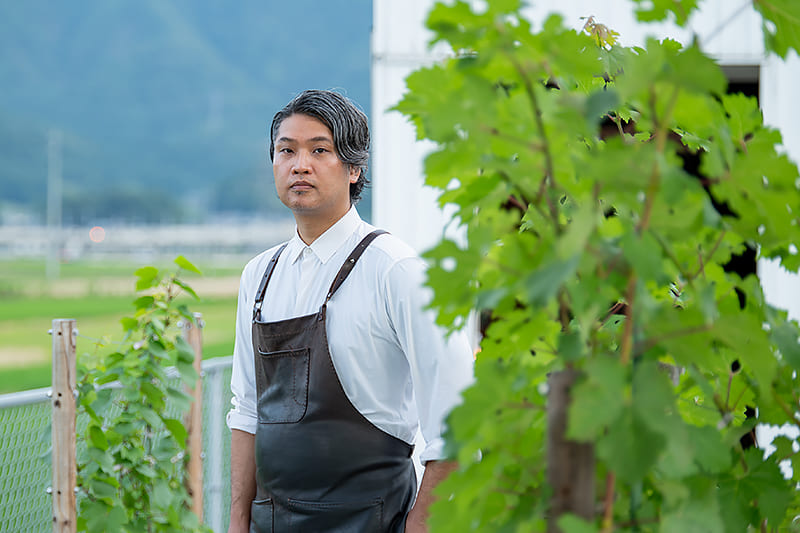
Kyohei Nagaya
Born in Gifu Prefecture in 1985, Nagaya began his culinary journey at the age of 18. After refining his skills at restaurants in Italy and Japan, he discovered wood-fire cuisine at the Kobe restaurant Erre, where he served as chef starting in 2017. In January 2024, Nagaya moved to Echizen in Fukui Prefecture. He assumed the post of chef at Tsukihi, a restaurant attached to the winery Six Three Estate, when the restaurant opened in February 2025.
薪の香りに寄り添う「響」とロゼワインのカクテル。
毎年10軒のレストランが選定される「Destination Restaurants」に今年、福井県越前市『TSUKIHI(ツキヒ)』が選ばれた。2025年、自然派ワイナリー『シックススリーエステート』併設のレストランとして開業。熱源は薪と炭のみで、越前蟹や昆布など福井を代表する食材を盛り込んだイノベーティブなコースを供する。
そんな『TSUKIHI』のシェフ、長屋恭平に日本を代表するウイスキー「響」の新しい飲み方と料理とのペアリングを提案してもらった。できあがったのは「響」とロゼワインのカクテルだ。「授賞式で飲んだ『響』のハイボールの、日本的なまろやかさが印象に残っています。そこに同じく樽で寝かせたロゼワインの酸味を効かせました」。
「響」と同ワイナリーのカベルネ・ソーヴィニョン100%のロゼ「02 R」を1:4で合わせ、越前焼のボトルで5時間寝かせる。モルト由来の甘みとコクに、ブドウの果実味と酸が伸びやかに広がる。
合わせるのはスペシャリテ「椎茸と鹿のクロスティーニ」。ワインの搾りかすと塩麹でマリネした鹿肉を、ブドウの枝で燻しながら薪火でローストした中心部を使用したフィンガーフードだ。
「森で育った鹿とクヌギや楢の木で育った椎茸で、木の香りをリンクさせました。オークなどの樽で熟成させた『響』に合うはずです」。
この料理は一年を通じて作られるが、季節によってレシピが変わる。冬は木の皮で燻香を強く、夏は新芽で軽やかにと、季節によって薪にくべるものを変え、香りを調節しているのだ。
季節の移ろいを表現した一品は、「日本の四季、日本人の繊細な感性、日本の匠の技を結集したウイスキー」をコンセプトとする「響」に重なる。越前での森の香りのマリアージュをお愉しみあれ。
Return to Sustainable Japan Magazine Vol. 57 article list page