September 24, 2026
Yamagata’s mayor tells how city is advancing attractions, potential




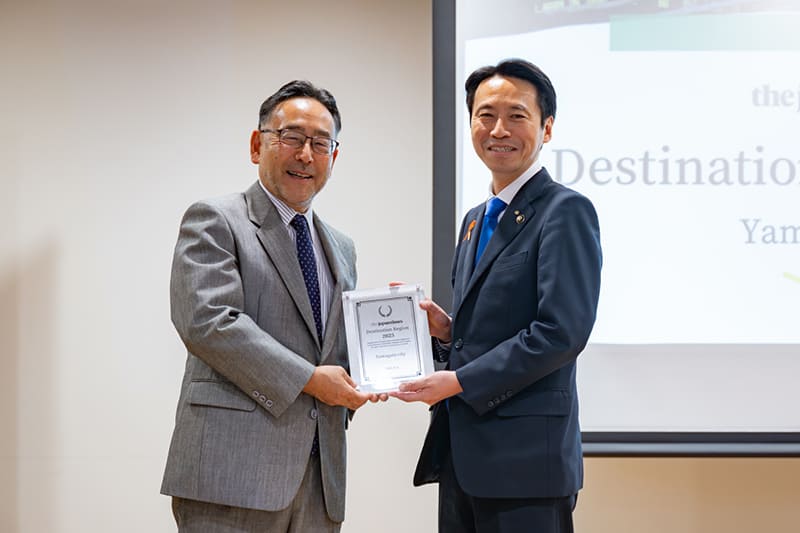
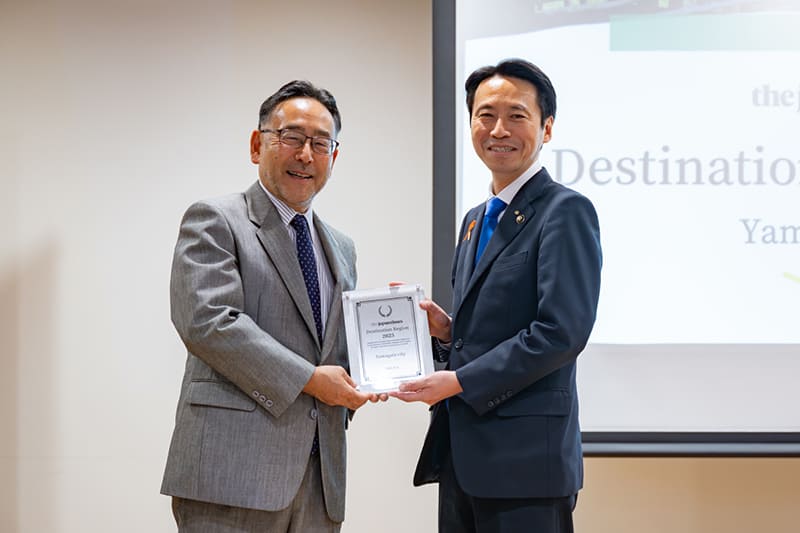
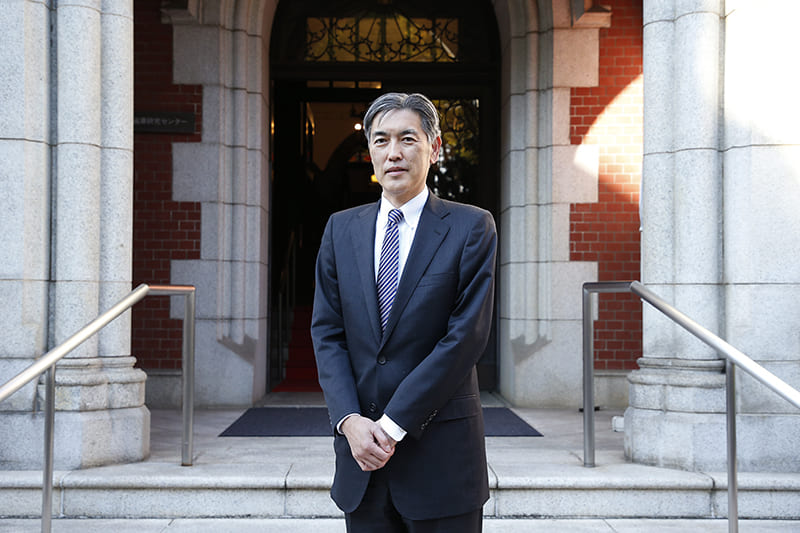
About a year has passed since the city of Yamagata was honored by The Japan Times as the Destination Region of the Year 2025, with a series of articles introducing people and projects that have contributed to the city’s vibrancy. To conclude the series, Mayor Takahiro Sato spoke about the city’s attractions and potential in a recent interview.
The Destination Region is a new annual accolade developed in collaboration with Kosuke Motani, the chief senior economist at the Japan Research Institute. It recognizes a Japanese region for its efforts to advance sustainable development by preserving its heritage for future generations, helping local economies thrive through the effective use of regional resources and demonstrating a strong capacity to address both local and global challenges.
While Yamagata is typically known for its natural features — the frost-covered trees of Mount Zao, hot springs and its climate, which is ideal for winter sports and growing fruits such as cherries and pears — its cultural depth is equally extraordinary.
When Sato became mayor in 2015, the city had already submitted its first application to join the UNESCO Creative Cities Network. Although that initial bid was unsuccessful, Sato firmly believed that effective promotion would eventually lead to the designation.
He traveled to UNESCO’s headquarters in Paris to deliver presentations and continued to lobby until Yamagata was finally accepted into the network in the film category in 2017, largely thanks to the Yamagata International Documentary Film Festival and its contribution to the local economy.
Sato views this achievement not only as a global validation of Yamagata’s rich film culture, but also as a powerful catalyst that allows the city to showcase its diverse cultural offerings — including crafts, music, design and literature — to the world.
During the process of applying for membership in the network, Sato’s belief that culture should be integrated with the economy to boost jobs and regional vitality was further strengthened. He said this idea aligned seamlessly with the network’s philosophy of identifying creativity as a strategic factor for sustainable urban development.
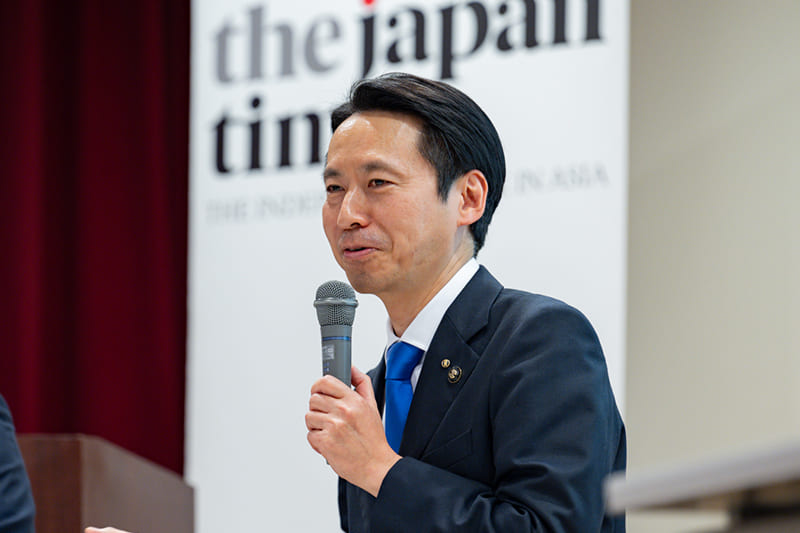
“Another major benefit was that local residents rediscovered the true value of their local resources and treasures. The global recognition also helped us to promote the city more effectively to the world,” Sato said.
The central hub for Yamagata’s efforts to become a creative city is Q1, a facility housed in Yamagata’s first-ever reinforced concrete building, constructed in 1927. It accommodates studios of local artists and artisans, as well as cafes and restaurants that use local produce. It also houses some offices of local entrepreneurs. This facility exemplifies the city’s approach of polishing, enhancing and promoting existing resources. “Materials and potential can be found everywhere,” said Sato.
Various projects have also been carried out by students and graduates of the Tohoku University of Art and Design to renovate old buildings in the city for use as apartments and student dormitories.
Sato said that rather than rigid, top-down urban planning in which every zone is predetermined, Yamagata aims to foster a flexible environment where small-scale, experimental and community-driven initiatives can emerge and eventually transform the entire city organically.
Sato emphasized that advancing urban revitalization hand-in-hand with promoting tourism is the key to maintaining a vibrant economy in the face of inevitable population decline.
While Zao, home to a new Hoshino Resorts hotel that opened in October, and the scenic mountainside temple of Yamadera remain famous tourist destinations, the city center boasts deep-rooted traditions as well. There are long-standing confectionery shops, traditional sake breweries and a surviving culture of geisha and maiko at traditional Japanese restaurants. Because Yamagata escaped major air raids during the war, historic architecture remains intact throughout the city.
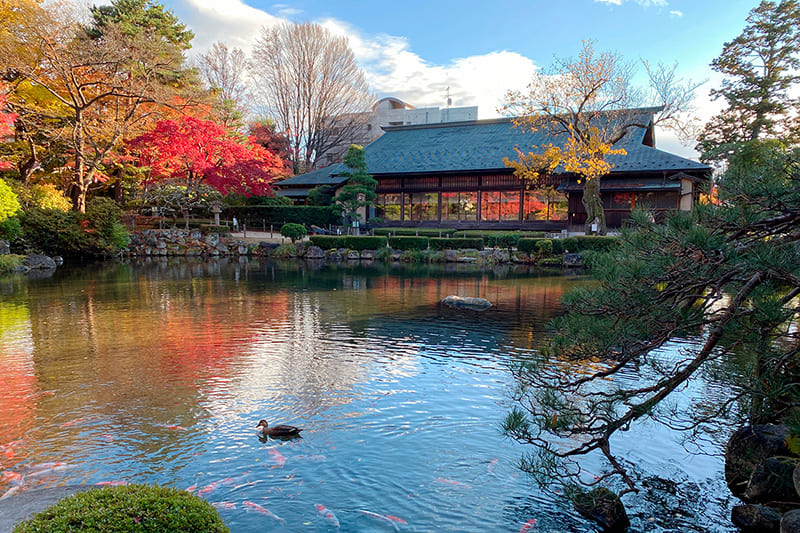
At Momiji Park, which houses a municipal tea house and a traditional garden, the city hosts an annual tea ceremony. “There are distinct schools of tea ceremony that rarely mix, but Yamagata city organizes the event to bring all schools together,” Sato said. “This kind of collaboration is unheard of elsewhere. I think it is a testament to Yamagata’s collaborative spirit.”
This spirit is also at the core of community-driven revitalization efforts such as the promotion of Yamagata’s ramen culture. Sato noted that over 160 ramen shops, nori seaweed vendors and noodle-making factories have formed a council to promote ramen culture. “Instead of a cutthroat, ‘me-first’ mentality, the close-knit human relationships of a small city have been contributing to the city’s revitalization,” he said.
Sato looks forward to Yamagata’s future as a vibrant tourist city — but not one that merely offers tourist experiences. “The ultimate way for visitors to enjoy their time in Yamagata is to experience the everyday pleasures that Yamagata residents enjoy in their daily lives and the genuine warmth of the local people,” he said.