November 19, 2026
Uchiko offers historic streets and crafts, fine food


Uchiko lies southwest of Matsuyama, the capital of Ehime Prefecture, from which it can be reached in 30 minutes by train or 45 minutes by car. Seventy-seven percent of the town’s land is forested, and its traditional streetscapes and scenery, preserved through generations, evoke a sense of nostalgia in visitors.
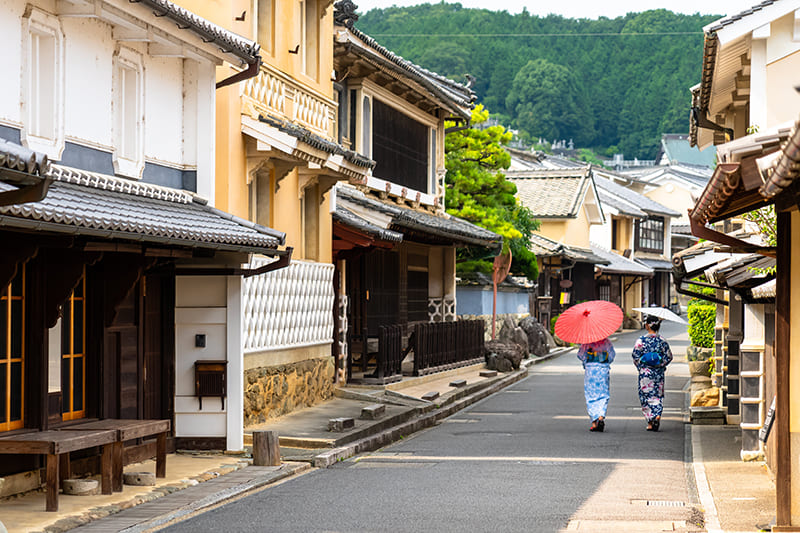
The historic district of Yokaichi and Gokoku, located about a 15-minute walk from Uchiko Station, spans a 600-meter street lined with beautifully preserved traditional townhouses.
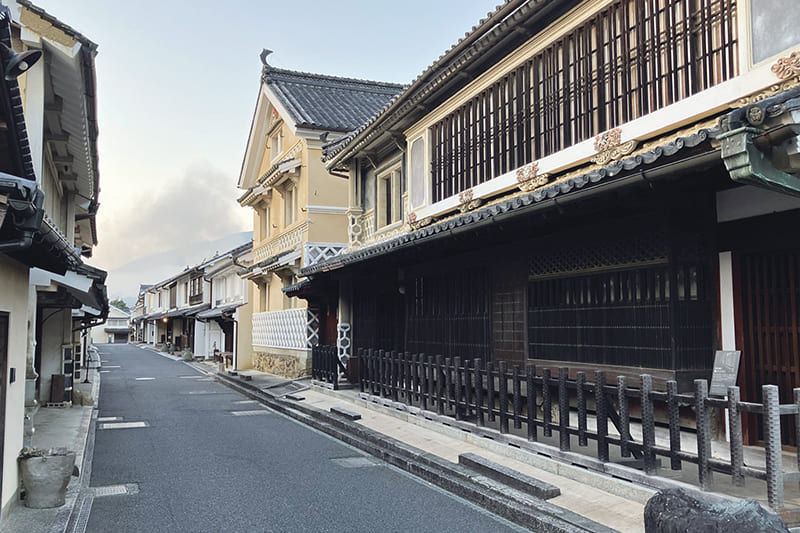
Three have been designated as Important Cultural Properties: the Kamihaga, Honhaga and Omura residences.
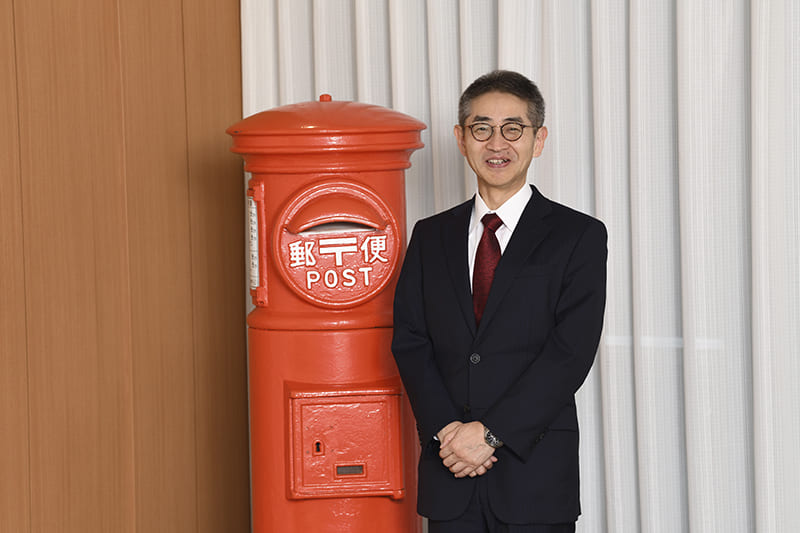
The production of traditional mokurō wax, made from the seeds of haze trees, a kind of sumac, started in Uchiko during the Edo Period. Ryoichi Hatano, the executive director of the Uchiko Town Tourism Association, explained that the industry declined due to the spread of alternative materials such as paraffin. However, at Omori Warosoku, a candle workshop located in the district, visitors can purchase traditional Japanese candles, known as warōsoku, and also observe the production process if they arrive at a good time.
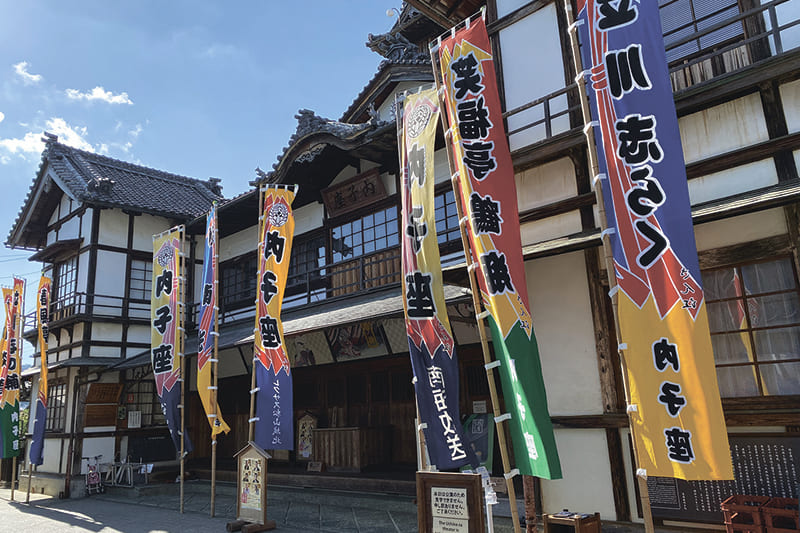
Uchiko-za, a historic wooden playhouse designated as an Important Cultural Property, lies between the historic district and Uchiko Station. It is currently undergoing major repairs and is scheduled to reopen in April 2029, but videos of the restoration process and special exhibits can still be enjoyed in the backstage dressing rooms, which are open to the public only during the construction period.
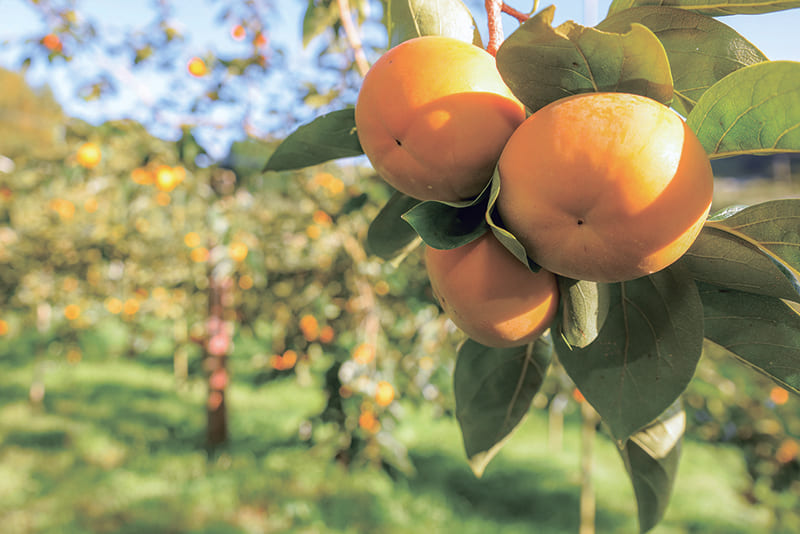
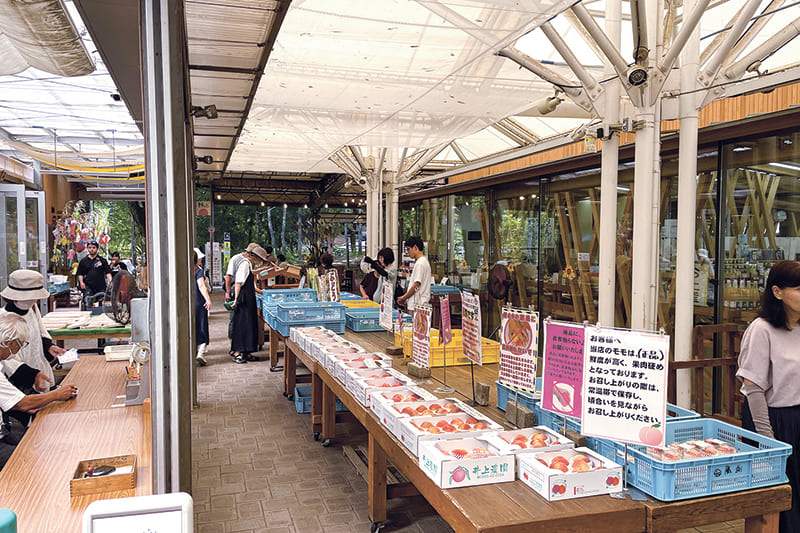
At the marketplace Uchiko Fresh Park Karari, about a 10-minute walk from the historic district, visitors can find fresh local produce including jabara citrus, persimmons, kiwifruit, chestnuts and various vegetables, plus processed foods like ham and sausages, and can enjoy scenic views and meals crafted from local produce at a restaurant surrounded by greenery. The bread and sandwiches sold at the bakery are made with local wheat and rice flour and other ingredients such as vegetables and ham. The gelato shop offers seasonal flavors that highlight the tastes of the region.
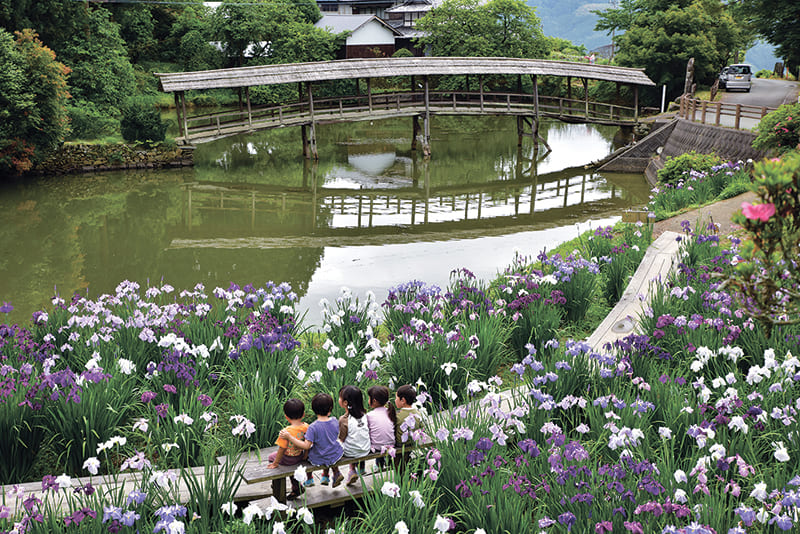
In the Ishidatami area, formerly a village located about a 15-minute drive northwest of the market, various initiatives have been undertaken to preserve the traditional landscape. “These efforts include restoring waterwheels and hosting annual waterwheel festivals, operating a town-run inn housed in a historic traditional house and preserving firefly habitats,” Hatano said. The roof of the area’s iconic covered bridge is re-thatched by villagers every decade.
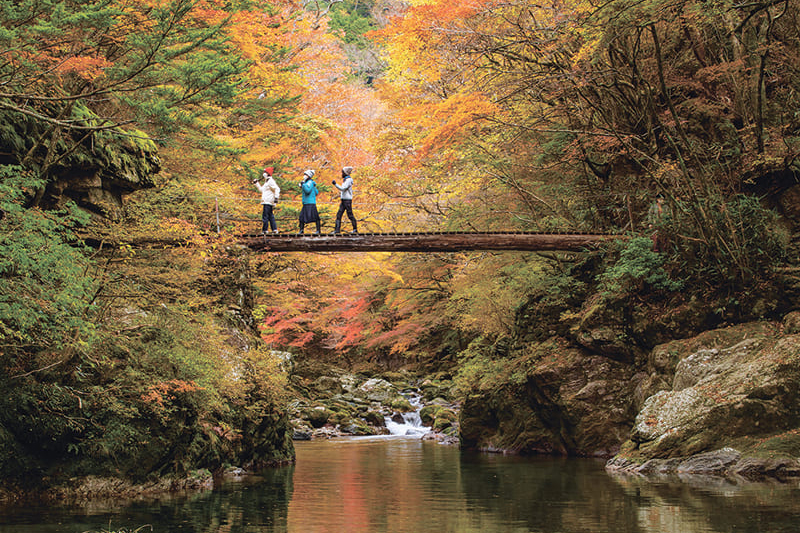
The Odamiyama Valley in the western part of the town is a natural treasure surrounded by mountains 1,200 to 1,500 meters high. Walking trails along the Kurokawa river allow visitors to take in the valley’s seasonal beauty.
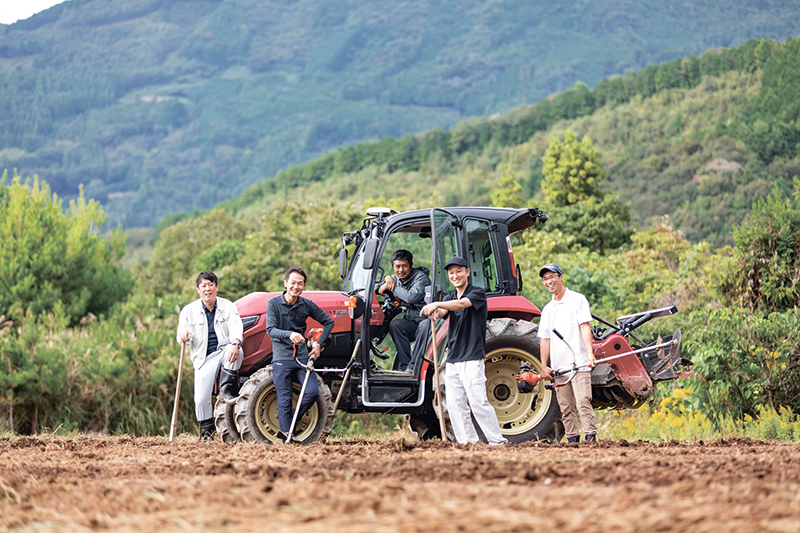
Hatano said an increasing number of people are moving to Uchiko, drawn by its charms. “Among the newcomers are photographers, designers, writers and people who have opened cafes and guesthouses,” he said. A German-Japanese couple opened a German restaurant called Zum Schwarzen Keiler, and a British-Japanese couple founded the company We Ride Japan, offering guided bicycle tours. “The guesthouse and bar Uchikobare, opened by another newcomer, attracts international travelers from all over the world. They enjoy interacting with locals at the inn’s bar,” Hatano said.
Uchiko offers a wide range of activities for visitors, including those from abroad. The Ikazaki area southeast of Uchiko Station has long been renowned for its washi paper production. “A technique for gilded decorating of washi paper was developed here, and it has been incorporated into modern residential interior materials such as wallpaper,” Hatano noted. At the Tenjin Sanshi Japanese Paper Factory, visitors can participate in gilding and papermaking workshops.

The Ikazaki Kite Museum nearby showcases an extensive collection of kites gathered from across Japan and around the world, and offers workshops on making kites with locally produced washi.
Uchiko’s website, https://www.town.uchiko.ehime.jp, provides information on various activities, seasonal events, shopping and accommodations for travelers looking to explore the town further.
愛媛県内子町 ― 受け継がれる町並みと暮らし、豊かな自然
愛媛県の県庁所在地・松山市から南西に位置する内子町。松山からは電車で約30分、車で約45分でアクセスできます。町の面積の77%を森林が占め、代々受け継がれてきた伝統的な町並みや美しい風景が、訪れる人々に懐かしさを感じさせます。
内子駅から徒歩約15分の場所にある八日市・護国地区は、約600メートルにわたって歴史ある町並みが続くエリアです。美しく保存された伝統的な町家が並び、そのうち上芳我家住宅、本芳我家住宅、大村家住宅の3棟は、国の重要文化財に指定されています。
内子町では、江戸時代にハゼノキの実から木蝋を生産する産業が始まりました。内子町観光協会の畑野亮一事務局長によると、木蝋産業は、パラフィンなどの代替素材の普及によって衰退しました。しかし、町並み保存地区にあるろうそく工房「大森和蝋燭屋」では、伝統的な和ろうそくを購入できるほか、タイミングが合えば製造工程を見学することもできます。
歴史地区と内子駅の間には、国の重要文化財に指定されている木造劇場「内子座」があります。現在、大規模な保存修理工事が行われており、2029年4月に再開館する予定です。工事期間中に限り公開されている楽屋では、修復の様子を紹介する映像や特別展示を楽しめます。
歴史地区から徒歩約10分の「内子フレッシュパークからり」は、地元の農産物や加工品がそろう市場です。柑橘類のジャバラ、柿、キウイフルーツ、栗、さまざまな野菜のほか、ハムやソーセージなども販売されています。緑に囲まれたレストランでは、地元の食材を使った料理を味わいながら、周囲の景色を楽しめます。併設のベーカリーでは、地元産の野菜、ハムなどを使ったパンやサンドイッチを販売。ジェラート店では、地域の旬の味覚を生かした季節限定のフレーバーが楽しめます。
からりから車で約15分、町の北西部にある石畳地区では、かつての集落の風景を守るため、さまざまな取り組みが行われています。畑野事務局長によると、水車の復元や毎年の水車まつり、歴史ある古民家を活用した町営宿泊施設の運営、ホタルの生息環境の保全などが進められています。地区の象徴である屋根付き橋の茅葺き屋根は、10年ごとに住民の手で葺き替えられています。
町の東部に広がる小田深山渓谷は、標高1,200~1,500メートルの山々に囲まれた自然豊かな場所です。黒川沿いの遊歩道を歩けば、四季折々に表情を変える渓谷の美しさを満喫できます。
内子町の魅力に引かれて移住する人も増えています。畑野事務局長によると、移住者には映像作家やデザイナーのほか、カフェやゲストハウスを開業する人もいます。ドイツ人と日本人の夫婦がドイツ料理店「Zum Schwarzen Keiler」を開き、英国人と日本人の夫婦は、ガイド付きのサイクリングツアーを提供する「We Ride Japan」を設立しました。また、移住者が開業したゲストハウス「内子晴れ」には、世界各地から旅行者が訪れ、併設のバーで地元の人々との交流を楽しんでいるといいます。
内子町では、海外からの旅行者も楽しめる多彩な体験が用意されています。内子駅の南東に位置する五十崎地区は、古くから和紙の生産で知られてきました。畑野事務局長によると、この地域では和紙に金箔などで装飾を施す技法が発展し、現在では壁紙など、現代の住空間に使われる素材にも取り入れられています。「天神産紙工場」では、金箔押しや紙すきの体験ができます。
近くの「五十崎凧博物館」では、国内外から集められた多彩な凧を展示しているほか、地元産の和紙を使った凧作りにも挑戦できます。
内子町の公式ウェブサイトでは、町内で楽しめる体験や季節のイベント、買い物、宿泊施設など、旅に役立つ情報を紹介しています。歴史と文化、地域の人々の営み、そして豊かな自然に触れながら、内子ならではの時間を過ごしてみてはいかがでしょうか。