November 24, 2026
Seino Holdings works with rivals for better, cleaner transportation


In Japan’s logistics industry, companies have maintained independent delivery networks, with trucks from multiple companies operating in the same areas. In addition, due to smaller shipments and underused return trips, the “loading efficiency” of freight vehicles has remained at around 40% of what they could carry for the past 15 years or so. This is not only inefficient, but also hinders efforts to reduce carbon dioxide emissions in the industry.
Meanwhile, a shortage of truck drivers due to the declining and aging population has become a chronic issue nationwide. The introduction of new regulations in 2024, aimed at improving working hours and conditions for truck drivers, has further exacerbated the problem, resulting in insufficient transportation capacity becoming a critical challenge for society.
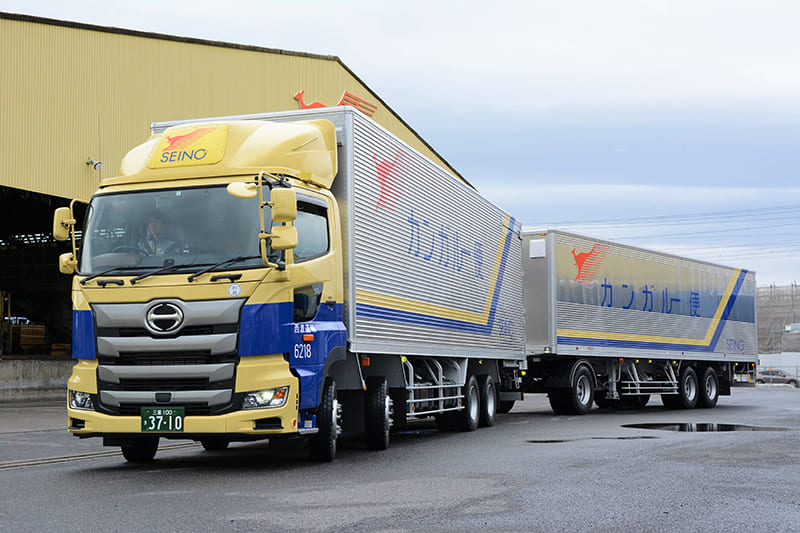
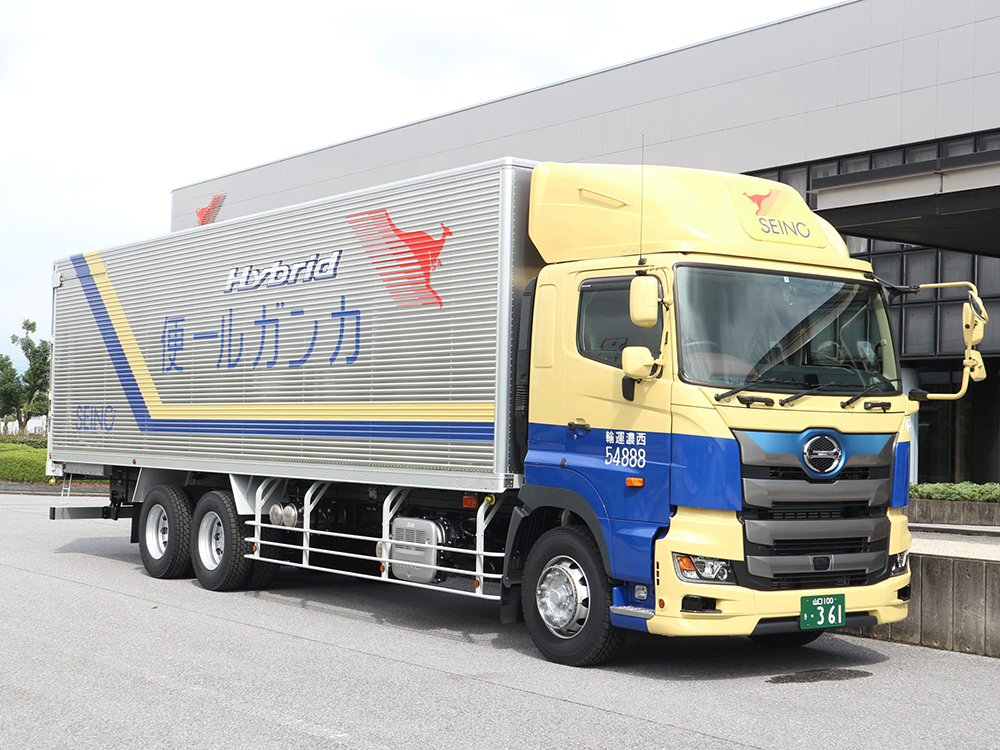
Seino Holdings Co. Ltd., a top logistics company, recognizes that this problem cannot be solved by a single company alone, and is therefore promoting the “co-creation” of new initiatives with other companies both within and outside the industry, including its direct competitors.
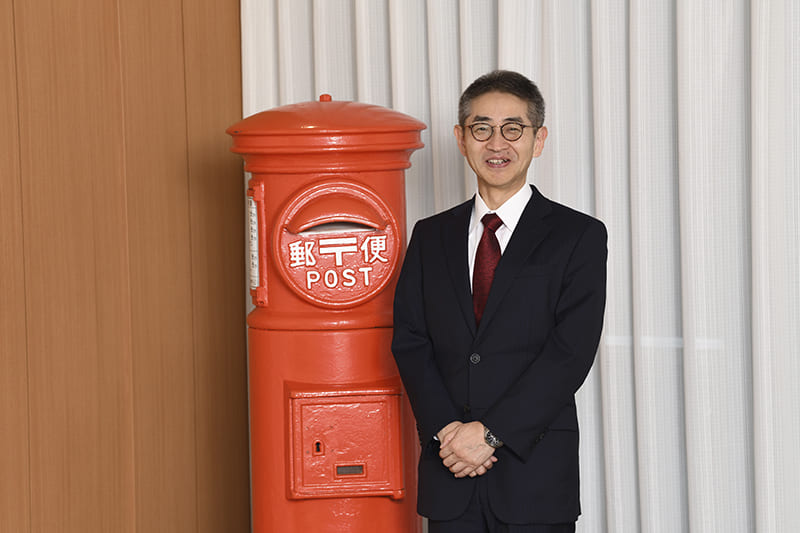
In the company’s “2025 Value Report,” President and CEO Yoshitaka Taguchi stated, “An approach in which logistics companies seek to remain competitive solely by staying within their own closed networks is no longer sufficient to meet societal expectations or ensure economic rationality.” In order to transform the conventional structure of the industry, Seino believes it is necessary to transcend corporate boundaries, share assets and data, and optimize networks.
This belief is embodied in Seino Holdings’ “Team Green Logistics” vision, which emphasizes industrywide collaboration to optimize logistics. The first of the vision’s three pillars is “Green.” By leveraging digital technology to improve loading efficiency and minimize environmental impacts, the company aims to “clean the air, not carry it.”
The second pillar is “One Stop.” The company believes that optimizing the entire supply chain involves providing customers with a comprehensive point of contact offering logistics and peripheral services while also giving them the convenience of being able to consult on a wide range of related issues.
The third pillar is “Support.” By taking over clients’ time-consuming peripheral operations and helping them to focus on their core business, the industry can grow together with its clients.
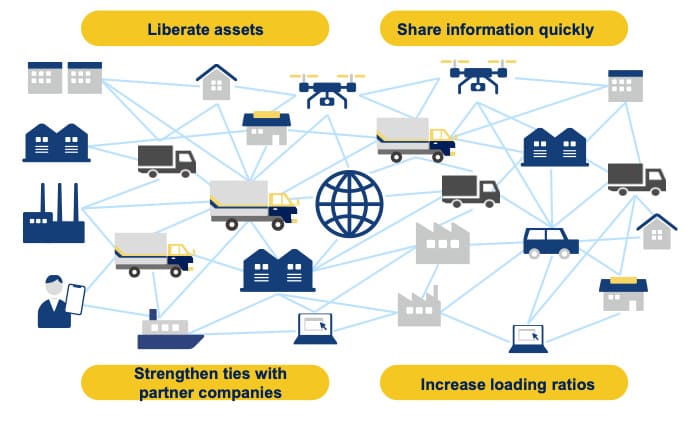
Two specific strategies have been developed based on these three pillars to evolve logistics from “simply the task of moving goods to a foundation for the creation of value,” Seino says. One such strategy is the Open Public Platform, a framework that connects various stakeholders to encourage the shared use of logistics resources. By sharing resources such as vehicles, warehouses and information across the industry, the O.P.P. optimizes the entire logistics network, reducing environmental impacts and improving efficiency simultaneously.
The other strategy is called On Behalf, which signifies a commitment to “solving problems on behalf of clients.” This commitment goes beyond simply providing outsourcing services. Rather, it involves taking on various logistics-related burdens that arise on the client side, becoming an indispensable long-term partner and supporting clients’ growth based on a relationship of trust.
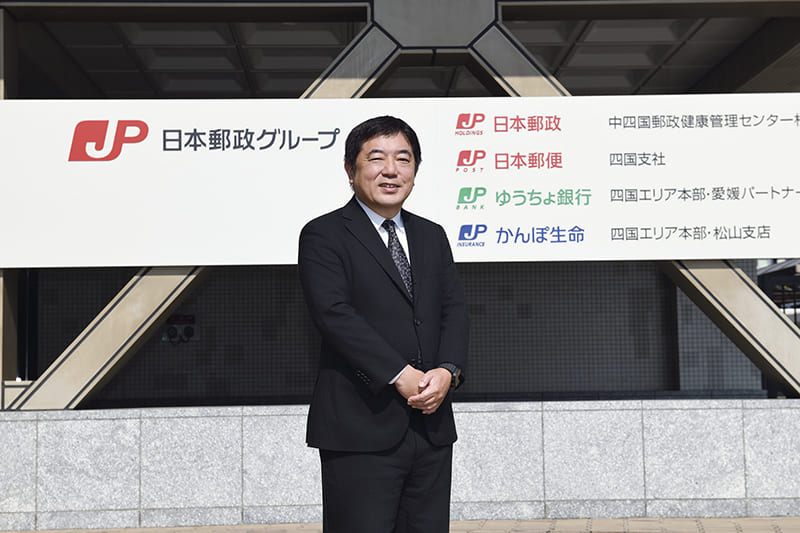
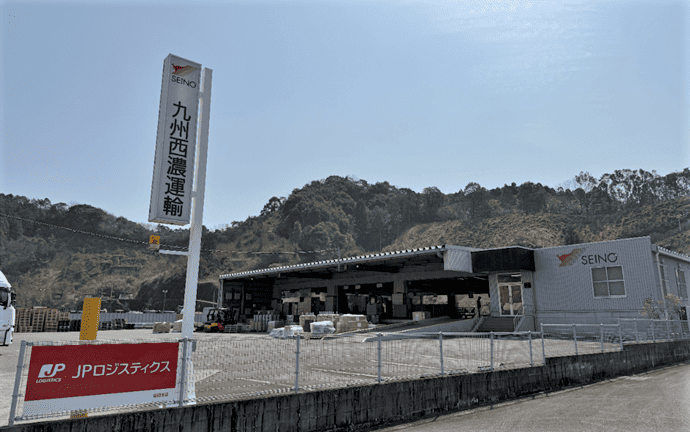
One initiative that has emerged from these strategies is the collaboration between Kyushu Seino Transportation, a Seino Group company, and JP Logistics. Starting this March, the two companies have shared a single delivery hub at Kyushu Seino’s Nobeoka branch in Miyazaki Prefecture. Under this arrangement, Kyushu Seino is responsible for deliveries within the city of Nobeoka, while JP Logistics handles all deliveries to the city of Hyuga. They expect this to reduce monthly mileage by 1,950 kilometers and cut emissions of carbon dioxide by 1,300 kilograms.
In April, a consolidated subsidiary of Seino Holdings and a consolidated subsidiary of Fukuyama Transporting established a joint venture called TGL Sanin. Tottori and Shimane prefectures, which make up the Sanin region, had the lowest and second-lowest populations of Japan’s 47 prefectures as of 2025. These prefectures were among the first to experience an aging population and now face a population decline as well. This has raised concerns about a decline in transportation efficiency and created a growing need for efficient logistics services that transcend corporate boundaries. The two companies aim to optimize and enhance the logistics network in the region by building a collaborative framework that leverages their respective strengths.
Also in April, Seino Holdings signed a basic agreement on a business partnership with Az-Com Maruwa Holdings, a third-party logistics provider specializing in e-commerce logistics, low-temperature food logistics, and pharmaceutical and medical logistics. The two companies have previously collaborated in certain areas on the pickup and delivery of small shipments in certain regions.They intend to expand these efforts further to improve operational and loading efficiency through joint delivery, reduce environmental impacts and develop a resilient logistics infrastructure.
Through these ongoing, concrete initiatives, Seino Holdings intends to evolve from a transporter of goods into a creator of new values that engage the entire industry.