November 24, 2026
ThinkAR creates glasses with ‘assistive’ intelligence
CEO Paul Jones says SoftBank-backed entity helps enterprises, disabled
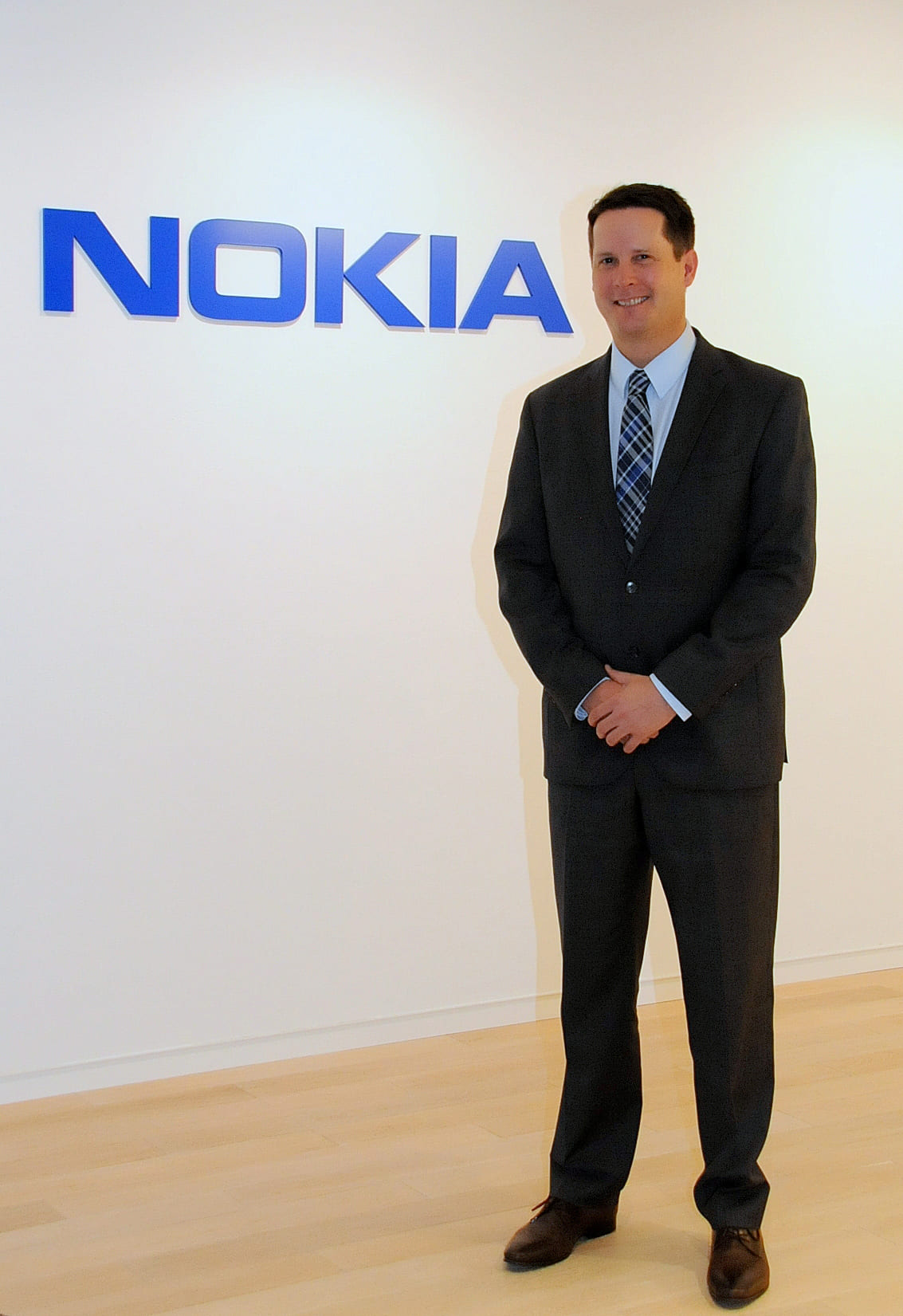
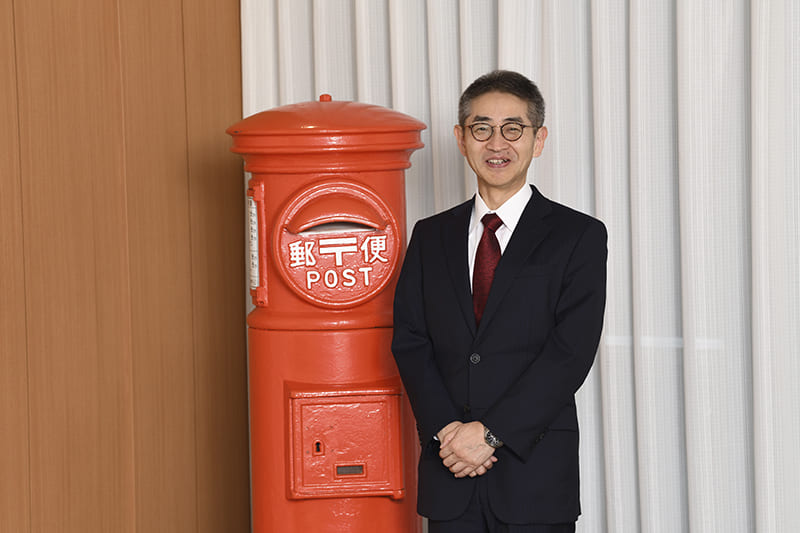
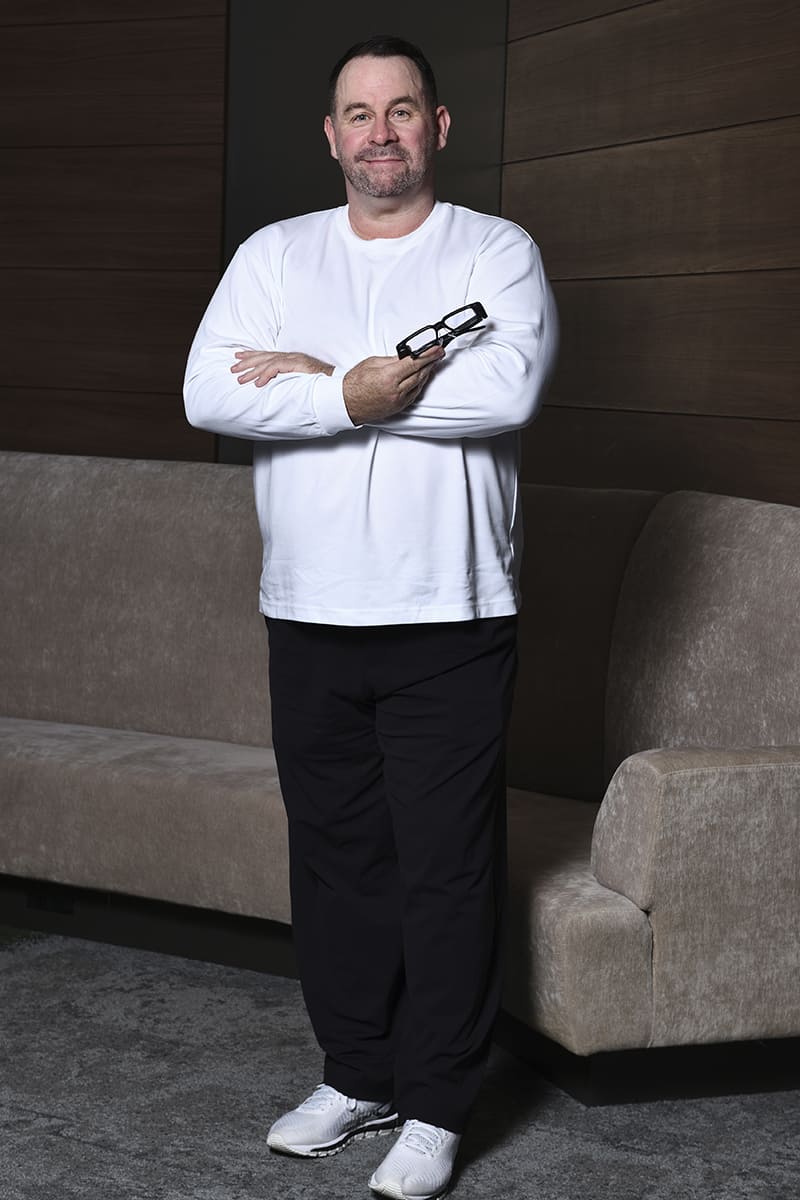
- Name: Paul Jones
- Title: CEO, ThinkAR
- URL: https://www.thinkar.com/en
- Hometown: Melbourne, Australia
- Years in Japan: 25
ThinkAR creates AI wearables, including AiLENS specialized smart glasses designed for specific enterprise solutions and people with disabilities. While its camera-equipped glasses are aimed at enterprise customers, the camera-free AiLENS V1 is already available to consumers in Japan.
Paul Jones became the CEO of the SoftBank-invested entity in 2025. The glasses are “basically a smartphone,” he said. “We were tasked with taking that … and trying to put it into a new form factor. We had to convert 150 grams into 50 grams, which is a fairly challenging task.”
For example, ThinkAR created smart glasses for the deaf that were used in the Deaf Olympics. While the athletes are deaf, many people involved in the games are not. The glasses display audio as text in real time, greatly lowering the barriers to communication. Jones recalled how happy and excited participants were to have this kind of experience for the first time and reflected on the importance of easy communication for creating human connections.
They have also created “hearables,” smart devices for the visually impaired that look like wireless headphones. But even people with perfect eyesight can benefit from them. Jones gave the example of getting directions from Google Maps, saying only about 18% of people actually look at the map and everyone else just listens to the directions. “We realized we don’t always need the display,” he said.
Glasses that assist
In the commercial sphere, ThinkAR’s glasses can be useful in areas including security, manufacturing, sanitation, healthcare and navigation. Jones mentioned the example of the automotive manufacturing industry, where the use of smart glasses could free the hands of workers. Rather than having to pause to use tablets and smartphones for data entry and similar tasks, “we can move the same basic functionality into the glasses,” Jones said.
Another example Jones gave for the problems addressed by AiLENS was as an aid for the medical industry. Healthcare workers would be able to remotely check patients’ vital signs by connecting monitors to the glasses. It would even be possible to remotely administer medications, which in emergencies could save lives.
As development of the glasses continued, inevitably a camera was added to the front of some of them. Cameras on AI glasses available to the general public have been highly controversial, as their uses are very hard to control. “I have a 13-year-old daughter, and it is this generation that are going to inherit what we do today — it is important we get these devices right,” Jones said.
“We felt the camera was still seen as intrusive by consumers and decided to pursue the pathway, where it can be used far more effectively,” Jones said. He acknowledged the usefulness of cameras, especially within manufacturing, where proper usage of equipment is essential and having a camera can protect workers in case of an accident or security issues. They are also able to tweak the functions of the cameras, such as only allowing them to scan QR codes. “It’s my job to make sure the technology stays within the guardrails,” Jones said.
Keeping tech responsible
Because privacy and the risk of data breaches are always among ThinkAR’s primary concerns, the company gives users the choice to opt in or opt out of data storage, allowing them greater control over their personal information.
One of the top concerns the general public has around AI is its environmental impacts. As much as possible, Jones repurposes materials that would otherwise go to waste or are already on hand within the SoftBank ecosystem. “Because SoftBank has so many entities, we’re encouraged to stay within our ecosystem. We’re not really creating new waste. … We’re encouraged to go to our other partners that share some overlap and ask, ‘OK, what can you give me?”’ he said. Keeping the sourcing for materials internal cuts out a lot of waste.
“We do everything we can to close the loop,” he said. ThinkAR asks users to send glasses back instead of throwing them out when there is a problem. It repairs them if possible, and otherwise repurposes raw materials so they don’t go directly into a landfill. “There’s a responsibility we have to take those items back and close the loop,” Jones said.
AI with a purpose
Looking toward the future, Jones feels a moral obligation to not only use both software and hardware responsibly, but to make sure ThinkAR is helping people. “As long as the technology is helping people, then I think it’s a good thing,” he said. “To me AI is not ‘artificial,’ it’s ‘assistive’ intelligence, so unless we can create something that’s helping people, we won’t go to market.”
By providing enterprise solutions for a wide range of industries and allowing people to work more hands-free, smart glasses in the workplace can reduce accidents, increase accuracy and create a more intuitive workflow. There will always be concerns around privacy and environmental impacts, but addressing them openly and honestly will set the stage to address these issues and innovate future solutions.